

Puka Nacua's 150-Yard Day Turned Into a Month-Long Rams Nightmare
GOATIFYThe most expensive moment of the Los Angeles Rams' 20-13 win over Washington arrived after Puka Nacua had already done nearly everything asked of him. The receiver collected 14 catches for 150 yards and a touchdown, helped keep drives alive and gave Matthew Stafford a reliable answer whenever the Commanders threatened to close the game. Then, on a late third-and-11 jet sweep, a hard tackle turned an outstanding afternoon into a potentially season-altering injury.
On Monday, November 9, coach Sean McVay confirmed sprains to the medial and posterior cruciate ligaments in Nacua's right knee, along with turf toe. The club considered an injured-reserve move likely, with at least a month out expected, although that was not yet a completed transaction. Fellow star receiver Davante Adams was already on injured reserve with a hamstring problem and no firm return date. The Rams won the game, but the question after it was how their offense would function without its two defining receiving targets.
How a 150-yard showcase became a Rams injury crisis
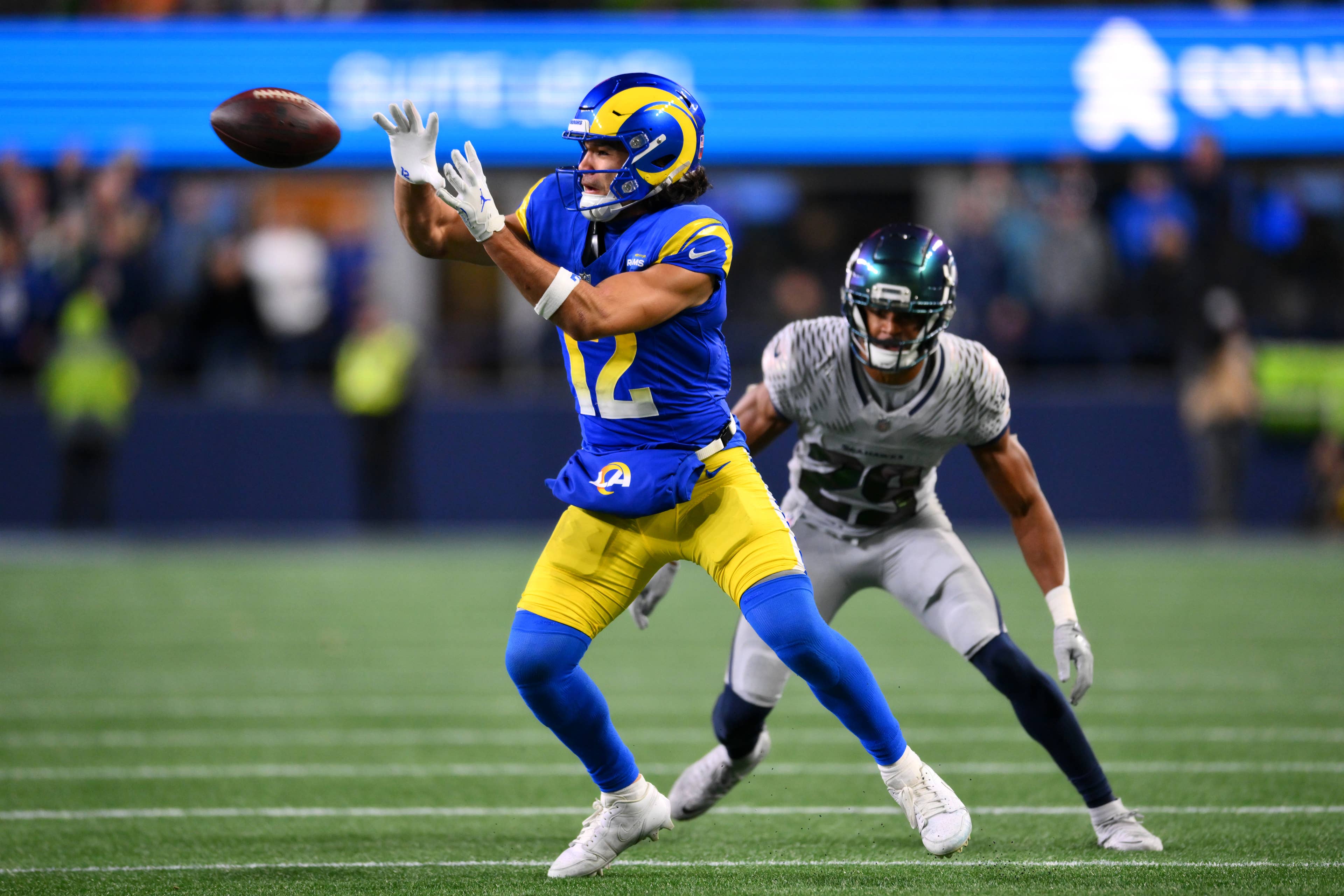
Sunday's stat line explains why the Rams kept turning to Nacua. His first reception moved the chains on the opening drive. Later, his seven-yard touchdown catch in the fourth quarter gave Los Angeles the points that ultimately separated the teams. He also added 20 rushing yards on two carries, illustrating the variety of ways McVay puts the ball in his hands. When Stafford completed passes, Nacua was not merely the most recognizable target. His 150 receiving yards represented most of the quarterback's 228 passing yards on the day.
The critical sequence was not the earlier jet sweep that produced a first down. It was a subsequent third-and-11 call near the finish, with the Rams protecting a seven-point advantage and trying to keep possession. Nacua carried the ball again and absorbed a heavy tackle to his right knee. Los Angeles eventually punted, and Washington still had a final opportunity. Nacua was wearing a knee brace afterward. That detail made the outcome of the victory difficult to celebrate even before Monday's examination results arrived.
McVay later acknowledged that he had reconsidered the decision to put his most valuable available receiver in that position. The regret does not mean the play was automatically reckless: a conversion might have effectively ended the contest, and the Rams had already trusted Nacua with similar designed touches. It does, however, reveal an uncomfortable calculation that coaches confront. The same physical versatility that creates offensive mismatches also puts a star receiver in the direct path of tacklers who treat him like a running back. Nacua's willingness to fight through contact is central to his reputation; asking him to stop being physical would also change what makes him such a dangerous weapon.
The reported diagnosis matters in its exact terms. An MCL sprain and a PCL sprain describe injuries to two knee ligaments; turf toe involves the joint at the base of the big toe. Those findings do not, by themselves, establish an exact recovery date or a surgical requirement. The Rams' public expectation on November 9 was an absence of at least a month and a strong possibility of injured reserve. Until the transaction occurs or doctors provide a more precise update, projecting a particular comeback week would confuse possibility with fact. For the coaching staff, the immediate deadline is not medical speculation. It is rebuilding Sunday's offense with the player who generated so much of it unavailable.
GOATIFY
GOATIFY NFL
The Rams' biggest star's sudden injury changes the season; explore NFL-inspired GOATIFY gear for American football fans.


The 100-catch problem: Nacua and Adams were almost the entire receiver output

One number captures the scale of the problem more clearly than any injury report: Nacua and Davante Adams accounted for 100 of the Rams' 120 catches by wide receivers through Sunday's game. That is roughly five out of every six receptions at the position. Removing one of those players alters defensive priorities; removing both changes the basic identity of the passing game. Opponents can crowd the areas where Stafford prefers quick throws without assigning the same attention to a pair of proven, high-volume receivers. Even if the backups execute their routes, defenses will approach those matchups differently.
Nacua's individual workload was enormous even before the latest setback. In seven appearances this season, he had 70 receptions, 715 receiving yards and four touchdowns. His Washington performance was the tenth game of his career in which he reached at least ten catches and 100 yards. When Adams was sidelined and tight end Terrance Ferguson also missed time, Nacua remained Stafford's escape valve. Over three games without both of those pass catchers, he produced 33 receptions, 298 yards and three scores. That was evidence of dependability, but also of how little room remained for another loss.
Adams' hamstring issue had already removed the intended second star from the formation. It is tempting to look at the combined receiving totals and simply distribute the missing opportunities to the next players on the roster. Football is not that linear. Nacua beats press coverage, sustains blocks and knows how to present a target when a designed route breaks down; Adams threatens defenses with his releases and work near the sideline or goal line. A backup can inherit a route on the play sheet without inheriting the attention the original player commanded. That can shrink the space available for everyone else, including backs and tight ends working underneath.
The reshuffle will also test the Rams' available tight ends and running backs. Shorter throws can move the chains, but those completions must compensate for the explosive plays and contested catches that the established pair supplied. It would be equally risky to assume a tight end such as Ferguson is automatically ready to solve the problem: the team was already monitoring his own hamstring setback. Stafford's accuracy and experience remain advantages, yet neither can manufacture separation against every coverage. The next version of this attack must spread its responsibility more deliberately rather than ask one replacement receiver to become Nacua overnight. Whether it can still threaten the field vertically is likely to matter just as much as its raw completion percentage.
GOATIFY
GOATIFY NFL
With two star receivers sidelined, the Rams face a new chapter. Browse NFL fan apparel and accessories from GOATIFY.
How Stafford and McVay can change the offense before the next test

McVay has two broad levers: change where the ball goes and change how the defense has to defend it. In the passing game, that might mean more layered concepts designed to give Stafford an easy first read, fewer situations in which a receiver must win an isolated physical matchup, and a larger share of targets for players already comfortable with the offense. Those are tactical options, not announced changes to the Rams' game plan. Their value will depend on protection and whether the remaining pass catchers make opponents respect the intermediate areas of the field. The offense may have to create separation through formation and motion rather than expect star power to create it on command.
The running game becomes important for reasons that extend beyond its box-score yardage. If the Rams can establish credible early-down runs and varied personnel groupings, play-action may open throwing windows that would otherwise demand individual brilliance from a star receiver. Conversely, repeated second-and-long possessions could leave Stafford waiting for unfamiliar targets to separate while pass rushers know a throw is coming. A practical measure of McVay's adjustment will be whether the offense avoids those obvious passing situations, not just how many replacement receivers appear in the final statistics. A modest but steady rushing attack can be more valuable in this scenario than one spectacular run surrounded by drive-killing losses.
The injury also changed the discussion around the November 10 trade deadline. Before losing Nacua, McVay had signaled that acquiring a receiver was unlikely despite Adams' absence. On Monday, his comments became more open-ended: the Rams would examine possibilities rather than categorically rule out a deal. That is a meaningful shift in posture, but it is not evidence that a particular target is available, that an offer has been made or that a trade will happen. Los Angeles also had only four selections left in the next draft, limiting what it could casually spend for short-term help. Trading for a name is not necessarily the same as acquiring a player who can immediately run the full offense.
The schedule allows no illusion that these choices can be deferred indefinitely. A division matchup with Arizona comes next, with a bye and a meeting with Green Bay ahead on the published schedule. A rest week creates useful space for coaching and practice, but it does not undo the likely month-long absence of the team's leading receiver. In the short term, the Rams need a manageable menu of concepts the available players can execute at game speed. In the longer term, they must decide whether a trade would genuinely improve the offense enough to justify sacrificing another draft asset. Stafford and McVay have the experience to make a stripped-down attack competitive; whether it can remain explosive is the bigger question.
Steve Avila's injury and the IR return-slot squeeze raise the stakes
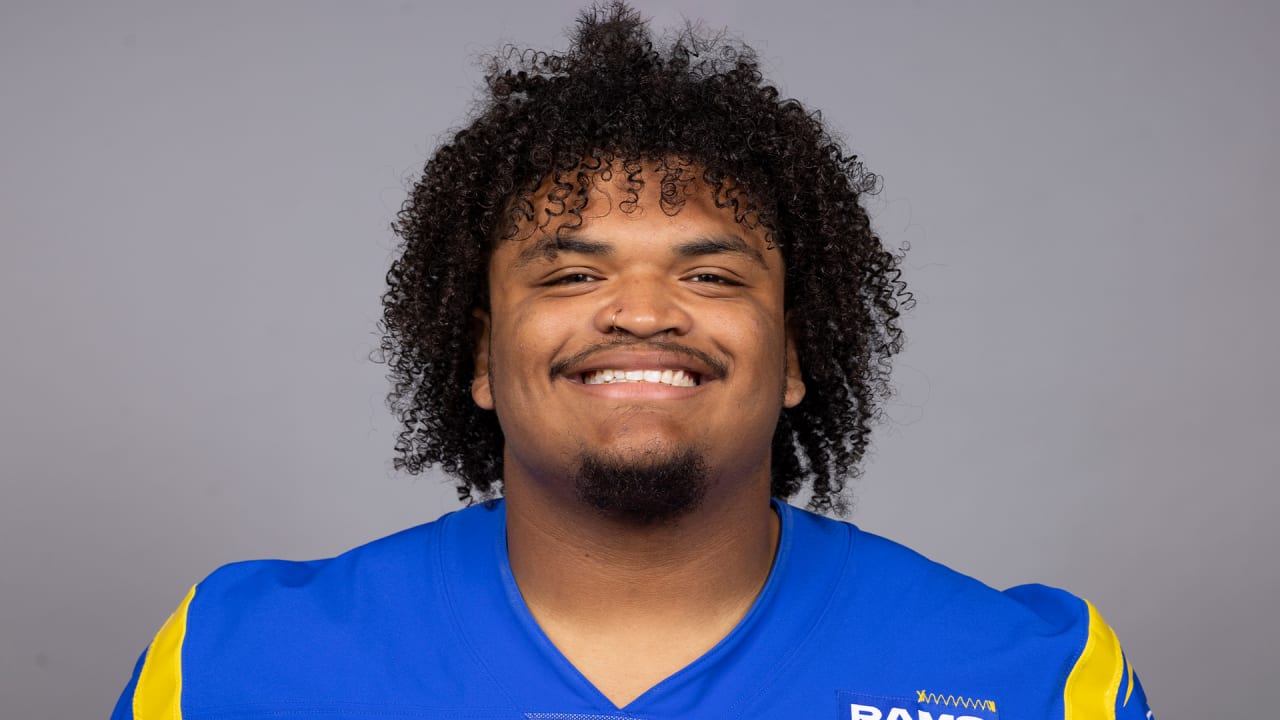
Nacua is the headline loss, but the offense did not finish the Washington game healthy elsewhere. Starting guard Steve Avila left with a hamstring strain, and McVay warned that his recovery could take time. That is especially consequential when the plan for replacing elite receiver production may rely more heavily on efficient rushing and well-protected, shorter passing sequences. A line missing a trusted interior starter can struggle to create the stable conditions those adjustments require. Losing a receiver and a guard in the same game forces the coaches to solve two connected problems rather than one. It can also constrain how aggressively the Rams call deeper plays even when Stafford likes the matchup outside.
The question of injured reserve is more complicated than simply deciding who needs a month to recover. The Rams had already used three of their eight available return designations, according to the team's November 9 update. Keagen Trost, Myles Garrett and Ronnie Rivers had consumed those returns. Other injured players were still in the picture: Nacua was a strong candidate for an IR placement; Ferguson had suffered a practice hamstring injury while attempting to return; Adams was already sidelined; and McVay had indicated an eventual return designation would be needed for defensive lineman Kobie Turner. Every additional injury can create a chain reaction through the roster rather than an isolated adjustment at one position.
That administrative pressure creates difficult choices. An injured-reserve stay can open a roster place for a healthy replacement, but exhausting return designations too early can leave the club with fewer ways to reinstate important players later in the season. McVay said the Rams were not actively trying to send Avila to IR at that point. It would be wrong to interpret that as proof the injury was minor. The decision can reflect football availability, medical estimates and the finite number of return opportunities, all at once. In a season with serious ambitions, a team must keep enough flexibility to recover as players become healthy again rather than win only the next week's roster-counting exercise.
There were positive signs on the other side of the ball. Myles Garrett returned from knee surgery and supplied three sacks against Washington, a reminder that Los Angeles can still win games through defensive pressure while the offense searches for a new rhythm. Cornerback Trent McDuffie was progressing from a back injury, though his availability for the next contest was not yet assured. None of those developments cancels the losses to the passing game; they alter the path to victory. A defense that supplies short fields and limits the opponent's scoring can protect an offense in transition. That may be the formula the Rams need until the health of their star receivers improves.
GOATIFY
GOATIFY NFL
Football's roster challenges reach well beyond one player; check out GOATIFY's NFL-themed collection for supporters of the game.
The Rams escaped Washington with a third consecutive victory and a result that will count in the standings long after the injury headlines fade. They also left with a harder assignment than the one they faced at kickoff. Nacua's exceptional performance showed how much the passing attack can produce when its centerpiece is healthy; his late injury showed how suddenly that dependence can become a liability.
There is no verified return date to circle, no confirmed trade to evaluate and no single reserve who can be reasonably expected to replace both Nacua and Adams. The credible route forward is less glamorous: protect Stafford, reduce the number of must-win one-on-one throws, support the patchwork offense with the run game and defense, and make careful roster choices. McVay can still adapt. The Rams' next month will reveal how much of their apparent strength belongs to the system when its two biggest receiving stars are unavailable.
Shop GOATIFY NFL and American football shirts, hoodies and stickers.

















