

Rybakina Locks Up Year-End No. 1 — Tokyo Win Ends the Race
GOATIFYElena Rybakina arrived in Tokyo with the No. 1 ranking already beside her name. She left her opening match with something even harder to take away: the certainty that she will finish 2026 on top. The Kazakh star defeated Yulia Putintseva 6-2, 6-3 at the Pan Pacific Open on October 29, clinching the year-end world No. 1 position for the first time in her career.
That is more than a routine ranking update. Rybakina has turned an extraordinary season into a full-year verdict, combining major-tournament success with the kind of sustained results that leave rivals without a route back. And the season is not finished: Tokyo still has a trophy to award, while the WTA Finals are approaching. The biggest question now is how much more she can add to a campaign that has already delivered its defining ranking prize.
The Tokyo Win That Turned a Lead Into a Guarantee
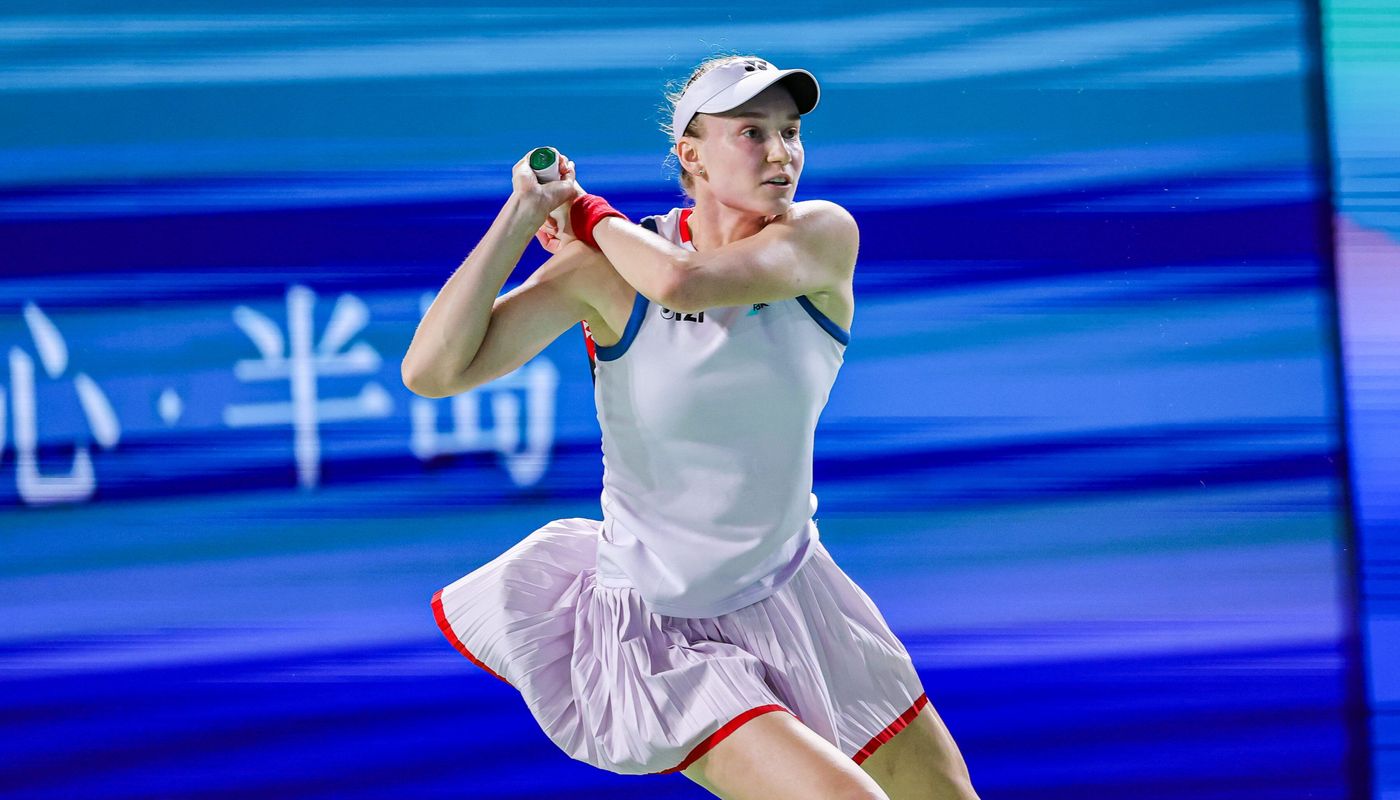
On a scoreboard, Rybakina's 6-2, 6-3 win over Putintseva looks like a convincing straight-sets result. In the wider season, it is the point at which a lead in the rankings became an unassailable position. The distinction matters. A player can hold the No. 1 ranking in September and still face a difficult autumn defending it. Securing the year-end honor means the remaining results cannot dislodge her from the top of the season-ending table.
Rybakina entered the final stretch with the strongest body of work on tour. Tokyo offered another opportunity to bank a result before the season-ending championship, and she took it. The 6-2 opening set created the separation; the 6-3 second set ensured there would be no long recovery mission for her opponent. It was the sort of efficient performance that has become an important part of her 2026 identity: rather than needing a spectacular comeback to keep a season alive, she was in a position to consolidate what she had already built.
Putintseva is an experienced competitor capable of dragging opponents into uncomfortable rallies and changing tempo. A match against her is not simply an exercise in serving hard. Rybakina's ability to complete the job in two sets is therefore a useful indicator of how effectively she managed the occasion. That observation should not be confused with a claim that every game was effortless; the available result establishes the outcome, not a point-by-point picture of dominance.
For Rybakina, the victory also removes an awkward distraction. A ranking race can turn every late-season match into an arithmetic exercise, with each lost set generating new scenarios. That particular question is settled. Her team can now treat the rest of Tokyo as a chance to pursue another title rather than a requirement to protect first place. The practical change may be subtle, but the psychological one is significant: the biggest season-long objective is secured before the final tournament begins.

A No. 1 Season Built Across Surfaces, Not in One Week

The Tokyo result would mean much less without the achievements that preceded it. Rybakina captured the 2026 Australian Open, giving her a second major singles title, then added the Stuttgart title during the spring clay-court swing. She later won the US Open and reached the world No. 1 ranking for the first time in September. Those milestones span different stages of the calendar, opponents and playing conditions. They are evidence of a season rather than a brief hot streak.
The Australian Open established the tone. Winning a major in January changes how the rest of a year is judged: expectations rise, opponents adjust and the next tournament becomes an immediate test of whether the performance can be repeated. Rybakina kept collecting results. Stuttgart showed that her success was not restricted to the outdoor hard courts where her serve and flat groundstrokes can be especially punishing. The US Open later supplied another championship on one of tennis's biggest stages and carried her to the top of the rankings.
There were also weeks in which the margin between success and disappointment was narrow. She reached significant finals without winning every one of them, and no elite player goes through a full schedule without uncomfortable matches. That is precisely why the year-end award is a more comprehensive measure than a single trophy. It rewards the accumulation of performances across months, not the most recent headline.
Her late-October title defense in Ningbo added another important piece. Rybakina won there again in 2026, reinforcing her standing at a time when the season was becoming a sprint toward the final championship. The sequence from New York to Ningbo to Tokyo is especially striking: she did not follow a breakthrough ranking moment by easing away from competition. She continued to put herself in positions to win.
That is the clearest explanation for Thursday's milestone. Rybakina did not become the year-end No. 1 because Putintseva happened to be the opponent in one Tokyo match. She became the year-end No. 1 because the result completed a season-long body of work that nobody else could surpass. The clinching match was the final mathematical step, not the whole story.
What the Rest of the WTA Could Not Make Up
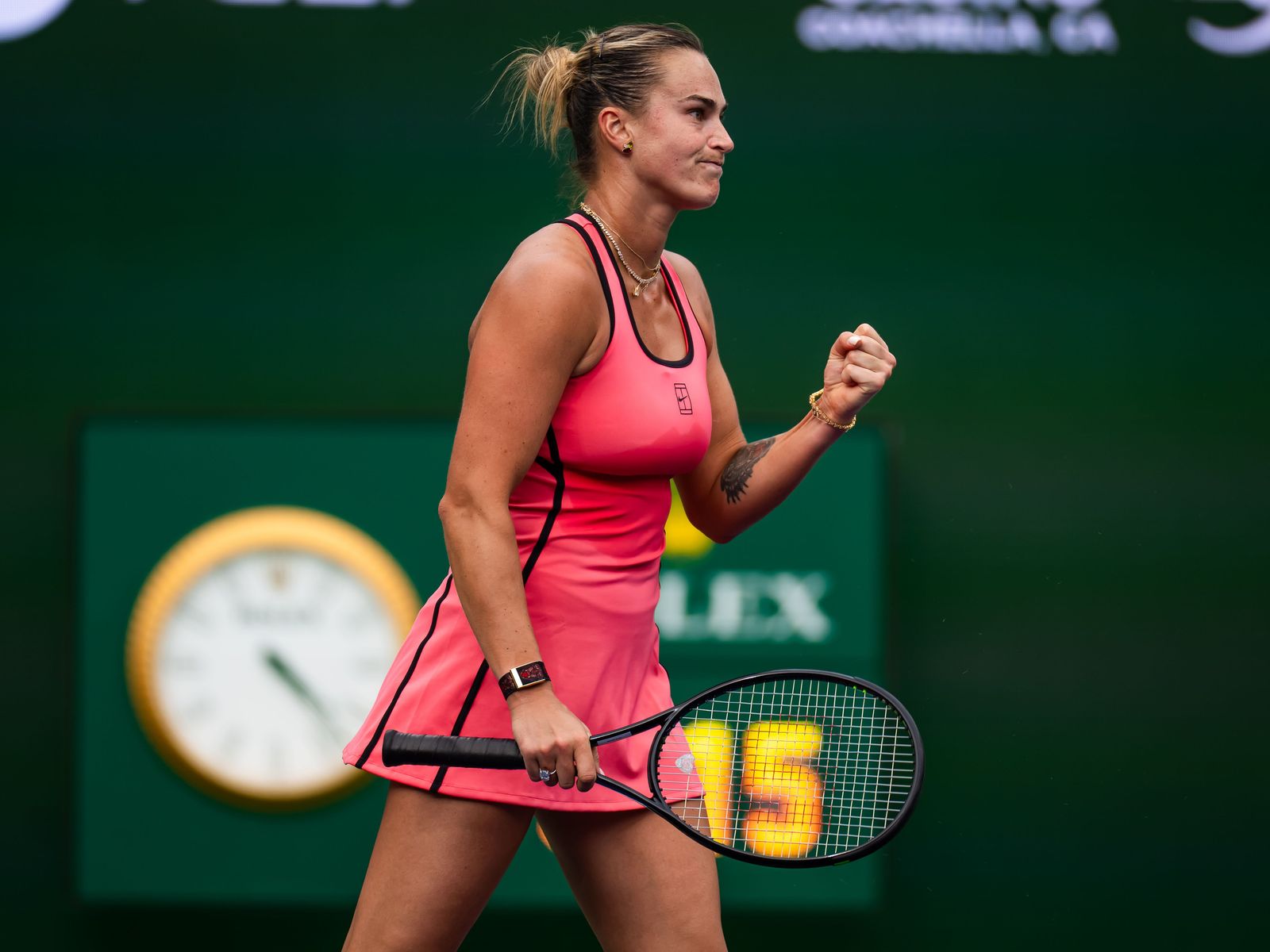
Finishing No. 1 is not a judgment that every rival played badly. Aryna Sabalenka, Mirra Andreeva, Jessica Pegula and Coco Gauff have all been part of a deep field in which a strong fortnight can dramatically alter the conversation. The challenge for every contender is that one brilliant tournament does not erase months of accumulated results. Rybakina's advantage survived the swings of the calendar because her own high points kept arriving.
It is worth separating three different claims that are often collapsed into a single headline. Being ranked No. 1 at a particular moment means leading the official rankings at that point. Clinching the year-end No. 1 means the season's remaining events cannot change the final leader. Winning the WTA Finals is a separate tournament achievement, awarded to the player who succeeds in that particular field. Rybakina has secured the second of those distinctions; the third remains to be decided.
Sabalenka's pursuit illustrates the difficulty of catching a leader who continues to win. She has the serve, power and experience to take apart elite opponents, but a chase requires more than beating the player ahead on a single day. It depends on opportunities to gain ranking ground while the leader fails to add enough. Rybakina kept closing those windows with significant results. Her Tokyo win made the remaining theoretical debate irrelevant.
The wider field is no less dangerous because the ranking is settled. Andreeva's development, Pegula's consistency and Gauff's ability to compete at the biggest events mean the top of women's tennis is not about to become a one-player exhibition. Every major champion has to defend her position repeatedly. A year-end No. 1 can still lose a quarterfinal, a semifinal or a final, and none of those outcomes retroactively diminishes the full-season achievement.
That distinction is important for judging Rybakina fairly. The ranking reflects sustained excellence, not invulnerability. She can be the best performer over the entire 2026 calendar without being an automatic favorite in every remaining match. Indeed, the quality of the opposition is one reason the year-end honor carries so much weight. It was earned in a field where several other players had credible paths to the summit, until the results finally shut those paths down.

Tokyo Is Still Alive — and the WTA Finals Are Next
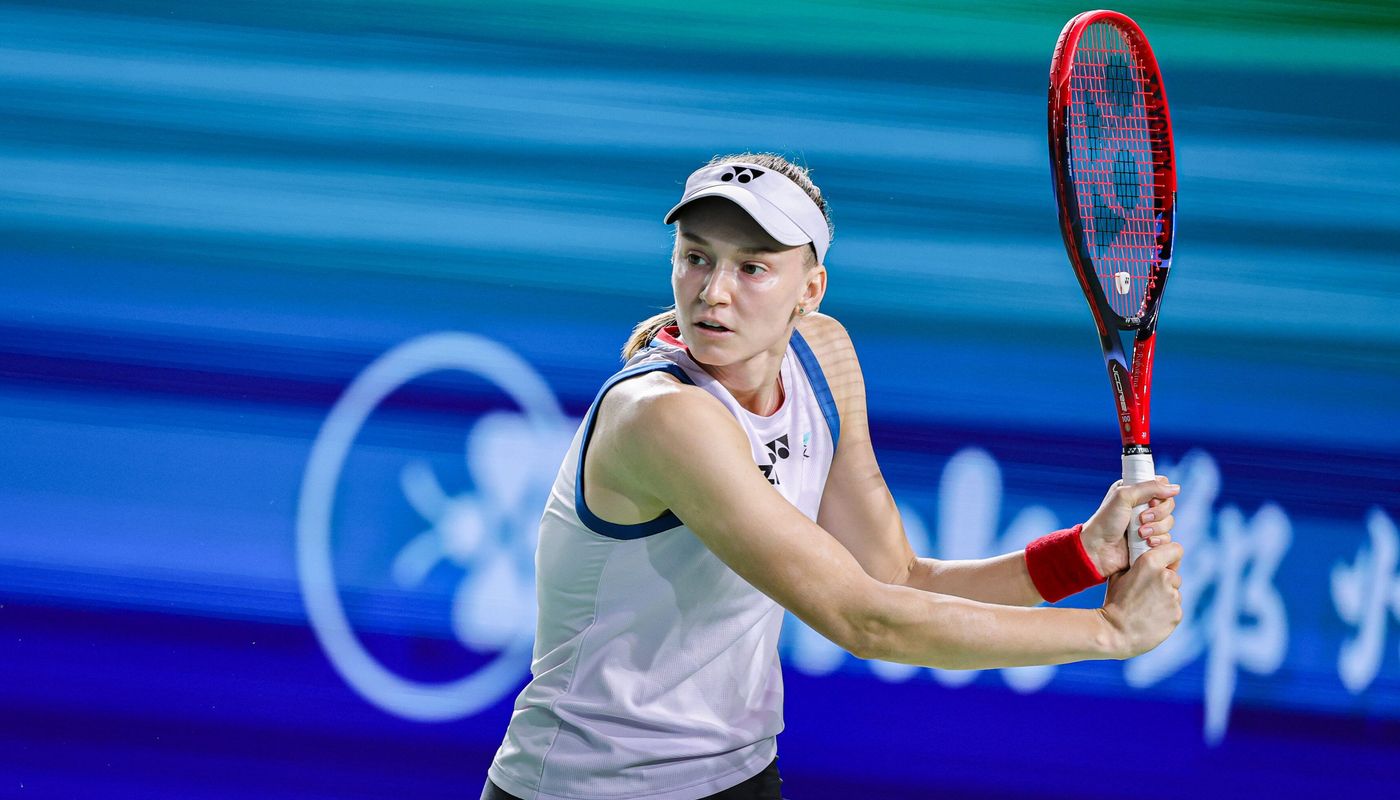
The year-end ranking race is finished for Rybakina, but the tennis is not. Tokyo remains an active WTA 500 event, and the victory over Putintseva only advanced her through the second round. There are more matches to play before anyone can claim the Pan Pacific Open trophy. Treating the No. 1 announcement as a tournament victory would confuse two very different achievements.
The more consequential date on the horizon is November 8, when the WTA Finals begin in Indian Wells. The event runs through November 15 and gathers the season's leading qualifiers for a championship that tests both match quality and recovery. Its round-robin format makes it different from the straightforward knockout draws players navigate most weeks. A competitor can lose a match and remain alive, while a player who starts quickly may still need to manage difficult scheduling and tactical adjustments later in the week.
Rybakina knows what winning that event requires. She captured the 2025 WTA Finals, a result that provided a foundation for the confidence and expectations carried into 2026. The defending-champion experience does not guarantee a repeat, but it removes the uncertainty of stepping into that environment for the first time. She has already navigated its demands and now returns with a year-end No. 1 season attached to her name.
The key tactical question is whether her first-strike tennis stays reliable against the very best returners in the field. Rybakina's serve and flat, penetrating groundstrokes can shorten points and prevent opponents from establishing rhythm. When those shots lose precision, however, the same direct style can produce openings for rivals who defend well and redirect pace. The Finals will test that balance against players who have spent the season studying her patterns.
There is also a scheduling question. A deep Tokyo run could offer valuable match sharpness, but it would reduce the rest available before the season-ending championship. An earlier exit would create a different preparation window, not automatically a better one. Neither outcome should be framed as proof of what will happen in Indian Wells.
For now, Rybakina has the luxury of competing without a ranking chase hanging over every service game. The pressure has not vanished; it has changed shape. She is no longer trying to prove that her season was the best. She is trying to finish it like a player who has already earned that description.
Tokyo provided the confirmation, but 2026 supplied the evidence. Rybakina's 6-2, 6-3 win over Putintseva secured her first year-end No. 1 finish after a season defined by major titles, repeated late-stage runs and a refusal to stop collecting results. The ranking question is settled; the trophy questions are not. A possible Tokyo title and the WTA Finals still offer chances to turn a landmark year into something even bigger.
Shop GOATIFY tennis products from the Tennis-filtered collection scope.

















