

Rybakina's First Title as No. 1 Was a 76-Minute Warning to the WTA
GOATIFYElena Rybakina arrived in Ningbo as the world's top-ranked woman but without a trophy since taking over No. 1. She leaves with a very different answer to the questions that followed her early Asian swing. A 6-2, 6-2 win over Leylah Fernandez on Sunday, October 25, delivered her first title as world No. 1, a second consecutive Ningbo championship and a tour-leading fourth singles crown of 2026.
The scoreboard was emphatic, but the more important detail was how completely Rybakina dictated the terms. In 76 minutes she broke Fernandez four times and never surrendered her own serve. After a difficult stretch in Beijing and Wuhan, the 27-year-old found a clean, authoritative performance just as the calendar turns toward Tokyo and the season-ending WTA Finals. The result is both a title defense and a statement about how she intends to finish the year.
Four breaks, no lost service games: how Rybakina took the final away
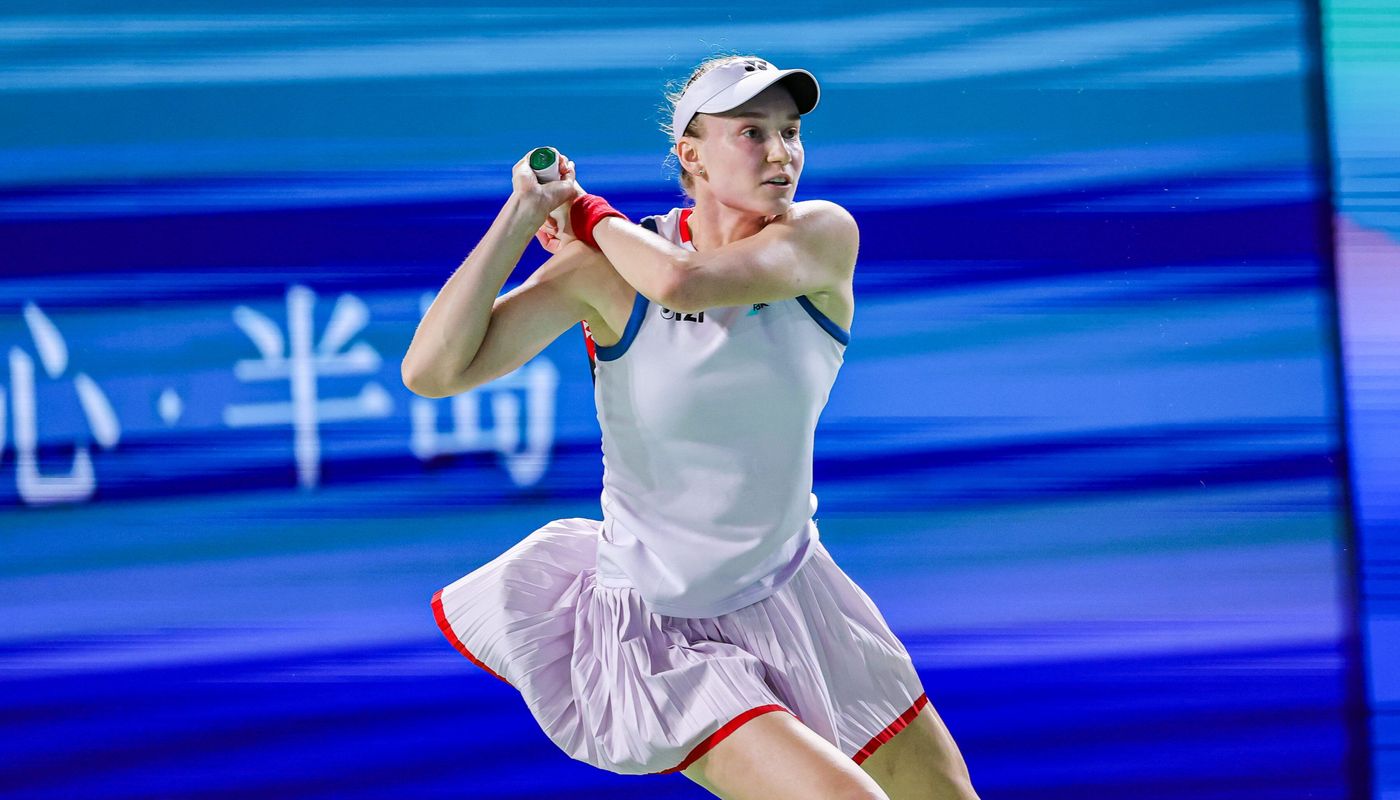
The match lasted one hour and 16 minutes, and there was no prolonged stretch in which Fernandez could force Rybakina away from her preferred patterns. Rybakina took the first set 6-2 and repeated the score in the second, breaking twice in each. She also held every service game, an important distinction against an opponent who had survived several demanding return-and-counterpunching battles to reach the final.
Rybakina's most effective tennis tends to start before a rally becomes complicated. A strong first delivery creates a short or defensive return, and her next strike can immediately move the opponent outside the court. In Ningbo she did not need to hit a spectacular winner on every point. The combination of depth, early contact and pressure on Fernandez's second shot was enough to prevent the Canadian from building long, neutral exchanges on her terms.
The opening set's decisive separation came as Rybakina established a two-break advantage. Fernandez had moments of resistance, but the top seed kept forcing her to defend while moving, then used the open court rather than taking unnecessary risks. Rybakina closed the set in 38 minutes. A comfortable first-set score can hide a few contested games; what it could not hide was the absence of any sustained threat to the champion's own service games.
The second set followed the same strategic outline. Fernandez tried to step forward and change the rhythm, yet Rybakina answered with another early break and refused to give back control. The final point was her 24th winner, a fitting end to a match that rewarded aggression backed by discipline. The striking feature was not merely the number of winners, but how little opportunity the opponent had to turn them into a costly exchange of errors.

Fernandez's difficult road made this a different kind of matchup
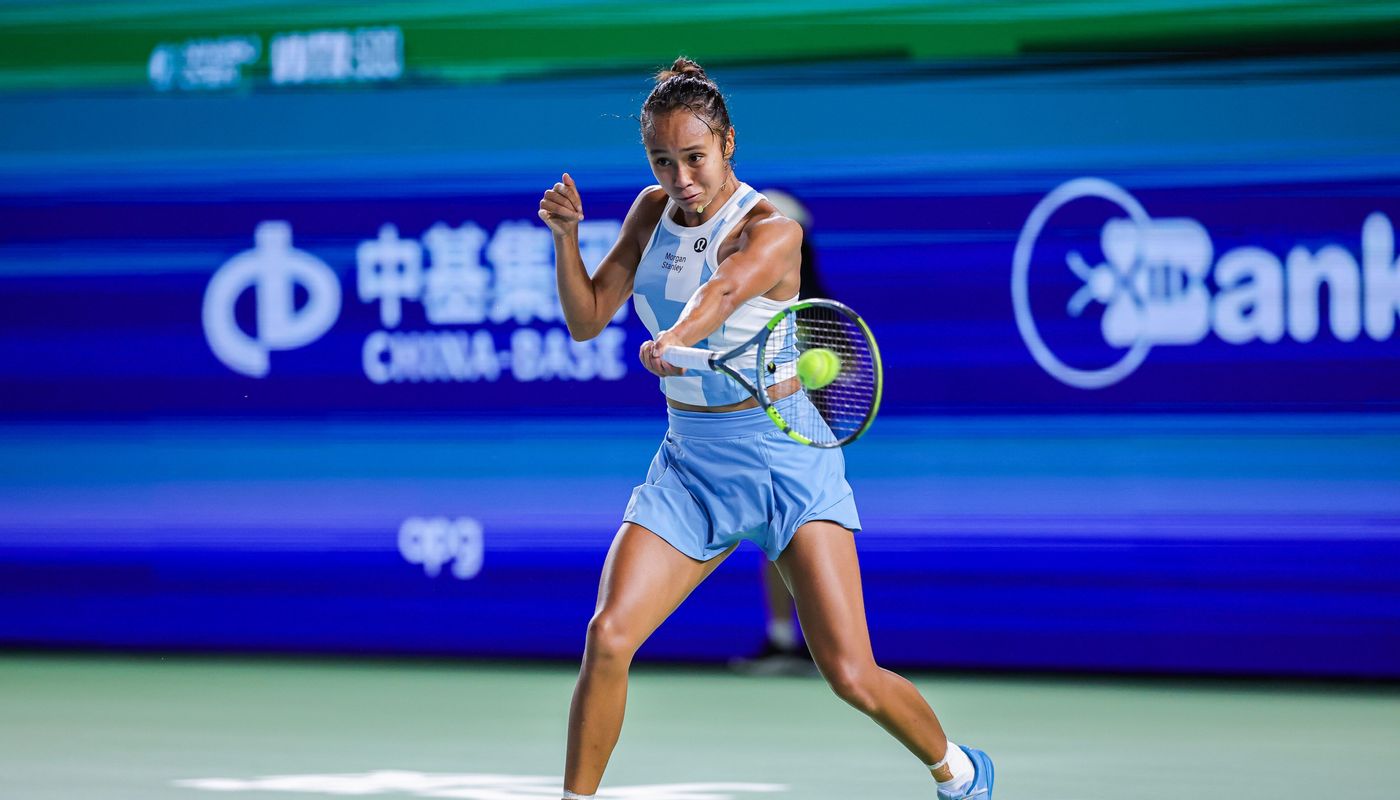
Fernandez's place in the final was earned the hard way. The Canadian had already fought through three consecutive three-set matches earlier in the week, including a first-round escape against Elise Mertens in which she trailed 5-3 in the decider. She also needed a long contest against Aliaksandra Sasnovich and another comeback against Ekaterina Alexandrova before beating Marie Bouzkova in straight sets in the semifinal.
That route showed the quality that makes Fernandez dangerous: she competes through momentum swings, takes the ball early when possible and can turn defense into an attacking position without needing the biggest serve in the draw. It also meant she entered the championship match having spent substantially more time on court than Rybakina. Fatigue cannot be proved from a scoreline alone, but the contrast in the two players' workloads was real.
Against Rybakina, the usual Fernandez escape routes were narrow. Redirecting pace is easier when the first strike lands within reach. Here, Rybakina repeatedly made Fernandez hit from uncomfortable positions, while the Canadian struggled to make meaningful inroads on return. Her own best moments did not produce the string of points needed to threaten a service break or shift the scoreboard.
Fernandez still has a strong late-season story of her own. She won the Singapore Open in September and arrived in Ningbo on a productive Asian swing, reaching another final and adding valuable wins against difficult opponents. Losing to the world No. 1 in a lopsided championship match does not erase those results. It does illustrate the gulf between staying alive in a long rally and consistently taking the initiative against one of the tour's cleanest first-strike players.
The Ningbo repeat turns a familiar venue into a career milestone
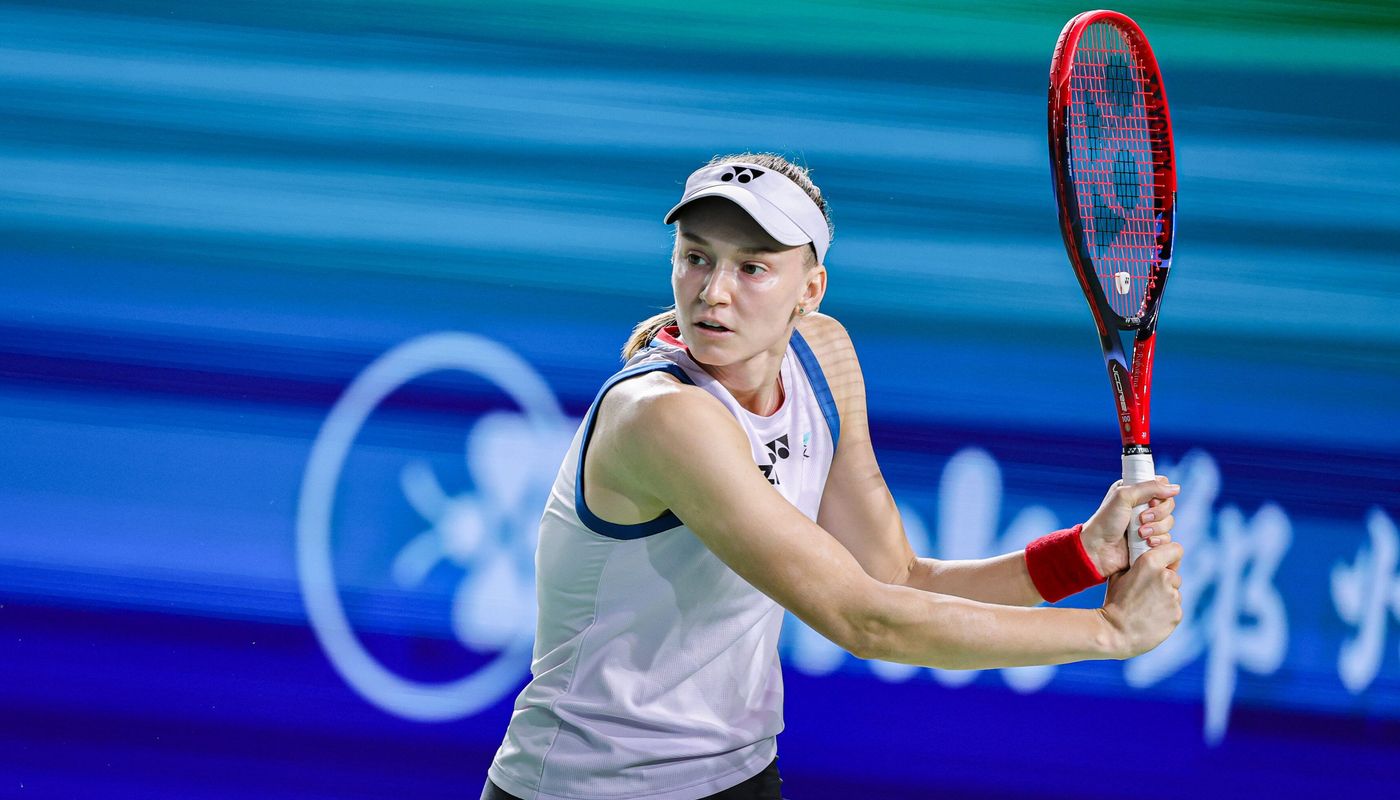
Ningbo has become a useful measuring stick for Rybakina's late-season momentum. She won the tournament in her only previous appearance in 2025, defeating Ekaterina Alexandrova in that final, and returned this October as the defending champion. Sunday's victory extended her perfect record at the event to eight matches and gave her the first successful defense of a singles title in her career.
That distinction matters because Rybakina has already won much bigger tournaments, yet defending a title tests something different from making a surprise run. The draw, the expectations and the calendar pressure change. A champion comes back knowing every opponent has studied what worked the previous year. Rybakina was not flawless all week: qualifier Katarzyna Kawa took a set off her in the quarterfinals, and Diana Shnaider pushed her through an awkward semifinal. She found answers before delivering her cleanest performance when the trophy was on the line.
The numbers now form a compelling career picture. Ningbo is Rybakina's 15th tour-level singles title and her seventh at WTA 500 level. Nine of those 15 trophies have come on hard courts, the surface on which her serve and flat baseline power are particularly difficult to blunt. Her 2026 collection spans the Australian Open, Stuttgart, the US Open and Ningbo, a combination that shows success across different settings rather than a single hot fortnight.
Rybakina has also improved the way she handles championship matches. After earlier years in which finals could become frustrating near-misses, she has converted 11 of her most recent 15 final appearances into titles. That is not proof that every future final will go her way. It is evidence of a player who increasingly arrives at the last match with a clear plan and the confidence to trust it under pressure.
Why the No. 1 race and the WTA Finals make this more than a WTA 500 win
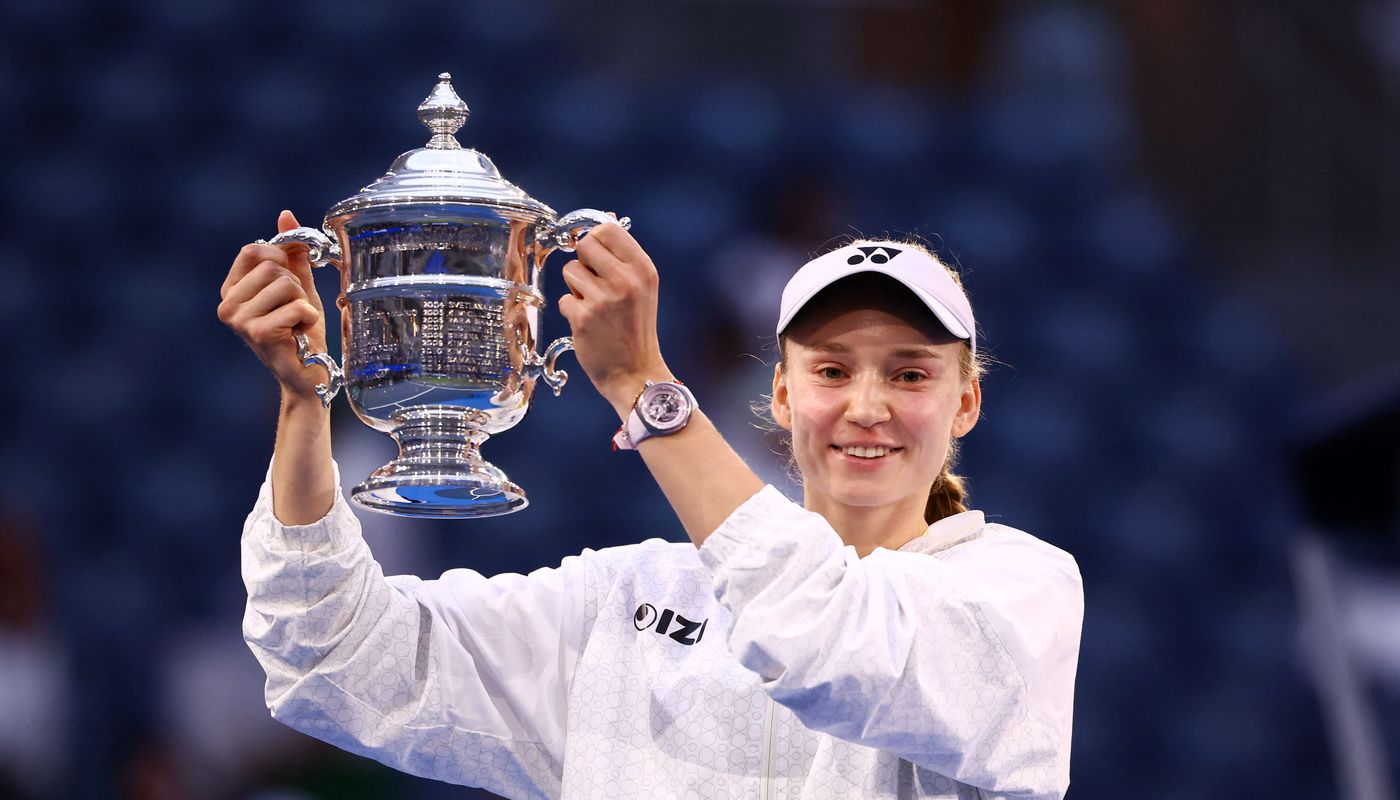
The bigger stakes stretch beyond Ningbo's 500 ranking points. Rybakina became world No. 1 after winning the US Open in September, ending Aryna Sabalenka's long run at the summit. She had already beaten Sabalenka in the Australian Open final in January, so her season has been defined by winning major matches against the strongest opposition. Ningbo adds a different kind of evidence: she can return to an ordinary tour week, absorb the expectations that come with the ranking and still finish with the trophy.
The final was her 53rd tour-level match victory of 2026, the highest total on the women's tour at this stage. Mirra Andreeva and Jessica Pegula were next on 50 each. That gap is not a guarantee of the year-end ranking, because the points race depends on tournament results and the points each player has to defend. But it underlines the consistency beneath Rybakina's headline wins. A player cannot rely on two Grand Slam finals alone to stay at the top; the intervening weeks matter.
Rybakina's recent results also provide a useful caution against assuming that the top ranking removes uncertainty. Her Asian swing included early disappointment in Beijing and a setback in Wuhan before the Ningbo rebound. The level she produced against Fernandez suggests that the aggressive baseline patterns are functioning again, but the challenge now is to repeat them against stronger fields and opponents who can absorb her first strike for longer.
The next stop is the Pan Pacific Open in Tokyo, scheduled for October 26 to November 1, followed by the WTA Finals in Indian Wells beginning November 8. Rybakina is the defending champion at the season-ending event, which adds both an opportunity and pressure. She arrives with the strongest title count on tour this year, a restored sense of rhythm and the chance to make her first full season at No. 1 end with another defining result.

One final cannot settle the year-end ranking race, but it can change the tone of the run-in. Rybakina's 6-2, 6-2 win was unusually clean for a match against a capable, in-form opponent: four breaks, no service games lost and a decisive finish in 76 minutes. The same player who had to survive difficult moments earlier in Ningbo looked entirely in control on championship day.
Her second Ningbo title brings the career total to 15, extends the tournament winning streak to eight and gives her a fourth trophy in a season already marked by two Grand Slam triumphs. Tokyo and the WTA Finals will provide a sterner test. For now, the world No. 1 has answered the most immediate question: she is not merely protecting a ranking, she is still collecting titles.
Shop GOATIFY tennis products from the Tennis-filtered collection scope.

















