Carrick Is Out. United's Relegation Fight Won't Wait for Pochettino.
GOATIFYMichael Carrick's second spell in charge of Manchester United has ended with the club in a place scarcely imaginable when his permanent appointment was celebrated in May: the Premier League relegation zone. United confirmed his dismissal on Thursday, November 12, after a run of one league victory in 11 matches. The same coach who had propelled the team into the Champions League in the spring now leaves them 18th, a point behind Coventry City and facing serious questions about where the next result will come from.
The timing makes the story bigger than another change of head coach at Old Trafford. Director of football Jason Wilcox and chief executive Omar Berrada reviewed the team's decline, co-owner Sir Jim Ratcliffe backed the recommendation to change direction, and the board approved Carrick's departure. Mauricio Pochettino, still employed as United States men's national-team coach, is reportedly the preferred successor with a framework agreement in place. That is not yet the same as an officially completed appointment.
United's predicament has three separate layers. Carrick's impressive short-term revival proved that this group could respond to clear direction. The subsequent collapse exposed how little of that improvement endured across a congested domestic and European schedule. And whoever takes over must address the immediate danger of relegation rather than assume a famous badge will buy time. The next era cannot be judged first by press-conference optimism or a change of formation. It will be judged by whether United start collecting points.
A 12-win revival became a one-win league crisis
There is a reason Carrick's exit feels more abrupt than a routine change following poor results. In January, when Ruben Amorim departed, United turned to a former midfielder with a deep connection to the club and a clear short-term brief. The team responded. Carrick's interim run eventually produced 12 victories and three draws from 17 matches, a third-place Premier League finish and the Champions League qualification that had looked uncertain before his arrival. He had restored momentum and, just as importantly, given supporters a plausible reason to believe the next era might be built around somebody already familiar with Old Trafford.
May's decision to make him permanent, on a contract running until 2028, was therefore understandable in its own context. A manager who could simplify responsibilities, lift confidence and deliver high-pressure wins appeared to have earned the opportunity to guide a longer project. In its announcement at the time, United praised the team's results and the culture Carrick had encouraged. Those achievements should not be erased by what came next. Without that earlier run, the club would not have been preparing for another European campaign in the first place.
But a hot finishing stretch and a sustainable season-long identity are not identical things. Interim managers can change the mood immediately because the urgency is clear, the players know the short-term target and opponents have limited time to study a new approach. Over a full campaign, the same coach must handle injuries, squad rotation, fatigue, a changing fixture list and opponents increasingly prepared for the team's habits. That distinction is crucial to understanding why a spring rescue did not become an autumn foundation. The evidence of the new season was not merely that United had suffered occasional bad afternoons. It was that the performance level and points return remained poor over a meaningful sample.
By the time Thursday's decision was announced, United had won only one of their previous 11 league matches and sat 18th. Their three competitive victories this season had come against Ipswich Town, Sabah and Roma. The 3-0 home defeat by Bournemouth proved particularly damaging, not because one result should define a tenure, but because it reinforced a longer pattern of failing to impose control in games where United expected to compete much more strongly. The board reportedly gave Carrick a further three fixtures to demonstrate progress. A 2-0 defeat at Chelsea, an uneven recovery to beat Roma 3-2 and a remarkable 4-4 draw with Aston Villa did not change the conclusion.
GOATIFY
GOATIFY Soccer
Carrick's short-term success and sudden dismissal have United supporters questioning everything. Explore GOATIFY football designs while the season's biggest managerial story unfolds.

Kylian Mbappe – El Dictator Retro Soccer Sweatshirt
A football fan design for everyday wear.
Shop Now ↗
Kylian Mbappe France Euro 2024 Ninja Turtle Hoodie
A football fan design for everyday wear.
Shop Now ↗
Bottlers FC Tottenham Hotspur Parody , Spursy Sticker
Add football personality to your favourite gear.
Shop Now ↗

GLINEOS OUT Manchester United Protest Against Mug
Add football personality to your coffee break.
Shop Now ↗
Trashford Marcus Rashford Manchester United Sweatshirt
A football fan design for everyday wear.
Shop Now ↗That Villa match neatly captures the difference between resilience and reliability. United clawed their way back from two goals down on two occasions and rescued a point late. Fighting spirit had not disappeared. Yet a side trying to climb out of the bottom three cannot repeatedly require extraordinary comebacks merely to avoid defeat. Defensive mistakes and fragile game management cancel out moments of attacking courage. A manager deserves credit for his players refusing to surrender, but he also has to answer why they keep needing to rescue the match.
There were signs that Carrick's relationship with parts of the group was under strain. Bruno Fernandes challenged the team's approach after the damaging Champions League loss at Como; Lisandro Martínez's public criticism of football leadership added to a wider sense of friction. Neither episode, on its own, proves a dressing room had turned against the coach. Both, however, intensified the pressure on a team already slipping in two competitions. When results falter, selection arguments, defensive errors and disagreements that might otherwise pass quietly become symbols of a club without a settled direction.
Carrick exits having delivered two seemingly contradictory truths: he was exactly the stabilising figure United needed in the first half of 2026, and he could not arrest the decline once the challenge changed. Evaluating him fairly requires acknowledging both. The board, meanwhile, must explain how a manager it endorsed only months ago could reach a point where dismissal became the preferred answer before the season was even halfway through.
The board approved a change; Pochettino still has a USA contract
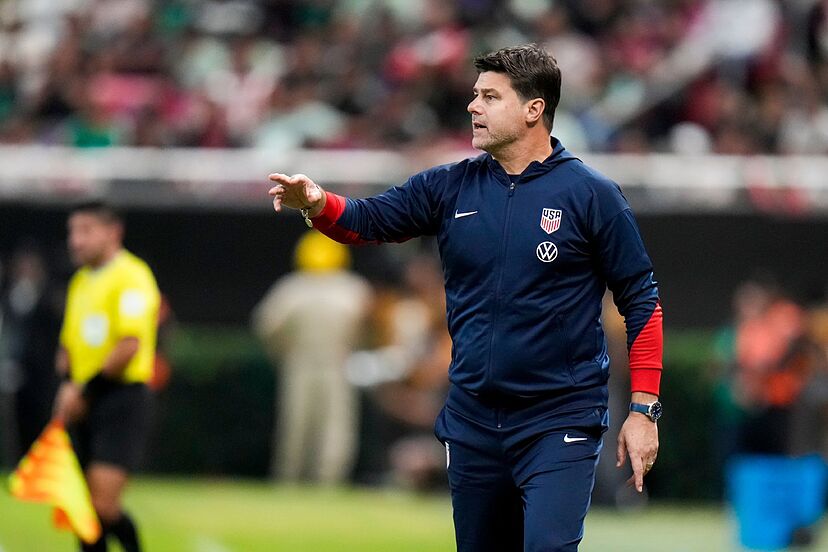
United have acted on Carrick. They have not yet completed the next appointment. Keeping those two facts separate matters, because the club's official decision is a certainty and the reported succession plan still contains contractual and logistical steps. Director of football Jason Wilcox led the review of the team's form and, alongside chief executive Omar Berrada, took the recommendation to Sir Jim Ratcliffe, who oversees football policy. The leadership discussions included a meeting in Monaco, before the Glazer family joined the board-level approval of the dismissal.
That sequence tells supporters something about the hierarchy's judgment. The sacking was not simply an emotional response to an ugly draw or the latest hostile crowd reaction. It followed sustained discussion about whether the squad could improve under the existing staff, particularly after the heavy Bournemouth defeat and the subsequent three-match assessment. United publicly thanked Carrick for his service and acknowledged his success last season, while making clear they considered a change necessary to reach the club's objectives. Respect for a former player did not translate into continued confidence in the present coaching plan.
Mauricio Pochettino has emerged as the preferred candidate, with reports of a framework agreement between the parties. He is not, at the time of this article, confirmed as United's new head coach. Pochettino remains responsible for the United States men's team, having taken that job after his previous Premier League spells at Southampton, Tottenham and Chelsea. The reported release fee is approximately $10 million, equivalent to about £7.5 million, and bringing his staff would add to the cost. The decision is therefore both a coaching choice and a negotiation with another organisation that has its own commitments.
GOATIFY
GOATIFY Soccer
United's board is seeking another fresh start with a major Premier League coaching name. Shop GOATIFY Soccer designs for fans following every turn in the coaching story.

Kylian Mbappe – El Dictator Football Pullover Hoodie
A football fan design for everyday wear.
Shop Now ↗

Lionel Messi - GOAT Soccer Decal Gift Sticker
Add football personality to your favourite gear.
Shop Now ↗
Kylian Mbappe Ninja Turtles football/ soccer Mug
Add football personality to your coffee break.
Shop Now ↗
Bottlers FC Tottenham Hotspur Parody , Spursy Sweatshirt
A football fan design for everyday wear.
Shop Now ↗
Christian Pulisic – USMNT GOAT Muscle Shirt Tank
A football fan design for everyday wear.
Shop Now ↗That obligation is a significant part of the timetable. The United States have international fixtures scheduled this month and Pochettino cannot simply walk away from a national-team contract without the necessary agreement. United's own calendar offers little comfort. Liverpool are scheduled to visit on November 22, turning any handover into a race to communicate principles, restore confidence and select a balanced team. Even a smooth appointment would not allow a new coach to implement an entire playing identity in a few training sessions. A rushed announcement may satisfy the demand for clarity, but it will not compress the work required on the training pitch.
The names discussed during United's search show how many plausible routes the club has considered. Eddie Howe, available after leaving Newcastle in July, attracted interest, while Julian Nagelsmann was also explored in the football department. Pochettino represents a different proposition: a coach experienced in setting a collective pressing structure, working with high-profile attacking players and surviving intense scrutiny at Premier League clubs. His methods may provide a compelling starting point, but the attraction of a résumé is not a substitute for deciding which tasks must be solved immediately.
For United, a particularly important decision is how much freedom the next head coach will have to reshape the team's work without demanding another wholesale reset of the squad. The football leadership endorsed Carrick in May and is now preparing a very different technical direction before the year is over. If the club recruits another manager and then expects immediate improvement without aligning recruitment, physical preparation, player roles and longer-term planning, it risks repeating the pattern that has marked so many post-Ferguson seasons.
The manager-versus-structure debate is too simple if framed as either one individual at fault or the board entirely responsible. Carrick was accountable for the performances his team produced. Wilcox, Berrada, Ratcliffe and the owners are accountable for how the role was designed, how the summer transition was handled and how any successor will be supported. A credible Pochettino appointment would need clear authority, a realistic short-term brief and a consistent answer to what kind of team United intend to become. Otherwise the club may change the face on the touchline while preserving the same underlying instability.
The first repair is defensive control, not a new formation
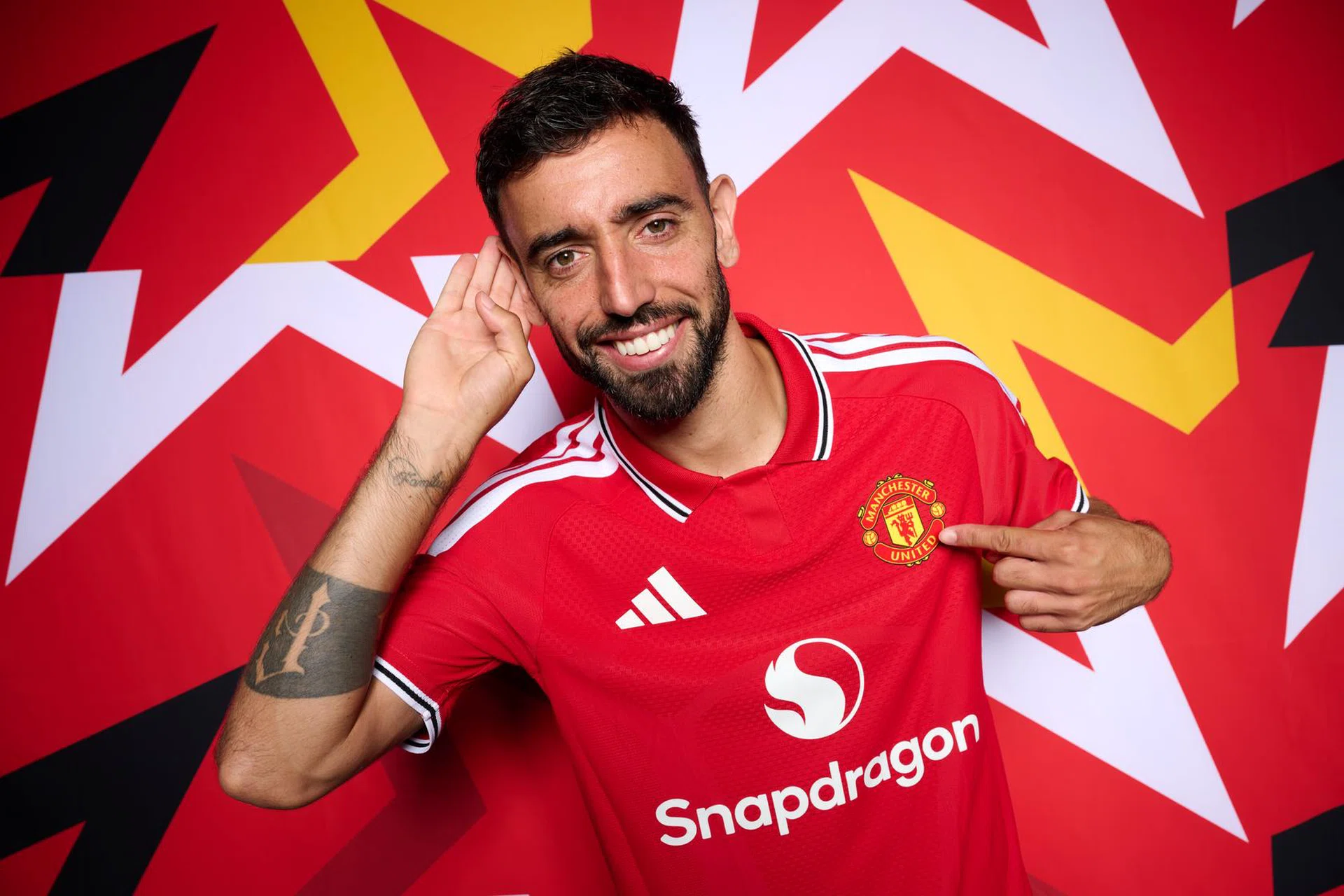
Manchester United are not merely lower in the table than expected. They are 18th, one point behind 17th-placed Coventry City, and must behave like a team facing a genuine relegation risk. The badge, the stadium and the wage bill do not award points. They cannot spare a defence from errors or transform a draw into a victory. Any new head coach, whether Pochettino or another appointment, has to accept that the priorities of a rescue mission are different from those of a long-term rebuild. The first measure of progress is whether United become difficult to beat, particularly in matches against direct league rivals.
That begins with clarity without the ball. Against Aston Villa, United's willingness to fight back kept them alive, but their inability to protect momentum repeatedly put them in danger. Against Bournemouth, the damage was heavy enough to intensify questions about the entire tactical approach. The coaching staff must identify which risks are worth taking and which open spaces make the team vulnerable as soon as possession changes. An adventurous full-back run or an aggressive midfield press can be useful when the rest of the team knows how to cover it. The same movement becomes dangerous when the distances between lines are uncontrolled.
There is a temptation, after any dramatic managerial change, to focus on a new formation as if numbers on a team sheet were the essential repair. The practical work is less glamorous. Players need consistent references for when to press, when to drop, how to protect the centre of the pitch and who tracks runners into the space behind an advancing teammate. The defensive line needs a shared understanding of where the pressure on the ball will come from. Midfielders need to know when a forward pass is a sensible gamble and when keeping the ball for another phase is the better decision. These details are teachable, but they require repetition and trust.
GOATIFY
GOATIFY Soccer
United need clearer defensive structure and better support for their creative players. Browse football-inspired GOATIFY designs as the club searches for stability.

Ralf Rangnick "United Need Open Heart Surgery" Hoodie
A football fan design for everyday wear.
Shop Now ↗
Kylian Mbappe Ninja Turtle Football Euro 2024 Tee
A football fan design for everyday wear.
Shop Now ↗
Ralf Rangnick "United Need Open Heart Surgery" Mug
Add football personality to your coffee break.
Shop Now ↗
New Oilcastle Newcastle United Parody Saudi Sweatshirt
A football fan design for everyday wear.
Shop Now ↗
Ralf Rangnick "United Need Open Heart Surgery" Sticker
Add football personality to your favourite gear.
Shop Now ↗
Bruno Fernandes remains a natural focal point because he can accelerate an attack with his passing, create opportunities from difficult positions and demand a response from teammates. His public criticism after the Como defeat also underlined that the senior players understand how serious the downturn has become. It would be a mistake to treat his creativity and the team's defensive balance as competing goals. A coherent structure can protect a playmaker while enabling him to take decisive risks in the right areas. The objective is not to remove imagination from United's football; it is to make sure mistakes do not leave the other ten players stranded.
One point from safety, two competitions and Liverpool next

There is also the difficult matter of managing two competitions. United are 17th in the Champions League standings, yet the domestic table creates the more urgent practical threat. A manager must balance European ambition with the need to collect points quickly in the Premier League, especially when a congested schedule can expose small tactical weaknesses and fatigue. Rotation cannot be an excuse for disorganisation. Nor can a single encouraging Champions League comeback be mistaken for proof that a league problem has vanished. The players must be able to carry a basic defensive and possession structure from one competition to the next.
The next fixture against Liverpool will attract enormous attention, but one marquee performance cannot tell the whole story. Even if a new coach produces an immediate surge, United will still have to handle the quieter, less forgiving matches that decide whether the gap to safety closes. That means making set-piece organisation, recovery after turnovers, game management when leading and patience when chasing a goal daily habits rather than occasional responses to crisis. The team that ended last season with 12 wins from Carrick's 17 games demonstrated that confidence can change rapidly. The lesson of the subsequent months is that confidence alone is insufficient if the underlying process does not survive setbacks.
Ultimately the new staff will need to combine urgency with restraint: demand more from the players without creating another atmosphere of panic, make tactical changes without confusing responsibilities, and reward performance without turning every selection into a public referendum on the club's future. Relegation-zone football punishes hesitation, but frantic constant reinvention can be just as costly. A stable platform, even an unglamorous one, is the first step toward giving United's attacking talent a chance to matter again. Only then can the wider promises of a new era carry any credibility.
Carrick's dismissal is a stark end to a story that began with a genuine sense of renewal. His January rescue mission delivered Champions League football and the permanent contract he appeared to have earned. The autumn exposed a much harsher reality: one league win in 11 and a position below the safety line, despite the resources and expectations attached to Manchester United.
Pochettino may be the next man entrusted with the rescue, but until United complete the necessary negotiations and announce him, he remains the leading reported candidate rather than the confirmed head coach. Even after any appointment, the problems do not evaporate. The squad needs a more reliable defensive base, steadier game management and a coherent plan for using its attacking talent without becoming exposed when possession changes.
The decisive question now belongs to the club's leadership as much as to its next manager. Replacing Carrick can reset the message; only a sustained run of better performances can reset the table. With Liverpool looming and Champions League pressure already present, United have very little space left for another false dawn.
GOATIFY
GOATIFY Soccer
Shop GOATIFY soccer and football shirts, hoodies and stickers.

Next Season FC Arsenal Parody Football London Hoodie
A football fan design for everyday wear.
Shop Now ↗
Next Season FC Arsenal Parody Football London Sweatshirt
A football fan design for everyday wear.
Shop Now ↗
Championshit Tottenham Hotspur Parody , Sticker
Add football personality to your favourite gear.
Shop Now ↗
Stop The Glazers From Ruining Manchester Mug
Add football personality to your coffee break.
Shop Now ↗