

Volkov Says UFC Heavyweight Gold Is Losing Meaning — Gane vs. Hokit Is His Proof
GOATIFYAlexander Volkov is fighting on one of the UFC's biggest cards of the year, yet the heavyweight title is somewhere else. The veteran contender meets Rizvan Kuniev at UFC 333 in Abu Dhabi on Saturday, October 24, while champion Ciryl Gane is already booked to face Josh Hokit at UFC 334 on November 14. For Volkov, the gap between those two assignments is not just an inconvenient piece of scheduling. It is a question about what the heavyweight championship is supposed to reward.
In a new fight-week interview, Volkov challenged the idea that holding the belt automatically identifies the best fighter in the division. His frustration is understandable: he has won six of his last seven bouts, his only defeat in that stretch was a disputed split decision against Gane, and he still finds himself fighting another contender while a less-established name gets the next championship opportunity. The more interesting issue is whether a victory over Kuniev can make his sporting case impossible to ignore—or whether the title race has moved beyond results alone.
Volkov is challenging what a UFC heavyweight championship represents

Volkov's complaint begins with a simple distinction: a champion possesses the title, but possession and universal recognition are not always the same thing. The UFC can award a belt through an official fight and still leave fans debating whether its champion has defeated the strongest available opposition. In heavyweight MMA, where injuries, long layoffs and a small pool of elite contenders complicate matchmaking, that argument becomes especially sharp.
Gane's path has given Volkov plenty to question. The French heavyweight emerged with the championship after high-profile opportunities against established stars, and he is now scheduled to defend against Hokit. Volkov has not argued that a sanctioned result should be erased. Instead, he is asking whether name recognition and spectacle have begun to count more than the body of work that traditionally earns a contender a shot. Those are different criticisms, and the second one reaches beyond any single fighter.
There is a legitimate counterargument. A promotion has to sell events, keep champions active and work around availability. Rankings are not an automatic tournament bracket, and the most marketable matchup can still be a serious sporting contest. Hokit is not disqualified from being dangerous simply because his résumé is shorter. Nor does a close loss guarantee the losing fighter an immediate rematch. The tension comes when those practical decisions repeatedly bypass a contender who keeps winning.
Volkov's six-wins-in-seven stretch is the strongest part of his case, but it is not a blank cheque. The disputed Gane decision remains a loss on his record, and other heavyweights have their own claims. What makes his comments significant is that he is questioning the mechanism rather than merely demanding a favor. If the heavyweight belt is supposed to signal the division's highest competitive standard, the route toward it needs to look defensible to fighters who have already proved they belong near the top.
The UFC does not have to adopt a rigid ranking rule to answer that criticism. It does need a credible explanation of how performance, timing and commercial appeal are weighed. Without one, every unexpected title booking becomes a referendum on the belt itself.

Gane vs. Hokit exposes the divide between opportunity and résumé
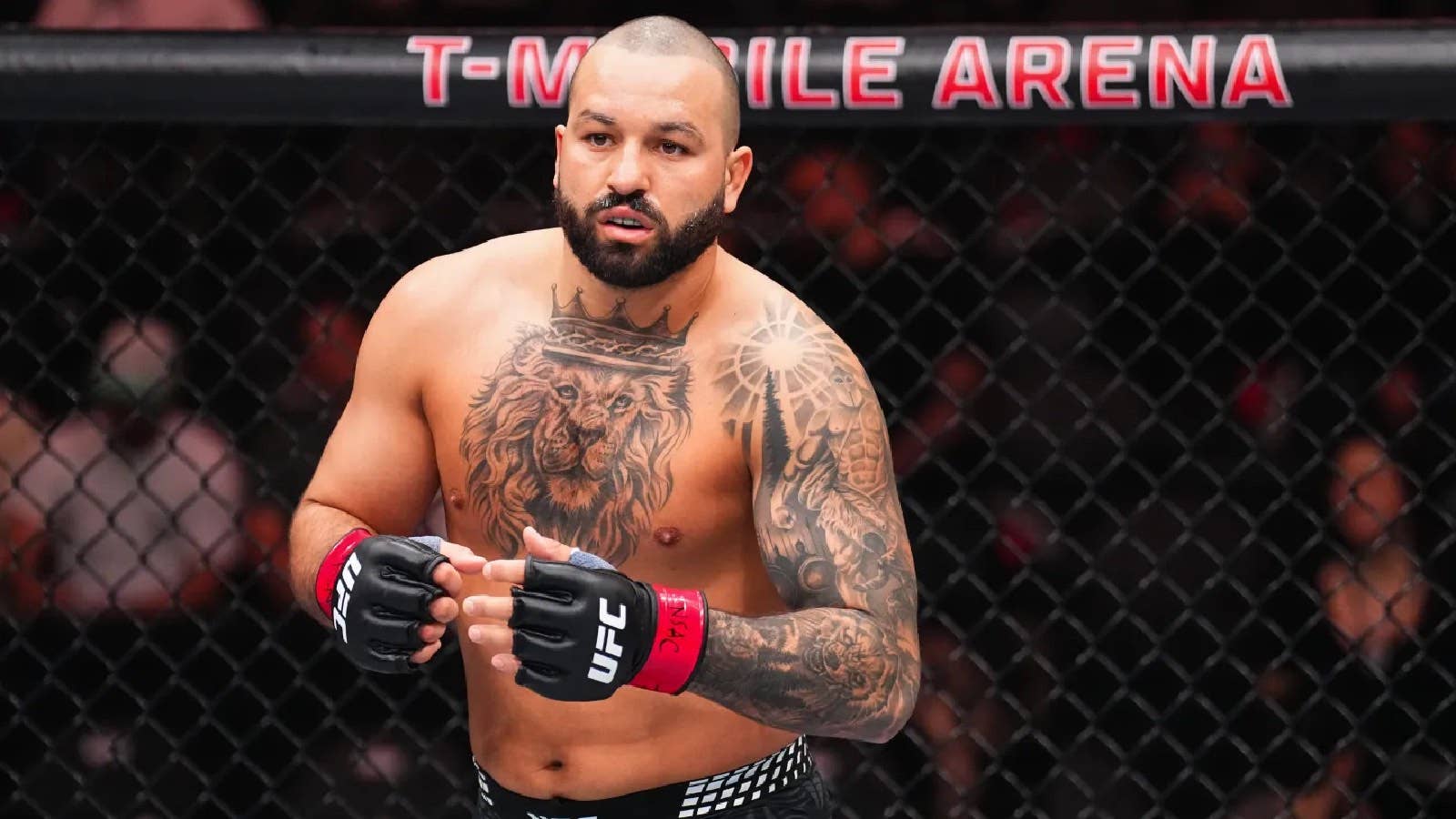
The immediate flashpoint is UFC 334. Gane's November 14 defense against Josh Hokit gives a rising heavyweight the kind of accelerated opportunity that an established contender like Volkov has been chasing for years. Hokit brings personality and momentum, and that can make a championship fight attractive. Volkov's objection is not that the challenger has no ability. It is that the comparison between their competitive histories appears to favor the veteran.
A shorter path to a title can be justified if a prospect has beaten the right opponents at the right moment, or if the higher-ranked fighters are unavailable. But those circumstances should be part of the explanation. Otherwise the decision looks like a reward for being visible, loud or easy to promote. In a division where one clean punch can transform a fight, the uncertainty of the result does not by itself establish that the matchmaking was merit-based.
The picture grows more crowded with Alex Pereira. The former two-division champion is scheduled to face Sergei Pavlovich at UFC 335 on December 12. Pereira is an enormous attraction and has already crossed weight classes successfully, but he is 0-1 at heavyweight entering that matchup. A win could nevertheless put him in the conversation for another championship opportunity. For Volkov, that creates a familiar problem: the queue can change dramatically while he is doing the work of defending his ranking.
This does not mean Pereira should be barred from the title picture. His striking credentials and championship experience matter, and a decisive win over Pavlovich would be meaningful. It does mean the UFC has several different currencies operating at once: rankings, current form, famous names, availability and potential pay-per-view appeal. Fighters naturally emphasize the one that best supports their own case. Fans deserve to know which one actually decides the next challenger.
Volkov's frustration also carries a strategic risk. Complaining about the system can attract attention, but it can make a fighter's next performance feel like a referendum on his relevance. A narrow decision over Kuniev may extend his streak without resolving the debate. A commanding display would make it harder to argue that he is merely waiting his turn. The champion's schedule is already set; Volkov is trying to influence what happens after it.
Kuniev is not a formality — and the matchup can rewrite the argument

The opponent standing in Volkov's way is not responsible for the matchmaking debate. Rizvan Kuniev arrives in Abu Dhabi with a chance to beat one of the division's most experienced and technically accomplished heavyweights. His opportunity is precisely what makes Saturday meaningful: if he wins, the conversation about Volkov being overlooked will have to be reassessed in light of a fresh result.
Volkov's advantages are familiar. He is unusually tall for the division, comfortable working behind long straight punches and capable of forcing shorter opponents to cross a dangerous distance before they can initiate offense. Over three rounds, his best path is often to make opponents restart attacks repeatedly rather than giving them the chaotic exchanges they want. He has also shown that his game is more rounded than the old caricature of a kickboxer who cannot survive sustained wrestling pressure.
Kuniev brings a different kind of problem. His physical strength, pressure and willingness to wrestle can turn a clean striking contest into a series of clinch and takedown battles. Earlier in 2026 he handled Jailton Almeida's wrestling attempts and earned an important decision, a result that underlined his ability to compete against experienced UFC opposition. The matchup is therefore not simply range against aggression; it is about who can dictate where the hardest minutes of the fight take place.
If Volkov keeps the contest at his preferred distance, his experience and volume can build a persuasive case across the scorecards. If Kuniev gets him moving backward, ties up his arms and forces prolonged defensive work, Volkov may struggle to create the kind of emphatic statement that title discussions reward. That is a tactical question rather than a prediction of an inevitable outcome.
There is also a trap in treating a spectacular knockout as the only acceptable answer. A measured decision can be a high-level performance if it reflects consistent control against a dangerous opponent. Volkov has said he intends to fight effectively rather than chase a particular highlight. That is sound competitive logic, even if it may be less useful in a title race where the loudest moment sometimes travels farther than the best three-round performance.
The timing matters. UFC 333 takes place before Gane and Hokit meet, so the heavyweight division will have a new result to consider before its next title defense. Volkov can strengthen his argument on Saturday, but he cannot guarantee how the promotion interprets it.

Dana White says Volkov is already in the mix — timing is the real test

Volkov's public challenge had already become a fight-week talking point before his latest remarks about the belt. During the UFC 333 press conference, he approached a microphone from the audience and asked how a fighter could earn a heavyweight title opportunity. The exchange looked awkward on video, with Dana White appearing to treat the veteran as an unfamiliar questioner and featherweight champion Alexander Volkanovski attempting to clarify who was speaking.
White later said he recognized Volkov and thought the exchange was a joke that would eventually produce a punchline. Whether viewers found that explanation convincing is less important than the substantive answer he gave. White acknowledged that Volkov is already a legitimate title contender and described the remaining obstacle as a matter of timing, not a shortage of qualifications.
That distinction offers Volkov some reassurance, but it is not a date or a contract. A fighter can remain in the mix indefinitely if every new booking pushes the next decision further away. Heavyweight matchmaking is especially vulnerable to this kind of drift because champions may fight infrequently, injuries can change plans and high-profile challengers can appear from outside the usual rankings path. Being close to a shot is only useful if the path eventually leads somewhere.
White also has a reasonable concern: he cannot promise a title fight before knowing who wins upcoming bouts and who will be healthy. A contender's strongest negotiating position is to keep winning while making his next matchup commercially attractive. Volkov appears to understand that reality. He recently agreed to a new multi-fight UFC deal, and he has framed his approach against Kuniev around executing the right tactics rather than forcing a knockout for promotional effect.
The pressure now runs both ways. Volkov has to defeat the man in front of him. The UFC, after publicly acknowledging his standing, has to show that repeated success still matters when the next heavyweight challenger is selected. A victory on Saturday would not make him the only possible choice. It would make the case for bypassing him again more difficult to explain.
That is why this story has outgrown a viral press-conference moment. The argument is about the difference between telling a contender he belongs and demonstrating it through the opportunities he receives.

Volkov has turned UFC 333 into a two-part test. The first is athletic: beat Kuniev without allowing the title-shot controversy to distract from a dangerous opponent. The second belongs to the promotion: decide whether a heavyweight contender's sustained record will be rewarded once the already-booked Gane–Hokit championship fight is settled.
There is room in MMA for star power, surprise contenders and fights that capture the imagination. There also has to be a believable connection between winning and moving closer to gold. Volkov's comments resonate because they expose that tension without proving that every controversial booking is wrong. If he delivers in Abu Dhabi, the next heavyweight title decision will tell us much more about the belt's direction than any argument at a press conference.
The next decision will also shape the incentive for every heavyweight watching. If consistent wins and difficult opponents remain meaningful, the division can accommodate big attractions without abandoning competitive credibility. If the fastest route is simply to become the most talked-about fighter, contenders will adjust their priorities accordingly. Volkov cannot settle that argument by himself, but a convincing performance against Kuniev would force the promotion to confront it with a real result rather than a hypothetical debate.

















