Doncic Drops 45 on Toronto — But the Lakers' 26-Point Lead Still Wasn't Safe
GOATIFYLuka Doncic's 45-point masterpiece against Toronto should have made the Los Angeles Lakers' Sunday night routine. Instead, their 131-125 victory became a strange mix of dominance and panic. Doncic collected 15 rebounds, six assists and five steals, hit eight three-pointers and helped Los Angeles build a 26-point lead. Yet the Raptors cut the margin to five late enough that Lakers coach JJ Redick had to put his starters back on the court.
It was a vivid picture of the Lakers' early-season contradiction. Their best basketball can overwhelm opponents, especially when Doncic controls the pace and Walker Kessler finishes around the basket. Their worst possessions give the ball away, invite transition attacks and turn a comfortable evening into an unnecessary emergency. The win counts, but the fourth quarter offered nearly as much to discuss as the star performance that made it possible.
45 Points, Eight Threes and Five Steals: Doncic's Complete Takeover

Some 45-point games are built on volume. Doncic's latest was built on the kind of efficiency that makes defensive adjustments feel futile. He hit eight of 12 attempts from beyond the arc, made all 13 free throws and finished with 15 rebounds, six assists and five steals. That combination meant he was shaping the game even when he was not taking the shot himself. Toronto could not simply choose to take away his scoring and live with everything else.
His opening quarter established the pattern. Doncic scored 16 points, hit four threes and helped Los Angeles race to a 36-23 lead. When the Raptors crowded the ball, his passing and the Lakers' interior movement created alternatives. When defenders stayed closer to their assignments, he had room to attack. By halftime, he had 24 points and eight rebounds, and the Lakers were ahead 66-54. A 38-point third quarter then stretched the advantage to 104-82.
The five steals deserve their own attention. Doncic is usually evaluated first through his scoring and passing, but this performance also showed more aggressive anticipation on defense. Steals can become immediate scoring opportunities, while defensive rebounds remove the need for a separate outlet pass. All 15 of his rebounds came on the defensive end. The combination allowed him to influence both the end of one possession and the beginning of the next.
There were imperfections. Doncic committed seven turnovers and collected five fouls, complicating his fourth-quarter usage. Those details matter because the Lakers ask him to carry so much offensive responsibility. Opponents can pressure his handle, force difficult passes and make him work on defense. When he sits, Los Angeles must have a credible alternative rather than hoping to survive until he returns.
Even so, the larger trend is unmistakable. He has scored at least 37 points in four consecutive games and has reached 40 or more in 20 of his first 98 regular-season appearances with the Lakers. This was not an isolated shooting explosion. It was another display of a player capable of forcing the entire defense to respond to his preferences. Toronto spent most of the night responding rather than dictating.

How a 26-Point Lakers Lead Became a Final-Minute Emergency
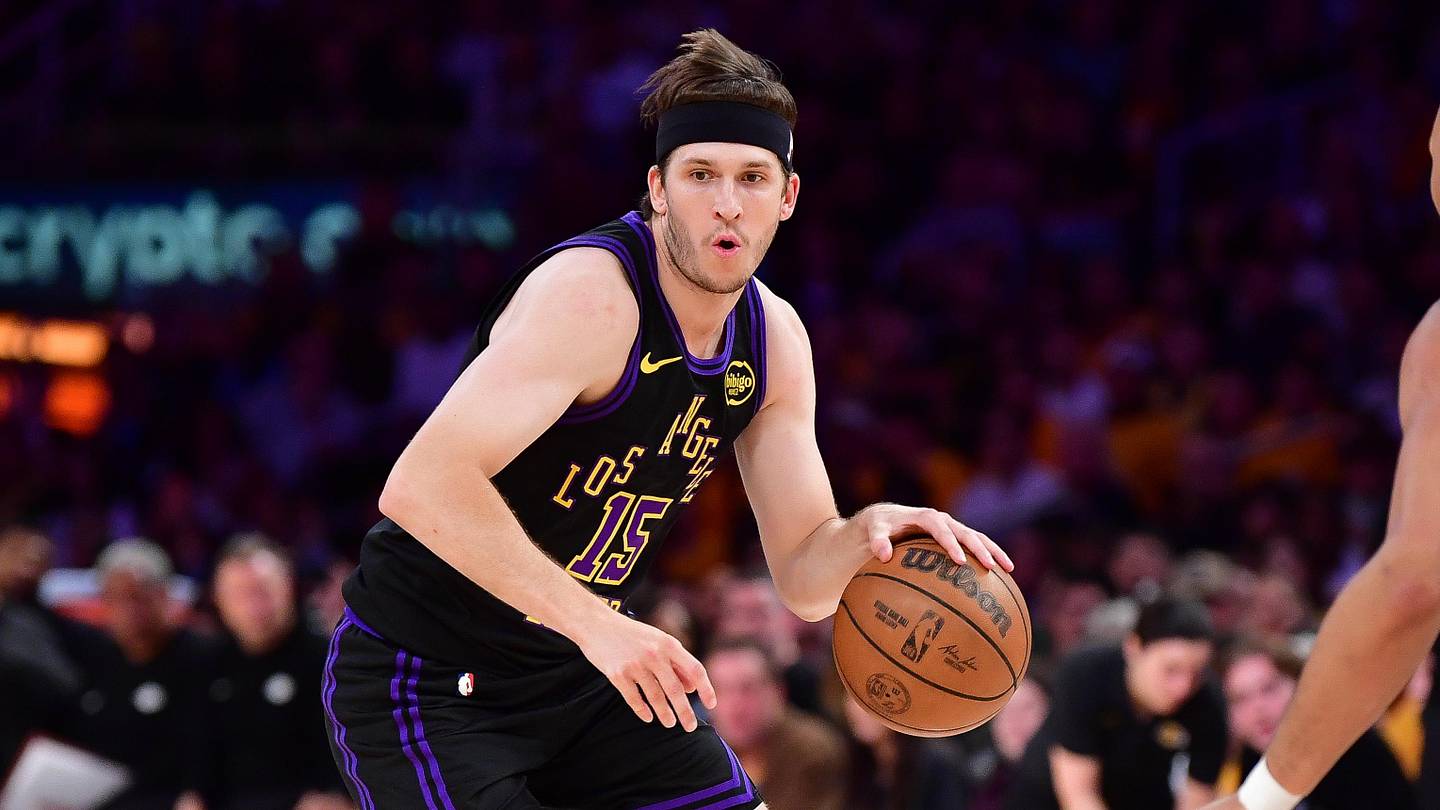
Los Angeles appeared to have finished the hard work before the fourth quarter. The Lakers led 102-76 late in the third, and the margin was still 22 entering the final period. Their offense had been efficient, their defensive activity had created extra opportunities and Toronto was struggling to keep up. This should have been the perfect response to the Lakers' painful defeat against Golden State, when they squandered a 25-point lead and lost by 17.
Instead, the Raptors scored 43 points in the fourth quarter while the Lakers managed only 27. Toronto initially reduced the deficit to single digits before Doncic and Austin Reaves helped restore some separation. Later, with Los Angeles leading 125-109 and 1:43 left, the starters were withdrawn. The visitors' reserves then scored 11 points in approximately 40 seconds, cutting the score to 125-120. Doncic, Reaves and Walker Kessler had to return to protect what had seemed a settled result.
That sequence exposed a problem deeper than a few missed shots. The Lakers committed 24 turnovers when team turnovers are included. Every giveaway offers an opponent a chance to score without first solving a set defense. The Lakers still shot 53.8 percent from the floor and 48.6 percent from three-point range, which is normally enough to win comfortably. But great shooting cannot erase unlimited mistakes with the ball.
It is tempting to dismiss the final scramble because the win survived. The pattern is harder to ignore after the Warriors comeback just two nights earlier. Against Golden State, a 25-point lead vanished completely. Against Toronto, a 26-point lead almost did. The outcomes were different, but both games featured extended periods when Los Angeles stopped managing possessions as carefully as it had during its strongest stretches.
The bench does not need to produce Doncic-level shot creation. It needs to protect the basketball, use the clock and get into organized actions instead of gifting opponents quick transition chances. Even a modest scoring pace should have been sufficient to protect a 16-point lead with less than two minutes remaining. A contender should not require its leading scorer to re-enter a game simply to restore basic order. The Lakers have the firepower; the question is whether they can develop the discipline to match it.

Kessler and Reaves Show How to Build Around Doncic
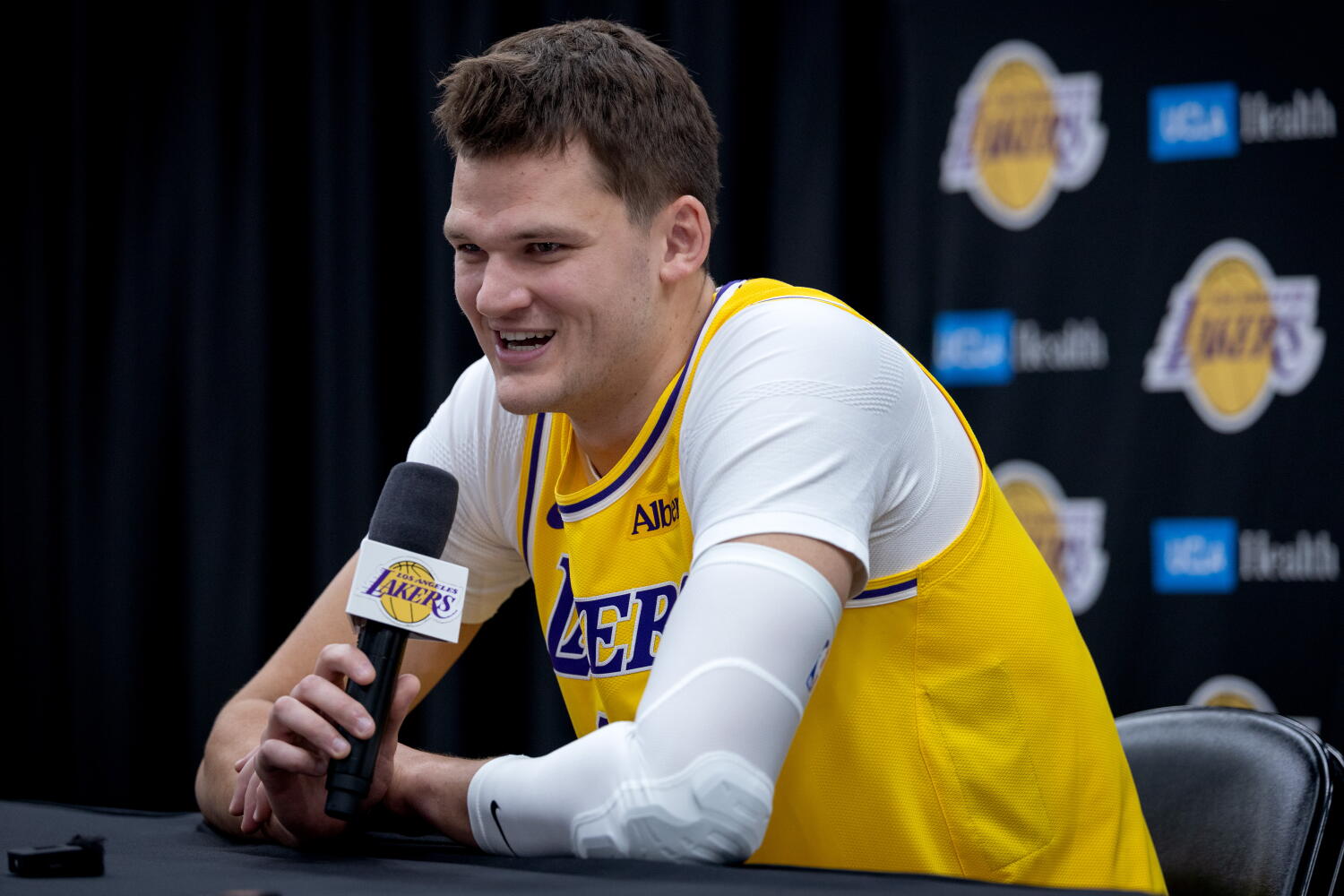
Doncic owned the headline, but Walker Kessler's contribution explained why the Lakers were able to create such a commanding advantage. The center scored 16 points on six-for-six shooting, pulled down 15 rebounds and blocked three shots. Five of his rebounds came on the offensive glass, creating additional opportunities, while his rim protection helped turn Toronto possessions into misses. Those contributions are especially valuable alongside a ball-dominant guard.
Kessler does not need a long isolation sequence to make a difference. A screen can create separation for Doncic, a quick roll can punish an overaggressive defender and an offensive rebound can rescue an otherwise wasted possession. When the Raptors sent extra attention toward the perimeter, his presence around the basket gave Los Angeles a simple counter. That makes the offense harder to predict and prevents the entire system from depending on difficult jumpers.
The relationship between a creator and a finishing center is often described through highlight dunks, but the less visible work matters just as much. Kessler's size forces defenders to consider the rim when they decide how tightly to guard Doncic. His rebounding reduces second-chance opportunities for opponents. His three blocks create a deterrent that can change shot selection even on possessions when he does not touch the ball.
Austin Reaves added 19 points and gave the Lakers another ballhandler capable of making decisions under pressure. He was part of the response when Toronto first cut the margin in the fourth quarter. That secondary creation is vital: a team built around Doncic cannot become completely static whenever he is on the bench or facing a double-team. Reaves can attack a rotating defense and keep possessions from dissolving into desperate late-clock attempts.
Collin Sexton contributed 14 points off the bench, illustrating that Los Angeles has several sources of offense. The question is whether those options can function together during substitutions. A collection of talented scorers is not automatically a reliable unit. Kessler's efficient finishing, Reaves' ability to create and Sexton's energy offer the ingredients for balance. The Lakers now have to connect those ingredients into a rotation that can sustain a lead without its superstar playing every critical minute.

Scottie Barnes Refuses to Fold as Toronto Exposes the Lakers' Weakness
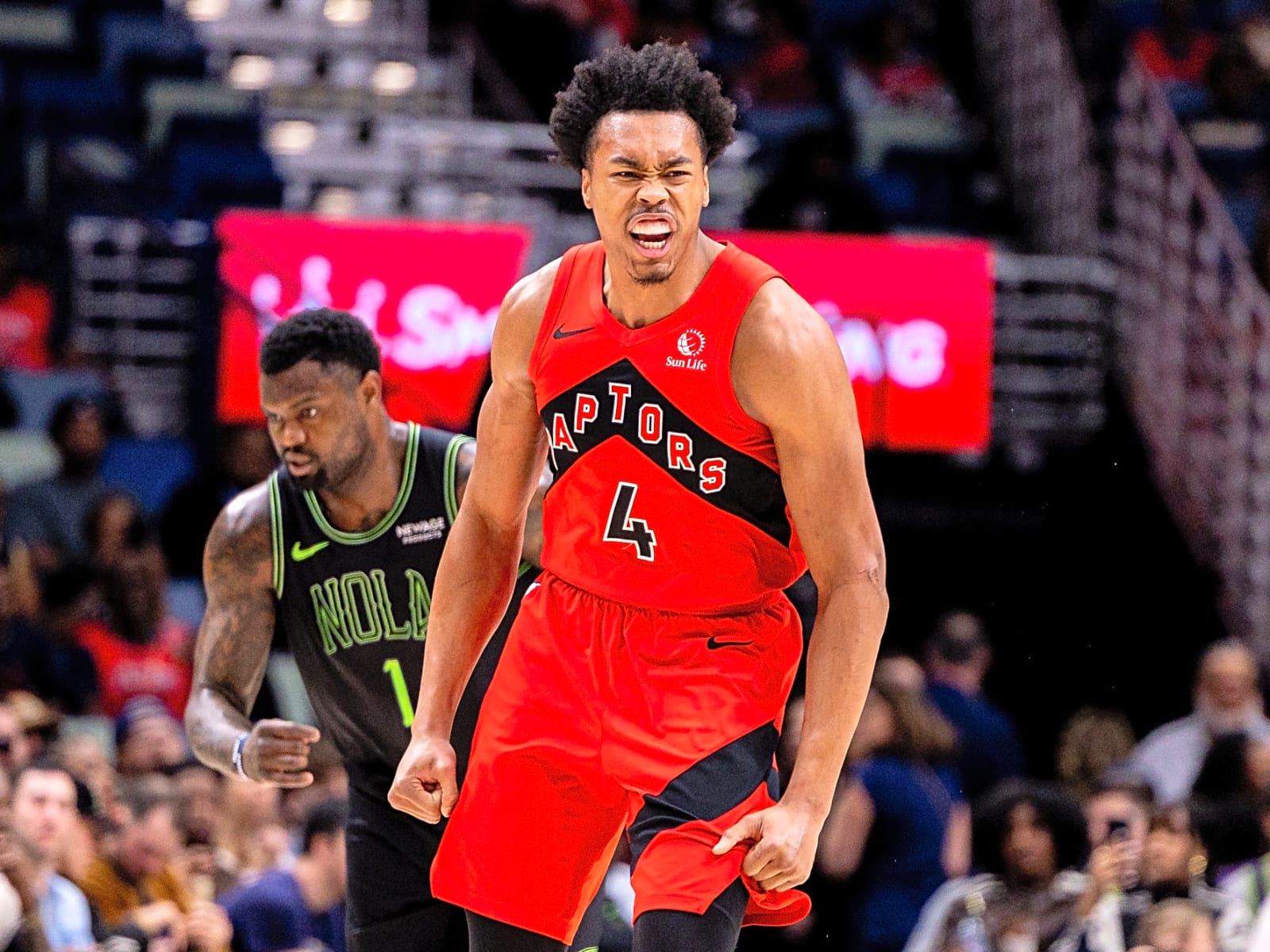
Toronto did not win, but the Raptors showed considerably more resistance than a 26-point deficit suggested. Scottie Barnes scored 29 points, RJ Barrett added 22 points and ten rebounds, and Jamison Battle supplied 20. Their collective response helped produce a 43-point fourth quarter, the kind of late offensive surge that can make an opponent feel every mistake. The visitors turned a potential blowout into a game that remained alive in the final minute.
Barnes was central to that fightback. His size and ability to operate in different areas of the floor give Toronto a way to manufacture offense when conventional actions stall. Barrett's double-double provided another dependable scoring option, and the reserves attacked aggressively when Los Angeles relaxed. The late push did not erase Toronto's earlier struggles, but it showed the roster still had energy and belief even after the game appeared lost.
The problem was the amount of damage already done. The Lakers scored 36 in the first quarter and 38 in the third. Toronto allowed Doncic to reach 37 points before the fourth quarter even began, forcing the Raptors to chase both the player and the scoreboard. Shooting 42.9 percent overall, Toronto needed extra possessions and an exceptional late burst just to threaten a comeback. That is not a sustainable formula against opponents with this much offensive talent.
Kawhi Leonard's absence also matters. He missed a fourth straight game with a knee issue, removing an important two-way player from a roster that would have benefited from another defender capable of handling high-level perimeter assignments. The Raptors have lost three of four since his injury. That does not excuse the early defensive breakdowns, but it changes the lineup options available when the opposition's best player is dominating.
The schedule will not give Toronto much breathing room. The Raptors next face the Clippers, while the Lakers host Miami. Toronto's task is to bring fourth-quarter urgency into the opening minutes rather than waiting until the deficit becomes enormous. For Los Angeles, the lesson runs in reverse: carry the focus of the first three quarters into the finish. Both teams can learn from the same game, even though only the Lakers emerged with the victory.
The Lakers will remember a spectacular 45-point night and another win, but they should not forget how quickly the game became uncomfortable. Doncic's offensive brilliance, Kessler's finishing and Reaves' support can create huge leads. Preserving them requires steadier passing, better clock management and a bench that does not surrender control.
Toronto's resistance was admirable, particularly from Scottie Barnes and the reserves. Still, the Raptors had to spend too much of the evening recovering from their early defensive problems. Los Angeles escaped with a 131-125 victory; the next step is learning to finish a dominant performance without needing a rescue operation in the final minute.