

Jimmy Butler Wants a G League Game. Steve Kerr Wants to Watch.
GOATIFYJimmy Butler has not played an NBA game since January, but he has already picked the setting he wants for his next competitive appearance. The Golden State Warriors star intends to play an actual game for the Santa Cruz Warriors, the franchise's G League affiliate, as he works back from a torn right ACL. Not merely a practice or a short visit to the training facility: Butler wants the scoreboard running and opponents trying to stop him.
The declaration is striking because NBA stars rarely make formal minor-league game appearances during rehabilitation. Butler even joked about having to argue with general manager Mike Dunleavy Jr. to make the plan happen. Head coach Steve Kerr, by contrast, is openly enthusiastic. Between their reactions lies the real story: one player's desire to compete, a medical process that cannot be rushed and a Golden State team that will eventually need his two-way presence.
Butler Wants a Real Santa Cruz Game, Not Just Another Workout
Butler's plan is unusually specific. In remarks reported November 13, the six-time All-Star said he intends to suit up for Santa Cruz and play in a G League game before returning to the Warriors. He did not present it as a ceremonial warmup, and he did not announce a confirmed opponent, minute allotment or date. Those are important distinctions: an intention is not a transaction, and a return-to-play schedule still depends on clearance and how the knee responds to progressive basketball work.
The forward tore the anterior cruciate ligament in his right knee during Golden State's January 19 game against Miami and underwent surgery in February. By the Warriors' September 28 media day, he had described an encouraging progression that included running and basketball activity. The next question is more demanding than whether he can shoot or dunk during an individual session. Can he sustain repeated possessions, absorb unpredictable movement, defend changing angles and recover between stretches of live play?
A G League assignment would give him a competitive environment without immediately dropping him into a full Warriors rotation. Santa Cruz plays real games, with its own standings, travel, scouting and players whose jobs depend on performance. Butler would not need to dominate a box score to gain something valuable: a short, medically approved stretch can test his timing, decision-making and reaction to defenders in ways a carefully scripted workout cannot duplicate.
The Santa Cruz organization has home dates through December, and its fan base would have an extraordinary attraction if Butler eventually appears. But neither the affiliate's calendar nor Butler's public excitement should be mistaken for a guarantee of an imminent debut. The club and its medical staff must decide whether and when a live competitive step makes sense. If the progression takes longer, the idea can remain alive without becoming a broken promise.
His characteristic humor made the announcement more memorable. When the possibility of front-office resistance came up, Butler joked about an exaggerated showdown with Dunleavy, his former Chicago teammate. That was banter, not evidence of an organizational dispute. Butler's agent also reacted to how the story emerged, but the substance is the player's willingness to take an unglamorous route if it gets him closer to playing again.
GOATIFY
GOATIFY Basketball
Browse GOATIFY Basketball styles while Jimmy Butler weighs a real Santa Cruz rehabilitation game.

Jalen Brunson – Real Hoppers Treat Muscle Tank
A basketball fan design for everyday wear.
Shop Now ↗


LeBron James – Iconic Chalk Toss GOAT Sticker
Add basketball personality to your favourite gear.
Shop Now ↗
Crying LeBron – NBA Basketball Crewneck Game Sweatshirt
A basketball fan design for everyday wear.
Shop Now ↗
Shaquille O’Neal GOAT - Shaq Basketball Coffee Mug
Add basketball personality to your coffee break.
Shop Now ↗There is a difference between wanting to return quickly and being willing to earn the return through smaller stages. Butler's proposal is interesting precisely because it chooses the second approach while sounding like the first. A star accustomed to the biggest NBA nights is volunteering for minutes in the development league, where the crowds, arena and competitive stakes look different but the basketball is still genuine.
Kerr Loves the Baseball-Style Rehab Idea—and the NBA Precedent Is Thin
Kerr's reaction removed any doubt that the proposal at least has vocal support from the bench. The Warriors coach said the idea made sense and welcomed the prospect of Butler surprising the Santa Cruz crowd. He also said he would try to attend if the NBA schedule allowed. That enthusiasm matters because it shifts the conversation from a star's offhand joke toward a serious discussion of how teams can stage the final steps of a long rehabilitation.
The comparison Kerr reached for was baseball. Major League Baseball routinely uses minor-league rehabilitation appearances, where established players can test themselves in actual games before returning to major-league competition. The NBA has no identical culture. Teams commonly use the G League for player development and practice assignments, but sending a name-brand star into an official affiliate game is a much more unusual spectacle.
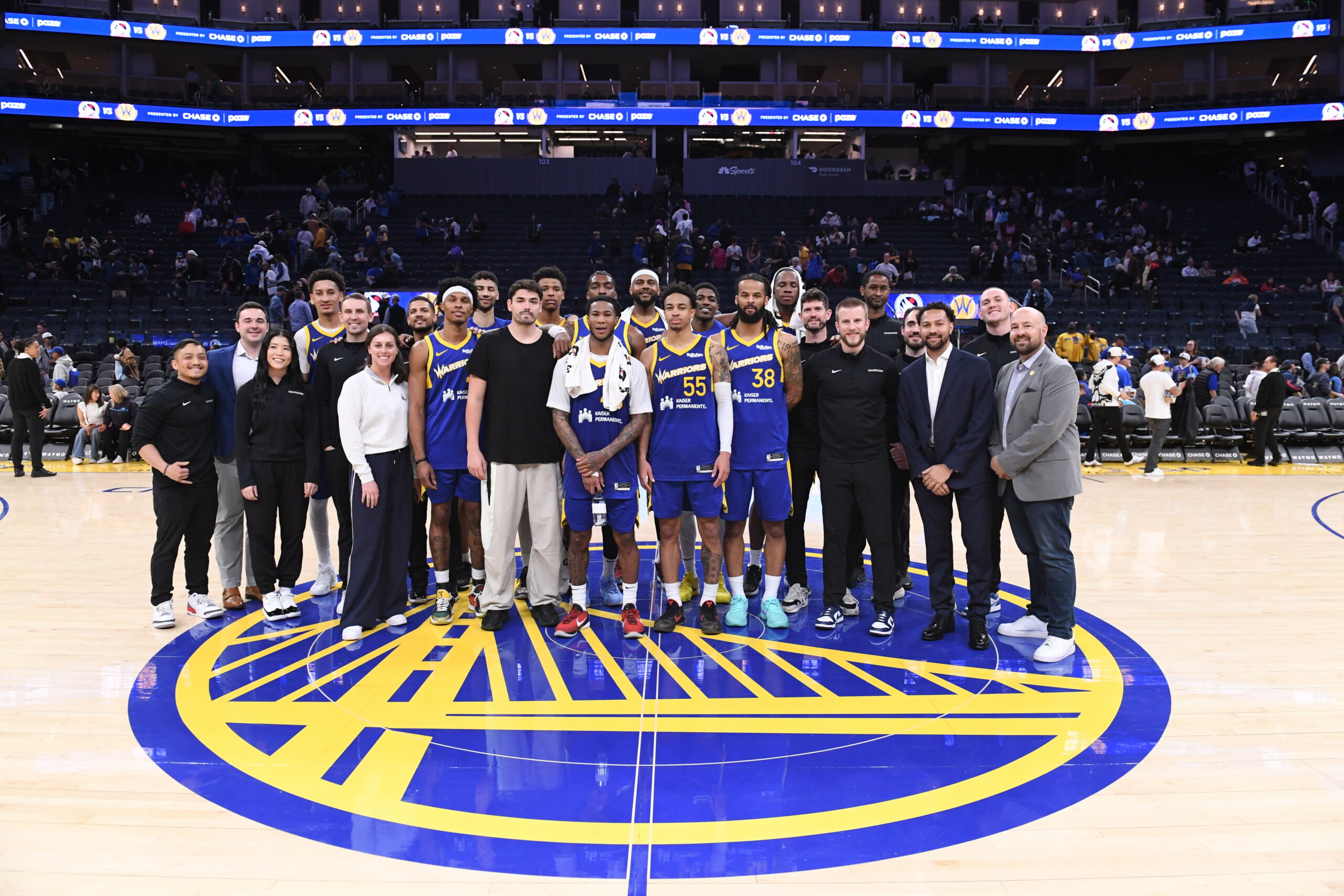
Golden State already knows the training version of that arrangement. Stephen Curry and Klay Thompson have practiced with Santa Cruz while working through injuries in past seasons. Practice gives an NBA veteran access to five-on-five repetitions and an environment outside the first team's game-day rotation. An official G League appearance adds referees, a real opponent intent on winning and decisions that can unfold differently from the team's training plan.
The broader NBA record also demands precision. It would be inaccurate to claim nobody with a significant NBA résumé has ever played a G League rehabilitation game: veteran center Serge Ibaka completed a four-game assignment in 2021. Butler's case would still stand out because of his star profile, recent impact and public insistence on doing it. The intrigue is rarity, not an invented first-ever milestone.
A live minor-league stop is not automatically safer or better than controlled team practices. Its usefulness depends on exactly what the medical and performance staff need to measure, how many minutes Butler can appropriately handle and whether an affiliate game actually fits the rehabilitation sequence. Coaches may love the competitive spirit while physicians and trainers take a more cautious view of the next step. These positions are not necessarily in conflict.
Kerr's endorsement is also personal. Butler has remained a noisy presence around the Warriors even while he cannot play, bringing humor to the bench and helping younger teammates. The coach's positive response reflects that personality: Butler is unlikely to see a Santa Cruz appearance as a loss of prestige. For fans and prospects, having a proven playoff creator on the court even briefly could make an ordinary G League night feel exceptional.
Golden State Needs Butler Back—but a Date Would Be False Precision
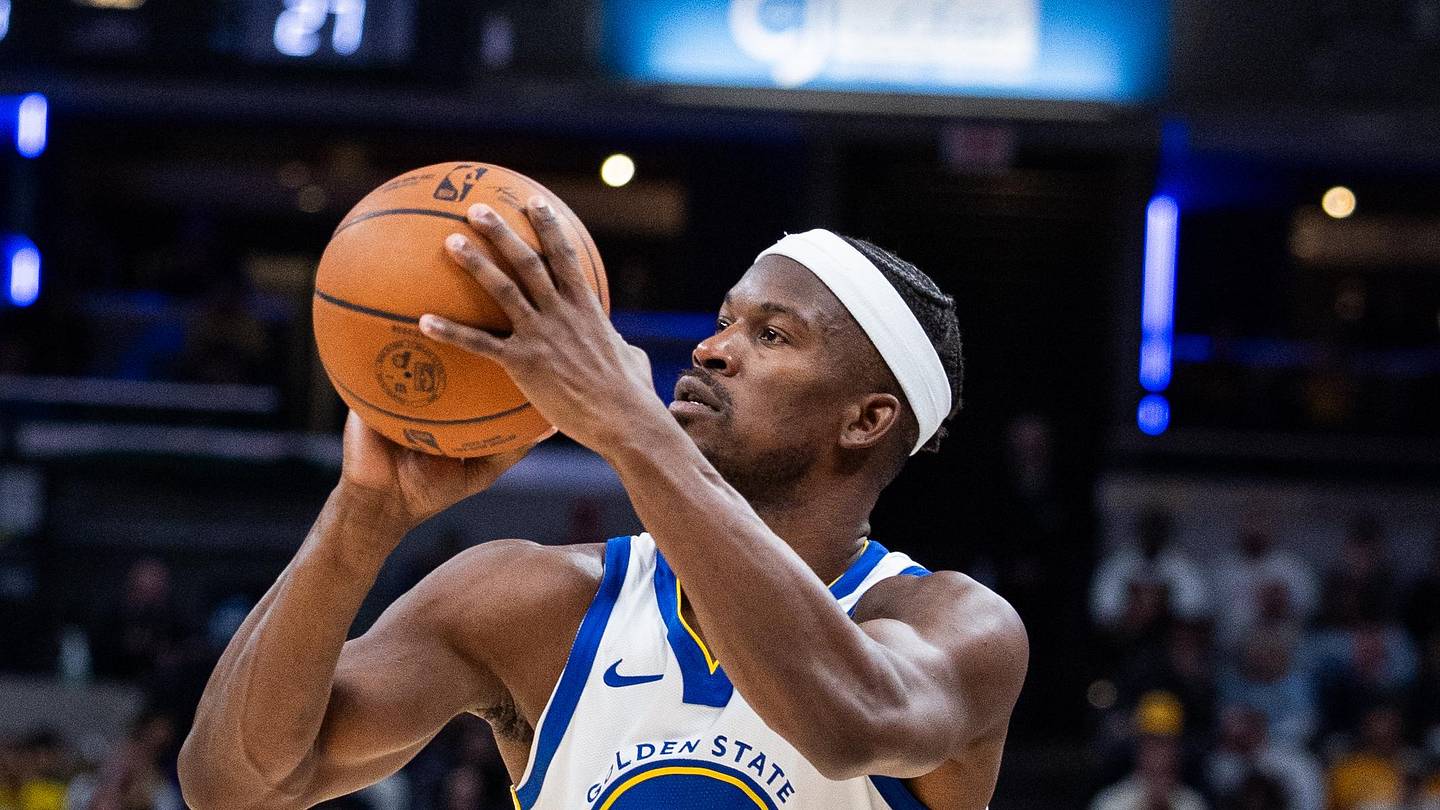
The urgency around Butler is real even if the precise return date is not. Before the ACL injury ended his 2025-26 season, he was averaging about 20 points, 5.6 rebounds and 4.9 assists in 38 games. Those numbers only sketch his role. Butler can slow a frantic possession into an efficient one, seek free throws, create from the elbows and guard physically on the wing. He gives Golden State a second experienced decision-maker beside Curry rather than simply another scorer.
GOATIFY
GOATIFY Basketball
Find GOATIFY NBA gear as Steve Kerr explains why a G League tune-up can make sense.

Basketball Stephen Curry GOAT Champion Trophy Sticker
Add basketball personality to your favourite gear.
Shop Now ↗

Kevin Durant G.O.A.T. - Basketball - Greatest Hoodie
A basketball fan design for everyday wear.
Shop Now ↗
Wilt Chamberlain G.O.A.T. - Basketball Muscle Tank
A basketball fan design for everyday wear.
Shop Now ↗

The 2026-27 Warriors have already experienced both ends of early-season volatility. They recovered from an 0-3 start and won eight consecutive games, then lost 115-108 to Houston on November 11 as Curry departed with an abdominal injury. Subsequent reporting indicated an oblique tear and a reevaluation window of at least two weeks. The team has also navigated absences involving Moses Moody and Kristaps Porziņģis. None of those injuries changes Butler's knee healing timetable, but together they amplify how valuable his eventual availability would be.
At 37, Butler is not returning to a blank slate. His value comes from the habits that make Stephen Curry's offense harder to load up against: reliable drives when defenses chase shooters, measured decisions when transition options vanish and the ability to defend an opponent's primary wing without asking Golden State to change its whole scheme. In tight games those are possessions the Warriors cannot recreate by simply assigning more shots to a younger player.
Yet putting Butler into a meaningful G League contest would not, by itself, prove that he can carry a normal NBA workload. Medical clearance for limited competition, tolerance for postgame recovery and readiness for repeated NBA travel and physicality are related but different judgments. An appearance might last only a short spell. It might produce no memorable statistics. Success should be measured by whether it advances a responsible return, not whether he can overpower a developmental-league defender.
There is also an organizational balancing act. Santa Cruz coaches must keep running a team, Golden State's staff must coordinate the assignment and the player must accept a workload designed around recovery rather than performance. The Warriors cannot treat the affiliate as a stage for a publicity moment if the game does not match a medical plan. Butler's declaration adds attention to that conversation, but it does not replace those decisions.
For the moment, the most useful signal is how Butler frames the road back. He is not demanding to jump directly into the first team's most difficult matchup. He is willing to play a smaller game before the biggest ones. If the medical milestones align, that could give Golden State a sensible bridge between practice and an NBA return—and give Santa Cruz a night its fans will not soon forget.
A Santa Cruz appearance would be unusual enough to draw headlines, but the milestone Butler is chasing is not the G League box score. It is the ability to compete, recover and do it again for Golden State. Kerr has embraced the idea. Butler has made his preference unmistakable. What remains unresolved is the only part that cannot be settled by a quote: when the basketball and medical conditions are right.
Until a date is formally scheduled, this remains a plan rather than a confirmed assignment. If Butler eventually checks into a G League game, the spectacle will be a bonus. The more significant result would be a clearer path for a Warriors team waiting to get one of its most important players back.
GOATIFY
GOATIFY Basketball
Shop GOATIFY basketball shirts, hoodies and stickers.


Kevin Durant G.O.A.T. - Basketball Decal Sticker
Add basketball personality to your favourite gear.
Shop Now ↗
Stephen Curry G.O.A.T. - Steph Curry Greatest Tee
A basketball fan design for everyday wear.
Shop Now ↗


Basketball Stephen Curry GOAT Champion Muscle Tank
A basketball fan design for everyday wear.
Shop Now ↗



















