Shohei Ohtani Is Batting Fifth — the Dodgers Are Done Waiting for the Offense
GOATIFYThe Dodgers did not make a cosmetic lineup tweak for Game 3. They moved Shohei Ohtani to fifth, his lowest starting spot since 2020, because a lineup built around superstars has spent the first two games of the NLDS failing to create runs when they matter most.
With the series tied 1-1 and Chris Sale waiting in Atlanta, Dave Roberts chose matchup pressure over reputation. Ohtani's move, Miguel Rojas starting at second and Kiké Hernández taking third all point to the same problem: Los Angeles has power, but it needs better at-bats and more traffic against an ace who held this lineup to three runs in 16 regular-season innings.
Moving Ohtani is really about solving Chris Sale

The headline is Ohtani batting fifth, but the reason is bigger than one player's slump. Los Angeles entered Game 3 without a hit with runners in scoring position in the series. Through two games, the Dodgers had only 10 plate appearances in those situations, which means the problem has been both conversion and creation. Home runs have supplied most of the damage, while sustained innings have been rare.
That is a dangerous formula against Sale. The left-hander finished the regular season as Atlanta's most reliable starter and already shut out Los Angeles in August. The Dodgers know they cannot wait for one mistake in the middle of the plate and assume a solo homer will be enough. Moving Ohtani down is an attempt to change the shape of his plate appearances: instead of asking him to ignite every inning from the top, Roberts can put Mookie Betts, Freddie Freeman and the hitters ahead of him in position to create traffic first.
There is also a health and rhythm component. Ohtani's September injured-list stint interrupted a season in which he had already stopped pitching, and his offensive timing has not fully returned. Roberts had openly discussed moving him from the leadoff spot before Game 3. Dropping him all the way to fifth is aggressive, but it does not reduce his importance. If anything, it puts more emphasis on run production when the top of the order does reach base.
The gamble is that fewer first-inning plate appearances are outweighed by better leverage later. In a short series, that is not an abstract tradeoff. The Dodgers are effectively in a best-of-three now, and Sale is the exact kind of pitcher who can make one wasted scoring chance feel enormous.

Rojas and Hernández show how aggressive Roberts is willing to get
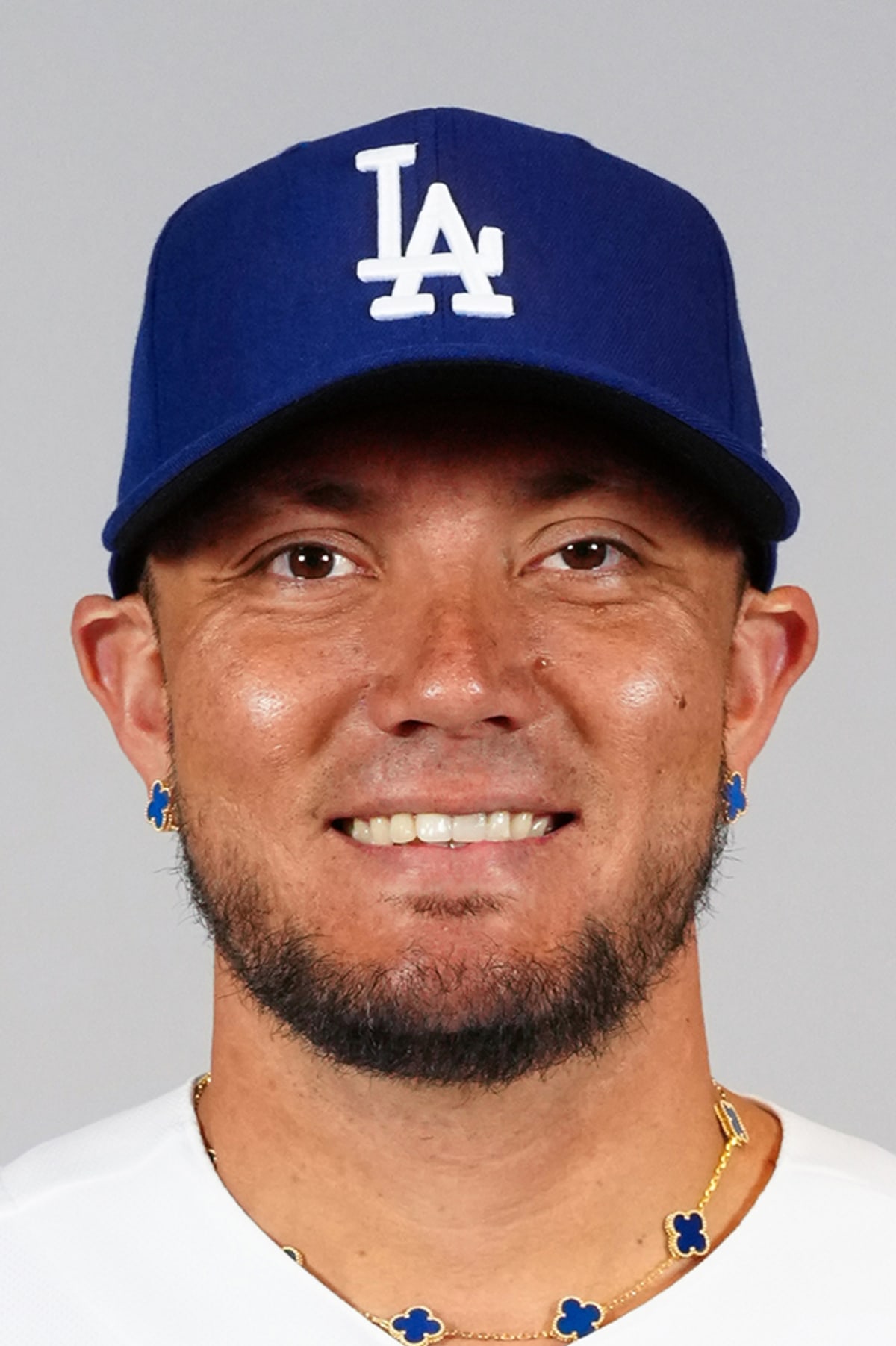
Roberts did more than move Ohtani. He built the bottom half of the order around right-handed options against Sale. Miguel Rojas starts at second after batting .293/.340/.469 with a 121 wRC+ against left-handers during the regular season. Kiké Hernández starts at third in place of Max Muncy, another move designed to make Sale work through a lineup with fewer obvious platoon advantages.
Rojas is especially interesting because the choice is not based only on handedness. He doubled against left-handed opener Ray Kerr in Game 2 and has already seen Sale plenty over his career. Tommy Edman normally handles lefties well, but his late-season form has been poor, and he struck out in all three plate appearances against Sale in their August meeting. October lineups are supposed to be less sentimental than regular-season lineups, and this is Roberts acting on that principle.
The larger question is what happens when Atlanta turns the game over to its bullpen. Muncy remains a dangerous bench weapon, and the Dodgers can reverse some of these platoon choices once Sale exits. That makes the starting alignment less permanent than it looks. Rojas and Hernández are being asked to help Los Angeles survive the early innings, force Sale's pitch count upward and create a game where Roberts can deploy his left-handed power later against more favorable relievers.
Execution still matters more than the card. The Dodgers can rearrange Ohtani, Rojas, Hernández and Muncy, but no lineup order fixes poor swing decisions or empty at-bats with runners aboard. The useful part of the changes is that they acknowledge the series has reached the point where status cannot dictate opportunity. Los Angeles needs the nine hitters most likely to solve Sale today, not the nine names that looked best on paper in April.
Moving Ohtani to fifth will attract the attention, but Game 3 is really a test of whether the Dodgers can become less dependent on isolated power. If the top of the order creates traffic, Ohtani could get exactly the kind of high-leverage plate appearance the move is designed to produce. If Rojas and Hernández extend innings against Sale, the bench becomes more dangerous later.
Roberts has made the adjustment. Now the Dodgers have to prove the problem was fixable with more than a new batting order.