

Cashman Gets a 30th Yankees Season — Steinbrenner Blames the Players
GOATIFYBrian Cashman is staying in charge of the New York Yankees, and that decision makes the franchise's next challenge unusually clear. The longtime general manager said Wednesday, October 21, that he and the club have agreed on a new contract, with only minor details left to finalize. The agreement puts him on course for a 30th season running baseball operations in 2027. Manager Aaron Boone is also expected back. After another early postseason exit, the Yankees are choosing continuity at the top rather than a reset.
That is a significant vote of confidence, not an announcement that the underlying problems have disappeared. New York won 93 games in 2026 and eliminated Boston in the Wild Card Series, only to be swept by Tampa Bay in the American League Division Series. The Yankees have not won a World Series since 2009. A franchise that measures itself by championships has now spent 17 seasons chasing the next one while many of the same decision-makers remain in place.
Owner Hal Steinbrenner believes the roster was good enough to contend and has put the greater share of responsibility for October's failure on player performance. That argument can be true in a narrow sense without settling the larger question: what changes when the architect, manager and expectations all stay the same? Cashman's extension makes the coming offseason a test of whether a familiar leadership group can produce a different result.
Cashman's 30th season: winning records, but a 17-year title drought
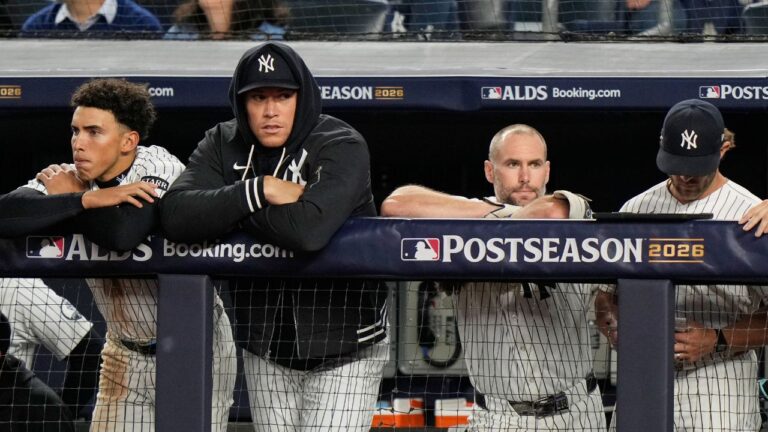
Cashman's longevity is extraordinary in a business built around short memories. He became Yankees general manager in February 1998, when George Steinbrenner owned the club, and his teams have not endured a losing season during his tenure. The early years brought World Series championships in 1998, 1999 and 2000. A fourth followed in 2009, and the organization has collected seven American League pennants and 15 division titles with Cashman in the role. Those are not empty accomplishments, and they explain why ownership continues to trust his ability to build a competitive roster.
But the calendar changes how that résumé feels. The first three championships are now more than a quarter-century old. The last one came in 2009, when Joe Girardi managed the team. Under Boone, New York reached the 2024 World Series but lost to the Dodgers, then followed consecutive regular seasons of 94 and 93 wins with Division Series eliminations in 2025 and 2026. The regular-season floor remains high; the championship ceiling has been much harder to reach. That tension sits at the center of every debate about whether the Yankees should have changed leadership.
Cashman and Boone have worked together since Boone took the managerial job for the 2018 season. Their partnership has delivered consistent relevance, a postseason berth in eight of Boone's nine seasons and a .583 regular-season winning percentage for the manager. It has not delivered the final step. Keeping the partnership intact is therefore more than an endorsement of two individuals. It is a statement that ownership sees the path forward as improving execution and roster details rather than changing the philosophy of the entire operation.
There is a defensible baseball case for stability. A front office that wins around 90 games almost every year has repeatedly shown it can acquire talent, develop depth and survive a long schedule. Postseason series are short and volatile. Even excellent teams can disappear in three games. The harder counterargument is that a championship organization cannot treat repeated offensive breakdowns, defensive mistakes or roster imbalances as random events forever. At some point, the pattern itself becomes evidence worth examining.
Cashman's new agreement was described as settled in principle rather than fully signed, and no salary or term was announced Wednesday. The distinction matters: his return is the news, not any speculative length or dollar figure. The pressure is also not going away because a contract has been agreed. The Yankees' standard has remained the same, and the distance from the last championship keeps growing.

Steinbrenner blames the bats while Boone gets another year
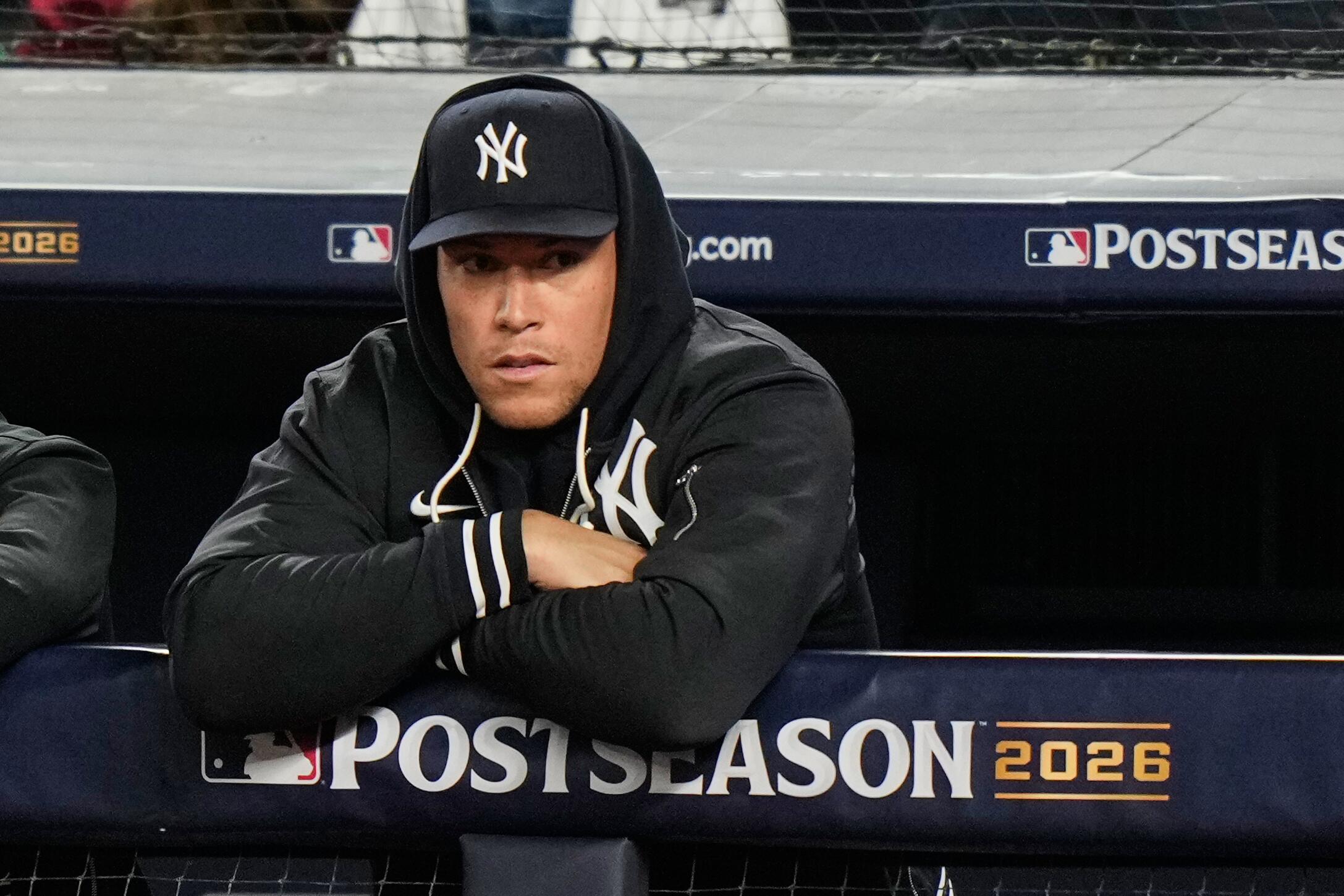
Steinbrenner's explanation for 2026 is unusually pointed. He praised the roster Cashman assembled and said he believed it was capable of winning a championship, while arguing that the position players did not perform when the stakes rose. He also defended Boone's handling of a pitching staff that dealt with injuries, rotation changes and an exhausted bullpen. In the owner's view, the coaching and front-office decisions were not the principal reason the season ended in the Division Series.
The results make the frustration understandable. The Yankees beat Boston in two Wild Card games, then lost all three games against the Rays. New York scored only five runs in that Division Series, and the lineup's collective production fell sharply. The club finished the regular season 93-68, good enough for second in the AL East, but a strong six-month record did not protect it against three quiet nights. That gap between regular-season strength and October output has become a defining part of the Boone era.
It would be too simple to say the offense alone explains everything. Injuries altered the shape of the lineup and the pitching staff. Aaron Judge missed much of the season with a rib injury and was unavailable for the postseason, removing a hitter who changes how opposing pitchers approach the entire order. Giancarlo Stanton also lost significant time. A team can survive those absences over months through depth and adjustments, but a short series exposes every missing impact bat more severely.
Boone, meanwhile, is expected to manage in 2027, the final season of his current contract. His regular-season record stands at 790-565, but his teams have not secured a World Series title and have a losing postseason record. The Yankees have reached October repeatedly under his leadership; they have also been sent home early enough that the same questions return each fall. Retaining him means management believes his day-to-day work still creates value, even if the public scoreboard that matters most has not changed.
The ownership stance raises an accountability question rather than answering it. Players absolutely have to hit, field and execute. But front offices choose those players, decide how much redundancy a lineup needs and determine which weaknesses can be tolerated. Managers set roles, adjust matchups and manage pressure. A fair evaluation should distinguish an isolated slump from a roster that is vulnerable to the same kind of slump repeatedly. New York's challenge is to learn from the latter without pretending every playoff loss proves the entire structure is broken.
Steinbrenner also said the franchise still operates with a World Series-or-bust objective. That is a demanding benchmark for any team in a 30-club league, but it is the benchmark the Yankees have chosen. If leadership remains unchanged, the obligation to identify and address specific weaknesses becomes sharper, not weaker.
Judge wants all-in — Cashman must fix health, depth and October offense
Aaron Judge has asked the Yankees to go all-in after another October disappointment. Brian Cashman has to decide how best to respond. The team needs more than an expensive headline acquisition: it needs a lineup that can score against strong pitching and a roster with fewer weaknesses. Judge's request also underscores the urgency of maximizing the championship opportunity around the club's established core.
New York invested heavily in Cody Bellinger, retaining him on a six-year, $162.5 million deal. That commitment shows the club was willing to spend. The next question is whether future resources should prioritize contact hitters, more depth or better defense. Strong regular-season numbers alone cannot settle that choice. A lineup that can overwhelm weaker opponents over six months can still struggle when elite playoff pitching exploits its weakest spots.
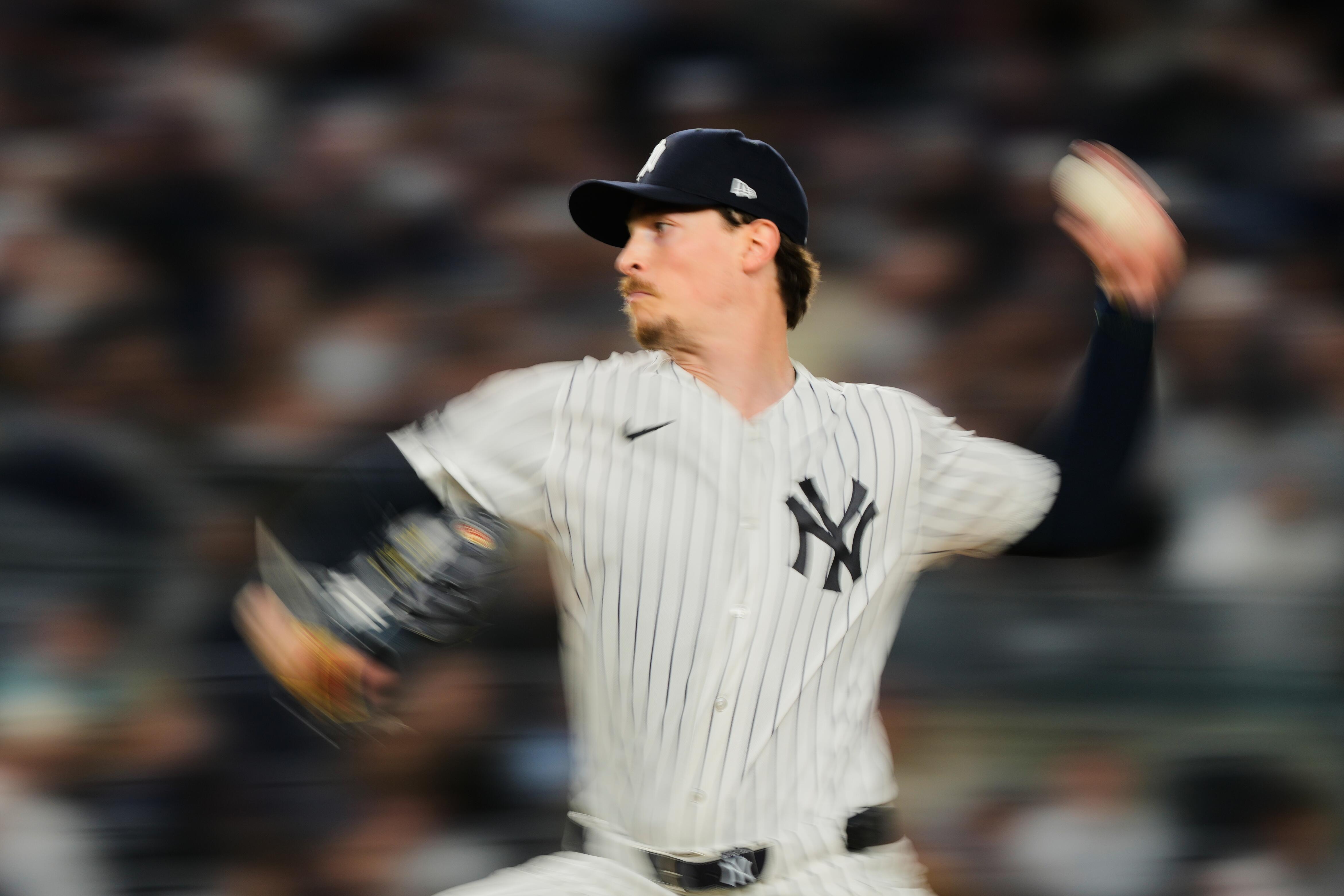
Pitching depth is another important part of the offseason. A manager can work around a short-term rotation problem, but repeated absences can strain the bullpen. Cashman must build enough reliable options to make the club competitive through the summer and resilient in October. The front office should examine not just its top starters but the number of credible alternatives available when a season takes an unexpected turn.
The Yankees also need to evaluate how they create runs without relying exclusively on home runs. More runners on base, better two-strike approaches, smart baserunning and reliable defense can help a club survive games in which its power disappears. None of those improvements is glamorous, but all become important when a postseason opponent can target the same vulnerabilities repeatedly.
Labor negotiations may create uncertainty about the timing of future transactions. Planning ahead, identifying alternatives and preserving flexibility will matter. Cashman's new contract gives him another opportunity to prove that a familiar front office can deliver a different result. The real test is not whether the Yankees enter next spring as favorites; it is whether the decisions made this winter give them a more complete path through October.

New York has made its leadership decision. Cashman is set for a 30th season as general manager, Boone is expected back, and Steinbrenner has publicly defended both men while faulting the team's October execution. There is a credible argument for preserving a front office that produces winning seasons so consistently. There is also a credible demand for more than another respectable record followed by an early exit.
The 2027 test is practical: restore Judge's health, protect the pitching staff, create a lineup that can generate runs when power disappears and build a roster with fewer obvious pressure points. The Yankees do not need to win every October series to prove that the plan is sound. They do need to show that the people staying in charge have learned something specific from the series they keep losing.
For Cashman, continuity is now both the reward for nearly three decades of success and the burden of a drought that will not be excused by another contract. The front office gets another chance. So does the question that has followed it since 2009: when will consistent contention finally become another championship?

















