

Verstappen Calls Austin's Bumps 'Unacceptable' — Norris Says He Needs Painkillers
GOATIFYMax Verstappen arrived in Austin chasing a third straight victory. Instead, one of his sharpest comments before the United States Grand Prix was about the circuit beneath his wheels — and what repeated impacts may be doing to the drivers above them. The Red Bull star called the bumps at Circuit of the Americas unacceptable, pointing to medical checks on his lower spine and questioning why surface repairs have not solved a problem competitors have raised for years.
The concern is bigger than one driver's discomfort. Lando Norris described taking headache tablets before driving certain circuits, while George Russell explained why modern Formula 1 cars have so little room to absorb a rough surface. COTA's celebrated layout now presents two tests at once: whether the track can be made safer over the long term, and how teams will find speed without punishing their drivers this weekend.
COTA's Bumps Are a Structural Problem, Not Just a Setup Quirk

There is a reason the Austin circuit can be both a driver's favourite and a physical ordeal. The 5.513-kilometre lap combines a steep climb to Turn 1, fast direction changes through the opening esses and slower corners that demand traction and stability. A car needs to be responsive in the fast sections without becoming too rigid when it reaches the rougher braking zones. That is a difficult compromise even on smooth asphalt; on an uneven surface, the margin shrinks further.
Verstappen's complaint is not that COTA has the character of an old-school venue. He specifically questioned the repeated reliance on surface grinding, arguing that the underlying movement has to be addressed rather than merely smoothing individual high spots. The Texas site's shifting ground is a longstanding engineering challenge. A cosmetic correction can make one year's racing line better while leaving the conditions that generate fresh undulations in place.
That distinction matters for the people responsible for the track. A full reconstruction of affected sections would be expensive, disruptive and more complicated than an overnight patch, but Verstappen's point is that repeated short-term repairs are not a durable answer. It also matters for the sporting contest: if a rough patch changes where a driver can brake or how a car lands after a bump, it can affect lap time, overtaking and confidence rather than merely ride comfort.
Friday's practice sessions will provide a more immediate measure of the 2026 surface. Teams will inspect plank wear, compare driver feedback and watch onboard footage for violent vertical movements. No single complaint proves a circuit is unsafe, and the governing body remains responsible for assessing conditions. Yet the convergence of technical and medical concerns makes this more than the usual pre-race argument about whether a venue is too demanding.

Verstappen's Spine Warning Turns a Racing Complaint Into a Health Question
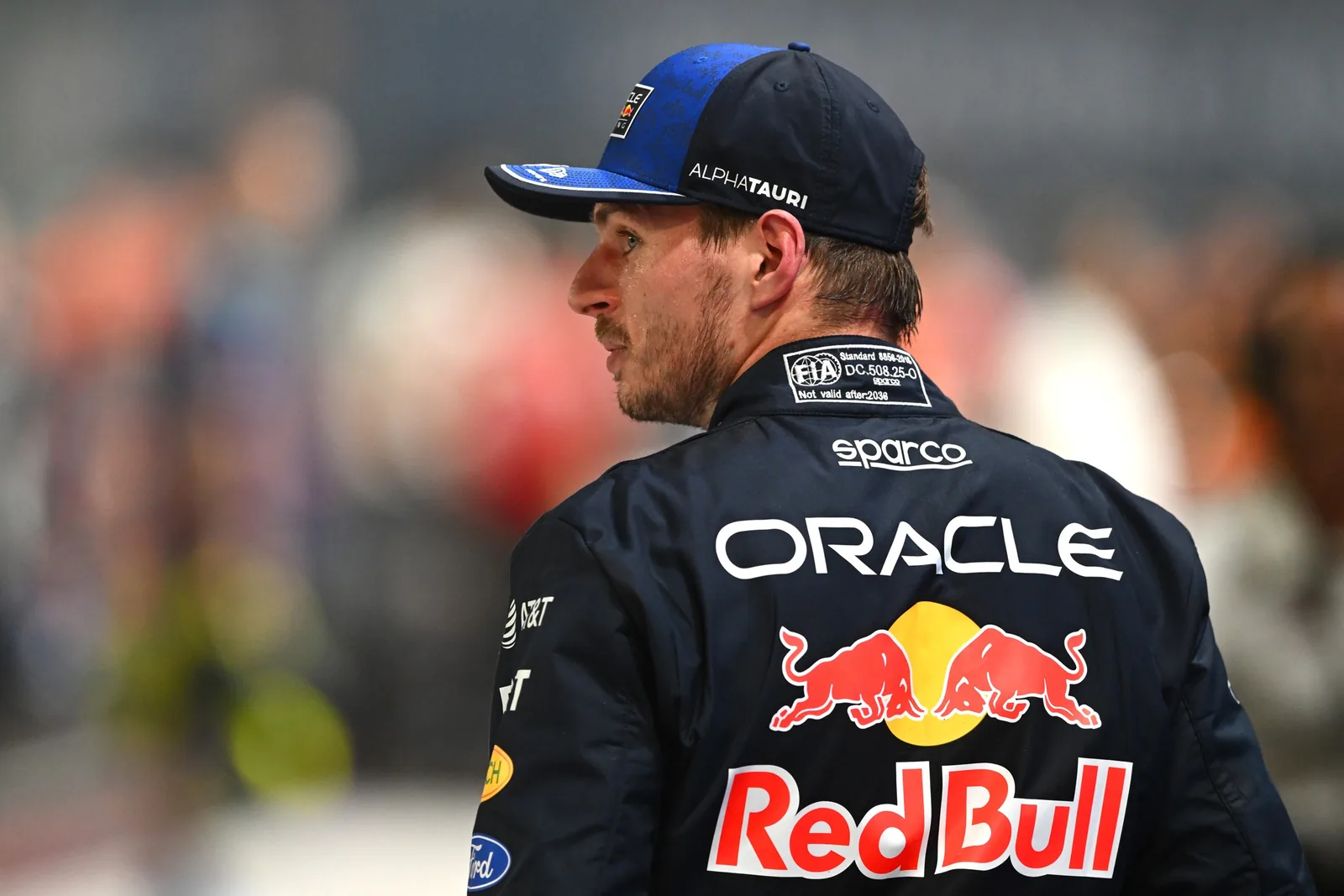
Verstappen's warning carried extra weight because he linked the track's bumps to his own medical checks. The four-time champion said the lower portion of his spine did not look good in examinations, and he believes the pounding of recent Formula 1 cars has contributed. That is his account of the findings, not a publicly released medical diagnosis. Still, it explains why his tone was unusually forceful for a driver who normally welcomes demanding circuits.
His argument also separates the risks drivers knowingly accept from avoidable stresses. High cornering loads, intense braking and cockpit heat are fundamental parts of the sport. Repeated vertical shocks from a surface that has been criticised for years are different: they are not necessarily required for a competitive race. A driver can accept the former while questioning whether the latter should remain an ordinary cost of competing.
There is a sporting irony here. Verstappen comes to Texas after consecutive victories in Malaysia and Singapore, his first two Grand Prix wins of 2026, and he has been one of Austin's most effective racers. The circuit has rewarded his braking precision and race management in the past. He is not asking for a track that removes the skill element; he is arguing that a brilliant layout should not have to rely on violent jolts to stay challenging.
The warning deserves to be considered carefully rather than sensationalised. The available remarks do not establish a specific injury caused by one lap or one event, and nobody outside the driver's medical team can measure the cumulative effects from a press conference. They do establish that a leading competitor has made a direct, personal case for more serious remediation. That should encourage a discussion based on measured forces, car data, track inspection and medical expertise — not simply whether a driver is tough enough to endure it.
Norris Takes Headache Tablets; Russell Explains the Mechanical Trap
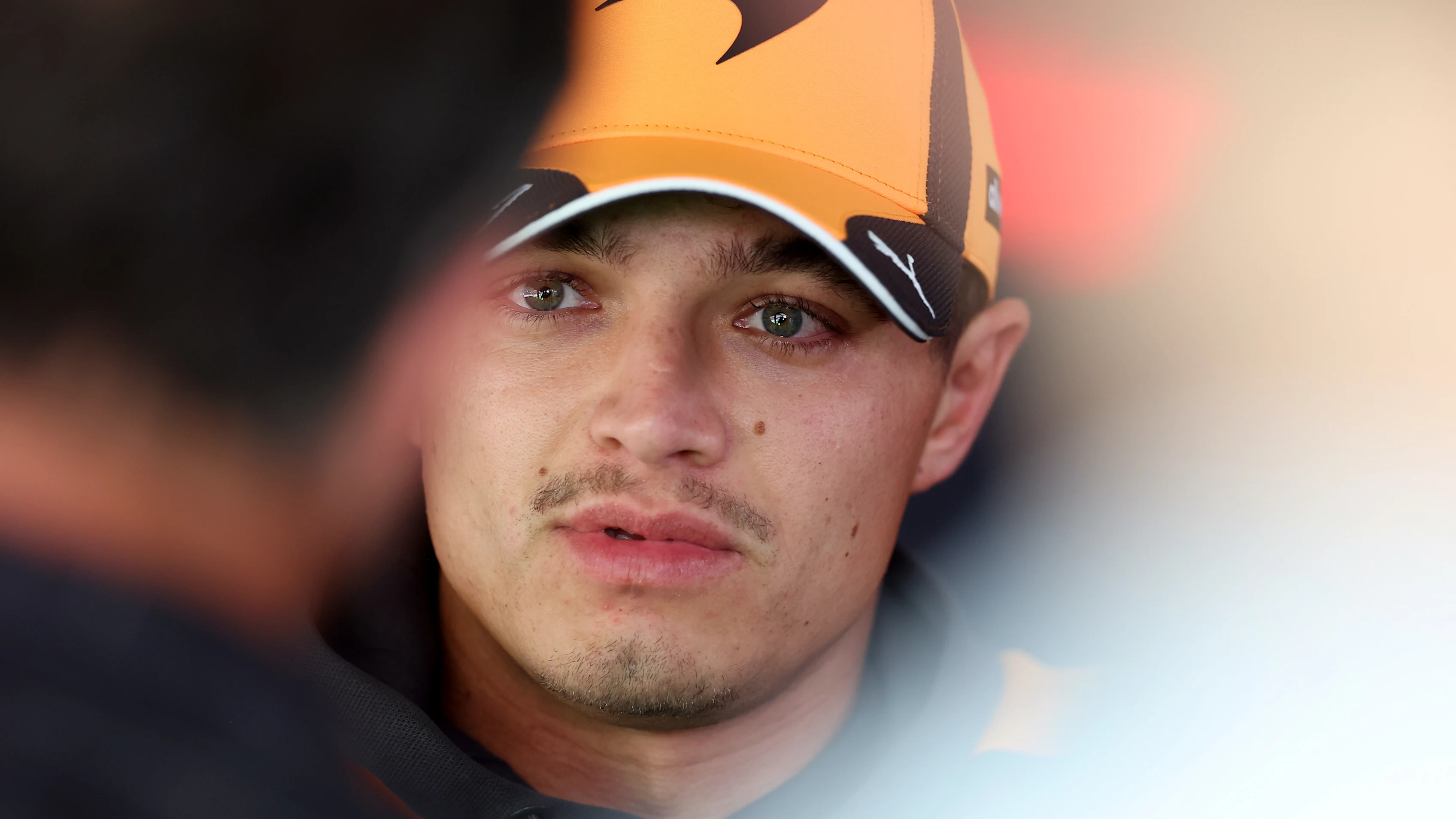
Verstappen was not the only driver describing the physical cost. McLaren's Lando Norris said he sometimes takes headache tablets before going out because repeated impacts can drive his head against the cockpit's supports. He also questioned whether an existing venue with COTA's current roughness would meet the tighter construction tolerances applied to a new circuit. His comments make clear that the problem is not confined to Red Bull's car or one driver's preferences.
George Russell was less absolute about the Austin bumps, describing them as part of racing, but he too questioned the deterioration of circuit surfaces. His explanation of modern car design is central to understanding why a seemingly small change in asphalt height can feel so dramatic. Formula 1 cars operate extremely close to the ground, particularly at speed, and the larger wheel rims used since the introduction of 18-inch tyres leave less compliant sidewall to absorb shocks than the older tyre designs.
The mechanical dilemma is straightforward even if the solution is not. Raising ride height can help a car clear a bump, but it may sacrifice aerodynamic performance. Softening suspension can make the car more compliant, but it can also compromise the platform the floor needs to generate consistent downforce. Teams therefore face a trade-off between preserving grip on the smoother sections and avoiding bottoming-out or excessive plank wear in the rough ones.
Norris's physical warning and Russell's technical explanation are complementary, not contradictory. One describes what repeated impacts feel like to the person in the cockpit; the other explains why teams cannot simply dial them away. The most useful response would combine their testimony with objective measurements. A circuit inspection, an assessment of impact severity and a review of the underlying pavement would offer more than another cycle of competing quotes about whether Austin is too bumpy.
Red Bull's Austin Gamble: Protect the Car Without Giving Away the Win
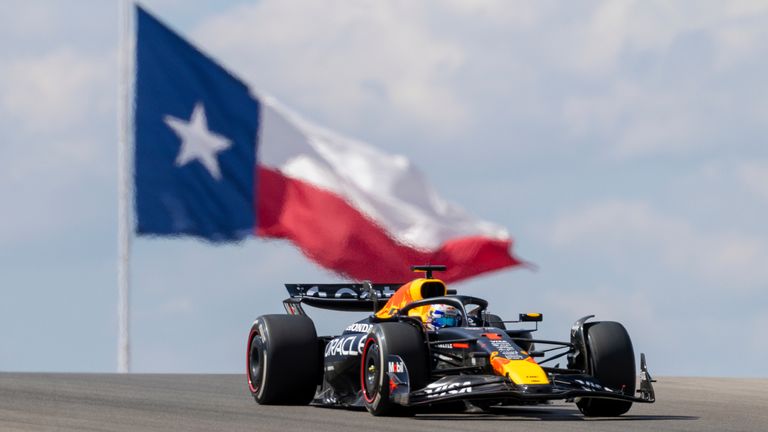
For Red Bull, the short-term challenge is to keep Verstappen fast enough to fight for a third consecutive win while protecting the car over a rough, varied lap. COTA's fast first sector rewards aerodynamic stability and precise changes of direction. Its slower corners require traction, and its heavy braking areas punish an unsettled platform. A setup that excels in one area can expose weaknesses in another, especially when the surface itself interrupts the car's contact with the road.
There is also a recent benchmark. Verstappen won the 2025 United States Grand Prix at this same venue, a result that underlines how well he and Red Bull can execute around Austin. That historical success does not guarantee a repeat with the 2026 machinery, tyres or track condition. It does, however, make his public criticism more striking: the man best equipped to profit from COTA's difficulty is insisting that some of that difficulty should not exist.
Engineers will use Friday's two practice hours to compare mechanical balance, ride height and tyre behaviour before settling on a qualifying direction. The question is not merely how quickly the car can take Turn 1. It is whether a setup remains stable through the bumps without giving up too much through the long corners where aerodynamic consistency matters. Teams must also account for tyre temperature and degradation, particularly if Austin's late-October heat persists.
Beyond Red Bull, the bumps could create an unexpected competitive variable. A car with a wider setup window might cope better than a nominally faster rival that needs to run especially low and stiff. The outcome could be decided by who finds a reliable compromise, not who produces the highest peak downforce in simulations. That is part of the appeal of Formula 1 engineering — but it should not be mistaken for an argument against improving the track.
For the wider sport, the lesson is to separate racecraft from preventable punishment. Austin can retain its steep first corner, flowing esses and demanding braking zones without leaving drivers to absorb the same disputed surface impacts year after year. A lasting fix would protect both the people racing and the quality of the racing itself.

Verstappen's warning will not settle the debate by itself, and Friday's practice data may sharpen or soften the concerns. What it has done is move Austin's familiar bump problem out of the category of routine setup frustration. Norris's account of headaches and Russell's explanation of the car's limitations show why this deserves a technical response rather than a toughness contest.
The United States Grand Prix still promises a genuine fight between Red Bull, Mercedes, Ferrari and McLaren. The strongest outcome would be a thrilling race at a circuit that remains challenging by design — while its most punishing imperfections are finally treated as something to fix.

















