

Cadillac Picked Bottas Over Herta. The Real Gamble Is What Happens Next.
GOATIFYCadillac had a tempting headline waiting for it in Las Vegas: give an American prospect a Formula 1 race seat and make its newest home Grand Prix the launchpad for a new era. Instead, the team opted for the less theatrical move. Valtteri Bottas will remain alongside Sergio Perez in 2027, leaving Colton Herta outside the confirmed race pairing despite the work he has put into qualifying for an F1 opportunity.
The decision is neither a surprise nor an endorsement of Cadillac's first-season results. On November 18 the team confirmed it would retain Bottas, with the experienced Finn invoking the foundations already laid. Those foundations have been hard to see on a results sheet: Cadillac is still seeking its first championship points and Bottas has endured repeated retirements. Yet a new team must decide whether continuity is an excuse to accept underperformance or a necessary ingredient in escaping it.
Cadillac has chosen continuity. The interesting question is what that decision buys, what Herta is being asked to wait for, and which improvements must appear before the same driver debate returns.
Cadillac has kept the driver with nine DNFs. That is a choice about process, not form
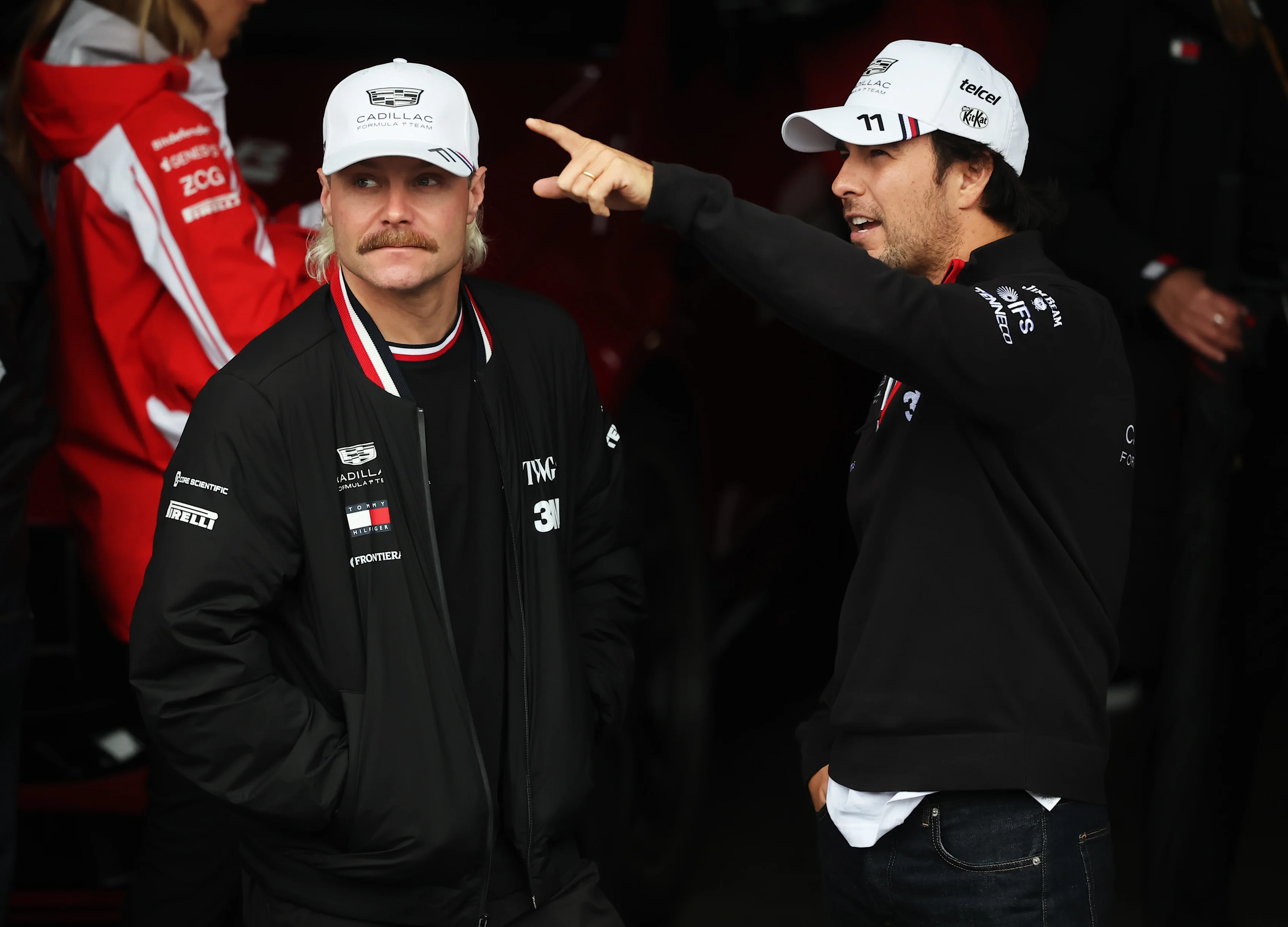
Start with the uncomfortable number: nine. That is how many times Valtteri Bottas has failed to finish in Cadillac's first Formula 1 season, according to the team's confirmation of his 2027 deal. Only Lance Stroll had more retirements at the point of the announcement. It would be easy to turn the statistic into a driver verdict, especially when a newer American team is searching for reasons to feel optimistic. But the nine retirements say much more about an entire debut operation than they do about one person turning a steering wheel.
Cadillac entered Formula 1 in 2026 knowing that a new organisation would have to learn several disciplines simultaneously: design and manufacture a race car, operate it under the pressure of a Grand Prix weekend, understand tyres and aerodynamic sensitivity, and develop reliable procedures for everything from the garage to the pit wall. A driver can improve some of that through feedback and consistency. A driver cannot personally repair a cooling system, produce a replacement component or prevent every mechanical failure. That is why a retirement tally is essential evidence but an insufficient explanation.
The team has not scored a championship point yet. That reality matters even more than the contract wording. Two experienced race drivers are being paid, in competitive terms, to shorten the distance from starting a new team to becoming a credible midfield participant. So far the car and operations have not reliably delivered the platform for that work to become a points finish. Retaining the same pairing in 2027 therefore invites a fair question: what can Cadillac do with another year's accumulated information that it could not do in its first?
Bottas's deal had a mechanism that made the decision real rather than automatic. The Finn joined Cadillac on a multi-year arrangement, but the second season depended on an option being exercised. Cadillac could consider alternatives before settling on its driver line-up. The team's announcement framed the decision around continuity and stability, with the organisation choosing to preserve its working relationships as the next development cycle begins. That is more meaningful than a bland vote of confidence. Cadillac is deciding that changing the driver right now would disrupt learning it believes is useful.
GOATIFY
GOATIFY Formula 1
Cadillac has committed to experience for 2027. Explore GOATIFY F1 fan gear while the grid and garage take shape.


Experience, however, only becomes an asset when the team listens to it and turns it into performance. Bottas has known title-winning operations at Mercedes, so he can describe the difference between a smooth process and one still under construction. Sergio Perez brings his own years of development experience. Those perspectives matter in a garage full of new systems and personnel. Yet describing problems accurately is not the same thing as solving them. The engineering group must turn driver comments into a disciplined programme of fixes, upgrades and quicker decisions.
There is also a political dimension to patience. New constructors can be tempted to blame a visible employee when the car is the limiting factor. Holding the driver pairing steady shields the organisation from an easy distraction and places the next phase of accountability where it belongs: on the collective ability to improve reliability, build speed and execute race weekends. That is a defensible management decision even if a fan would prefer fresh blood in the cockpit.
The danger is that continuity becomes a story told in place of measurable progress. By the middle of 2027, the same explanation will sound very different if Cadillac is closer to regular points contention than if its cars are still struggling to reach the flag. Bottas has been given time, not immunity. Cadillac has bought itself one more season in which experience is supposed to compound. The scorecard still starts at zero.
Colton Herta has done the qualifying work. Cadillac still did not give him the seat
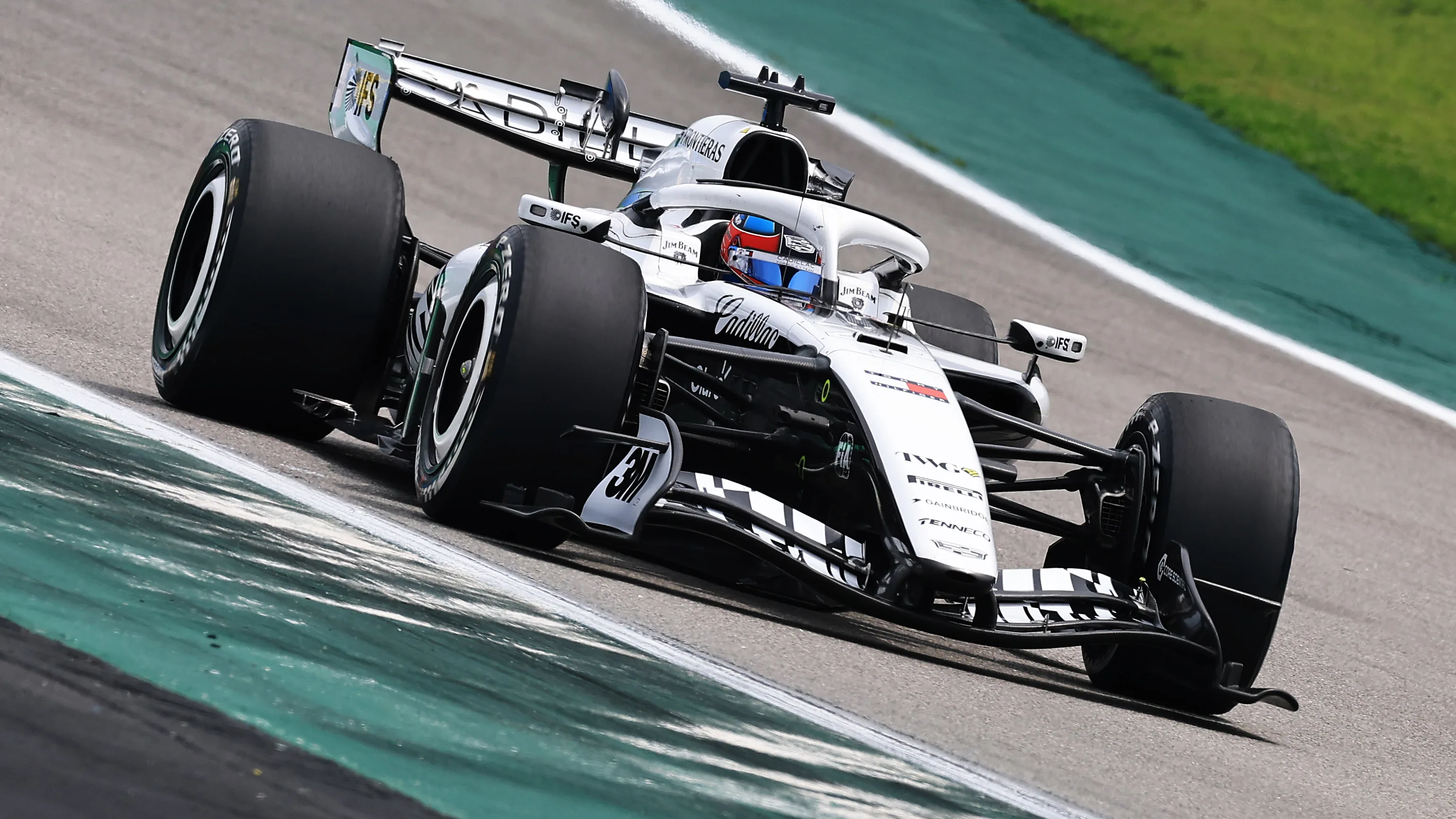
Colton Herta is the human cost of Cadillac's preference for stability. The American driver has been working toward Formula 1, rather than simply waiting for an invitation to appear in his inbox. His programme has included Formula 2 and Formula 1 practice opportunities as part of building the credentials and preparation needed for the world championship. The team's decision means that effort will not translate into a Cadillac race seat at the beginning of 2027.
That distinction is important. A driver earning the points needed to apply for a Formula 1 Super Licence does not automatically earn a place on the grid. The licence is permission to compete, subject to the governing requirements; a race contract is a separate choice made by a team. Fans have understandably joined those two ideas together because Herta's unusual route from American open-wheel racing to Formula 2 looked like the early chapters of a carefully planned promotion. Cadillac, however, never turned that expectation into an unconditional public guarantee.
The symbolism would have been powerful. Cadillac is the newest American constructor in the championship, and Herta is a recognisable American racing name. Putting him alongside Sergio Perez would have given the team a home-grown standard-bearer as it tries to turn Formula 1 interest in the United States into a long-term audience. Las Vegas, arriving just as the decision was announced, is precisely the venue where a team could have sold a driver-change narrative with enormous reach.
Instead Cadillac chose the quieter proposition that its technical programme benefits more from keeping Bottas. The judgement does not have to mean that Herta is unready or lacks elite potential. It may simply mean that adding a relatively inexperienced Formula 1 race driver at the same moment as the organisation is trying to improve a fragile car would create too many moving parts. A driver learning the demands of grand prix race weekends while a team is learning how to operate those weekends is a possible opportunity, but also an additional variable.
GOATIFY
GOATIFY Formula 1
An American F1 debut may have to wait, but the passion doesn't. Explore GOATIFY racing tees, stickers and accessories.


There is a reasonable counterargument. A new team with limited prospects of immediate podiums might be the ideal environment in which to train a younger driver without expecting instant results. If the 2027 car is still a backmarker, what has Cadillac gained by delaying that education? A rookie who begins a year earlier can make mistakes, learn circuits and adapt to the tyre management and communication rhythms of Formula 1 before the car becomes properly competitive. Choosing veterans is not the only rational way to build for the future.
Herta's next role has not been fully resolved by this announcement. Cadillac said the reserve and test-driver arrangements would be communicated later. That means it would be misleading to write as though he has been promised the first replacement seat, or as though his development route is over. Other teams may make different calculations about his readiness. For now, the only confirmed fact is that Bottas and Perez will occupy Cadillac's race seats in 2027.
What should Herta do with the delay? Keep building the kind of evidence that makes teams less interested in debating his origin and more interested in his pace, adaptability and technical feedback. What should Cadillac do? Make its development pathway more than a promotional slogan. If Herta is genuinely part of the long-term plan, the programme needs purposeful testing, preparation and clarity about the performances that could earn him a race opportunity. A licence establishes eligibility. An actual path establishes credibility.
Two veterans cannot fix the car alone — but they can help Cadillac diagnose it faster
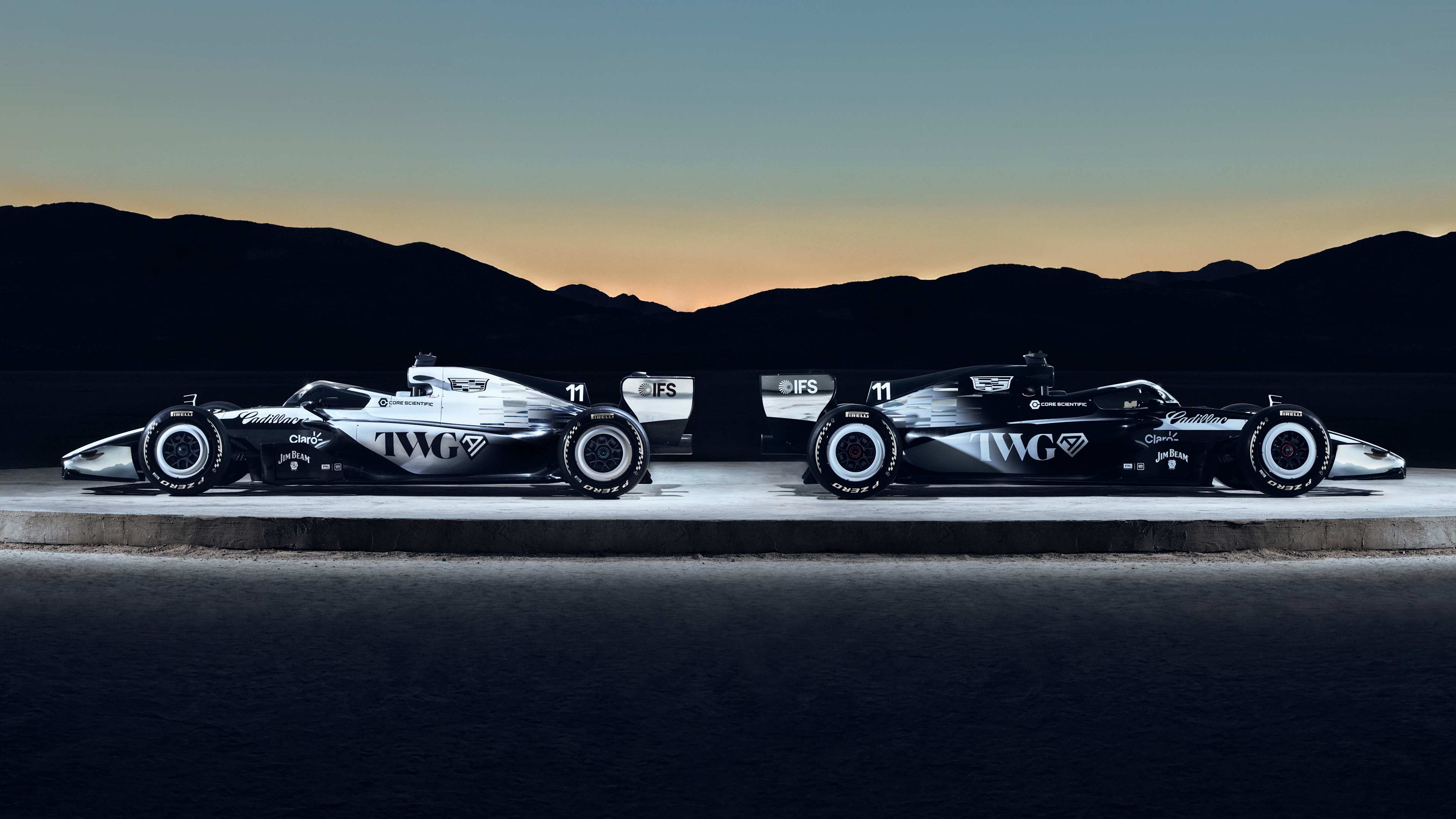
There is a useful distinction between keeping two experienced drivers and keeping two drivers because they are famous. Cadillac's most persuasive argument for retaining Valtteri Bottas and Sergio Perez is not that both have extensive Formula 1 résumés. It is that they can help establish a reliable relationship between what a car does on track and what the factory changes before the next race. That relationship is at the heart of any serious development team.
Consider the problems a new constructor must separate. Is a difficult corner caused by the balance of the chassis, a limitation in how the tyres warm up, a configuration that sacrifices one type of corner to protect another, or a driver not yet comfortable with the car's behaviour? The answers often overlap. One driver can offer clues. Two well-travelled drivers with different styles can help engineers distinguish a genuine vehicle weakness from an individual preference. Their reports become especially valuable if they are consistent across multiple weekends and conditions.
That is where keeping the same line-up for a second season offers a practical advantage. Cadillac's engineers can compare 2027 feedback with what they observed in 2026 without having to account for the entire adaptation period of an incoming rookie. They can measure whether a troublesome characteristic has genuinely improved and whether different solutions benefit both sides of the garage. The drivers also arrive already familiar with personnel, communication patterns and the operational vocabulary of their own team. Those savings are not glamorous, but Formula 1 races are frequently decided by accumulations of small gains.
Reliability and basic execution remain the bigger hurdles. The team's Brazilian Grand Prix illustrated the point when Bottas could not start because the right-rear wheel nut was cross-threaded during the car's preparation, according to the official post-race accounts. No world champion, veteran or rookie can generate racing data from a car that does not take the start. Each lost session also interrupts development: mechanics spend time troubleshooting, engineers lose comparisons and drivers miss laps that could inform the next setup. A season of repeated retirements therefore damages the following year's preparation as well as the present points total.
GOATIFY
GOATIFY Formula 1
The technical details matter to every F1 fan. Find GOATIFY motorsport designs for paddock and race-day conversations.


Cadillac's industrial plan is ambitious, but the timeline matters. The entry has begun with Ferrari-supplied power units while General Motors develops its own future Formula 1 engine programme, presently targeted for 2029. The team must build chassis competitiveness and operational discipline before that later power-unit transition, rather than assuming a forthcoming engine will instantly erase current problems. Even an excellent future engine cannot rescue a poor pit-stop process or a weak aerodynamic platform. It can only become a meaningful advantage inside a functioning whole.
Perez's presence also changes the calculus. His extended contract was already announced before the Bottas decision, so Cadillac was not selecting an entirely new partnership. Its eventual choice was between retaining a known two-driver feedback structure and injecting another personality into that structure. Perez and Bottas have different backgrounds and driving preferences; that difference can strengthen an engineering conversation if the team channels it constructively rather than chasing contradictory setup directions.
Experience has limits, of course. It is possible for a team to become so invested in reassuring veteran feedback that it neglects outside perspectives or aggressive changes. Engineers still need to test hypotheses, measure performance, challenge assumptions and make structural improvements. Driver experience is not a substitute for car performance. It is a tool for finding where performance is missing. The success of this contract extension will depend on how sharply Cadillac uses that tool, not how many combined starts its drivers can place on a marketing graphic.
Las Vegas is a showcase. The real verdict comes from Cadillac's 2027 scorecard
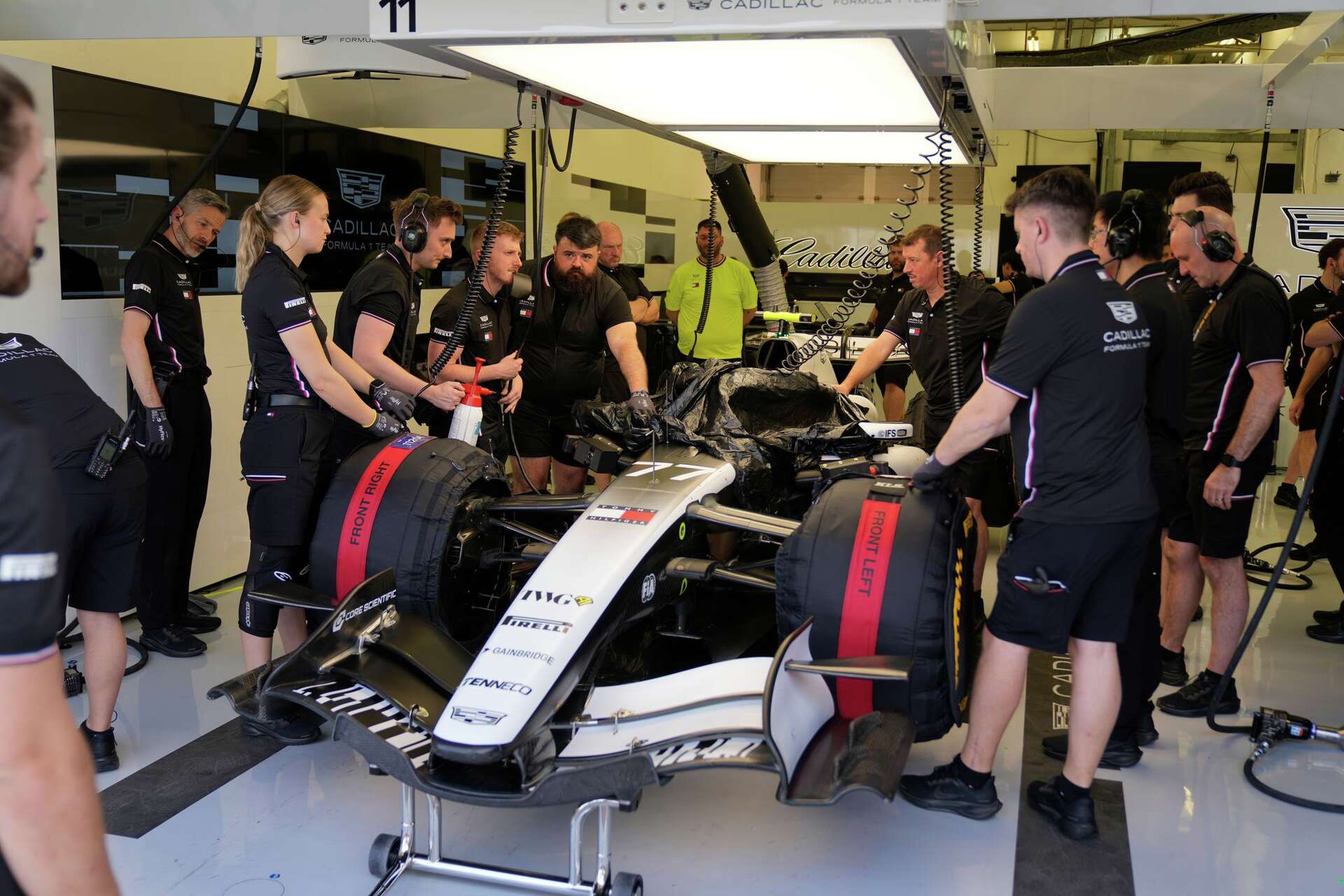
The timing makes the Bottas announcement more interesting. Cadillac confirmed its 2027 line-up on the eve of the Las Vegas Grand Prix, one of the season's highest-profile occasions for an American manufacturer. Las Vegas is the third United States race of the campaign, following Miami and Austin. It puts an enormous audience, a distinctive street circuit and a formidable commercial stage around a team that is still learning how to compete. The immediate optics favour the sensible story: Bottas stays, Perez stays, and Cadillac says its project is moving forward.
But Formula 1 does not award points for a convincing explanation at a press conference. The team's 2026 performance should be assessed on different terms from the energy surrounding its brand launch. A new constructor starts with the disadvantage of having to establish working procedures and performance infrastructure while its competitors are already racing. Nobody should demand an instant podium. Everyone can fairly demand evidence that reliability is improving, that mistakes are being studied instead of repeated and that the development plan is turning new parts and new data into shorter gaps to the midfield.
The first measure in 2027 should be the simplest: how often both cars reach the finish. A reduction in mechanical retirements and preventable operational failures would give Cadillac more complete race weekends to learn from. That in turn improves the value of Bottas's and Perez's feedback, because each driver can run long sequences and compare data rather than explain another early failure. Reliability is not merely an item in a technical report. It is the foundation that lets a team see whether its upgrades work.
GOATIFY
GOATIFY Formula 1
A Vegas race weekend is a perfect time to show your F1 colours. Browse GOATIFY Formula 1 fanwear.


The second measure should be competitive trajectory, not one isolated result. If Cadillac qualifies nearer to the teams ahead of it over a series of different circuits, that suggests genuine aerodynamic, mechanical or operating progress. A lucky points finish in a race of heavy attrition could be celebrated without proving that the underlying car has taken a step. Conversely, a clean race in which both Cadillacs remain far outside points contention still provides important information. The patterns over six or eight rounds will be more revealing than a headline made from one Sunday.
The third measure concerns execution under pressure. A new constructor must show it can fit parts correctly, release a car safely, choose a tyre strategy based on real conditions and change plans when circumstances demand. The wheel-nut issue in Brazil is a reminder that the basics belong alongside ambitious engineering goals. Better processes will also protect the team from wasting the development work it paid so much to produce. That is precisely where a stable driver pairing should help: experienced drivers communicating the same concerns consistently, and the team responding with fixes that endure.
The fourth measure is whether Cadillac's choice makes space for a credible next generation. Herta should not vanish from the conversation merely because Bottas was retained. It would be a mistake to promise him a future seat before the team has announced one, but equally short-sighted to treat his programme as a disposable marketing exercise. A strong operation can nurture future talent while asking proven drivers to develop the present car. Those are complementary jobs if the pathway is explicit and the opportunities real.
It is also worth separating the driver's contract from the broader 2027 market. With Cadillac's pair settled and relatively few places left unresolved, Herta's options for an immediate seat elsewhere are constrained. That is a labour-market reality, not necessarily a statement on his ceiling. At the same time, the decision reduces uncertainty for mechanics and engineers planning the winter. They know the drivers who will evaluate the next car and can organise their testing priorities accordingly. In a new team, every unit of certainty may help.
Las Vegas can deliver a useful late-season signal, but its result cannot settle the debate. A hard-fought finish would be encouraging; another retirement would underline what still needs work. Neither alone tells us whether Bottas was the correct 2027 choice. That judgement belongs to the accumulated evidence next season: more completed laps, fewer self-inflicted problems, a narrower competitive gap and a development team capable of turning knowledge into speed. Cadillac has selected experience. Now the experience has to produce something visible.
Cadillac's confirmation resolves one question on the 2027 grid without answering the larger one about its competitiveness. Bottas has earned more time to help build a new team, Perez remains his established partner and Herta must keep developing without the race seat that seemed available. None of those facts promises a dramatic change in lap time.
The standard for the decision should not be whether keeping two proven drivers made for the safest press release. It should be whether Cadillac can fix the errors that made 2026 so fragile, extract better performance from its car and show that its feedback loop is improving. If that happens, stability will look prescient. If the same mechanical failures and back-row performances recur, Cadillac will have postponed a difficult conversation rather than solved it. Las Vegas is the next test, not the final verdict.
GOATIFY
GOATIFY Formula 1
Explore GOATIFY Formula 1 tees, hoodies and racing stickers for your next race weekend.


















