

Shakur Gets 20 Days to Face Muratalla — or Risk His WBO Belt
GOATIFYShakur Stevenson finally has a concrete next opponent — whether he wants that fight or not. On October 27, the WBO ordered its unbeaten junior welterweight champion to begin negotiations with Raymond Muratalla, the undefeated contender who abandoned a lightweight title to move into Stevenson's division. The two sides have 20 days to reach terms. There is still no signed bout, date or venue, but there is now an official clock.
That distinction matters. Stevenson has spent much of 2026 chasing a blockbuster return after a commanding January win over Teofimo Lopez. Discussions involving Devin Haney went nowhere, and a brief promotional partnership with Zuffa Boxing ended before he appeared on one of its cards. Muratalla, meanwhile, has been winning fights and maneuvering toward this exact opening. The WBO ruling turns their different career paths into the same decision: make a deal, enter the purse-bid process or change the championship picture.
The WBO Has Ordered Negotiations — Not Announced a Fight
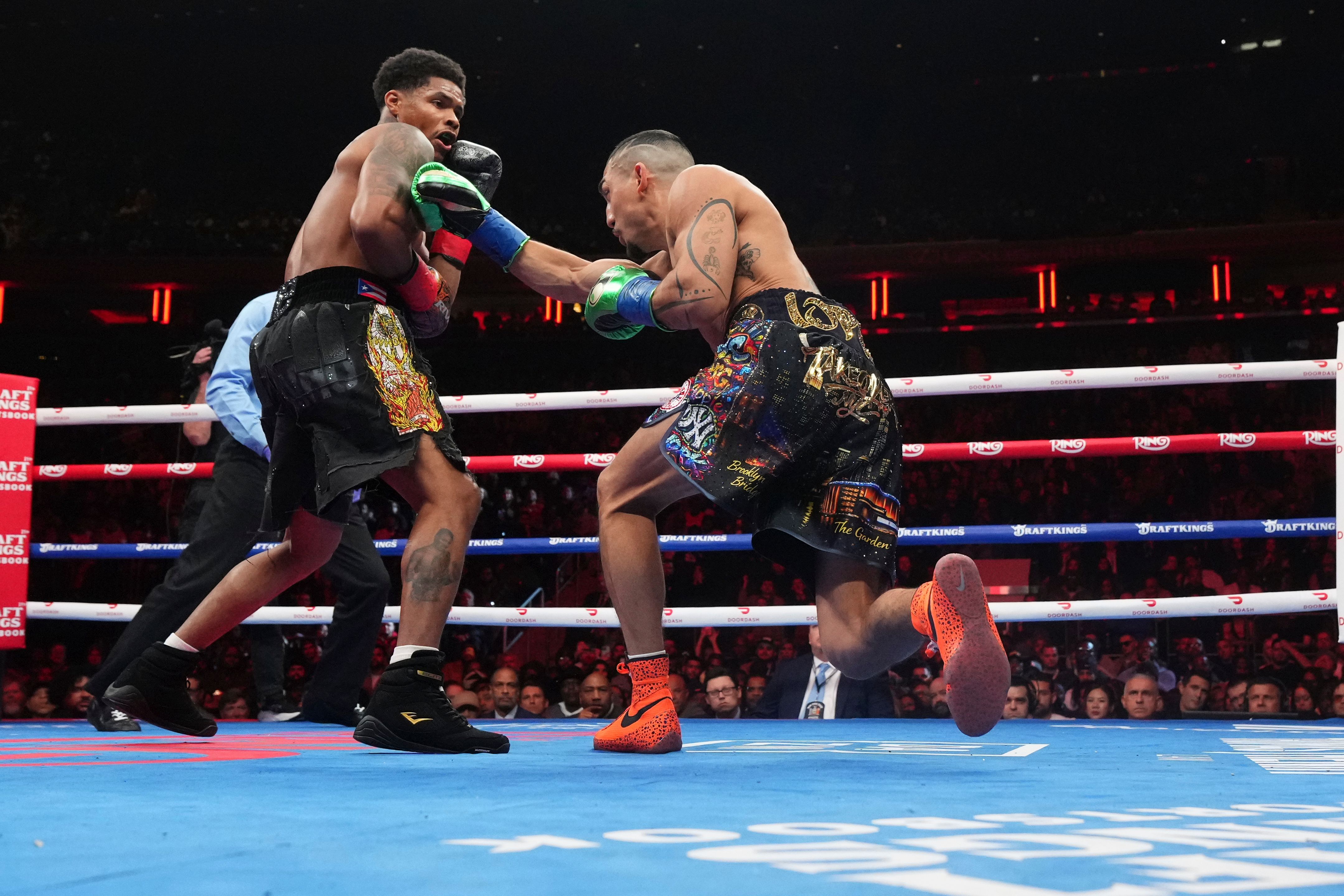
The most important part of the October 27 announcement is the word 'negotiations.' The WBO's World Championships Committee unanimously ordered Stevenson and its No. 1-ranked challenger to begin talks for the mandatory defense. President Gustavo Olivieri confirmed a 20-day window for the camps to settle terms. That does not automatically put the boxers in the ring, and it should not be mistaken for a fight announcement. The ruling creates a defined process that can continue even if the two teams disagree on money, scheduling or promotional control.
If the camps cannot agree, a purse bid is a possible next step. That would allow eligible promoters to offer money for the right to stage the championship bout, subject to the sanctioning body's procedures. A winning bid could determine the financial framework, but it would still leave practical details to be completed. Stevenson could also relinquish the WBO belt rather than make this defense. What he cannot do indefinitely is treat the mandatory challenger as merely one more name on a long wish list while retaining the title without answering the order.
The difference from last week's position is substantial. Muratalla's promoter, Top Rank, had pressed for recognition of its fighter's mandatory status, but a petition is not itself an official championship command. The WBO has now taken that extra step. The challenger no longer needs Stevenson to voluntarily select him from a crowded field. He has a sanctioning-body decision behind him and a timetable that puts both teams on notice. The clock changes the leverage without guaranteeing the outcome.
Stevenson earned this belt with one of the clearest performances of his career. In January at Madison Square Garden, he outboxed Teofimo Lopez to win the WBO and Ring junior welterweight championships. All three judges scored the contest 119-109. That was a four-division champion's statement, not a marginal decision. Yet the very success that made Stevenson more valuable also created an obligation: a champion who wants to keep a major belt eventually has to meet the division's designated challenger.
For fans, the useful distinction is simple. There is an official order and a 20-day negotiating period; there is not yet a Stevenson-Muratalla fight contract. Every report of a venue, purse split or confirmed date should be treated as provisional until the parties announce an agreement. The deadline gives the story urgency, but it is the start of the business process rather than the end of it.

Muratalla Gave Up a Belt to Make This Opportunity Real
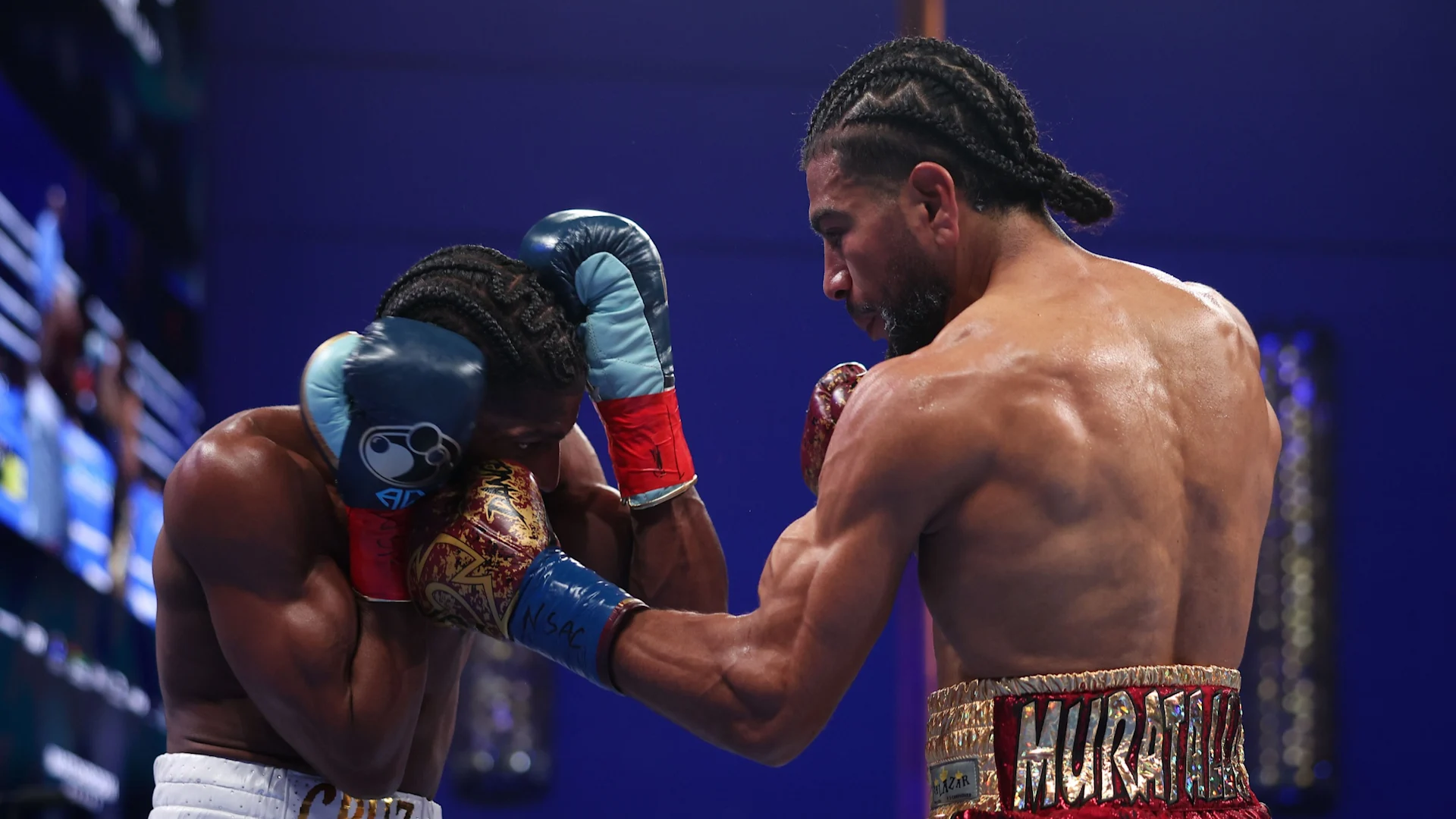
Raymond Muratalla did not arrive at this point by winning a popularity contest. The Southern California boxer is 25-0 with 17 knockouts and had already established himself at lightweight. His run included wins over accomplished opposition such as Tevin Farmer, Zaur Abdullaev and two-time Olympic gold medalist Andy Cruz. He also defended his IBF lightweight championship against Robson Conceicao in August. Those victories help explain why the 29-year-old is a serious contender rather than a convenient name inserted into a ranking.
The move to 140 pounds was a calculated risk. Muratalla relinquished the IBF lightweight title in September after indicating that making 135 pounds had become increasingly difficult. Giving up a world championship without another guaranteed belt is a significant decision, but it positioned him at the weight where he believes he can perform better. The WBO's No. 1 ranking put him directly behind Stevenson. Top Rank then pursued the procedural route that could turn that ranking into an enforceable opportunity.
His style presents a more interesting challenge than the word 'mandatory' sometimes suggests. Muratalla is willing to come forward and work behind his punches, but he has also shown patience against technical opponents. His victory over Cruz mattered because Cruz arrived with exceptional amateur credentials and a sophisticated understanding of distance. Muratalla had to make adjustments rather than simply overwhelm a stationary target. That is relevant against Stevenson, whose best work is often done by forcing opponents to miss before landing clean counters.
Trainer and manager Robert Garcia has made clear that his fighter is prepared for the opportunity. The higher weight class should reduce the physical strain of the cut, although how Muratalla's strength translates against a natural junior welterweight remains a question for fight night, not a fact that can be settled on paper. His 17 stoppages indicate genuine finishing ability, but knockout totals alone do not reveal whether he can consistently trap a boxer as elusive as Stevenson.
Perhaps Muratalla's greatest advantage at this moment is not physical. It is that his camp has a simple objective: get the championship opportunity he has pursued. Stevenson has more commercial possibilities to weigh. Muratalla has already committed to this division and put a former belt behind him. That clarity can matter in negotiations, particularly when a sanctioning body has finally started the formal clock.

Stevenson's Search for a Superfight Has Become a Negotiating Problem

Stevenson's 2026 has been an unusual contrast between achievement and inactivity. He started the year by dominating Lopez and reaching 25-0 with 11 knockouts. That performance strengthened his claim to a place among boxing's best pound-for-pound fighters. It also made him a valuable opponent for champions in neighboring divisions. Yet he has not fought since January. His name has remained in major-fight conversations while the calendar has kept moving without a confirmed return.
A move to Zuffa Boxing in July was supposed to open another route toward those marquee events. Instead, Stevenson and the organization separated in October without him making a promotional debut. The split returned him to free agency, which may give him more freedom to negotiate across promotional lines. Freedom, however, is not the same as an agreement. A boxer can be available to several promoters and still struggle to find an opponent, a broadcaster and financial terms that all parties will accept.
Devin Haney was the most conspicuous example of that problem. The two unbeaten Americans have discussed meeting at a catchweight, with the proposed limit and rehydration conditions among the reported sticking points. Talks did not produce a signed fight. Other attractive names, including Gary Antuanne Russell, have also been mentioned without a completed arrangement. Those possibilities could still resurface, but they cannot be counted as scheduled fights. The WBO order is different precisely because it is a real obligation rather than a proposed blockbuster.
The financial tension is straightforward. A fight against Haney or another household name might command greater attention and a larger overall event budget than a defense against Muratalla. That does not mean Muratalla lacks sporting merit. It means the commercial value of an opponent and the difficulty of beating him do not always rise together. The mandatory challenger may be dangerous without being the easiest opponent to sell to casual fans. Stevenson must decide whether protecting a championship is worth taking a fight that might not match his biggest financial ambitions.
Top Rank's role adds another layer. The company promotes Muratalla and was central to the request for the WBO to enforce the obligation. If negotiations stall and the process reaches a purse bid, promotional relationships and available event funding become especially important. It would be premature to predict who wins such a bid or how much Stevenson earns. The confirmed fact is that the order shifts attention from social-media negotiations to a defined championship procedure with consequences for both camps.

The Matchup Is Real Boxing Business — and a Real Boxing Test

If the bout is made, the central tactical question will be whether Muratalla can turn forward pressure into clean scoring opportunities. Stevenson is not merely a defensive fighter who runs from exchanges. He uses small changes of range, a precise lead hand and quick counters to punish opponents for reaching. Against Lopez, he repeatedly made an accomplished champion reset before an attack could develop. A challenger who simply follows him around the ring risks losing rounds without ever landing the punches that matter.
Muratalla's best route would be disciplined pressure rather than a frantic chase. He needs to cut off the ring, work to the body when Stevenson gives him an opening and remain balanced enough to defend the return fire. Garcia's camp has experience preparing fighters for high-level tactical contests, but Stevenson will still present unusual timing and accuracy. There is also the weight-class variable. Muratalla has left 135 pounds behind; he must show that his combination punching, durability and pace remain effective at 140.
Stevenson, for his part, would need to resist the temptation to make the entire night about avoiding risk. The champion's movement can win rounds, but a persistent opponent can make judges value effective aggression if exchanges are close. His clean punching and control of distance are obvious strengths; maintaining those qualities for 12 rounds against an opponent who keeps working is the challenge. This is why the matchup deserves to be discussed as a genuine title fight rather than dismissed as an administrative inconvenience.
The alternative is a vacant belt. If Stevenson elects not to defend, Muratalla could be positioned for a title opportunity against another eligible contender under the WBO's process. That would reshape the 140-pound division without Stevenson suffering a defeat in the ring. It could also leave the four-division champion free to pursue a different weight or opponent, but with one fewer major title attached to his bargaining position. Neither outcome is inevitable at this stage.
The next meaningful update will be about negotiation, not another prediction. Watch for the camps to acknowledge terms, the WBO to set a purse-bid procedure if talks fail, or Stevenson to announce a decision about the belt. Until one of those things happens, the safest description is that the champion has been ordered to negotiate with an unbeaten challenger. The boxing question is compelling; the business question is what determines whether fans ever get to see it.
Stevenson has the championship pedigree, the January win over Lopez and the defensive skill to be favored in many hypothetical matchups. Muratalla has the undefeated record, the willingness to move divisions and now an official order that demands attention. Neither fighter has signed for the bout, but the WBO has made avoiding a decision more difficult.
The next 20 days will test whether Stevenson's desire for a major payday can coexist with the responsibilities of holding the 140-pound title. If a deal comes together, the result could be one of the division's most intriguing technical fights. If not, the sanctioning process may change who wears the belt before either man throws a punch.

















