Curry Targets 65 Games — Warriors Are Trading October Sharpness for April Health
GOATIFYStephen Curry is aiming to play at least 65 games in the 2026-27 NBA season, but the Golden State Warriors are deliberately resisting the temptation to have their star guard in peak form before opening night. After a right-knee problem disrupted much of his previous campaign, Curry and the team have adopted a slower preseason ramp-up designed to protect his availability deep into the schedule.
The difference was visible in Golden State's 101-89 preseason win over the Los Angeles Lakers in Las Vegas on October 13. Curry played roughly 23 minutes and made three three-pointers, yet some of his finishes near the rim lacked the usual sharpness. That is not a verdict on his ability. It is the trade-off Golden State is willing to accept while managing the workload of a 38-year-old player who still drives almost everything the offense wants to accomplish.
The 65-Game Goal Changes What a Good October Looks Like

The raw preseason minutes reveal the strategy more clearly than any motivational statement. Curry's four-game progression this October was approximately 13, 14, 14 and 23 minutes. A year earlier, the equivalent sequence was about 15, 16, 27 and 30. That is a meaningful reduction in court exposure at the point when players are normally trying to establish their rhythm. Golden State is prioritizing the total number of useful games Curry can give the team rather than how polished he looks in a single exhibition.
Against the Lakers, Curry made three shots from beyond the arc but had difficulty converting a couple of awkward attempts near the basket with Quentin Grimes contesting. Those moments are easy to turn into dramatic clips. They are also exactly the kind of small, noisy preseason sample that should not be mistaken for a definitive measure of a veteran's decline. Shot-making, burst, timing and conditioning do not all return on the same schedule, particularly when a player has been instructed to increase his workload gradually.
The number 65 matters because it is the NBA's minimum appearance threshold for major regular-season awards. Curry has acknowledged that connection, but his broader objective is straightforward: be available for most of the season and still have the physical resources to matter when games become more consequential. Sixty-five appearances in an 82-game schedule would allow 17 absences; it is not an announced plan to sit exactly 17 times. Rest days, unexpected ailments and schedule demands can alter any target.
Recent history explains the ambition. Curry reached 74 games in 2023-24 and 70 in 2024-25, but those were his only two seasons above the 65-game line across the previous seven years. In 2025-26 he appeared in 43 regular-season games while still averaging 26.6 points, evidence that his offensive ceiling remains high when he is healthy. The issue is not whether he can produce one spectacular night. It is whether Golden State can create conditions that allow that level of impact to appear often enough to shape its season.

Why Curry's Training Plan Now Values Recovery Over Repetition
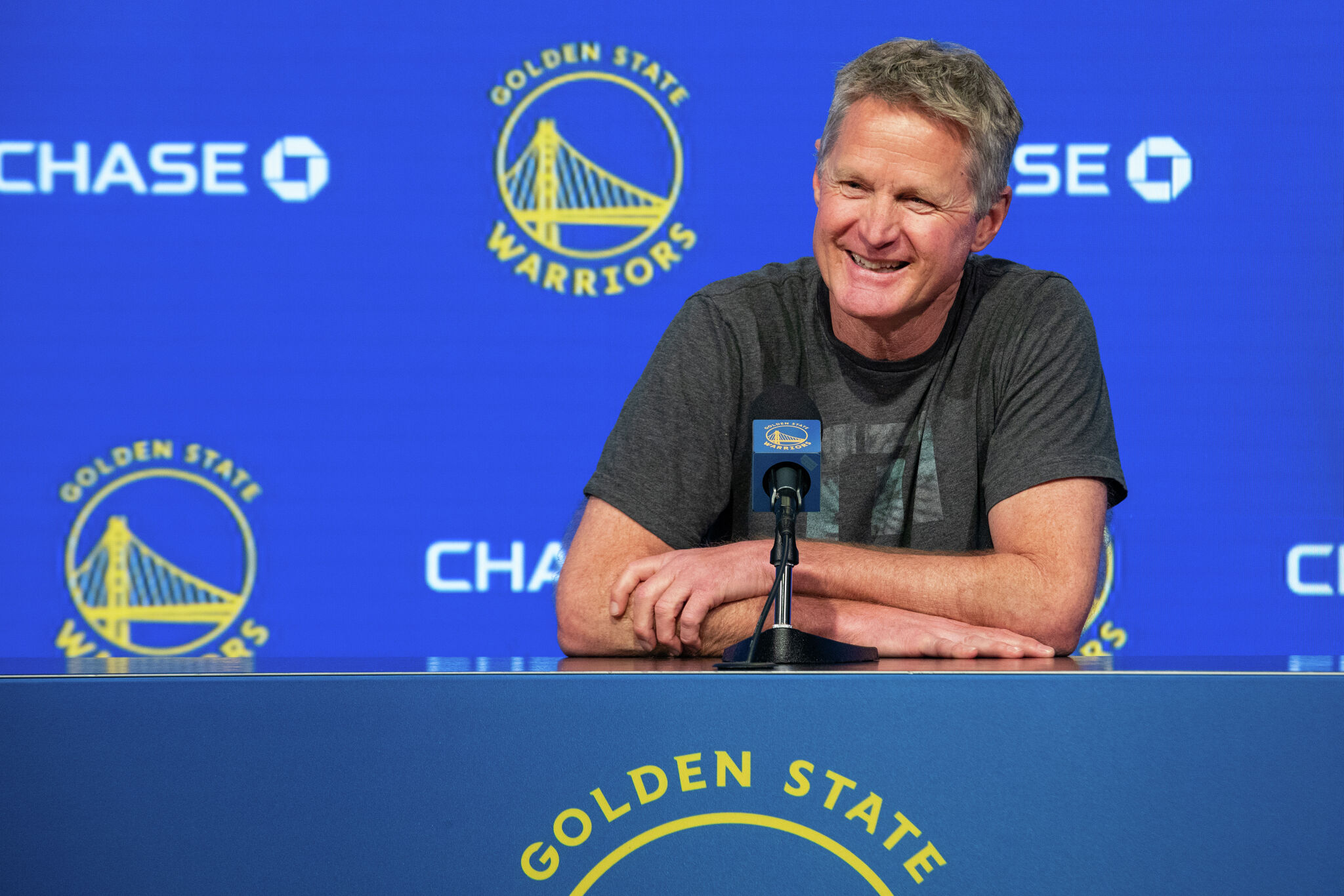
Golden State has altered Curry's preparation after he missed a substantial portion of last season. The veteran guard is working toward greater availability across the full 82-game schedule rather than maximum minutes in October. That means building game fitness gradually and accepting that his timing may take longer to sharpen. The adjustment reflects his age, the team's expectations and the value of keeping its primary offensive player on the floor when the standings matter most.
Curry and his longtime trainer Brandon Payne have emphasized precision and consistency in workouts. Rather than repeating every drill for as long as possible, the staff has favored carefully selected sessions with an eye on total weekly workload. Curry has described finishing some workouts with energy left to spare. The objective is to preserve enough capacity for games, travel and the demands of the regular season.
Conditioning has also included more underwater treadmill sessions, which Curry says help maintain his cardiovascular fitness with less repeated impact from running on a court. He has worked alongside personal performance specialist Carl Bergstrom and the Warriors' player-health leader Rick Celebrini. Steve Kerr coordinates the basketball side, including how quickly the star guard increases his playing time.
Training camp has therefore looked different. Curry has occasionally skipped a scheduled practice while teammates complete more live repetitions. That can slow the development of shared timing, especially with new players and changing lineups. It is also a calculated investment in the months ahead. The Warriors will need to judge the plan by his ability to play effectively across the season, not by whether he looks perfectly polished in the first exhibition.
The Warriors Need Curry to Hold the Line While the Roster Heals
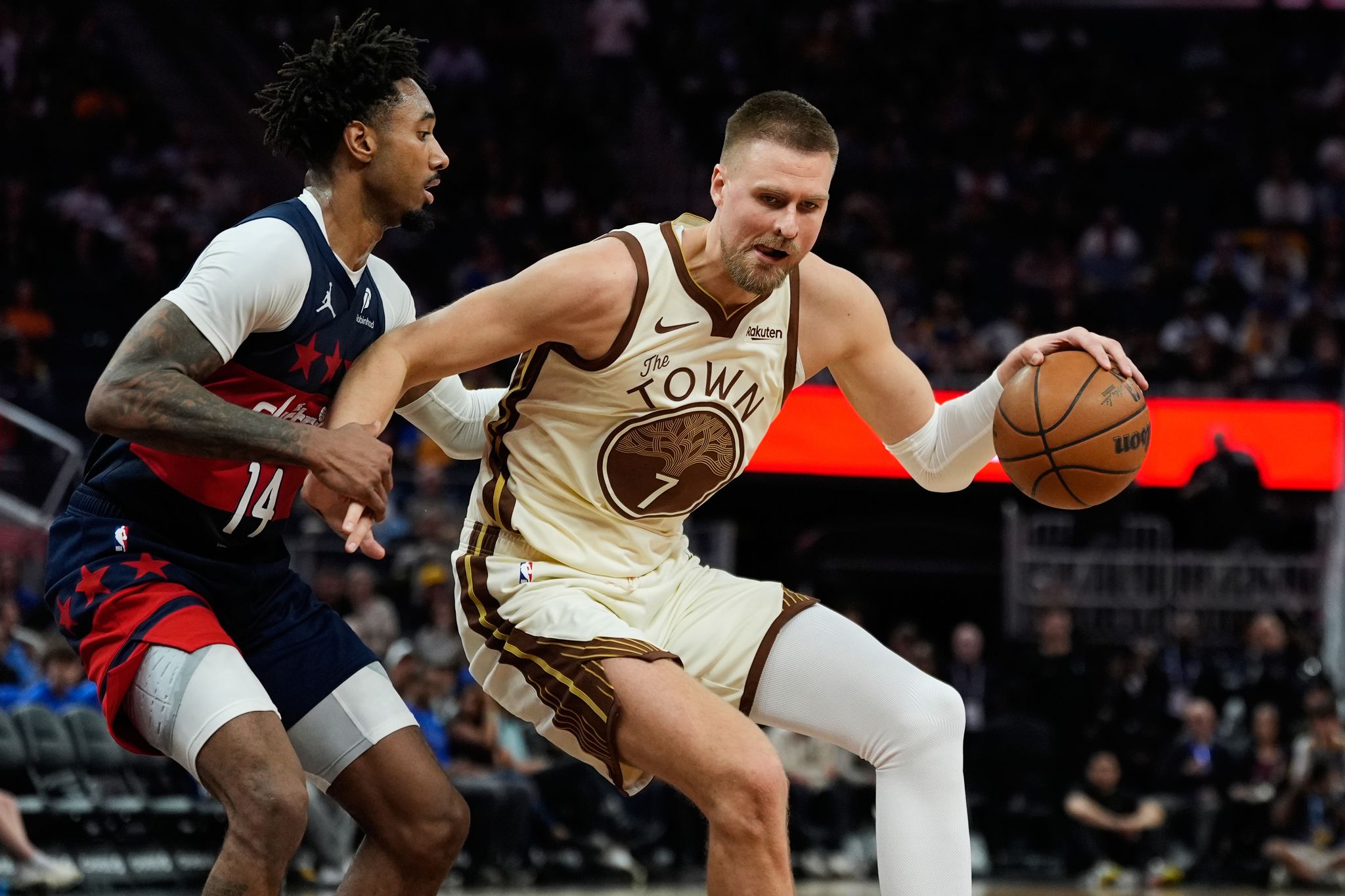
Golden State's cautious approach would be easier to execute with its full supporting cast. Instead, the Warriors enter the season with several important players unavailable. Jimmy Butler, Moses Moody and Kristaps Porzingis have yet to return to full basketball activity, and the team has not confirmed a timetable for each player. That uncertainty complicates the early rotation and makes Curry's carefully managed workload a more significant strategic decision.
That combination leaves Curry in a familiar but uncomfortable position. He is the player who makes opponents defend far beyond the three-point line, pulls help toward the ball and creates space for teammates even when he does not shoot. Yet the club also needs to avoid making him carry a heavy early-season burden that would undermine the availability plan designed to keep its hopes alive. The first few weeks may require other players to initiate more offense and survive possessions that would normally end with a Curry advantage.
There were encouraging signs in the Lakers preseason game. Rookie Yaxel Lendeborg produced 17 points, five rebounds and four assists, while Brandin Podziemski also scored 17. Golden State overcame a halftime deficit and outscored Los Angeles 51-26 after the break. Those numbers are not a substitute for regular-season evidence, but they show how energy, defense and contributions from the next tier of the rotation can reduce the need for Curry to rescue every stretch of a game.
The long-range bet is that the team will look different when its missing players are available and the young contributors understand their roles. Porzingis, acquired from Atlanta last February and retained on a two-year deal, gives the Warriors a different size-and-spacing profile when healthy. Butler adds creation and physicality, while Moody supplies wing depth. None of those pieces can be assumed to return on a particular date. Curry's responsibility is therefore both urgent and restrained: keep the team competitive now without spending the physical reserve it will need later.
That is why the 65-game ambition has implications well beyond an individual milestone. If Golden State is still searching for consistent offense after its first few weeks, the temptation will be to ask Curry to do more. If the supporting cast can win minutes without him dominating every possession, Kerr has a better chance of following the long-term plan. The balance between those two outcomes may ultimately define the Warriors' season.

Golden State opens the regular season against the Lakers on October 21, and Curry may not look completely polished on the first night. That is an accepted cost of the current plan. The more meaningful checkpoints will arrive after the early back-to-backs, after the midseason grind and, ideally, when the roster has more of its intended pieces available.
Reaching 65 games would be a substantial achievement after last season's disruption. It would not, by itself, guarantee a playoff run or a clean bill of health. But the Warriors have made their priority clear: Curry's best basketball in February, March and April matters more than a flawless October exhibition.