The Yankees Just Swept Boston Without Aaron Judge — That Changes Their October Ceiling
GOATIFYThe loudest fact from the Yankees’ Wild Card sweep is not simply that they eliminated Boston. It is that they did it without Aaron Judge and never looked remotely dependent on one superstar to rescue them. New York won 9-0 and 9-2, piled up 26 hits across two games and received impact performances from established stars, deadline additions and younger pieces. In October, when one cold bat can normally shrink an offense overnight, that kind of distributed production matters.
The sweep does not prove the Yankees are suddenly bulletproof. Tampa Bay presents a different problem in the Division Series, and Judge’s strained calf remains one of the biggest variables in the American League bracket. But New York just showed a version of itself that can win without asking Judge to be the entire offense. That raises the ceiling of everything that comes next.
Bellinger gave the Yankees the kind of October swing Judge usually supplies
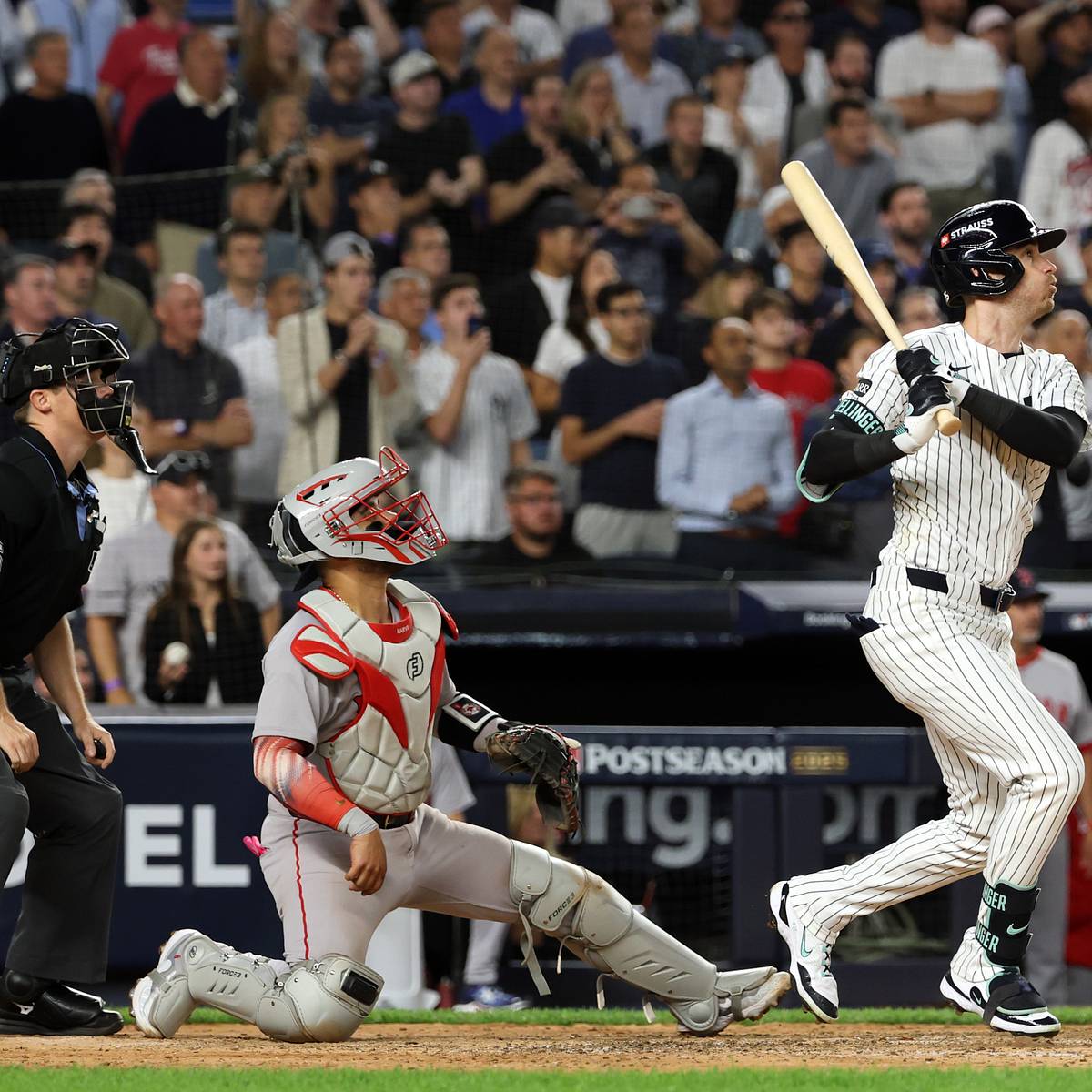
Boston intentionally walked Ben Rice in the sixth inning and put Cody Bellinger in position to decide whether Game 2 stayed manageable. Bellinger answered with a three-run homer that stretched the lead to 8-1 and effectively ended the series. That mattered because Aaron Judge is normally the hitter who changes the geometry of this lineup. Without him, Boston could make matchup decisions without that looming threat, yet New York still had a hitter capable of punishing the choice immediately.
Bellinger finished with four RBIs, but the larger value was that the damage came inside a lineup already forcing uncomfortable decisions. Rice had earned the walk. Luis Garcia Jr. had already homered. The order kept creating traffic. Bellinger did not have to manufacture a rally alone; he had to finish one. That is a healthier postseason model than waiting for a single MVP-level bat to create every decisive moment.

Fried and Schlittler made starting pitching the Yankees’ clearest October identity
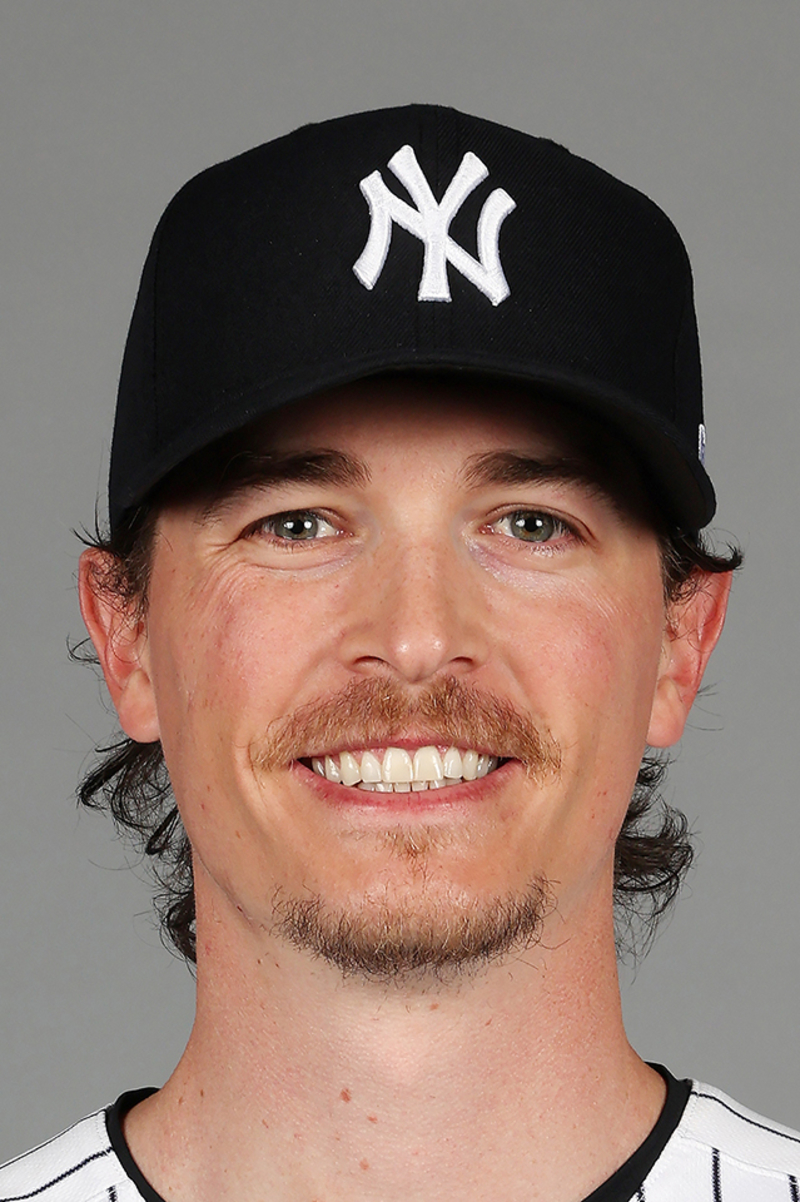
The offense supplied the memorable scorelines, but the rotation controlled the terms of both games. Cam Schlittler opened with 6 1/3 scoreless innings. Max Fried followed with six innings of one-run baseball. Together they gave Boston almost no chance to turn either game into a chaotic bullpen contest. That simplifies Aaron Boone’s decisions because relievers can be deployed around matchups rather than desperation.
Starting pitching also travels better than almost any offensive trait. Home-run environments change and lineups can run cold, but quality starters keep games within one swing. Tampa Bay will challenge New York differently, with aggressive baserunning and a lineup that puts the ball in play. That makes the rotation even more important. If Fried, Schlittler, Cole and the rest keep the Yankees from chasing games, the lineup’s depth gets time to matter.

Luis García Jr. and the supporting cast turned depth into scoreboard pressure
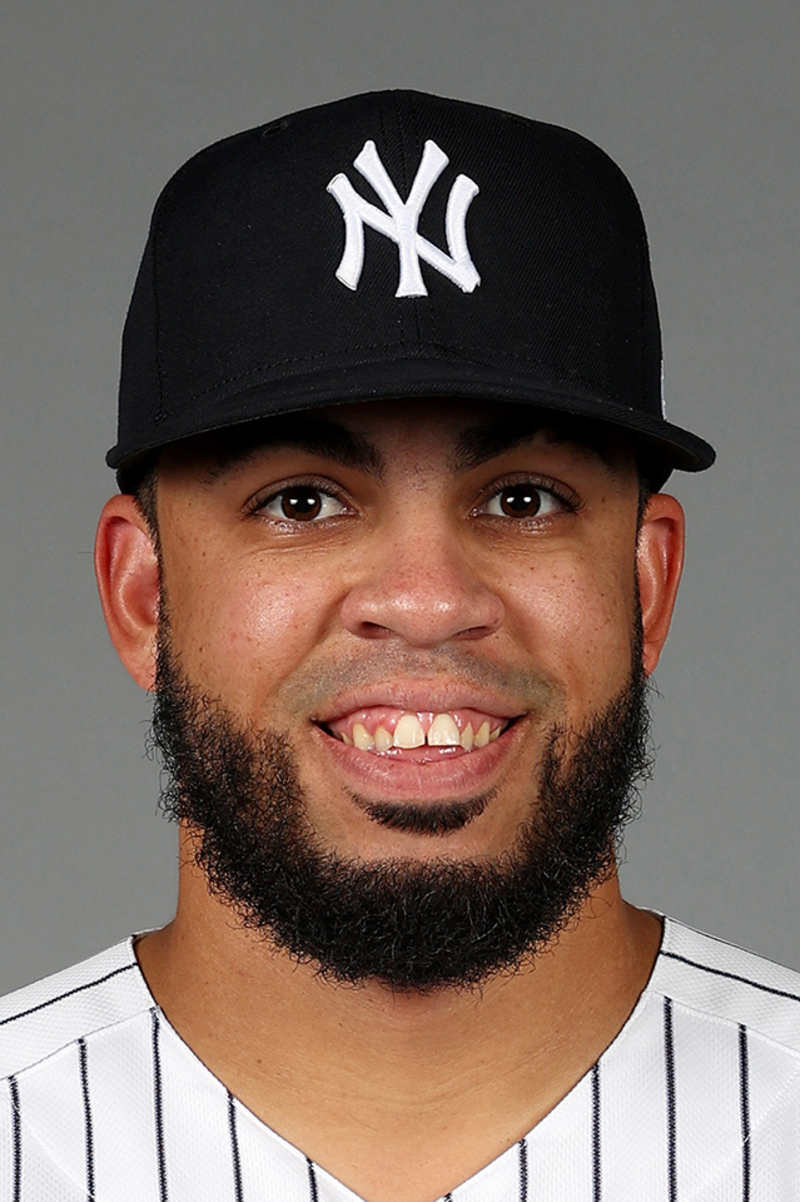
Depth is easy to praise in September and harder to prove in October. The Yankees proved it because their secondary pieces changed games. Luis García Jr., acquired at the deadline, homered to open the scoring in Game 2 and finished with three hits in his first postseason start. Spencer Jones reached to start the six-run sixth on a strikeout wild pitch, Austin Wells added a sacrifice fly and Jazz Chisholm Jr. brought speed back into the lineup.
Those contributions matter because postseason pitching is designed to remove obvious strengths. If Judge is active, opponents build plans around him. If Rice is hot, they can pitch around him. A lineup becomes difficult to suppress when avoiding one hitter simply exposes another competent one. Against Tampa Bay, New York must keep creating baserunners, forcing throws and making the next hitter relevant instead of waiting for one clean power opportunity.
Judge’s possible return changes from rescue mission to force multiplier
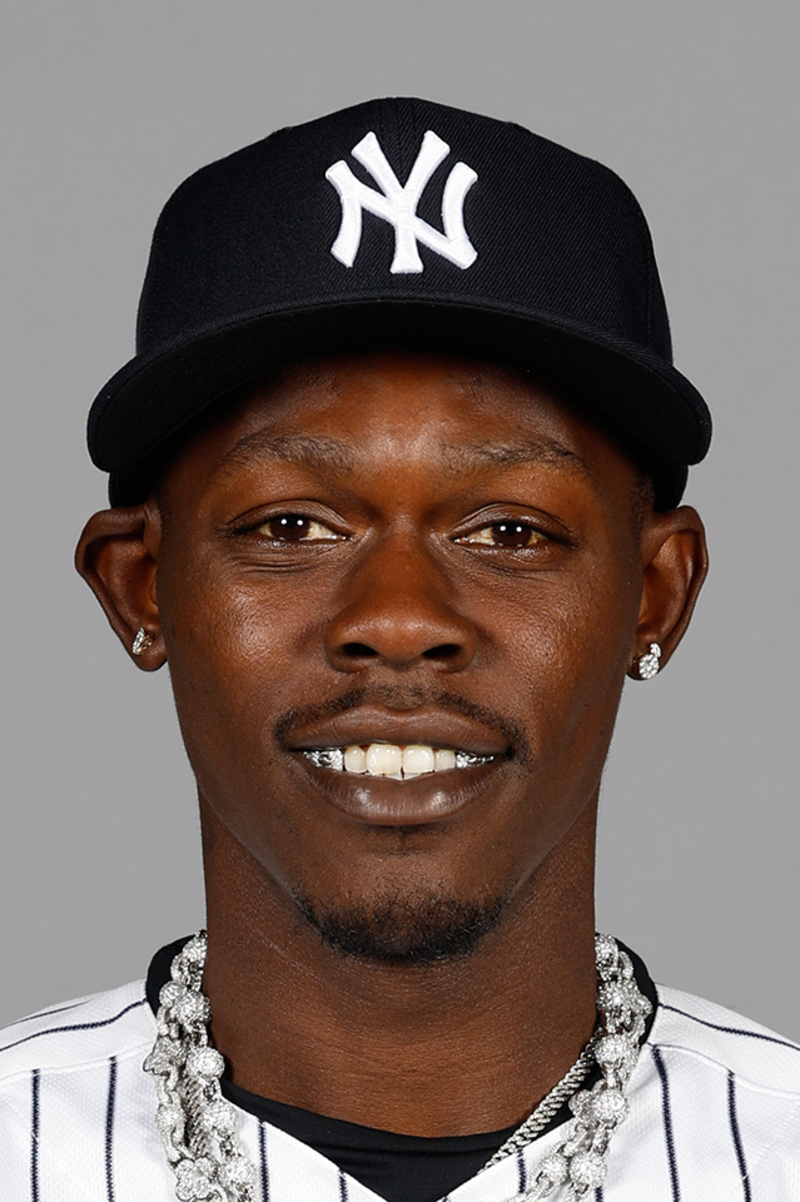
Aaron Judge’s calf remains the biggest unresolved variable around the Yankees, but the context around his return has changed. Before the Wild Card Series, the fear was whether New York could score enough without its captain to survive. Two games later, the Yankees have already survived with an offense that looked functional rather than temporary. Bellinger took the biggest swing, Rice created fear, García produced and Chisholm added athleticism.
Against Tampa Bay, Judge can therefore return as a force multiplier rather than a rescue plan. He forces pitchers to reconsider where they are willing to attack the hitters around him. If Bellinger and Rice remain dangerous, there is no comfortable lane through the heart of the order. Boston was an easier offensive matchup than Tampa Bay will be, so nothing is guaranteed. But New York no longer has to imagine how it might win without Judge. It just demonstrated a framework, and adding Judge to a functioning framework is what makes the ALDS ceiling more interesting.
The ALDS gives New York a chance to turn rotation depth into series control

A best-of-five series changes the value of rotation depth. In the Wild Card round, one dominant start can almost end a matchup by itself. In the ALDS, New York needs the quality to repeat. Gerrit Cole’s return to the postseason gives the Yankees another frontline arm alongside Fried and Schlittler, which creates flexibility around rest, matchups and potential elimination games.
The goal is not simply to collect famous starters. It is to prevent Tampa Bay from getting repeated looks at weak links. If the Yankees can consistently get five or six competitive innings from their starters, Boone can shorten games with his preferred relievers and avoid exposing the middle of the bullpen. It also protects the offense from feeling that every early deficit requires an immediate home run.
Tampa Bay won the division because it sustained pressure over six months, not because it depends on one obvious superstar. That makes New York’s pitching depth a better answer than trying to outslug the Rays every night. The Wild Card sweep showed the template: control the game early, keep the score manageable, then let a deep lineup create separation when the opposing staff finally gives it an opening.
The sweep bought Judge time — and removed some of the pressure from his return
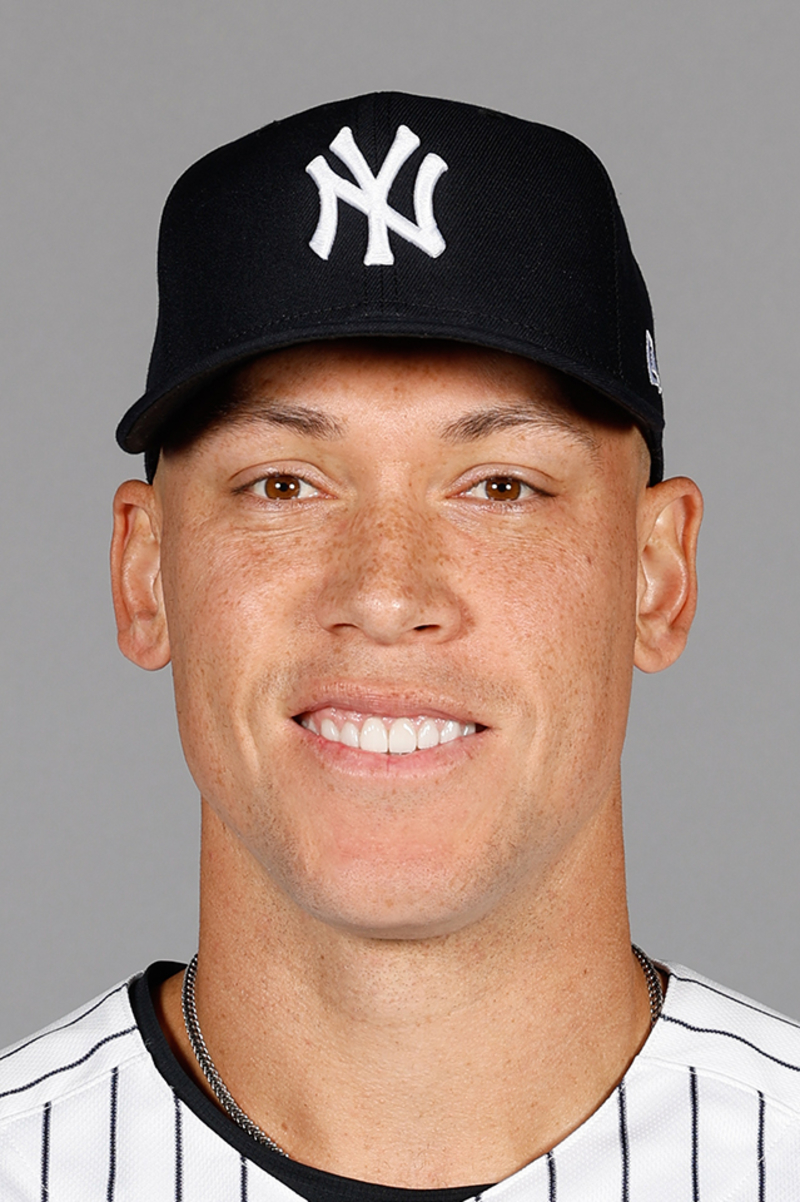
Sweeping instead of extending the Wild Card Series also created a quieter advantage: time. Judge did not have to be rushed into an elimination game simply because the offense was desperate. New York advanced in two games, giving its captain additional recovery time before the Division Series and allowing the medical decision to be driven more by readiness than panic.
That can matter over an entire postseason. A compromised Judge who returns too early may still command attention, but the Yankees need more than his name in the lineup. They need his ability to drive the ball, run the bases safely and remain available if a series stretches. Every extra day reduces the temptation to treat one game as more important than the rest of October.
The rest of the roster earned that breathing room. Bellinger’s homer, Fried’s start, García’s production and the lineup’s collective pressure did more than eliminate Boston. They shifted the burden away from Judge. The best possible version of the Yankees is not Judge carrying an undermanned group. It is a healthy Judge entering a team that has already shown it can create runs and win high-leverage games without him.
The most encouraging part was that New York did not need homers for every run
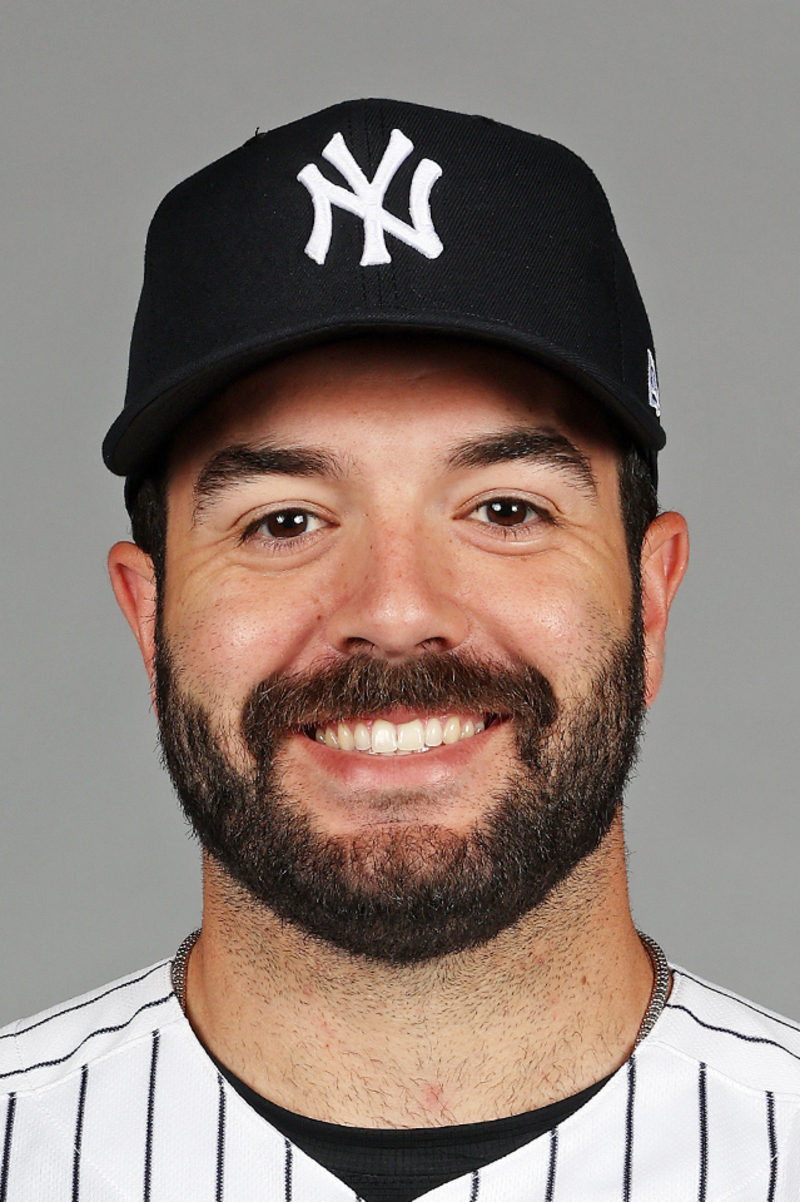
The Yankees are built to hit home runs, but the six-run sixth inning in Game 2 was encouraging because it was not created by one kind of offense. Spencer Jones reached on a strikeout wild pitch and used his speed. Trent Grisham beat out a bunt attempt. Austin Wells produced a sacrifice fly. Ryan McMahon put a ball in play that created another run. Only after Boston had been forced to defend every inch of the inning did Bellinger deliver the three-run homer.
That sequencing matters in October because elite pitching can erase power for stretches. A team that only scores when it clears the fence can become easy to contain when the weather changes, the ballpark gets bigger or a starter is locating on the edges. New York showed it can manufacture stress before the big swing arrives.
Tampa Bay will test that skill. The Rays defend, run and force opponents to execute routine plays under pressure. The Yankees cannot give away outs or wait passively for a mistake. If the same situational discipline carries forward, their power becomes more dangerous because pitchers have to worry about the runner, the bunt, the steal and the contact play before they ever get to the home-run threat.
Boston was overmatched, but the sweep still answered a real Yankees question

There is a temptation after an 18-2 aggregate score to treat the Wild Card sweep as proof that every Yankees concern has disappeared. It has not. Boston entered October with an offense that had struggled badly in September, and the Red Sox never forced New York to play from behind. Tampa Bay is a stronger opponent and won the season series against the Yankees. The ALDS will demand more adjustments and probably more uncomfortable innings.
Still, dismissing the sweep because Boston played poorly would miss what New York actually answered. The Yankees entered the round without Judge and therefore without the player most capable of covering structural weaknesses by himself. Instead of looking smaller, the offense produced 18 runs. Instead of asking the bullpen to protect one-run margins all night, the starters controlled the games and the lineup created separation.
That does not guarantee the formula will scale, but it establishes that the formula exists. New York can win with pitching, situational offense, depth and multiple middle-of-the-order threats. Judge’s return would strengthen all of those things rather than replace them. For a team whose October identity has too often been reduced to whether its biggest stars homer, that is meaningful evidence of a more resilient postseason shape.
Boston was overwhelmed, and Tampa Bay will be harder. That is exactly why the shape of the sweep matters more than the margin. The Yankees advanced because their starters controlled games, their lineup kept creating pressure and several hitters were capable of delivering the decisive swing. If Judge returns, he is joining a functioning October team rather than being asked to revive one. That is a far more dangerous proposition for the rest of the American League.