

McLaren's Phased Upgrades Are a 2027 Gamble — Red Bull Is Seven Points Back
GOATIFYMcLaren is trying to solve two Formula 1 seasons with one development programme. Andrea Stella says upgrades to the MCL40 will arrive in stages through the closing races of 2026, with the immediate aim of returning Lando Norris and Oscar Piastri to the podium fight. Yet those same parts are also tests for ideas the team wants to carry into 2027.
That balancing act has become urgent. Max Verstappen's Singapore victory strengthened Red Bull's resurgence, while Norris and Piastri finished fourth and fifth. McLaren now holds just a seven-point advantage over Red Bull in the Constructors' Championship. The team that won the previous two constructors' titles is no longer setting the pace; it is trying to catch rivals who have found performance more quickly.
Red Bull's gains have turned a technical deficit into a seven-point fight
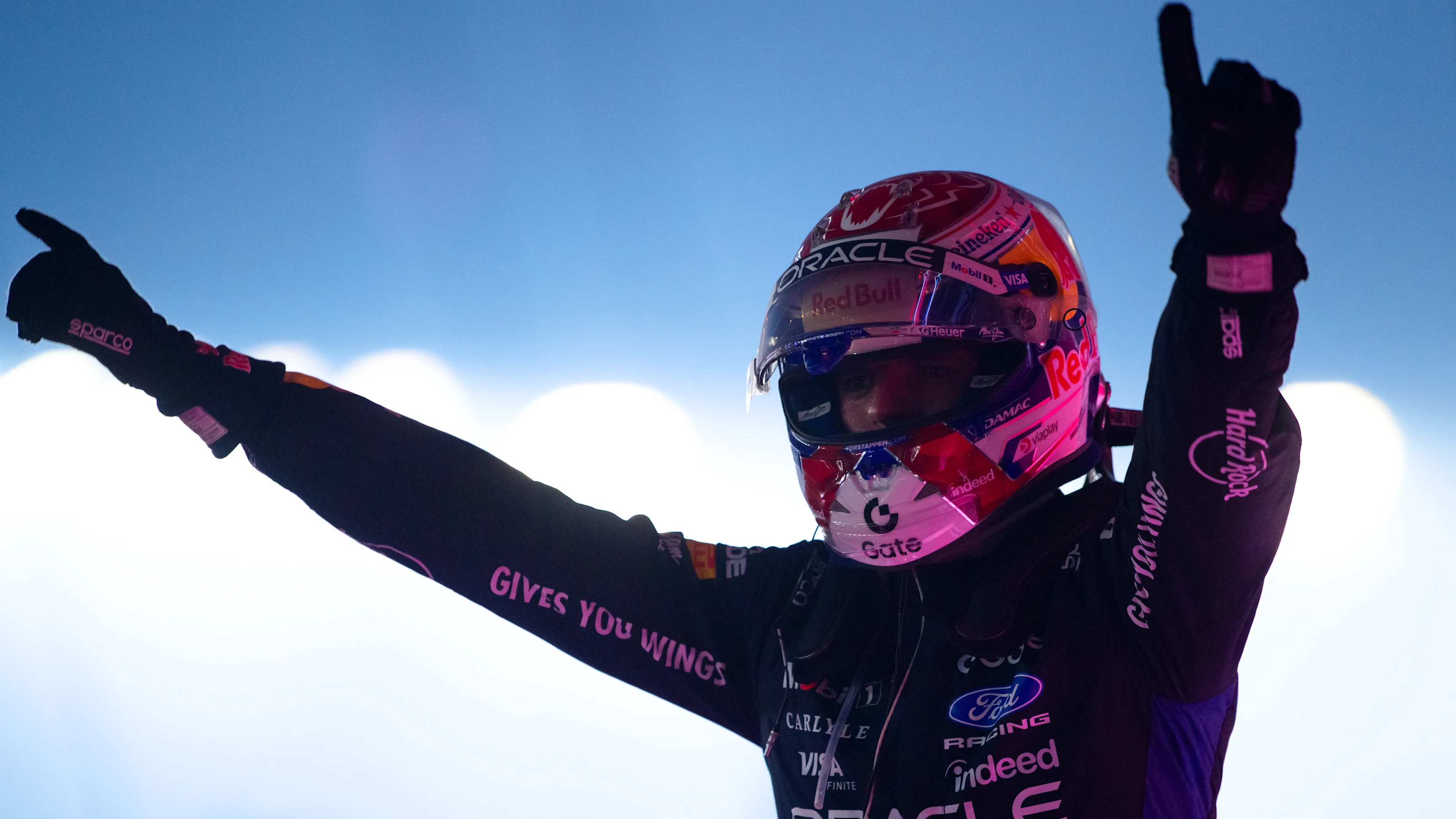
Singapore offered McLaren an unusually clear measurement of where it stands. Verstappen controlled the Grand Prix from pole and won ahead of Charles Leclerc and Kimi Antonelli. Norris reached the finish in fourth, with Piastri fifth, but neither McLaren was in position to dictate the pace of the leading group. Norris described his car as the fourth-fastest of the major contenders. That is a harsh assessment for a reigning champion, yet the finishing order did little to contradict it.
Stella estimated that Red Bull's advantage over McLaren in Singapore was in the region of three tenths of a second. In Formula 1 that is not a small margin, but neither is it an unbridgeable one. It can represent the gain from a successful aerodynamic package, better energy deployment, or a setup window that a team finally understands. The problem is that McLaren cannot assume its rivals will stand still while it closes the gap.
The championship numbers make the cost visible. After Singapore, McLaren sat third on 339 points, only seven ahead of Red Bull's 332. Ferrari was further up the road on 444, while Mercedes led with 578. A single strong weekend for Verstappen, especially if both McLarens struggle, could reverse that third-place order. Conversely, a genuine McLaren step forward would help protect the team's position and reopen the argument about whether Ferrari is still catchable.
This is why the development story matters more than the familiar post-race language about working harder. The question is not whether McLaren can extract one clever qualifying lap. It is whether the car can become competitive across tyre compounds, corner types and race stints. Red Bull's recent improvement has exposed how quickly the competitive hierarchy can change when a team makes the right technical decisions.

Stella is promising upgrades in phases, not a single miracle package
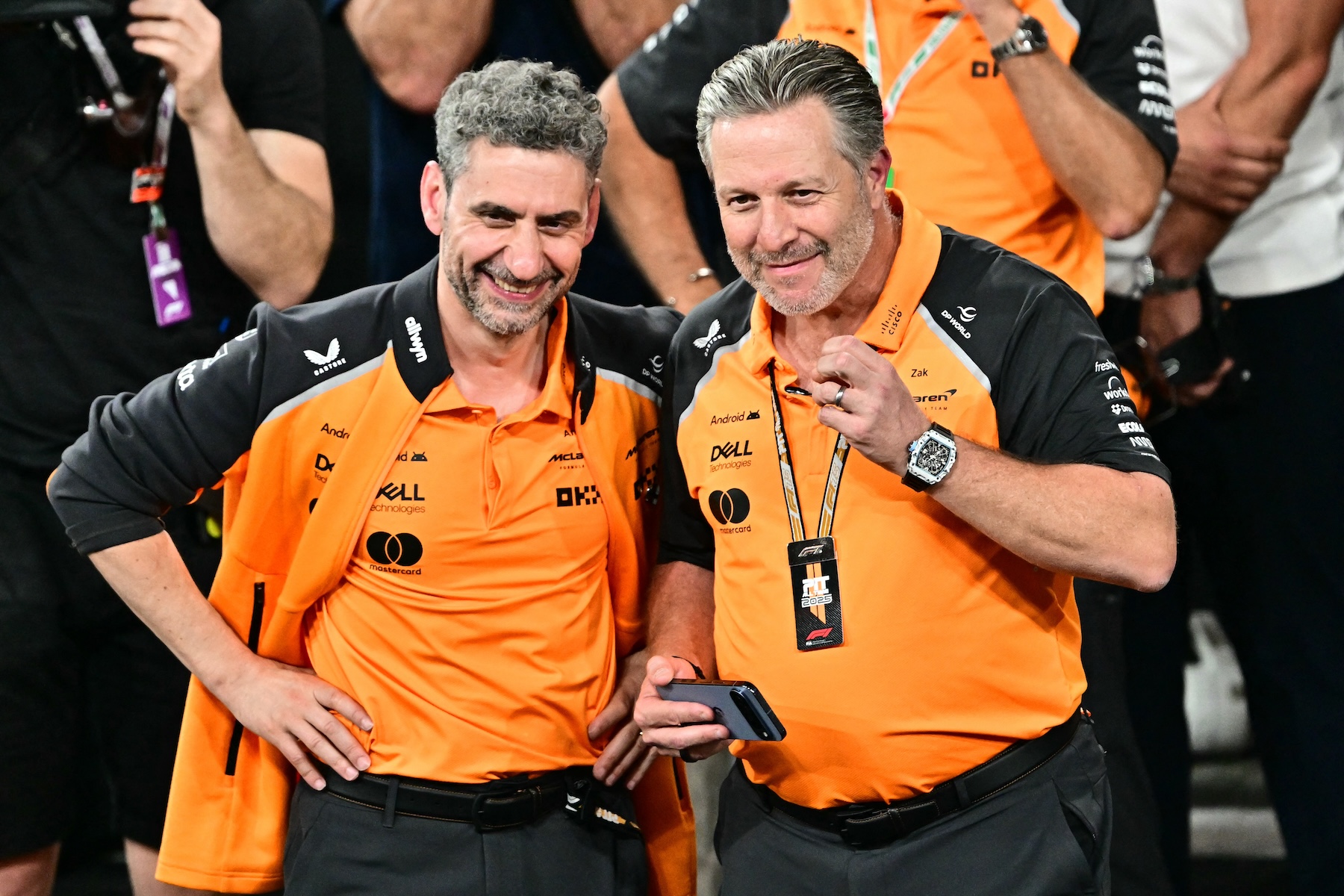
Stella's plan is deliberately incremental. McLaren intends to introduce upgrades across the remaining races rather than place its entire recovery on one dramatic redesign. The first objective is to make podiums attainable on outright speed instead of requiring mistakes, penalties or unusual strategy from faster cars. The bigger ambition, to fight for victories again, may not be properly measurable until the final three events of the season.
That timetable creates a difficult trade-off. Staged development reduces the risk of committing every resource to an unproven concept, and each race can produce useful information for the next step. But it also means a new part may arrive after a rival has already taken another points haul. The closer the standings become, the less comfortable a cautious rollout feels. McLaren must decide how much immediate performance it can afford to leave in the factory.
The engineering challenge is broader than adding a little downforce. Drivers need a predictable car that stays in its operating window when the tyres age, the track changes and turbulent air compromises the front end. Norris has described the MCL40 as physically and mentally demanding to extract speed from. An update that improves a peak wind-tunnel number but makes the car harder to drive would not necessarily produce a better race result.
Stella has also described the 2026 development contest as a kind of back-and-forth between teams. Red Bull has recently taken its turn to advance; Mercedes has experimented with updates of its own. McLaren wants its next moves to be substantial enough to change the competitive picture, not merely to keep pace with everyone else's progress. That is a higher standard than simply declaring a package successful because a sensor shows more load.

Every 2026 upgrade is also a live experiment for McLaren's 2027 car
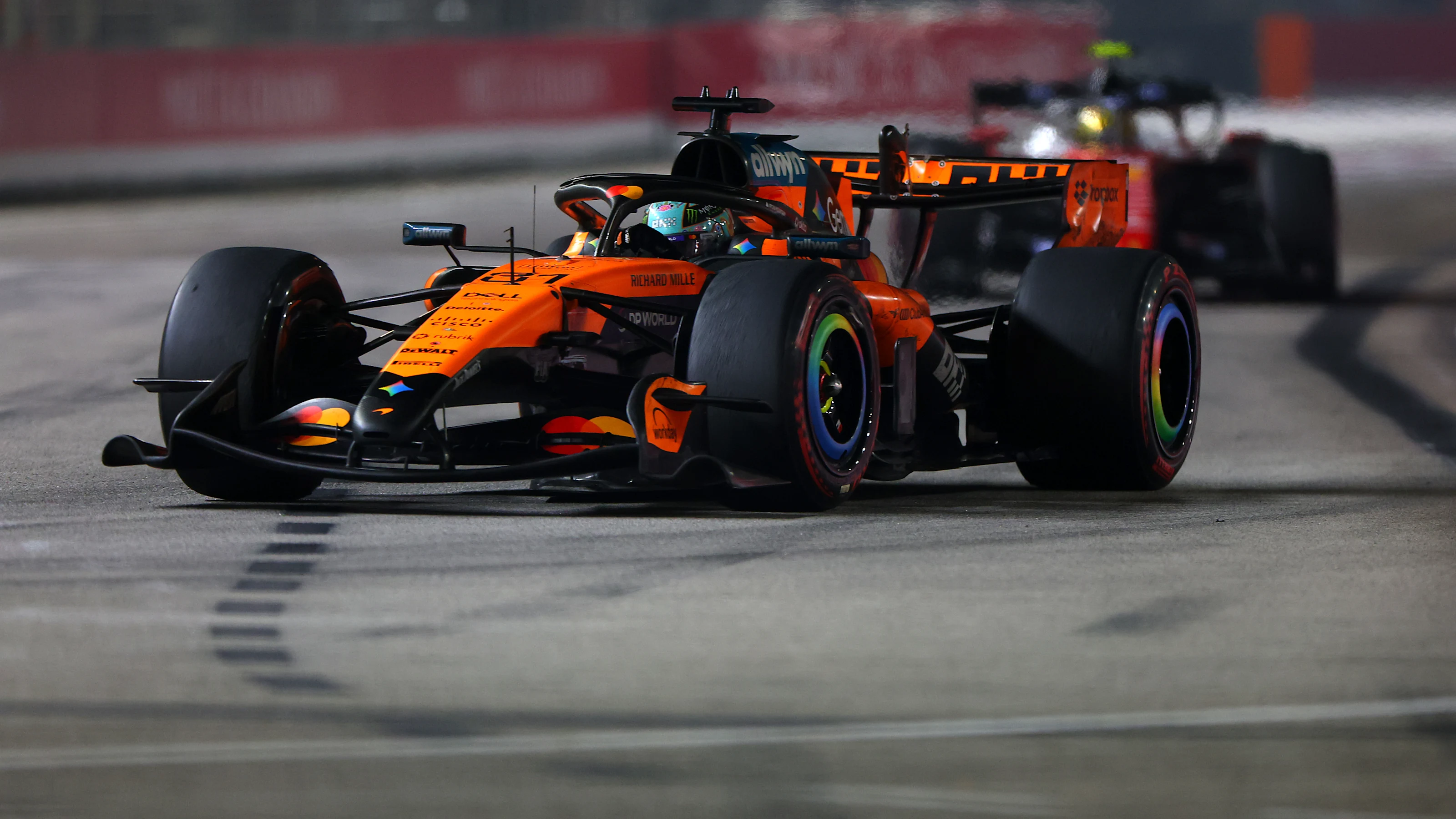
The second half of Stella's reasoning reaches beyond the current championship table. McLaren wants to test aerodynamic principles now that it may retain in the 2027 design. That makes the final races valuable even if the Drivers' Championship is no longer realistically within reach. A car that produces consistent, repeatable data can help the team distinguish a genuinely useful idea from one that only looks promising in simulation.
Modern Formula 1 development is a contest between prediction and reality. Engineers use computational fluid dynamics, wind tunnels and simulators to estimate how a component will behave, but the circuit adds changing ride heights, yaw angles, bumps, dirty air and tyre effects. An upgrade can be theoretically efficient and still fail to deliver the expected lap time. Testing a concept on the MCL40 provides evidence before a future car is locked into the same direction.
That does not mean the 2027 McLaren will simply be the current car with a new paint job. Regulations and packaging choices evolve, and teams have to decide which aerodynamic lessons survive a change in geometry. The useful carryover is often the understanding of airflow behaviour, sensitivity and the relationship between a driver's confidence and the car's responses. It is knowledge, not just hardware.
There is also a real danger in trying to satisfy two projects simultaneously. If McLaren chooses a development path chiefly because it is promising for next year, the immediate gains could be too modest to protect third place. If it chases only the next race, it could waste valuable learning time. Stella's phased approach is an attempt to avoid that false choice: race the parts that can help today, while using each upgrade to test whether the underlying philosophy deserves a place in 2027.
Austin will show whether Norris and Piastri have a car they can attack with
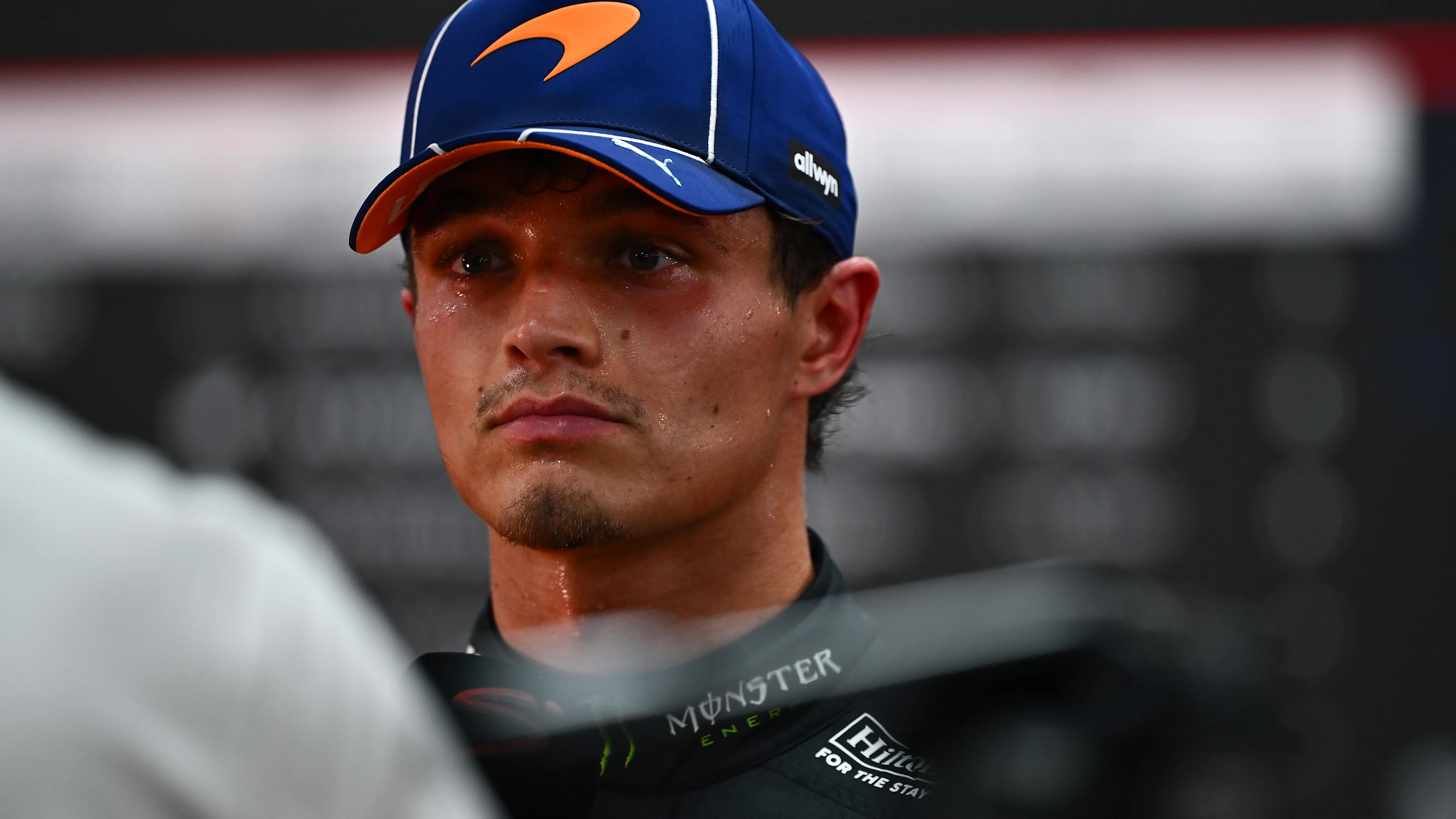
The next scheduled Grand Prix is in Austin on October 23-25, followed by Mexico City, São Paulo and Las Vegas. The sequence gives McLaren contrasting circuits on which to judge its car. Austin's mixture of fast direction changes, long straights and slower corners should reveal more than a single headline lap time. The team needs to learn whether its weakness is concentrated in one kind of corner or is a wider aerodynamic limitation.
Norris and Piastri also have different reasons to want a more forgiving car. Norris has been blunt about the effort required to keep the MCL40 near the front. Piastri, meanwhile, has been working to make his driving more natural with the 2026 machinery. A wider setup window would let both drivers spend less of a weekend compensating for the car and more of it attacking rivals. That could be worth as much as a narrow gain in maximum downforce.
Singapore's result showed both the value and the limits of clean execution. Norris and Piastri advanced to fourth and fifth, with the latter recovering from an extra stop caused by a slow puncture. Yet even a reasonably well-managed Sunday did not put either driver on the podium. Good strategy can defend a result, but it cannot consistently erase a deficit in raw pace. The new parts must change that equation.
The most meaningful signs in Austin will be repeatable race pace, tyre management and a smaller gap to the leading cars across multiple sessions. A single flashy qualifying result would be encouraging, not conclusive. McLaren needs a package that travels well. If it delivers one, the fight with Red Bull may swing back quickly. If it does not, the team will face the uncomfortable prospect of spending the closing races testing next year's ideas while defending this year's position.
McLaren has a coherent reason to keep developing the MCL40, but coherent plans do not earn championship points. Stella's phased upgrades must improve the car quickly enough to withstand Red Bull's pressure while producing reliable lessons for 2027.
The final races are therefore both a competition and an experiment. Norris and Piastri need a machine capable of podiums on merit. McLaren's engineers need evidence that their next aerodynamic direction is the right one. The strongest outcome is not merely beating Red Bull once; it is discovering a performance gain that still matters when the new season begins.
















