Norman Powell Gives the Warriors a Way to Help Curry Without Blowing Up the Core
GOATIFYGolden State's problem is easy to describe and difficult to solve. Stephen Curry is still good enough to make a playoff offense dangerous, but the Warriors no longer have the healthy, deep roster that once allowed them to absorb injuries and wait for internal answers. Jimmy Butler and Moses Moody are recovering from major knee injuries, Kristaps Porzingis is out indefinitely, and Curry is entering his eighteenth season after playing only 43 games last year.
That is why a hypothetical trade built around Norman Powell is interesting. The proposal sends Powell and Jalen Smith to Golden State for Porzingis, Moses Moody, Brandin Podziemski and a protected 2028 first-round pick. It is not a report that the teams are negotiating; it is a roster-building thought experiment. But it targets the exact tension the Warriors face: how to add proven scoring around Curry without moving Draymond Green or Butler and without emptying the post-Curry draft cupboard.
Why Powell Fits the Curry Window Without Replacing the Core
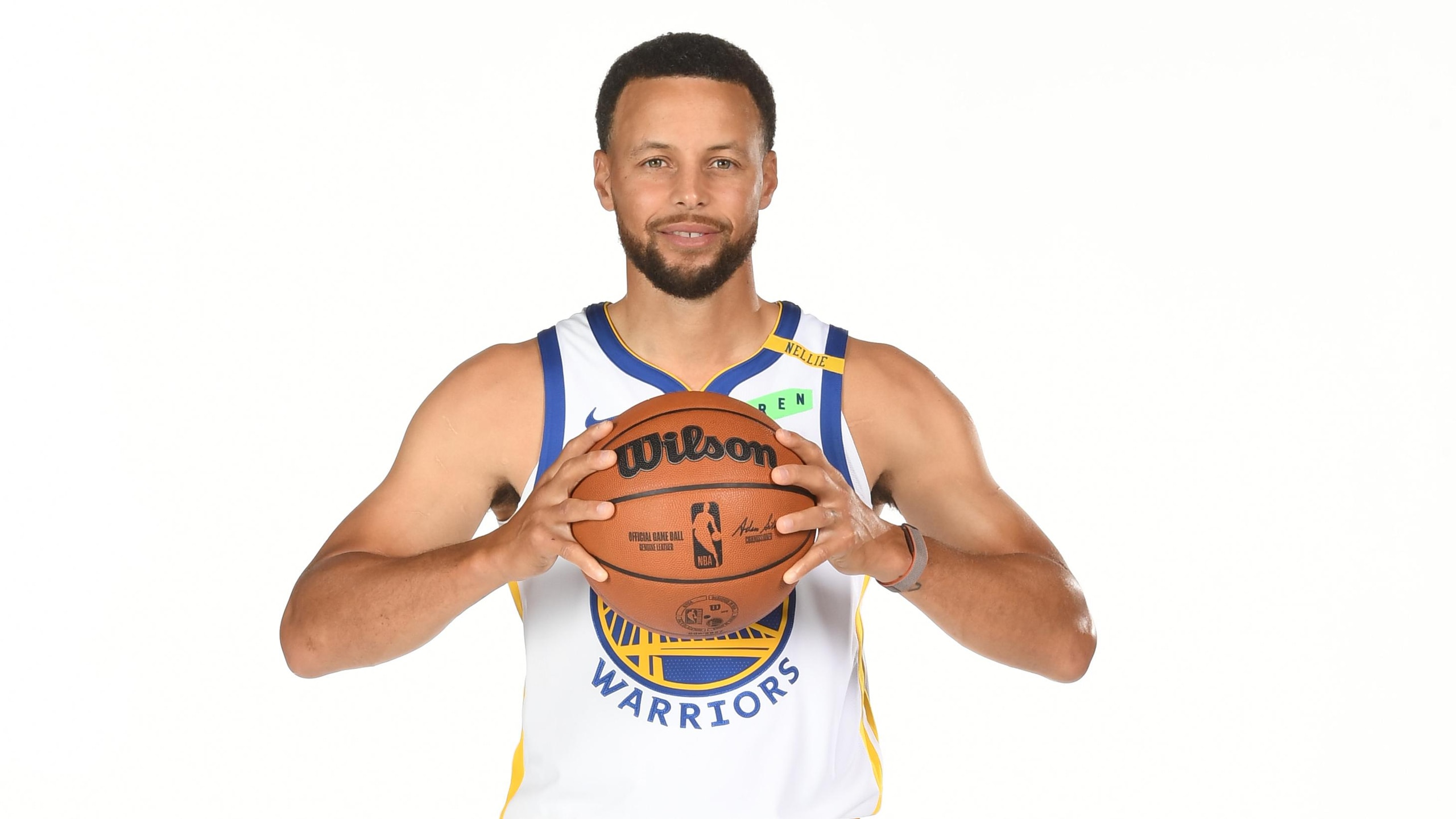
The Golden State case starts with Curry's timeline. He signed a two-year, $116 million extension in late September and accepted less than the maximum to leave the franchise more flexibility. That choice only matters if the Warriors eventually use some of that flexibility to improve the roster around him.
Powell is appealing because his salary and skill set make the math less destructive than a typical star chase. He has averaged at least 20 points in consecutive seasons and is coming off an All-Star year. He is a career 39.6 percent three-point shooter, can attack a closeout and does not need to dominate the ball to create value. Next to Curry, that matters. Golden State needs another perimeter player who can punish defenses for loading two defenders toward No. 30 without requiring the offense to be rebuilt around him.
The hypothetical framework also preserves the two veterans Golden State would be most reluctant to sacrifice. Green remains the defensive organizer and the connective passer who understands Curry better than anyone. Butler, when healthy, gives the Warriors another late-clock creator and a physical wing defender. A Curry-Powell-Butler-Green group would be old, but it would also have four players who understand playoff possessions and can solve different problems.
The outgoing cost is not light. Podziemski is 23 and has already shown value as a secondary creator. Moody is 24 and shot better than 40 percent from three on significant volume last season before his knee injury. Porzingis is included largely for salary matching, but his size and shooting could matter if his health improves. The protected 2028 first is the piece that forces Golden State to decide how much of the near future it is willing to spend.
Still, the timing of that pick is part of the attraction. The Warriors would not be sending away a stack of selections deep into the 2030s, when Curry may be retired. They would be paying a meaningful but bounded price for a scorer who can help immediately. Jalen Smith would also give them a more dependable floor-spacing big while Porzingis' health remains uncertain.
The current roster context makes the idea easier to understand. Butler and Moody are still working back from knee surgeries, and Porzingis entered camp sidelined indefinitely by a health issue. Golden State does not know exactly when its preferred veteran lineup will be available. Powell would not solve every injury problem, but he would reduce the amount of offense Curry has to manufacture by himself while the rotation stabilizes.

Why Chicago Could Prefer the Younger Side of the Deal
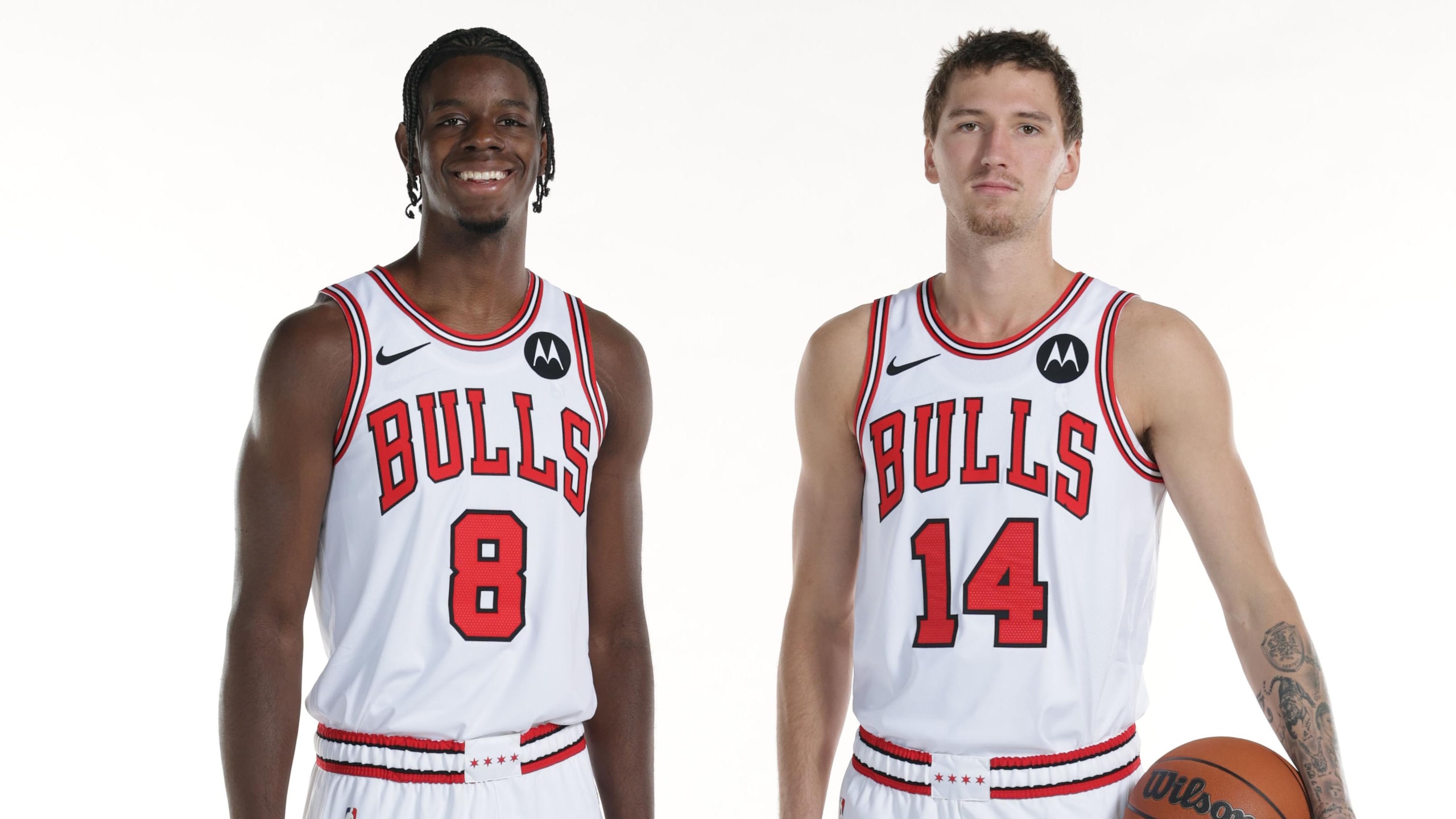
Chicago's logic runs in the opposite direction. Powell can still help a good team win, but the Bulls are not operating on Curry's clock. Their most interesting pieces are younger forwards Caleb Wilson and Matas Buzelis, and the organization has more reason to accumulate players and picks that can grow with that timeline than to maximize a veteran scorer's short-term production.
Podziemski would be the centerpiece of the bet. He can score, shoot and create without needing to be a traditional high-usage point guard. On a rebuilding roster, Chicago could give him more responsibility and find out whether his flashes as a complementary creator can scale. Moody would offer a different kind of upside: a young wing with size, defensive willingness and a proven catch-and-shoot profile. Neither player is a guaranteed future star, but both are young enough to be evaluated alongside the Bulls' core rather than around it.
The first-round pick is what makes the package feel like rebuilding value instead of a simple talent swap. Even with top-four protection, a 2028 Golden State pick carries uncertainty. Curry would still be under contract entering that period, but age and health can change a team's trajectory quickly. Chicago would be acquiring an asset whose value is not tied to Powell remaining productive into his mid-30s.
Porzingis is the awkward piece. He is not the reason Chicago would make the trade, and his health makes him difficult to project. But his contract can function as a bridge rather than a foundational commitment. If he recovers and plays well, the Bulls could use him or explore another move. If not, the younger players and pick remain the real return.
There are reasons Chicago could say no. Powell is coming off an All-Star season, so the Bulls may believe his trade value is higher than a protected first plus two players whose ceilings remain uncertain. They may also prefer to wait until the deadline, when contenders have a clearer picture of their weaknesses and urgency can raise prices.
That is why this is best viewed as a framework rather than a prediction. The value question is debatable, but the direction makes sense. Golden State would exchange youth and one near-future pick for immediate scoring around Curry. Chicago would exchange an older win-now player for two younger rotation pieces and another draft asset. The proposal works as an illustration of two teams solving different problems with the same transaction.

The appeal of the idea is not that Powell suddenly turns Golden State into a favorite. It is that the structure attacks several problems at once. Curry gets another proven scorer, the Warriors preserve Butler and Green, and the outgoing first-rounder arrives before the deepest part of the post-Curry future.
Chicago's side is equally important. A rebuilding team should care more about Podziemski, Moody and a first than about squeezing every possible win from a 33-year-old scorer. That makes the framework coherent for both timelines, even if the exact price is debatable.
Golden State's real decision is bigger than Powell. Curry has committed to finishing his career in the Bay and took less than the maximum on his new extension to preserve flexibility. At some point, the Warriors have to decide what that flexibility is for. A move like this would be a bet that one more credible scorer can make the remaining Curry years matter without pretending the franchise still has an unlimited championship window.