Henry Cejudo Wants Herb Dean Removed — but UFC 332 Shows Why the Referee Debate Is Complicated
GOATIFYHenry Cejudo has turned the latest Herb Dean controversy into a much larger argument about accountability in MMA officiating. After Dean stopped Esteban Ribovics' UFC 332 fight with King Green following a third knockdown, Cejudo said athletic commissions should consider removing the veteran referee from assignments. Green protested immediately, while UFC CEO Dana White acknowledged Dean has had a difficult year but said he has seen worse stoppages.
The disagreement is useful because it separates two questions that often get blurred together. Was the Green stoppage itself indefensible? Not necessarily. Three knockdowns in one round give a referee a strong safety case. But Cejudo's criticism is not really built on one call. It is about the accumulation of disputed moments in 2026 and whether commissions have a clear way to respond when confidence in a referee starts to erode.
UFC 332 is a difficult case for proving Herb Dean has to go
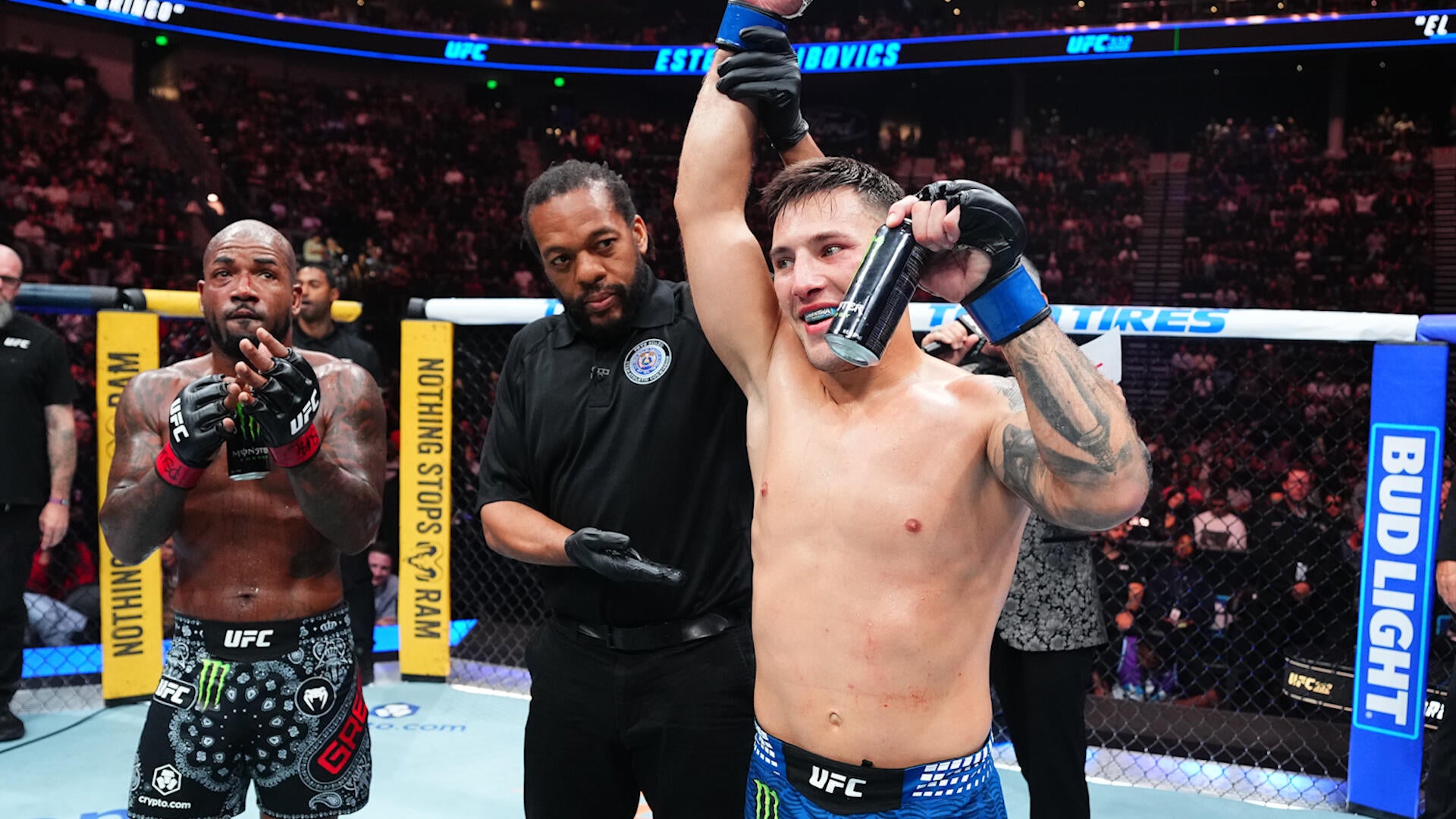
At UFC 332, Ribovics did not land one isolated flash shot and then watch Dean rush in. He repeatedly hurt Green and dropped him three times before the stoppage at 4:08 of the first round. Green remained conscious and argued he could continue, but repeated knockdowns change the risk calculation. A referee is not required to wait for a fighter to lose consciousness before deciding that intelligent defense has broken down.
That is why this particular stoppage is a difficult centerpiece for an argument that Dean should be removed. White's reaction captured the tension: he acknowledged the broader criticism surrounding Dean while also suggesting the UFC 332 call was within a defensible range. Green's own frustration is understandable, especially after he had reportedly asked Dean before the fight to let him continue through difficult moments, but a fighter's preference cannot be the referee's only standard.
The stronger criticism comes from consistency. Fans, fighters and corners need to understand what level of damage will trigger intervention. If one referee allows a hurt fighter multiple chances to recover while another stops a similar sequence earlier, every borderline call becomes a referendum on the official rather than the action. Dean's long career and experience make that scrutiny sharper, not softer, because he has been trusted with the sport's biggest fights for years.
Ribovics also deserves not to have his performance reduced to an officiating debate. He repeatedly found Green with damaging offense, scored three knockdowns and forced the referee to make a decision. Whatever anyone thinks about the exact second Dean stepped in, Ribovics created the danger that made intervention possible.

The bigger question is what referee accountability should actually look like
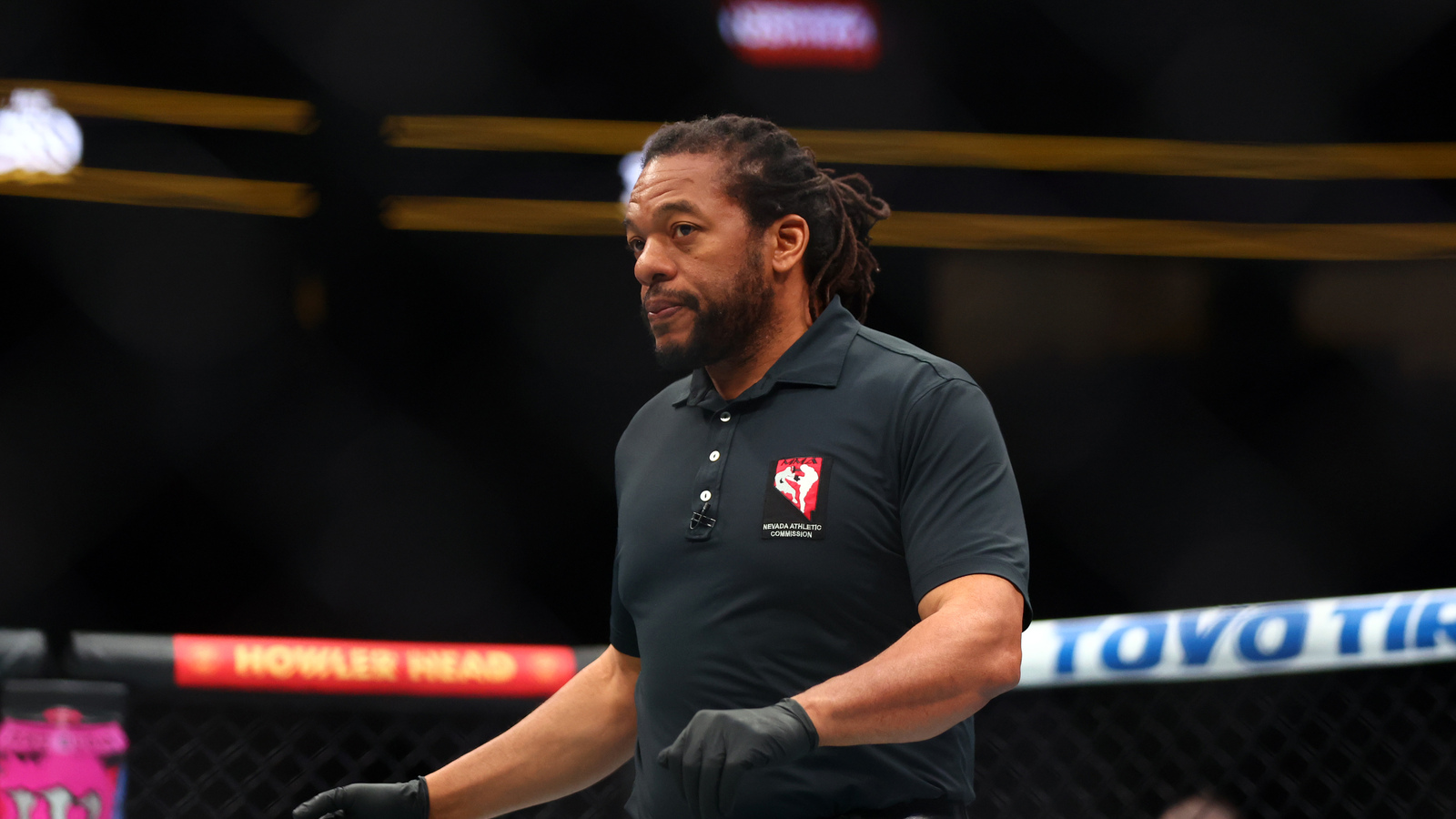
Cejudo's case reaches beyond Salt Lake City. He pointed to a recent Contender Series sequence in which Ian Escuza landed an illegal knee against Luca Borando and to Dean's handling of the Ciryl Gane-Alex Pereira fight at the UFC White House event. Those incidents involved different rules and different judgment calls, but together they explain why another controversial moment can carry more weight than it would in isolation.
The important structural point is that UFC referees are assigned and regulated by athletic commissions, not simply hired and fired by the promotion based on fan reaction. That is healthy for the sport, because officials should not feel pressure to produce the outcome a promoter, fighter or audience wants. Independence, however, also makes commission review important. Accountability can mean retraining, fewer high-profile assignments, clearer guidance, performance review or a temporary step back; it does not have to mean treating every disputed stoppage as proof of incompetence.
Cejudo's language was much harsher than that, but the underlying question is legitimate. MMA asks referees to make irreversible safety decisions in seconds, often while a fighter is moving, falling, recovering or absorbing follow-up shots. Perfect consistency is impossible. Transparent standards and meaningful review are not.
Dean has enough history that one rough stretch should be evaluated in context rather than through social-media momentum. At the same time, reputation cannot become permanent immunity from scrutiny. If commissions believe a pattern has developed, they should be able to explain what they are seeing and what corrective steps follow. That would protect referees as much as fighters, because it replaces vague public outrage with an actual performance process.
The UFC 332 stoppage may ultimately be the least convincing example in Cejudo's argument. Three knockdowns gave Dean a legitimate safety reason to act, even if Green wanted more time. The broader 2026 debate is harder to dismiss because it is about repeated scrutiny and confidence in the system.
The useful outcome is not a popularity vote on Herb Dean. It is a clearer answer to how elite MMA officiating is reviewed when controversial calls begin to stack up. Fighters need protection, referees need independence, and fans need to know that neither experience nor reputation removes anyone from meaningful evaluation.