

Kaprizov Needed 21 Seconds. The Wild Needed All 60 Minutes.
GOATIFYOne spectacular shot decided the game, but it did not explain it. Kirill Kaprizov needed only 21 seconds of overtime to beat Montreal on November 10, firing a power-play one-timer past Jacob Fowler and giving Minnesota a 2-1 victory at Bell Centre. The finish was fast. Everything that made it possible was slow, tense and built on tiny margins.
For almost two periods, Jesper Wallstedt and Fowler made a scoreless game feel deliberate rather than dull. Then Bobby Brink punished a turnover, Nick Suzuki forced overtime with a desperate late equalizer, and a penalty in the closing minute turned the extra period into a four-on-three opportunity. Minnesota extended its point streak to nine games, but Montreal's own run reached 11. One winner did not erase how evenly these teams had played.
Wallstedt and Fowler made every scoring chance feel expensive

Bell Centre began the night with a reminder of what exceptional goaltending can mean to Montreal. Carey Price was honored after entering the Hockey Hall of Fame, and the crowd gave its former franchise goalie a lengthy ovation. There was no promise that the current game would resemble one of Price's tightest nights, but the first two periods quickly supplied the same kind of pressure: patient puck movement, little open ice and two goaltenders unwilling to provide a cheap rebound.
Wallstedt faced 28 shots and stopped 27. Fowler saw 24 and turned away 22. Those totals are not monstrous by NHL standards, which makes the quality of the chances they erased more important than the raw volume. Wallstedt's positioning meant Montreal could spend stretches in the offensive zone without turning possession into a goal; Fowler remained composed enough to keep a skilled Minnesota attack from taking control. For the Wild, the inability to clear the zone at times was survivable because their goalie could absorb one more shift of pressure.
The first period nearly delivered a very different story. Alex Newhook appeared to score during a Canadiens power play, but a video review established that his shot struck the iron and never crossed the goal line. That distinction mattered beyond the scoreboard. A home team playing in front of an emotional crowd could have taken an early lead and forced Minnesota to open up. Instead, the overturned goal preserved the tie and rewarded both sides for resisting the temptation to chase offense at the expense of their defensive shape.
Fowler's October Rookie of the Month recognition gives his performance some context. He entered with a run of ten straight appearances without a regulation defeat after his season-opening loss. This was not a backup randomly catching fire for one evening; it was another example of the form that had stabilized Montreal's crease. Wallstedt, meanwhile, looked just as comfortable in a game that demanded long periods of concentration between its most dangerous chances.
Montreal eventually finished with four more shots than Minnesota, 28-24. The difference was meaningful without being decisive. The Canadiens could argue they generated enough pressure to win; the Wild could point to the way they protected the middle and survived the difficult minutes. In a matchup this compressed, neither club had to dominate forty minutes to own the next scoring chance. It took one mishandled puck to finally break the deadlock.
Brink found one opening, and Suzuki found the last one
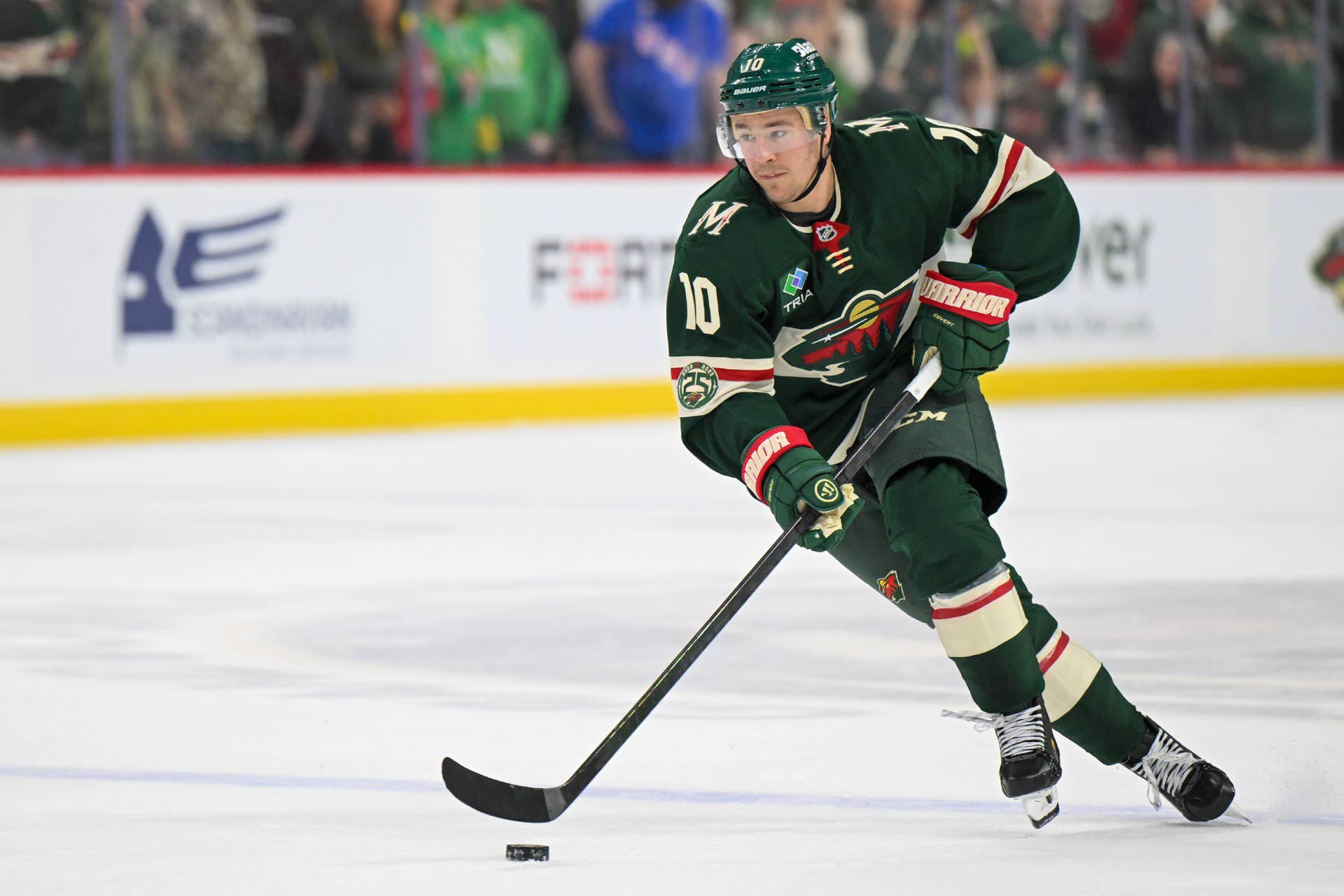
By the time the third period began, a single mistake looked capable of deciding the entire contest. Minnesota did not need a long offensive-zone cycle or a series of rebounds. At 2:53, Josh Anderson struggled to settle a puck in the neutral zone, and Bobby Brink was ready to turn the loose touch into a clean breakaway. Brink drove toward Fowler and finished to the glove side. The goal was officially unassisted, which says something about how quickly a harmless-looking exchange became a scoring play.
That transition is why neutral-zone details matter so much in a low-scoring game. Anderson's turnover was damaging, but it also revealed Minnesota's readiness to attack immediately instead of simply settling for another dump-in. Brink identified that Fowler would have no time to read a developing passing sequence; the goalie had to defend a one-on-one chance after standing tall against far more organized pressure. One stolen puck temporarily outweighed forty minutes of collective defense.
The lead changed Minnesota's choices. With Wallstedt providing a reliable final layer, the Wild could protect the dangerous ice without trying to manufacture a second goal on every shift. The drawback is that protecting a one-goal margin for almost an entire period gives a desperate opponent time to build momentum. Montreal kept pushing, and the home side had enough possession to create a final opportunity even when the clock was almost empty.
With Fowler pulled for an extra attacker, Cole Caufield attacked from a sharp angle late in regulation. His attempt ricocheted through an awkward sequence involving Wallstedt and the goal frame, leaving the puck within reach of Nick Suzuki. At 18:22, the Montreal captain pushed it through traffic to make it 1-1. Lane Hutson and Caufield received the assists. It was an untidy goal by design: six attackers create congestion and second chances that do not exist during a settled five-on-five shift.
The equalizer gave Montreal a deserved point and made clear why the club's own run had reached 11 consecutive games with at least one standings point. That does not mean the Canadiens controlled every shift; it means they had enough attacking persistence to make one final push count. The Wild had successfully protected the center of the ice for most of the night, then learned that a bouncing puck near the crease can undo even a disciplined defensive period.
Neither Brink's breakaway nor Suzuki's equalizer was a textbook display of a team outplaying its opponent over several minutes. They were the two ends of hockey's risk spectrum: one loose touch produced an immediate odd-man opportunity, and one crowded rebound rewarded sustained pressure. That contrast made the overtime setup especially cruel. After finally rescuing the game, Montreal had scarcely enough time to settle back into even-strength structure.
GOATIFY
GOATIFY Hockey
A game decided by alert puck pressure and one clean breakaway: explore GOATIFY Hockey gear for fans who appreciate the smallest winning edges.


Kaprizov ended it in 21 seconds; the streak required much more
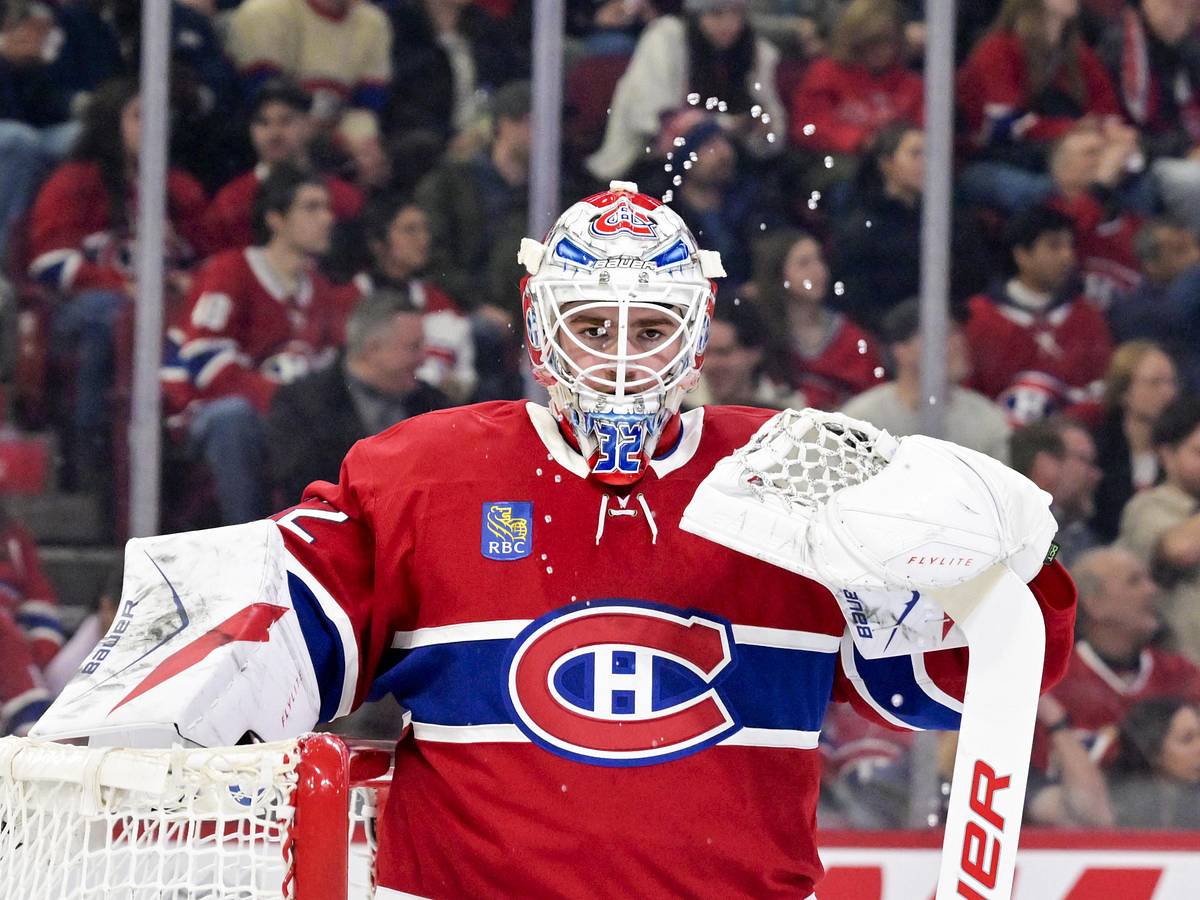
Montreal's comeback was followed almost immediately by a penalty that changed the terms of overtime. In the final minute of regulation, Cole Caufield was called for slashing when Quinn Hughes' stick broke during a battle near the boards. The Canadiens disagreed with the decision, but the practical consequence was clear: Minnesota carried the man advantage into the extra session. Against the Wild's skilled puck movers, four-on-three coverage demands precise positioning from every defender.
There was no extended chess match after the puck dropped. Hughes helped move the puck into the attacking area, Matt Boldy contributed to the play, and Kaprizov got his shooting chance from the right circle. The one-timer was in the net at 0:21. It was his 17th goal of the season, and it arrived before Montreal could play even half a minute of overtime. Fowler had been excellent for sixty minutes, but that kind of quick, clean release is exactly what extra attacking space gives an elite finisher.
Hughes' assist also carried a milestone of its own. According to the NHL's game report, he reached 80 points with Minnesota in 68 games, the second-fastest a defenseman has reached that total with a franchise; only Paul Coffey, who needed 53 games with Pittsburgh, did so faster. That pace matters here because a four-on-three power play magnifies the value of a defender who sees pressure before it develops. Montreal had to account for Hughes moving the puck, Boldy's supporting position and Kaprizov's shooting lane all at once. The winner was not simply one exceptional shooter finding open ice. Passing threats forced the defenders to choose what to cover, and Kaprizov punished the gap left by that choice.
Kaprizov's individual numbers make the finish more than a random highlight. The goal extended his point streak to nine games, during which he had six goals and nine assists. It was also his 15th career overtime goal since entering the NHL in 2020-21, tying Caufield for the most by any player in that period. Those are different measures of impact: one tracks the repeated contributions that keep an offense moving, while the other describes an unusual ability to settle games when there are fewer defenders on the ice.
The supporting cast mattered. Hughes was the defender who drew the late penalty and helped set up the winner; Boldy provided the other assist. Brink had already supplied the goal that put the Wild in front, and Wallstedt's 27 saves gave the lineup a platform from which a single late chance could matter. Minnesota had allowed enough offensive-zone time for coach John Hynes to acknowledge the work required to defend, but it also avoided a broader collapse after Suzuki's goal. That is what makes the streak look more sustainable than a collection of dramatic endings.
The result moved Minnesota to 13-3-4, with a 7-0-2 record across its nine-game point streak. Montreal finished the night 11-3-4 and 8-0-3 over its 11-game run. Those sequences do not suggest the gap between the clubs is enormous. They suggest that both have been especially hard to beat in regulation, even when a match is decided by an isolated turnover or a special-teams chance.
From Minnesota's perspective, the value is that it won a game in which its most important forward was not required to carry the entire offensive load for three periods. For Montreal, the disappointment is narrower: it matched a high-level opponent through regulation and secured a point, but the combination of one late call and one clinical shot denied it a chance to decide overtime at even strength. The evening belonged to Kaprizov; the larger lesson belonged to both teams.
GOATIFY
GOATIFY Hockey
Kaprizov's overtime winner is another reminder of hockey's high-stakes moments. Shop GOATIFY Hockey designs for the next game-night celebration.
Twenty-one seconds will dominate the highlight reel because Kaprizov made overtime look simple. The sixty minutes before it were anything but. Wallstedt held Minnesota together through pressure, Fowler kept Montreal close, Brink converted the one broken play, and Suzuki refused to let the night end quietly.
Both teams extended long point streaks, and both can find something repeatable in their performance. For the Wild, the next challenge is to turn that disciplined resistance into cleaner time with the puck. For Montreal, it is to turn strong stretches of possession into goals before a late scramble becomes necessary. In a game with so little room, the final score separated them by only one shot.


















