8 MLB Owners Who Should Consider Selling After the Angels and Padres Deals
GOATIFYThe record-setting sale prices for the San Diego Padres and Los Angeles Angels have created an obvious question around Major League Baseball: if owners can cash out at valuations far beyond what they originally paid, which franchises would benefit most from a change at the top?
The Padres sold for roughly $3.9 billion and the Angels for about $4 billion, dramatically more than the valuations attached to both clubs entering the year. Baseball franchises have become scarce, enormously valuable assets. That gives frustrated fan bases a reasonable argument: if an ownership group is no longer willing to spend, modernize or pursue championships aggressively, there has rarely been a better moment to sell.
Not every case is the same. Some of these teams have been poorly run for years. Others have strong front offices but operate under ownership groups that rarely push payroll as far as the baseball operation appears capable of supporting. And a couple are iconic franchises whose owners have delivered championships in the past but now seem less ambitious than their markets demand.
Here are eight MLB ownership situations where a sale—or at minimum a major change in competitive philosophy—would be easy for fans to welcome.
1. Cincinnati Reds: A Historic Franchise Still Waiting for a Modern Era
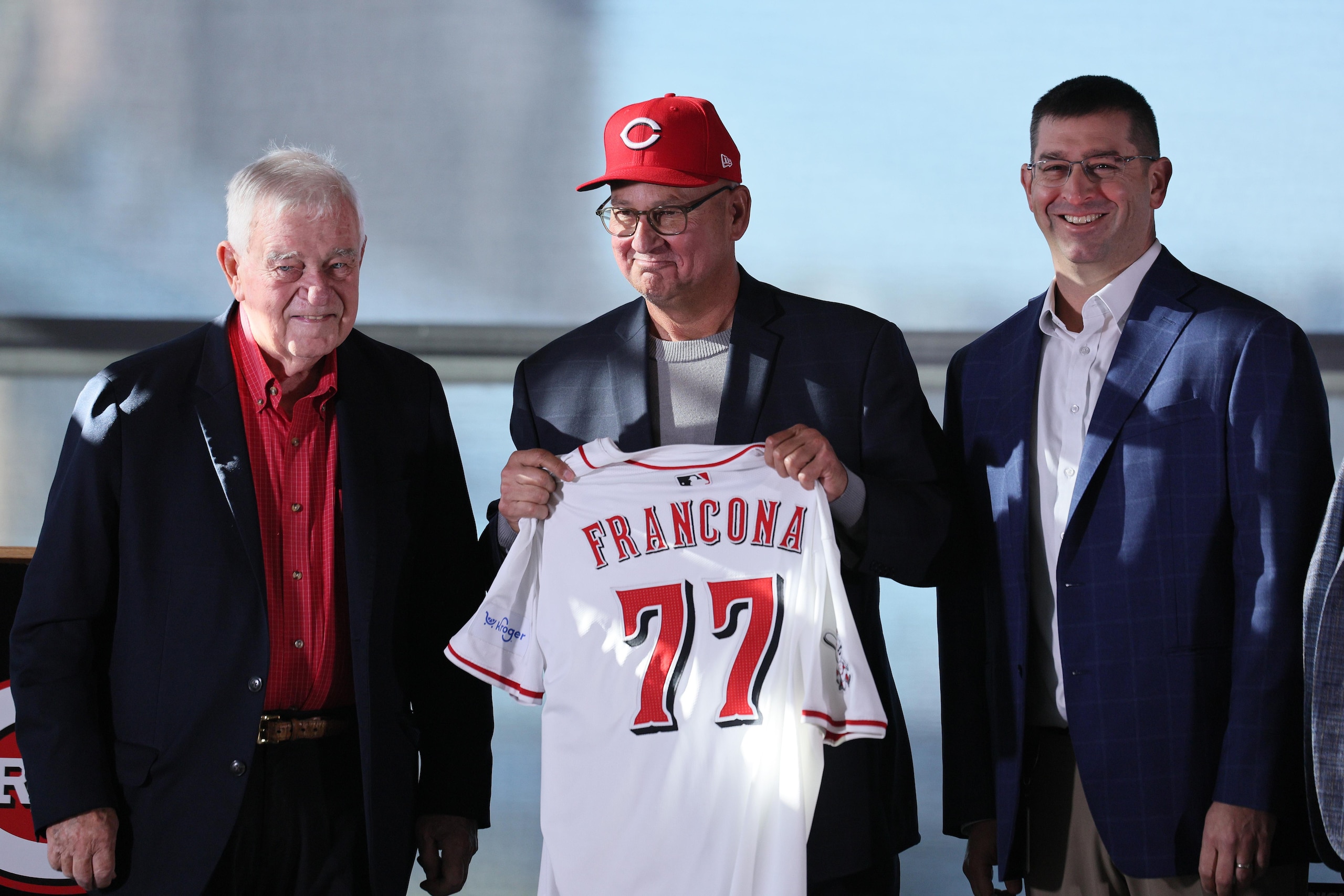
The Cincinnati Reds are one of the foundational franchises in professional baseball, which makes the gap between their history and their recent results especially difficult to accept. The Castellini family bought the club for about $270 million in 2006. The franchise is now valued around $1.6 billion, yet the baseball product has rarely reflected the growth in the asset itself.
Since that ownership change, Cincinnati has ranked in the lower third of MLB in total wins. The Reds have reached the postseason several times, but the combined playoff record has been poor, and the franchise has not won a postseason series since 1995. A fan base attached to one of the sport's oldest clubs has therefore spent an entire generation without the kind of October run that can define an era.
Payroll is a major part of the frustration. Cincinnati is a smaller market, but smaller market does not have to mean permanent caution. The club has consistently operated in the lower half of the league in payroll, even during seasons when a stronger push could have improved a promising roster.
The hard part for ownership is that the economic argument for patience becomes less persuasive as franchise values explode. The Reds are worth several times what the current group paid. If the family does not want to run the club with the urgency fans expect, selling now would turn that appreciation into an enormous return while giving Cincinnati the chance to reset under an owner with a different appetite for risk.
2. Pittsburgh Pirates: Fans Have Been Asking for a Sale for Years
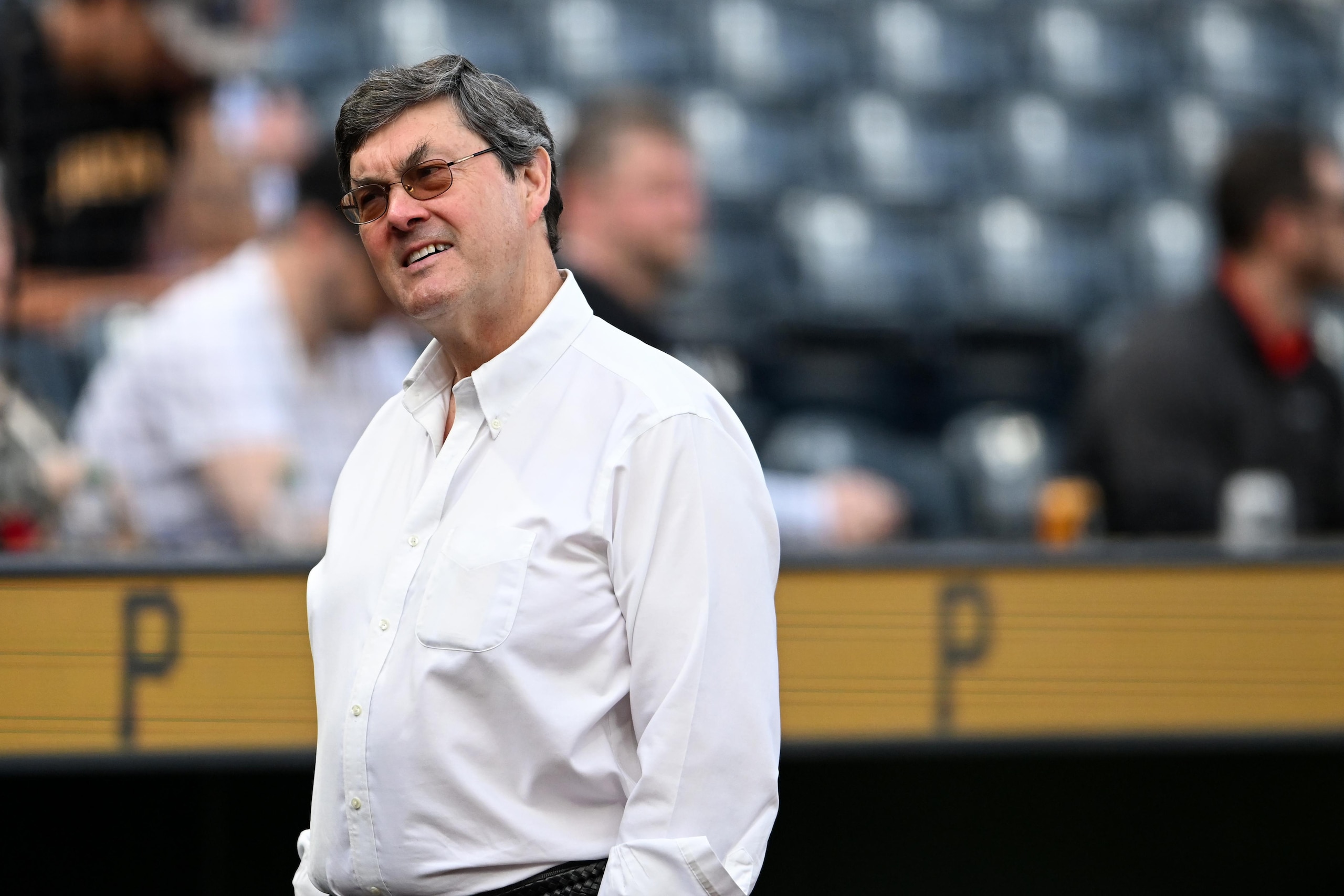
No fan base on this list needs the argument explained less than Pittsburgh's. Pirates supporters have openly called for owner Robert Nutting to sell, and the frustration is understandable. The organization has not won a postseason series since the 1979 World Series, a drought that predates Nutting's controlling interest but has not meaningfully improved under his leadership.
The Pirates have ranked near the bottom of MLB in wins during the Nutting era and routinely operate with one of the league's smallest payrolls. Small-market limitations are real, yet the problem is not simply that Pittsburgh cannot spend like the Yankees or Dodgers. Successful lower-revenue teams compensate with elite drafting, player development, international scouting and carefully timed spending. Pittsburgh has not done enough of any of those things consistently.
Paul Skenes is the clearest counterargument. Landing and developing a generational pitcher gives the Pirates something every franchise wants. But one superstar does not erase years of organizational drift. In fact, a player like Skenes raises the stakes because elite talent creates a finite window in which a club should be building aggressively around him.
Nutting's group acquired the franchise at a fraction of its current estimated $1.62 billion value. The business has appreciated spectacularly. For Pirates fans, the question is whether the baseball team has benefited nearly as much as the owners have. That imbalance is why a sale remains one of the easiest positions to defend in the sport.
3. Cleveland Guardians: Great Baseball Operations Deserve More Financial Muscle
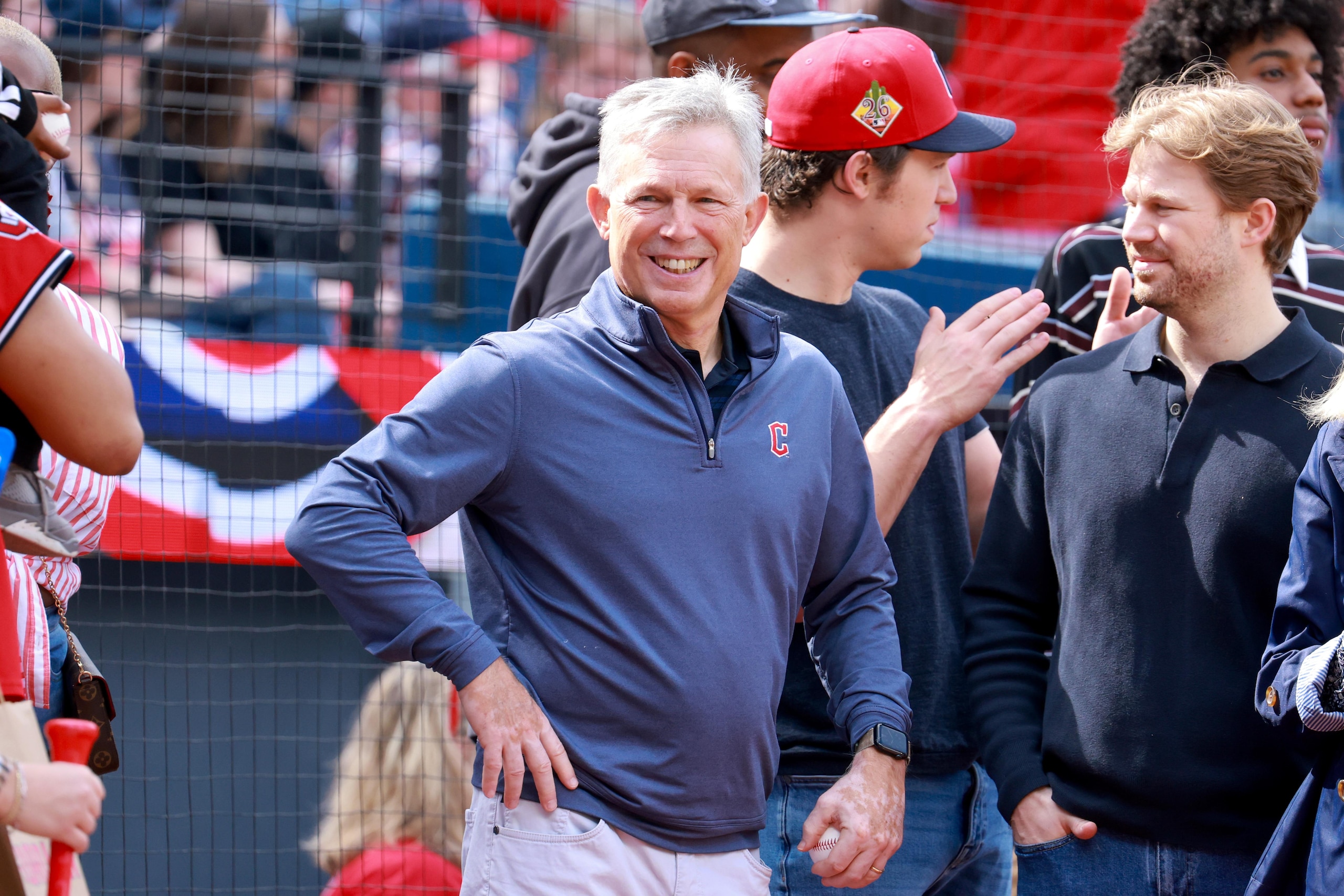
Cleveland is different from Cincinnati and Pittsburgh because the baseball operation is not the problem. The Guardians have been one of the league's best examples of organizational competence, repeatedly reaching the postseason without the payroll advantages enjoyed by larger markets.
They reached the World Series in 2016, returned to the ALCS in 2024 and have remained competitive through constant roster turnover. The front office routinely identifies pitching, develops major-league contributors and makes difficult contract decisions before players become unaffordable. That level of execution is precisely why ownership's financial conservatism can be so frustrating.
The Guardians have spent much of the last decade in the bottom third of MLB payroll. Imagine what the same front office might have accomplished if it had occasionally been allowed to retain one more star, add one premium free agent or absorb a contract at the deadline instead of always winning on efficiency.
There is already a possible ownership transition in the background. David Blitzer bought a minority stake in 2022 and has a pathway to eventually take majority control. If that happens, Cleveland fans will reasonably hope the philosophy changes from "win despite the payroll" to "win because elite baseball operations finally have more resources."
This is less an indictment of baseball competence than a demand to capitalize on it. Cleveland has already proven it can build contenders. The next ownership era should give that machinery more fuel.
4. Colorado Rockies: Coors Field Deserves a Serious Baseball Operation
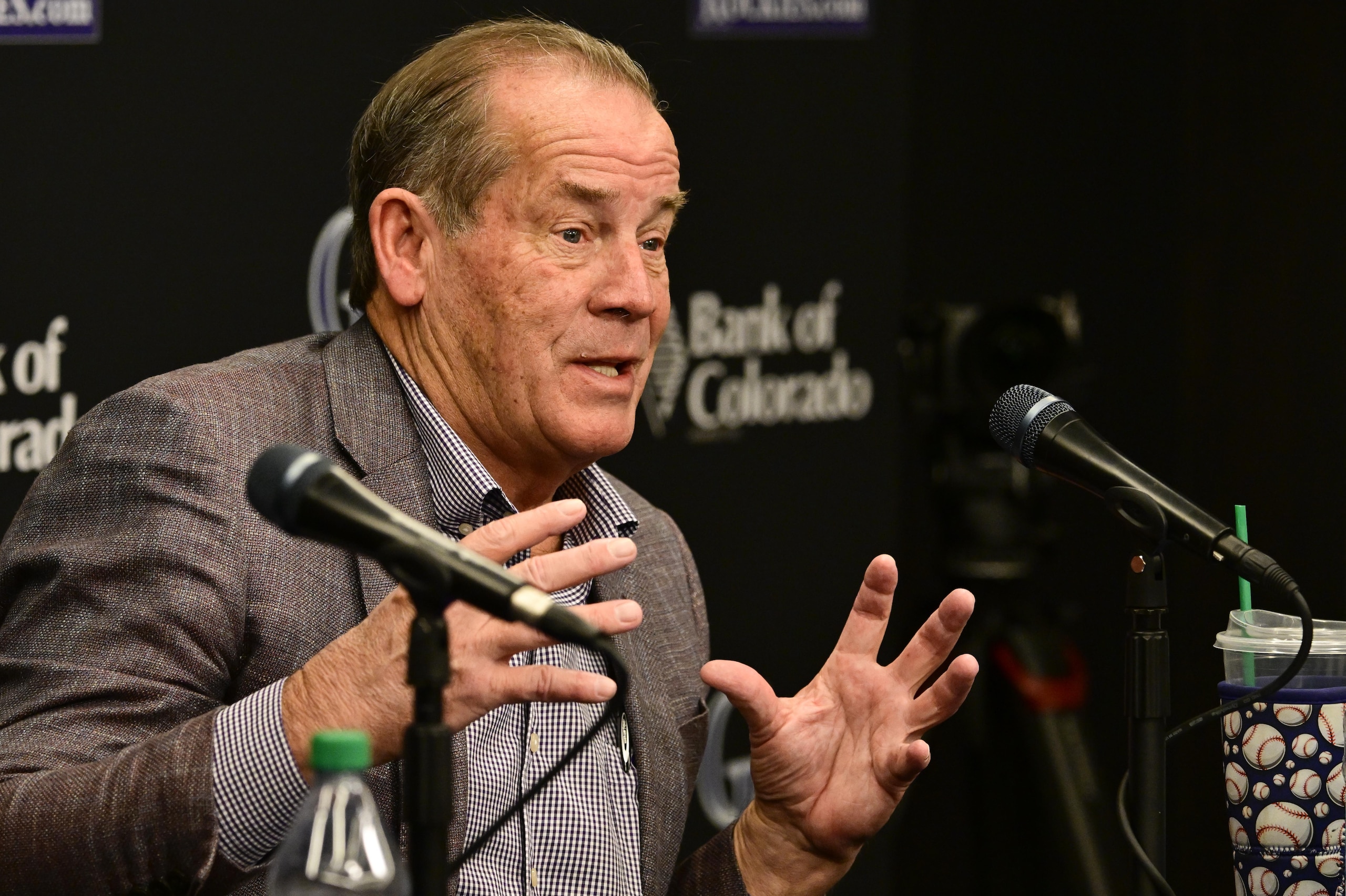
The Rockies may be the clearest example of a franchise whose market potential and baseball results do not match. Coors Field remains one of the best places in the sport to attend a game, and the club continues to draw well even through losing seasons. The problem is that too often the ballpark experience has been more compelling than the team itself.
Colorado has been at or near the bottom of MLB in wins for years. The altitude creates real roster-building challenges, but that should have forced the organization to become more innovative—not less. A team with the league's most unusual home environment should be obsessed with pitching development, sports science, roster modeling and finding competitive advantages specific to Denver.
Instead, the Rockies spent too long operating with a reputation for insularity while other teams accelerated into more modern front-office structures. Hiring experienced baseball executives can help, but the scale of the challenge suggests that incremental changes may not be enough.
There is already movement in ownership, with the Penner family holding a significant minority stake. That creates a plausible route toward a larger transition. For a franchise valued around $1.68 billion, the opportunity is obvious: pair one of baseball's best venues with ownership willing to treat Colorado as a solvable competitive problem rather than an unavoidable disadvantage.

5. Minnesota Twins: Too Much Drift After Years of Competitive Potential
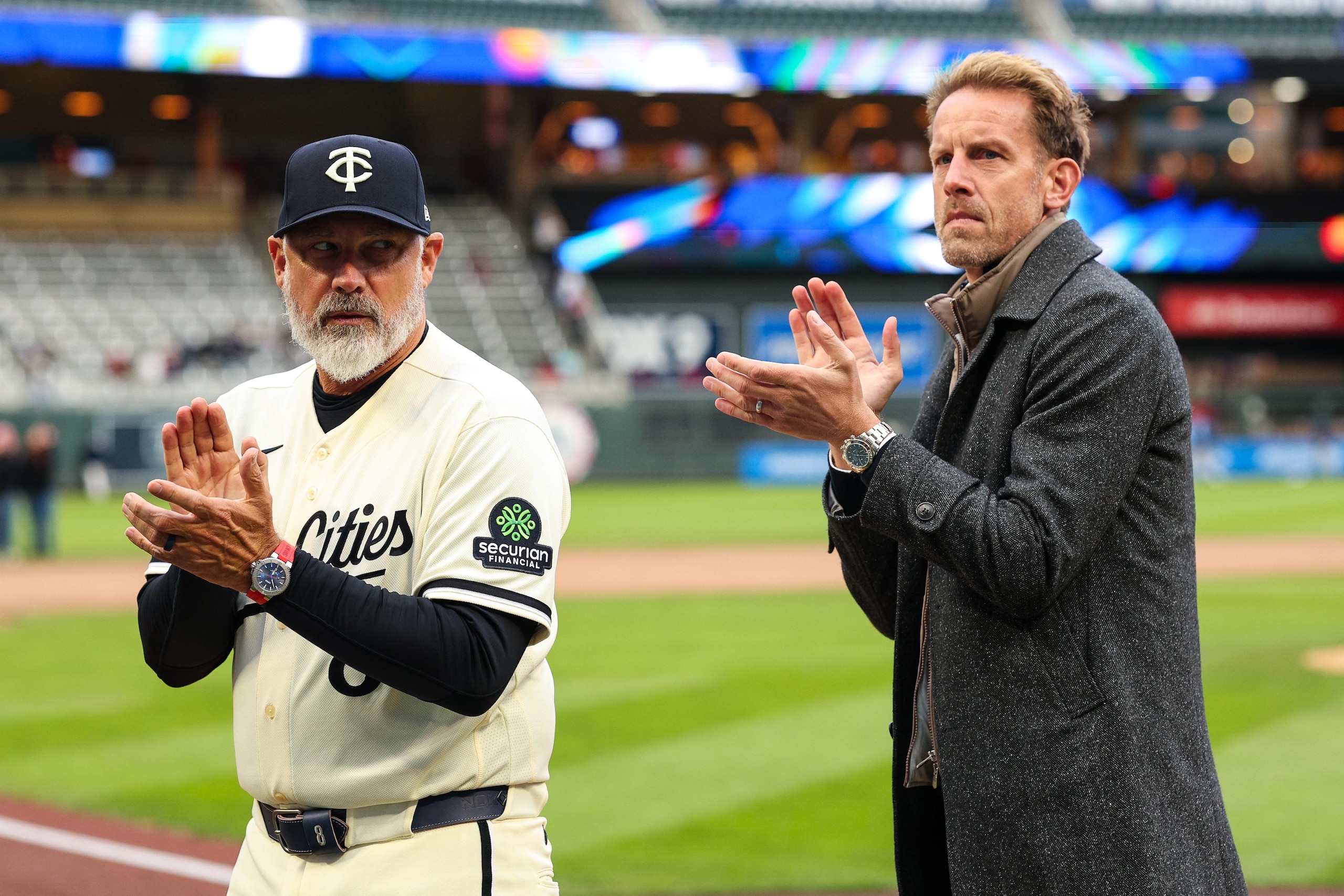
The Pohlad family has owned the Twins since 1984, a period that includes the 1987 and 1991 World Series championships. Those titles matter. They are also now distant enough that younger Twins fans have experienced a very different version of the franchise.
Minnesota had a competitive stretch in the early 2000s and later built several interesting cores, but since 2011 the club has ranked near the bottom of MLB in overall wins. Payroll has also moved in the wrong direction relative to the rest of the league. A team that once operated around the top third of MLB spending has more recently opened seasons much closer to the bottom third.
The recent front-office turnover adds to the sense that the organization is between identities. The Twins have lost executives who helped guide previous competitive cycles, and a major sell-off at the 2025 trade deadline made the club feel less like a team preparing for its next push and more like one searching for a new direction.
Minority investment has come into the franchise, but the Pohlads still control it. With the club estimated around $1.71 billion after an original purchase price of only $44 million, a sale would represent one of the great returns in sports ownership history.
For Minnesota, new ownership would not have to promise reckless spending. It would need to restore a clear competitive identity: develop well, retain core players when possible and be willing to spend when a window opens. Right now, fans have too little reason to believe that next aggressive cycle is coming soon.
6. Detroit Tigers: The Rebuild Is Over, So Why Not Act Like It?

Detroit's ownership debate is about timing. The Tigers already endured the difficult part: years of rebuilding, accumulating young talent and waiting for the roster to become competitive again. They reached the postseason in 2024 and 2025, and even after a step backward in 2026, players such as Kevin McGonigle and Max Clark give the organization reasons to believe another strong cycle is close.
That should be the moment when ownership becomes aggressive. Instead, Christopher Ilitch has often operated more cautiously than his father did. Mike Ilitch's Tigers were willing to carry elite payrolls when the club was chasing a championship. After his death, Detroit's spending dropped sharply before only recently returning toward the top ten.
The Tarik Skubal situation intensified the criticism. Detroit had the best pitcher in the league, failed to reach a long-term agreement and ultimately moved him rather than make him the centerpiece of another contention run. There are rational baseball explanations for trading a player before free agency, but the move reinforced the impression that the Tigers are more comfortable managing risk than embracing a championship window.
That is especially frustrating because the franchise is no longer rebuilding. There is talent in the system, a large and passionate market, and recent proof that the team can reach October. This should be the beginning of a stretch where Detroit pushes chips into the middle, not another period of waiting for every variable to align perfectly.
If current ownership does not want to operate that way, the franchise's roughly $1.8 billion valuation makes the alternative obvious.
7. Boston Red Sox: Four Titles Bought Credibility, but Not Unlimited Patience

Boston is the most complicated case on the list because John Henry's ownership group fundamentally changed the modern history of the Red Sox. The team went from an 86-year championship drought to four World Series titles during the current ownership era. That is an extraordinary legacy, and it should never be minimized.
The question is what the organization wants to be now.
For much of the 2000s and 2010s, Boston behaved like the financial powerhouse it is. The Red Sox routinely operated with one of baseball's largest payrolls and treated championship windows as opportunities to be maximized. More recently, spending has slipped outside the top ten while the club has tried to balance contention with efficiency.
That strategy is not inherently wrong. The Red Sox have returned to relevance, and smarter spending is preferable to expensive mistakes. But Fenway Park, the media market, the global fan base and the franchise's revenue power create a higher expectation than simply being efficient enough to compete for a wild card.
Ownership's distance from the public conversation has made the shift harder for fans to understand. When the same group that once spent aggressively begins emphasizing restraint without clearly explaining the long-term plan, supporters naturally wonder whether baseball is still the priority it once was.
With the franchise valued around $5.25 billion, Henry's group has created enormous value while also delivering championships. If the passion for pushing the Red Sox toward the top of the sport has genuinely faded, selling would not erase that legacy. It might actually preserve it.
8. New York Yankees: Baseball's Biggest Brand Should Behave Like It
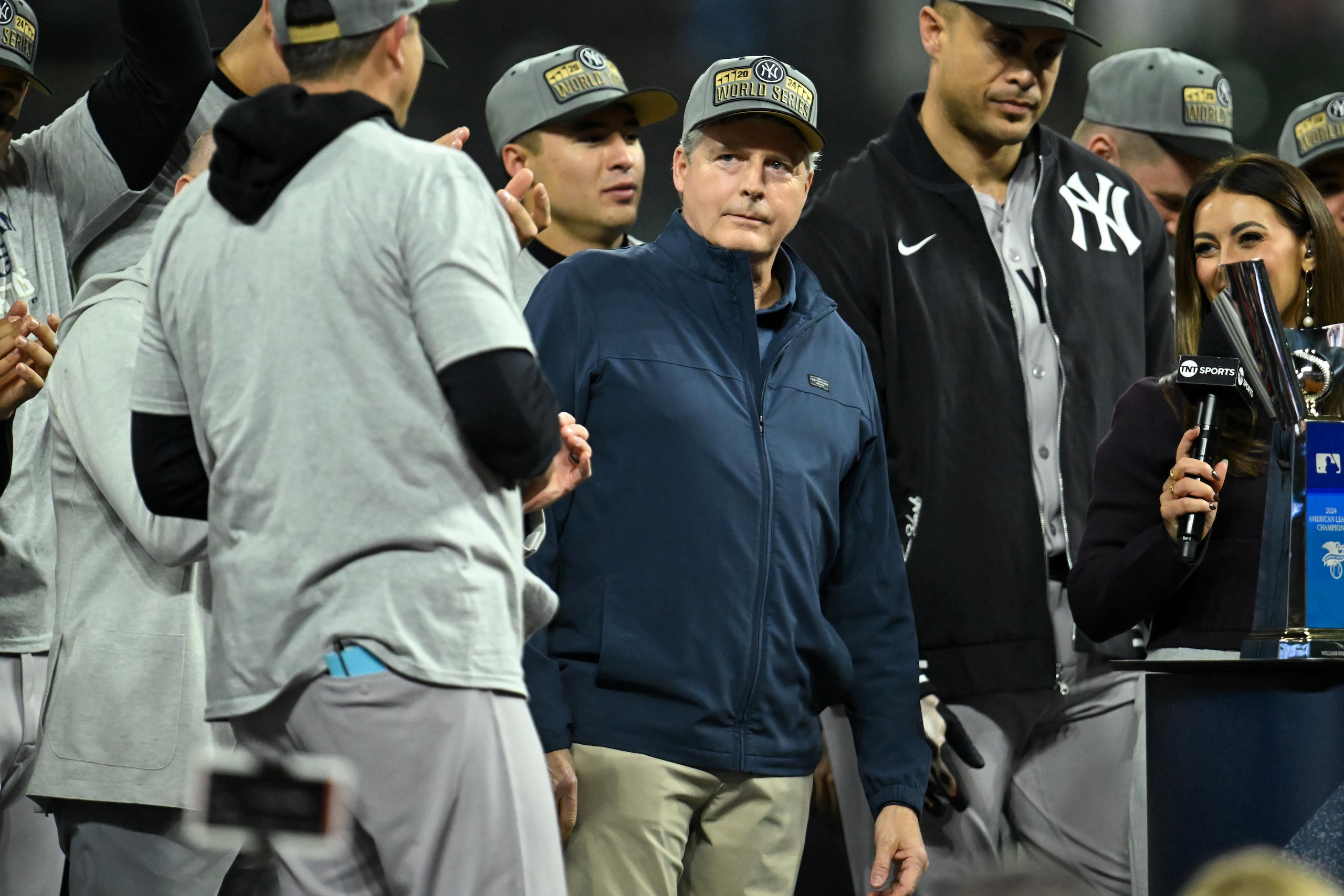
The Yankees are the most valuable franchise on this list and the one with the highest expectations. The Steinbrenner family bought the team for $8.8 million in 1973. The club is now valued around $8.5 billion, and a real sale could plausibly command well above that number given the premiums recently paid for iconic sports properties.
That economic reality makes the modern Yankees difficult to evaluate. Hal Steinbrenner is not a cheap owner in the normal sense. New York still carries one of baseball's larger payrolls. But Yankees fans do not compare their team to normal organizations. They compare it to the standard created by decades of treating the franchise as the center of the baseball universe.
The frustration is that the club no longer feels inevitable. The Yankees still win a lot of regular-season games, yet only one World Series championship has arrived since 2001. At the same time, Steinbrenner has repeatedly discussed payroll limits and the desire to spend more efficiently.
Efficiency is sensible. But an $8.5 billion franchise in the country's largest market should not sound burdened by the cost of operating like the Yankees. If ownership wants a lower-spending, lower-volatility model, there are 29 other clubs whose histories create less tension with that philosophy.
The front office also deserves scrutiny. Brian Cashman has produced decades of regular-season competitiveness, which is a real achievement, but the championship return over the last quarter-century is far smaller than the franchise's resources suggest it should be. A new owner could choose a new baseball structure, a new spending philosophy or both.
The Yankees do not need saving from irrelevance. They need to decide whether they still want to dominate the sport rather than merely remain near the top of it. If the answer from ownership is anything less than an emphatic yes, a sale would be easier to understand than another decade of half-measures.
The broader lesson from the Padres and Angels sales is that ownership exits no longer need to be framed as failures. Franchise values have risen so dramatically that selling can be the most profitable move an owner ever makes. For fans, that creates leverage in the argument. If an ownership group no longer has the appetite to spend, modernize or chase championships aggressively, there is likely another billionaire willing to buy the asset and try.