

Yankees Keep Matt Blake for Three Years — Their 3.23 ERA Exposes the Real Problem
GOATIFYThe New York Yankees are keeping the architect of their strongest department. Pitching coach Matt Blake has reportedly agreed to a three-year extension, a decision that would keep him in the Bronx through 2029. The timing is revealing: New York just finished with Major League Baseball's best team ERA, yet its season ended with a three-game American League Division Series sweep by the Tampa Bay Rays. The coach responsible for run prevention is being rewarded while the franchise is still searching for an answer to its October failures.
Blake's reported deal follows decisions to retain manager Aaron Boone and general manager Brian Cashman. That might look like an organization refusing to change, but the pitching numbers complicate that reading. New York's staff posted a 3.23 ERA despite injuries to prominent starters, while Cam Schlittler emerged as a Cy Young contender. The extension protects something that worked. It does not, by itself, fix the weaknesses that stopped the Yankees from reaching the World Series.
A 3.23 ERA Made Blake the Easiest Yankees Decision

The simplest argument for keeping Matt Blake is written in the league table. New York's pitchers finished the 2026 regular season with a 3.23 earned-run average, the lowest in the majors. The starting rotation registered a 3.30 ERA, while the bullpen finished second in baseball at 3.13. Those are not marginal improvements that require a complicated statistical case. They describe a team that consistently prevented runs better than almost every opponent it faced.
That outcome is more impressive because the Yankees did not enjoy a straightforward season of full health. Gerrit Cole returned after a lengthy rehabilitation, while Max Fried and Carlos Rodón missed substantial time. Ryan Weathers also dealt with injuries. Blake's group still found enough effective starts to support a 93-68 finish, even as the Tampa Bay Rays finished four and a half games ahead in the AL East. It is reasonable to credit a pitching department that maintained its standards while its expected rotation kept changing.
Cam Schlittler provided the headline performance, going 14-6 with a 1.95 ERA. Will Warren, less glamorous but important for the rotation's stability, made 32 starts and finished 11-6 with a 3.92 ERA. A contender needs both types of contribution: a pitcher who can dominate a postseason matchup and someone who reliably takes the ball when the schedule becomes uncomfortable. New York's ability to develop and support those roles is part of Blake's value.
The bullpen supplied another example. Paul Blackburn and Brent Headrick became useful setup options rather than simply emergency depth. David Bednar handled the ninth inning, finishing with 35 saves and a 2.47 ERA. Those results matter because relief pitching is often where expensive rosters discover how little depth they actually have. New York turned a mixture of established names and less celebrated arms into one of the league's better run-prevention units.

Blake's Real Value Is a System, Not a Single Ace
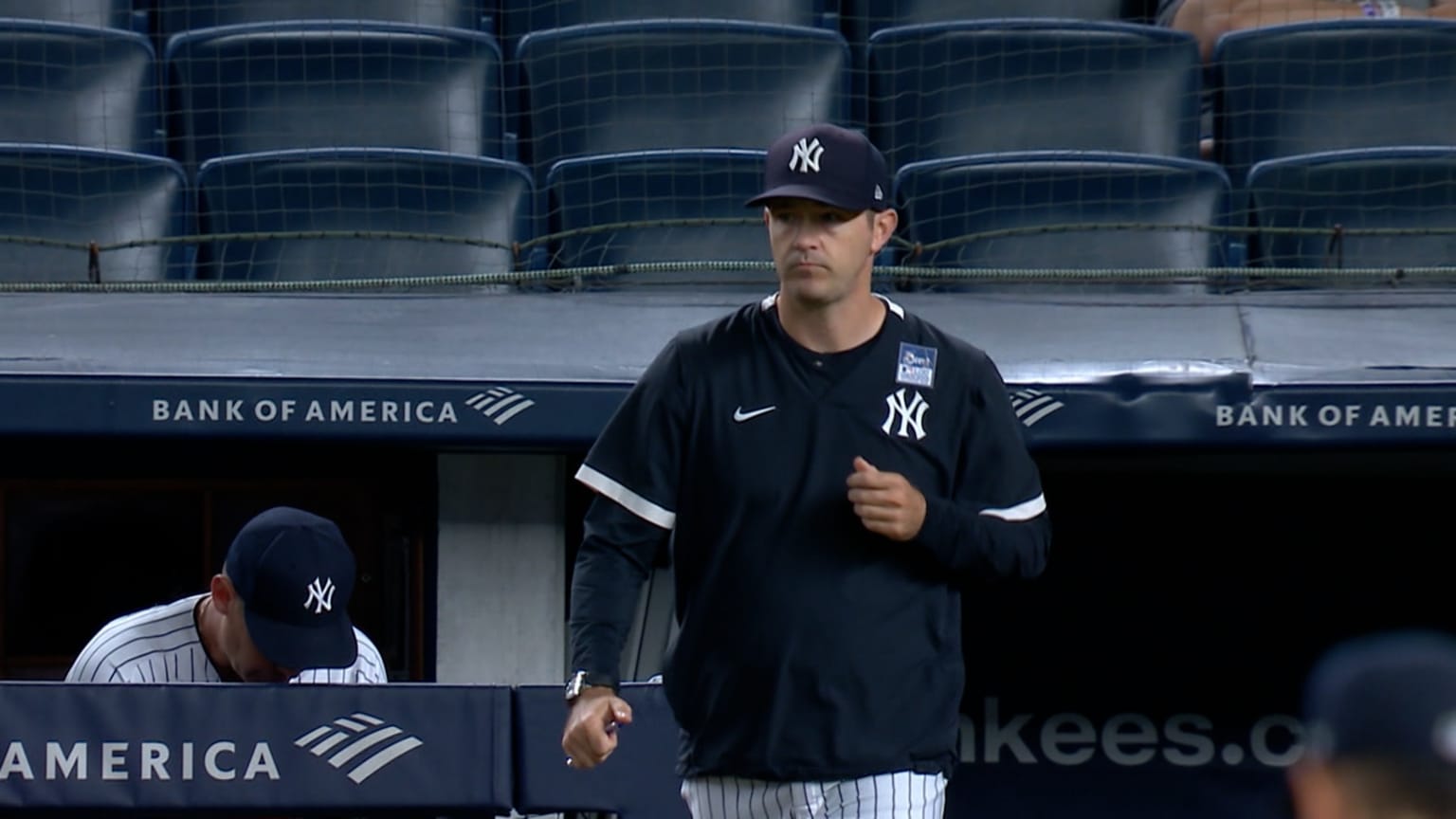
When the Yankees hired Blake in November 2019, he had never coached in a major-league dugout. His résumé was built around pitching development, including work in Cleveland's system and at Cressey Sports Performance. That was the point of the appointment. New York wanted someone who could connect technical analysis with the everyday decisions a pitcher makes, rather than merely offer a traditional veteran voice between innings.
Seven seasons later, the reported extension is an endorsement of that approach. From 2020 through 2026, Yankees pitchers ranked third in the majors with a 3.69 ERA, according to MLB's review of Blake's tenure. They also ranked among the better staffs by fielding-independent measures. A sustained record matters more than one hot summer because pitchers age, get injured, change teams and adjust their arsenals. The underlying coaching process has to keep working when the names on the mound change.
Blake's contribution is not a magic adjustment that makes every pitcher elite. It is the ability to give different pitchers useful, understandable plans. An established starter such as Cole needs a different conversation from a young arm learning how to handle the league's second look at his fastball. A reliever arriving with an inconsistent recent record may need a smaller, more targeted intervention. Good development depends on identifying what a player can repeat under game pressure, not on overwhelming him with every number available.
That distinction helps explain why the Yankees value Blake even after an ALDS sweep. A coach can prepare a pitcher effectively and still watch an inning unravel because of defensive mistakes, poor run support or a well-executed opposing swing. Pitching development should be judged over a longer period than one short series. The franchise's 2026 numbers suggest that its investment in coaching and preparation continues to produce tangible value.
Schlittler, Cole and Fried Offer a Foundation — With Conditions

Cam Schlittler's rise changes the calculation for the Yankees' next season. His 1.95 ERA and 14 wins put him among the leading American League Cy Young candidates, with voting results still to come. A young pitcher performing at that level gives New York a frontline option without needing to acquire another superstar. It also raises the stakes for his development. Opponents will spend the winter studying how his fastballs, cutter and breaking pitches fit together, and the next challenge will be responding to those adjustments.
Cole offers a different form of reassurance. After returning from elbow surgery, the veteran went 10-9 with a 3.61 ERA in 2026. That is not the same as promising a full, uninterrupted ace season in 2027, but it demonstrates that he was able to contribute meaningful innings again. For a staff that has spent significant stretches working around injuries, that matters. A healthy Cole can reduce the workload placed on younger starters and help prevent every difficult series from becoming a bullpen emergency.
Fried and Rodón add another layer of upside, and another layer of uncertainty. Both produced strong ERAs when available in 2026, but both missed substantial portions of the season. Blake's task is not simply to design the most impressive five-man rotation on paper. It is to prepare enough alternatives that a short absence does not become a month of improvised pitching plans. Warren's durability and the development pipeline therefore matter almost as much as the stars' individual ceilings.
That is why the three-year coaching commitment makes sense beyond a single offseason. The Yankees can retain continuity in the instruction, scouting feedback and preparation that helped their young pitchers advance. If Schlittler continues to grow, Cole remains effective and the injured starters provide more innings, New York could enter 2027 with a rotation capable of matching almost anyone. If health problems return, the staff will again need the less celebrated depth that helped produce its league-leading 2026 ERA.

The 2027 Question Is What New York Does Around Its Pitchers
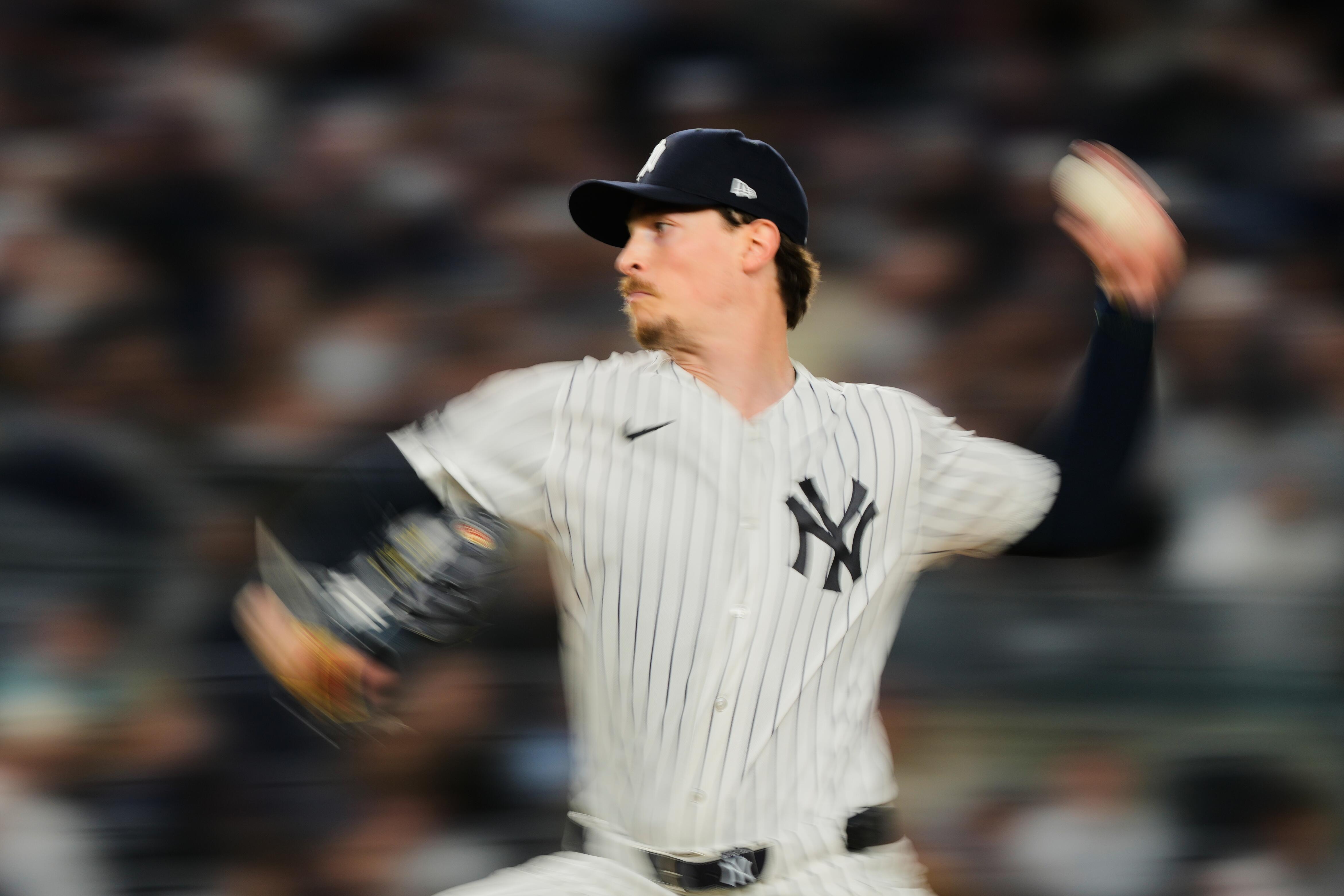
The Yankees are not entering the offseason with a completely new leadership structure. Brian Cashman has agreed to remain as general manager, and Aaron Boone will manage again in 2027. Blake's reported three-year extension completes a familiar group at the top of the baseball operation. That continuity can preserve useful relationships, but it also removes an easy explanation if the next season ends the same way. The decision-makers have chosen their direction.
There is a notable difference in the contracts. Blake has reportedly received three additional years, while Boone is expected to enter the final guaranteed year of his existing deal. The contrast suggests the club sees pitching development as an asset it wants to protect for the longer term, even while the manager's future remains more immediately tied to results. It would be a mistake to interpret that as a formal ultimatum; it is simply the practical difference between the reported commitments.
The clearest problem is that the 2026 Yankees did not convert their strong pitching into a pennant. They finished behind Tampa Bay in the division and were swept by the Rays in the ALDS. An excellent team ERA can keep games close, but close games still demand scoring, situational execution and dependable defense. New York's postseason exit therefore should prompt questions about lineup depth and offensive consistency rather than a reflexive decision to dismantle the pitching department that largely delivered.
The bullpen will also require attention. Several useful relief arms, including Bednar and Blackburn, are entering free agency. A second-place bullpen ERA in one season is not a permanent guarantee when important contributors may depart. Cashman must decide which roles to refill through contracts, which pitchers can be developed internally and how much risk the club can accept before April. Blake can help identify workable pitching plans, but he cannot create roster control where contracts have expired.
There is also a sequencing problem for the front office: resolve the highest-leverage bullpen roles before relying on internal depth, then protect the rotation with credible sixth- and seventh-starter options. Blake's continuity gives the Yankees a stable development voice, but the roster must provide enough healthy, trustworthy pitchers for that system to matter in October.
Retaining Blake is a defensible piece of the Yankees' offseason, particularly after a year in which their pitching staff led the majors despite injuries and significant turnover. The reported three-year commitment preserves a coaching system that has developed a frontline starter in Schlittler and found useful innings from less heralded arms. The next test is whether that advantage survives changes to the roster.
The uncomfortable question is bigger than one coach. New York has decided that Boone, Cashman and Blake should all remain involved in its next attempt. If the offense fails to support elite pitching again, the Yankees will have protected their strongest department without addressing the reason another promising season ended early. The Blake extension is a sensible start to 2027 planning, not the conclusion of it.

















