McLaren Want Lambiase in 2027 — but Red Bull Still Controls the Clock
GOATIFYMcLaren has already signed Gianpiero Lambiase. The new question is how soon it can put Max Verstappen's long-time race engineer to work. Chief executive Zak Brown says he is optimistic that Lambiase could arrive during 2027, a year earlier than the outside deadline attached to the move announced in April. That is a meaningful change in tone, but it is not a confirmed change of contract.
Lambiase remains Red Bull's head of racing and Verstappen's race engineer. His agreed destination is a senior operational post at McLaren under team principal Andrea Stella, with the teams previously identifying 2028 as the end of his Red Bull commitment. Brown's latest comments move the possible handover back into the spotlight as both teams plan for another season under Formula 1's new rules. The distinction between an executive's hope and a negotiated release matters: McLaren can prepare for an earlier start without yet being entitled to one.
Why Brown's 2027 target is not an agreed release date
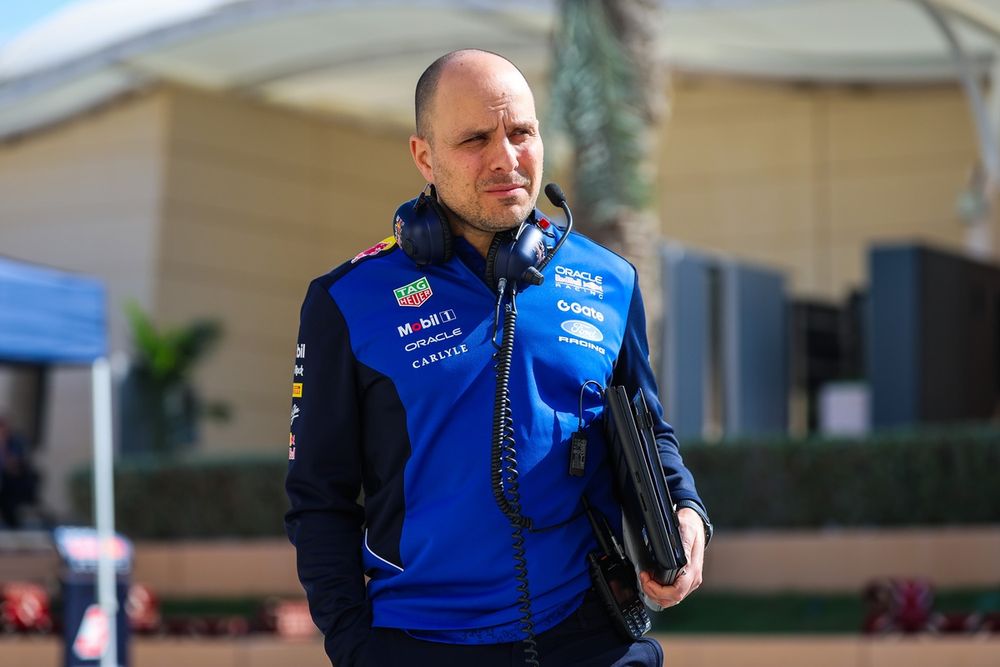
Brown's latest public target is 2027. Speaking during the Malaysia race weekend, he expressed optimism that Lambiase would be wearing McLaren colours at some point next year. The existing agreement, however, says he will join no later than 2028, when his Red Bull contract is due to expire. Neither team has announced an amended departure date, and Brown did not claim that Red Bull had agreed to release him early.
That leaves a negotiation rather than a completed transfer of responsibilities. An earlier release could help McLaren integrate Lambiase before the 2028 season, but Red Bull still has a competitive interest in retaining a senior figure who understands its race procedures, driver communications and operational decisions. Formula 1 teams routinely manage sensitive information carefully when an employee is due to move to a rival. Brown himself acknowledged that tension when discussing the deal earlier in the year.
The timing is especially interesting because Red Bull has already made a separate succession move. In September it confirmed that Tom McCullough, an experienced Aston Martin engineer, would join at the beginning of 2027 as its new head of racing. McCullough's arrival could make one part of Lambiase's transition easier, but it does not automatically settle who will work directly with Verstappen on the radio or when Lambiase can start at Woking. Those are separate operational decisions.
For now, the safest reading is narrow: McLaren wants its incoming executive earlier, and its CEO believes 2027 is possible. Red Bull's previously stated timetable still stands unless the parties formally change it.

What McLaren gains from Lambiase — and what Red Bull must replace
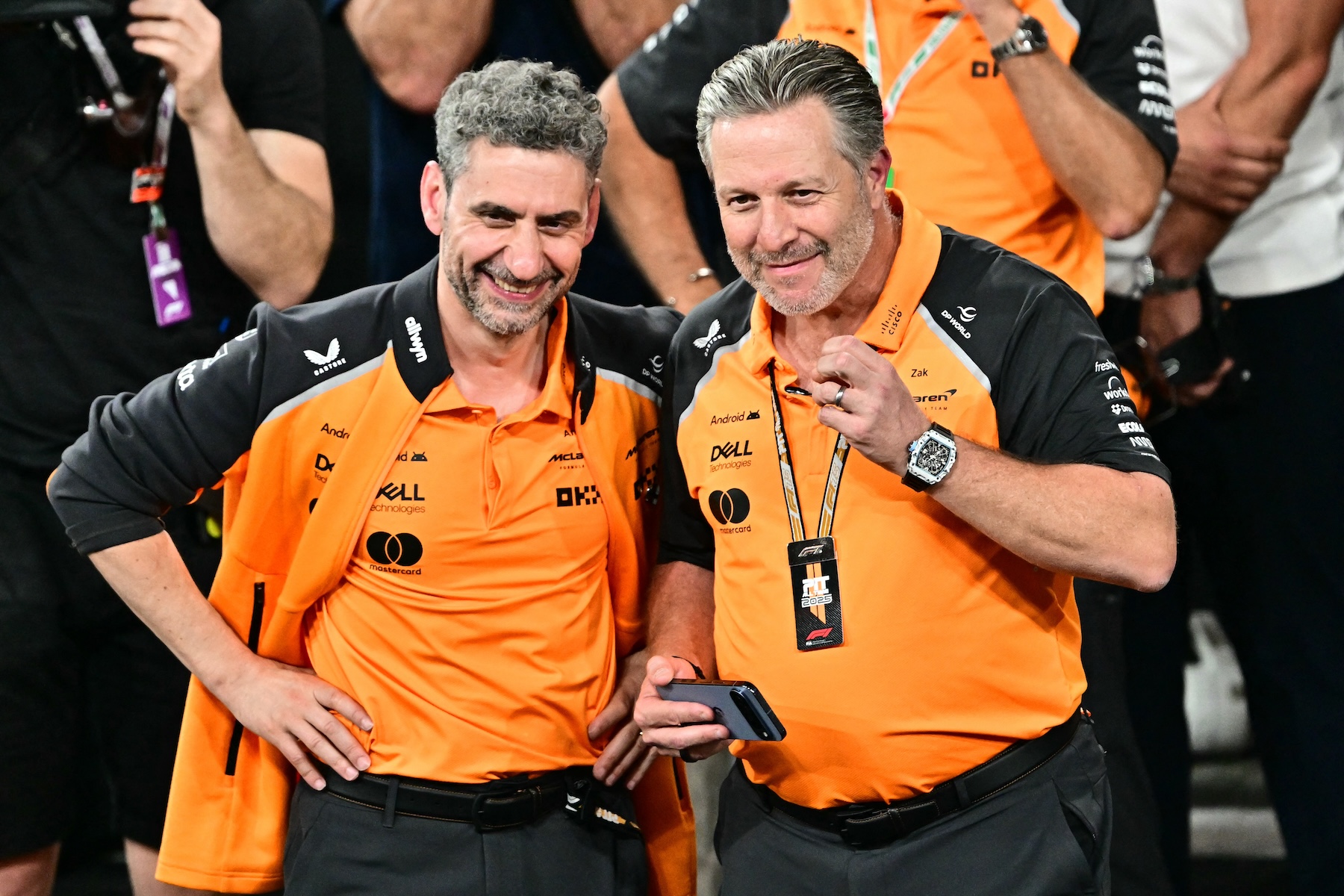
Lambiase is more than the voice heard answering Verstappen over team radio. He has been part of the Dutch driver's race-engineering partnership since Verstappen moved to Red Bull in 2016, a relationship that spans four consecutive drivers' championships from 2021 through 2024. Alongside that work, he assumed broader responsibility for trackside racing operations. It is that combined experience McLaren is buying.
The chief racing officer position is not a replacement for Stella. McLaren's own description says it is an existing leadership role overseeing the race team, with duties Stella currently handles in addition to being team principal. Giving those duties to a specialist could free Stella to spend more time coordinating the factory, car development and overall team direction. The gain would be organizational capacity, not a promise that one engineer can suddenly make the car faster.
The recruitment also fits a longer pattern. McLaren previously brought in Rob Marshall from Red Bull to strengthen its technical structure, while former Red Bull strategy chief Will Courtenay began as sporting director in 2026. Lambiase would add another experienced voice at the point where race preparation, pit-wall decisions and driver feedback meet. A smoother division of labour may be valuable when teams must make rapid energy-management and strategy calls under the current regulations.
Brown has talked positively about the progress made after McLaren's difficult start to 2026, although its disappointing Malaysia weekend shows that the work is unfinished. He also remains publicly committed to Lando Norris and Oscar Piastri. Lambiase's appointment should therefore not be confused with a confirmed move for Verstappen: the engineering partnership has a long history, but McLaren's announced hire concerns management, not a new driver contract.
The practical measure of success will come after Lambiase arrives. Can he improve communication, distribute responsibility more effectively and help the pit wall turn good preparation into cleaner race execution? Those are the benefits McLaren is seeking, whether the start date becomes 2027 or remains 2028.
Brown's optimism has made the timetable the story again, but there is still no announced early release. McLaren has secured an experienced race-operations leader and would plainly prefer to bring him into its structure sooner. Red Bull has its own succession work to manage while keeping its current driver-engineer partnership functioning.
Until the teams agree on a date, the important development is the intent rather than the calendar: McLaren is investing in the people who make a race weekend run, not merely in the machinery on the track.