

Cadillac Locks Pérez Until 2029 — But Bottas Is Still Fighting for 2027
GOATIFYSergio Pérez has secured a Formula 1 future that looked far from guaranteed when his Red Bull career collapsed. Cadillac confirmed on October 28 that the Mexican will remain with its new team until at least 2029, transforming a comeback initially framed as a chance to rebuild his reputation into a commitment spanning the American manufacturer's next major technical milestone.
The timing is loaded with symbolism. Pérez is preparing for his 300th Grand Prix start at home in Mexico City, while Cadillac is still searching for its first point in a difficult debut season. The team has rewarded a driver who cannot yet point to a top-ten result with a deal stretching well beyond the current car. That contrast is the story: Cadillac is choosing experience, technical continuity and a familiar leader over an immediate verdict from the championship table.
It also leaves an awkward question on the other side of the garage. Valtteri Bottas has not received the same certainty, and American prospect Colton Herta remains a serious consideration. One Cadillac seat is locked down for years; the other is where the team's next strategic gamble could unfold.
The deal buys stability, not success. From here, every upgrade, every completed race and every step toward the midfield will be part of the verdict.
A Contract Until 2029 Is a Statement About Cadillac's Timeline
A Contract Until 2029 Is a Statement About Cadillac's Timeline

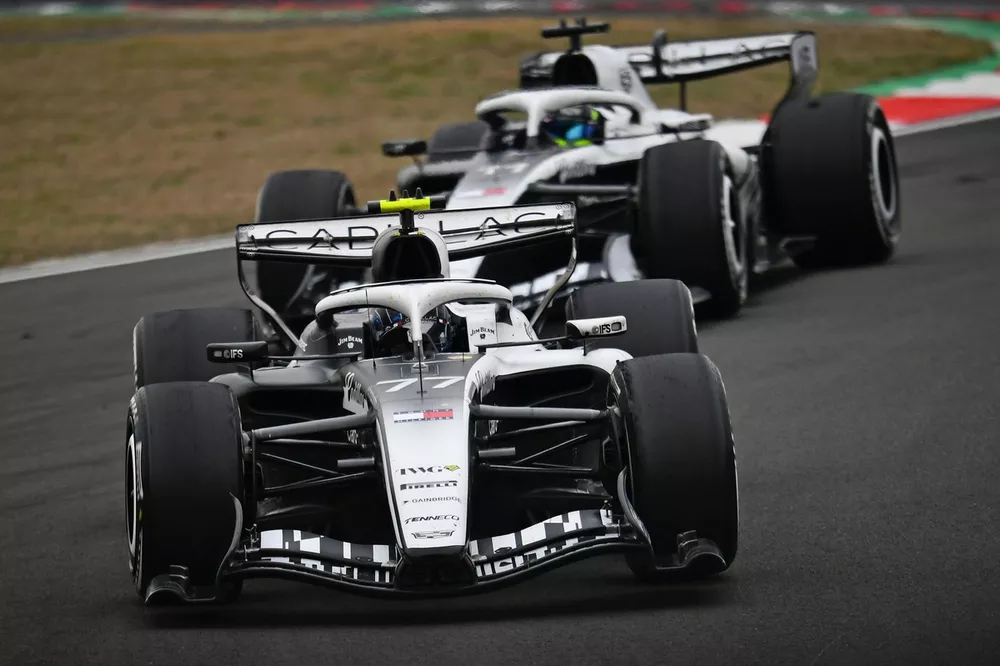
Cadillac's announcement does not simply extend a driver's employment by a season. Pérez's original agreement was understood to run through 2027, while the new commitment carries him to at least the end of 2029. That gives the 36-year-old a potential three further seasons with the project after this one. It also removes the question of whether the team will abandon its most experienced development voice after a difficult first year.
Dan Towriss, Cadillac's chief executive, framed the decision around leadership and continuity rather than points. That distinction matters. A newcomer needs a driver who can tell engineers whether a change improves braking stability, traction, tyre behaviour or raceability even when the improvement is too small to change a finishing position. A driver can be valuable to a team long before the scoreboard starts rewarding the work.
Pérez has six Grand Prix victories, a runner-up championship finish from 2023 and experience at several different types of organisation. He has worked in midfield teams forced to squeeze results from limited resources and at Red Bull, where the comparison was with a dominant Max Verstappen. Cadillac is not asking him to repeat his Red Bull job. It is asking him to help turn a new operation into one that can eventually fight those teams.
The extension also says something about Pérez himself. He left Red Bull after 2024 and spent 2025 outside the race-seat market, a period he has described as giving him perspective. The decision to commit until 2029 would make little sense if his only objective were a brief, comfortable return to the grid. He is effectively staking the final stretch of his career on the belief that Cadillac can improve enough to make the work worthwhile.
None of that guarantees the project will succeed. A long contract is a vote of confidence, not a lap-time upgrade. But it changes the tone around Cadillac's debut season: the team is making its driver decision according to where it expects to be in several years, rather than judging everything by the first eighteen races.

Zero Points Hide the Work — but They Cannot Hide It Forever
Zero Points Hide the Work — but They Cannot Hide It Forever

Cadillac sits last in the constructors' standings with no points after the United States Grand Prix. Pérez and Bottas have spent much of the year fighting near the back, and reliability has repeatedly interrupted attempts to establish a clean performance baseline. In Austin, Pérez finished nineteenth while Bottas retired. It is difficult to sell those results as sporting progress to fans accustomed to a manufacturer promising ambition on a global stage.
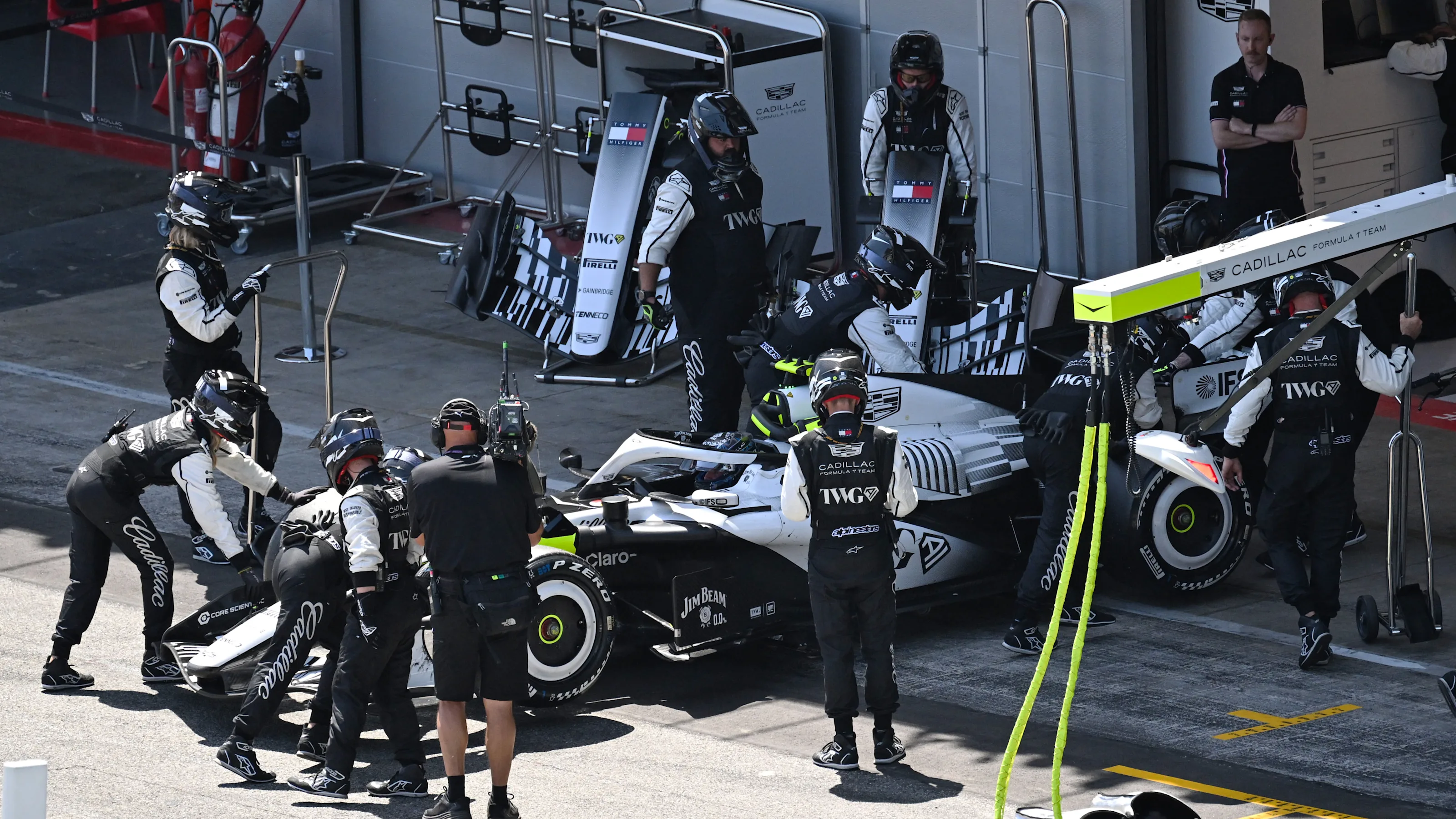
Yet a first-year Formula 1 team has to build more than a car. It needs reliable production, efficient pit stops, consistent simulation, clear communication between the factory and track, and an engineering culture that can distinguish a useful upgrade from a misleading one-off result. When a new car starts with a sizeable performance deficit, even a real improvement can leave it in the same position on the timing screen. That does not mean the improvement was imaginary; it means the gap remains large.
Pérez's experience is especially useful when conditions change. He has spent years managing tyre wear, navigating traffic and adjusting driving style to cars with different strengths. He can help engineers separate an inherent balance limitation from a setup choice, or explain why a part that looks promising in simulation creates problems over a race stint. Bottas brings similar strengths, which is why Cadillac originally chose two veterans rather than an untested pairing.
The technical calendar gives the contract a second dimension. Cadillac is using Ferrari power units for its opening seasons, but the FIA has approved GM Performance Power Units to enter as a supplier from 2029. That is the year through which Pérez's new deal runs. The timing does not prove he was retained specifically for the engine transition, yet it creates an obvious strategic overlap: a driver who knows the team's early weaknesses could help evaluate the operation when its identity becomes more fully its own.
Cadillac's challenge is to ensure continuity does not become an excuse for complacency. Zero points are understandable for a new entrant; a permanent inability to close the gap would not be. The relevant measurements over the next year are likely to include qualifying deficits, mechanical reliability, pit-stop execution, upgrade effectiveness and the frequency with which the cars can race their nearest rivals on merit.
That is why the Pérez extension should be assessed as a development decision first. The team has protected one source of experienced feedback. Now it has to demonstrate that the factory can convert that feedback into a quicker and more dependable racing car.

Pérez Is Safe; Bottas and Herta Are Still in the Fight

Pérez Is Safe; Bottas and Herta Are Still in the Fight

Cadillac has now removed the biggest uncertainty about one of its race seats. The other is much more complicated. Bottas returned to Formula 1 with the new team after a year as Mercedes' reserve driver, and his initial agreement was described as multi-year. However, reporting around the Mexico City weekend indicates Cadillac has not yet committed to exercising the option that would secure his 2027 place.
Bottas has suffered a particularly punishing season for retirements. His suspected power-unit failure in Austin was reported as his eighth non-finish of 2026. A driver cannot demonstrate race pace, tyre management or strategic judgement while watching from the garage. That makes a direct comparison with Pérez more difficult than simply lining up the championship positions and declaring a winner.
Cadillac must decide what kind of second driver best complements its established veteran. Keeping Bottas would preserve two proven development voices and reduce the risk of a new arrival needing months to learn the car and team. Replacing him could open a route for a younger driver who might be part of the programme for a decade. Neither argument is absurd, and neither can be settled by the points column in a season when both cars remain scoreless.
Colton Herta is the most intriguing alternative. The American has built a successful career in IndyCar and is pursuing the Formula 1 pathway through Cadillac's test programme and a Formula 2 campaign. His involvement in practice sessions provides useful exposure to F1 machinery and team procedures. But interest in promoting him is not the same as an announcement that he has secured a 2027 race seat; superlicence requirements and the team's evaluation still matter.
From a sporting standpoint, the decision is about balancing the present against the future. Pérez can now serve as the stable reference point, which might make Cadillac more willing to take a calculated risk with the other car. Equally, the team could conclude that a fragile first-generation operation needs two veterans for another year. The extension creates flexibility without revealing which option Cadillac prefers.
For Bottas, the contrast is stark. His teammate has a long-term deal while his own future remains under discussion. For Herta, it is an opportunity with no guarantee. And for Cadillac, it is the first serious test of whether the new team's driver strategy will be guided by evidence, national appeal or a blend of both.

A 300th Start at Home — and a Bigger Deadline in 2029
A 300th Start at Home — and a Bigger Deadline in 2029

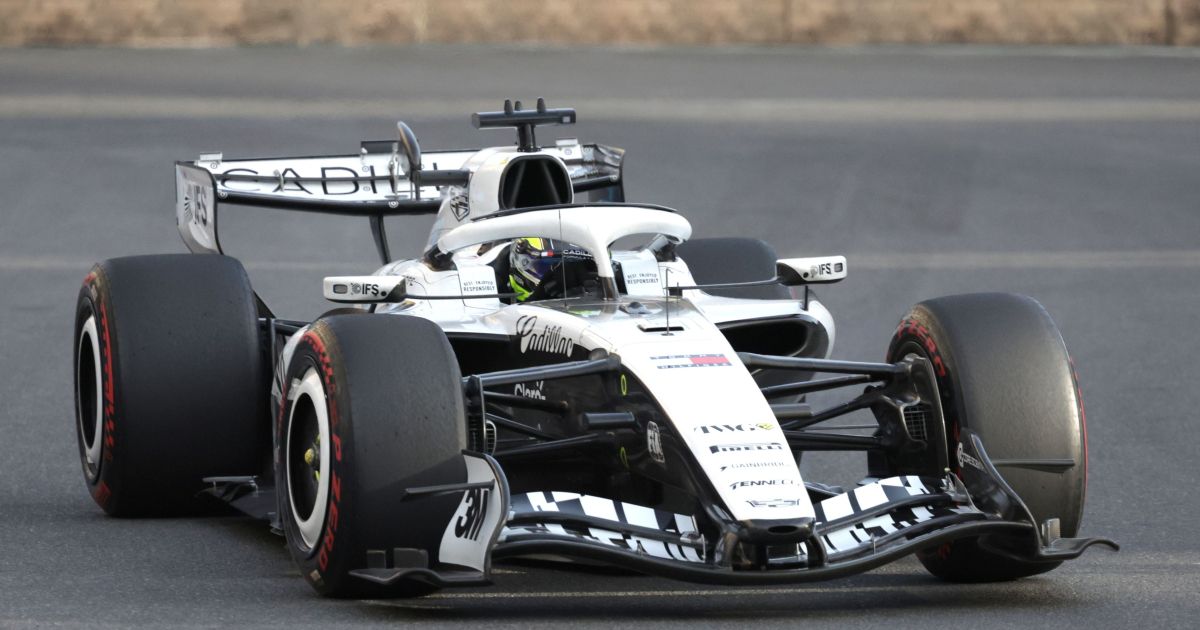
The announcement arrives just before a rare personal landmark. Pérez is due to make his 300th Grand Prix start at the Mexico City Grand Prix on November 1. The timing feels almost designed for a homecoming: a Mexican driver, an American manufacturer's new team, an enormous local following and a contract that makes clear this is not intended to be a farewell weekend.
His career has travelled a long distance from a teenager leaving Mexico to chase a European racing future. He debuted with Sauber in 2011, passed through McLaren, Force India and Racing Point, and finally collected his first Formula 1 victory in 2020. His Red Bull years delivered more wins and a 2023 championship runner-up finish, but ended with a difficult 2024 campaign and a departure that seemed capable of defining the final chapter of his career.
Cadillac offers a different way to measure that chapter. Pérez is unlikely to be judged by whether he can match Verstappen's peak speed in a championship-winning car. Instead, the question is whether he can help establish an organisation that becomes meaningfully stronger over time. He has spoken about wanting to leave Formula 1 on his own terms and about the value of remaining emotionally balanced through a sport that can turn quickly from celebration to criticism.
Mexico City's crowds give the decision immediate emotional weight, but the bigger deadlines are still ahead. The 2027 car must be more competitive than the 2026 debut machine. The following season should demonstrate that the team can sustain an upgrade programme. Then 2029 brings the proposed General Motors power-unit era, subject to the normal demands of development and homologation. A contract extending through that point aligns Pérez with the full first phase of Cadillac's ambition.
The risk is obvious: the team could spend three more years fighting for scraps, leaving a decorated veteran with an extended but frustrating goodbye. The upside is more interesting. If Cadillac moves from the back toward regular points, Pérez will be able to say he helped build that improvement rather than merely arriving once the car was ready.
For now, the 300th start is a celebration of endurance. The new contract is a promise that the story is not supposed to end there.
Cadillac has made its choice: Sergio Pérez is not a temporary bridge while the team searches for a more glamorous name. He is part of the project through at least 2029, despite a debut season that has produced no championship points. That is a substantial commitment, and it will eventually need to be justified by the team's progress on track.
The unresolved Bottas-Herta decision makes the contrast sharper. Cadillac can now build its second-seat strategy around a driver it has chosen to keep. Pérez has earned time and responsibility; the engineers have gained continuity; the remaining driver candidates have gained a clear benchmark. The next question is not whether Cadillac believes in its veteran. It is whether Cadillac can build a car worthy of the years it has just promised him.

















