Ranking the 10 Best Transfers of the 2026 Summer Window
GOATIFYThe 2026 summer transfer window produced the usual mix of record fees, opportunistic free transfers and moves that only make complete sense once you look at the squad around the player. With the window now closed, ten deals stand out for the way they combine quality, value, positional need and the chance to change a club's season.
The headline is Barcelona's move for Rodri, but the wider theme is just as interesting. Chelsea spent heavily to reshape both ends of the pitch. Manchester City paid a premium for Enzo Fernández. Arsenal added another elite midfielder. Real Madrid took advantage of the free-agent market. Atlético Madrid, Roma and Brentford found players whose value is tied as much to fit as to star power.
This ranking is not simply a list of the biggest fees. It weighs fit, value, positional need, timing and the likelihood that the new signing actually changes his club's level in 2026/27. Some of the most expensive moves make the cut, but several cheaper deals rank higher because the footballing logic is stronger.
- Rodri — Barcelona
- Bernardo Silva — Real Madrid
- Emiliano Martínez — Chelsea
- Enzo Fernández — Manchester City
- Bruno Guimarães — Arsenal
- Maxence Lacroix — Chelsea
- Mamadou Sangaré — Brentford
- Morgan Rogers — Chelsea
- Donyell Malen — Roma
- Kang-in Lee — Atlético Madrid
10. Kang-in Lee to Atlético Madrid

Kang-in Lee is probably the biggest projection in the top ten, which is also what makes the deal interesting. Atlético are not buying a player who was an unquestioned centerpiece at Paris Saint-Germain. They are betting that a 25-year-old with elite technical ability can become more important when the tactical environment suits him better.
The price, reported at below $50 million, leaves room for that bet to work. Lee has already shown he can create and combine at a high level, and he has prior La Liga experience from Mallorca. Atlético confirmed a long-term deal through 2031, giving Diego Simeone time to use him in several roles rather than forcing one immediate solution.
His early usage closer to goal is especially notable. Atlético have often needed another attacker who can connect midfield to the front line without removing the intensity Simeone demands. Lee can press, carry the ball into tight spaces and create chances without needing to dominate possession for 90 minutes. If Julián Álvarez remains the focal point, Lee can become the flexible attacking piece around him rather than competing for the same spaces.
The risk is straightforward: PSG never fully trusted him as a weekly starter. Atlético are paying for the version of Lee that looked dangerous in Spain before Paris and for the creative flashes he showed in a deeper squad. At this price, that is a reasonable gamble rather than a reckless one.
9. Donyell Malen to Roma
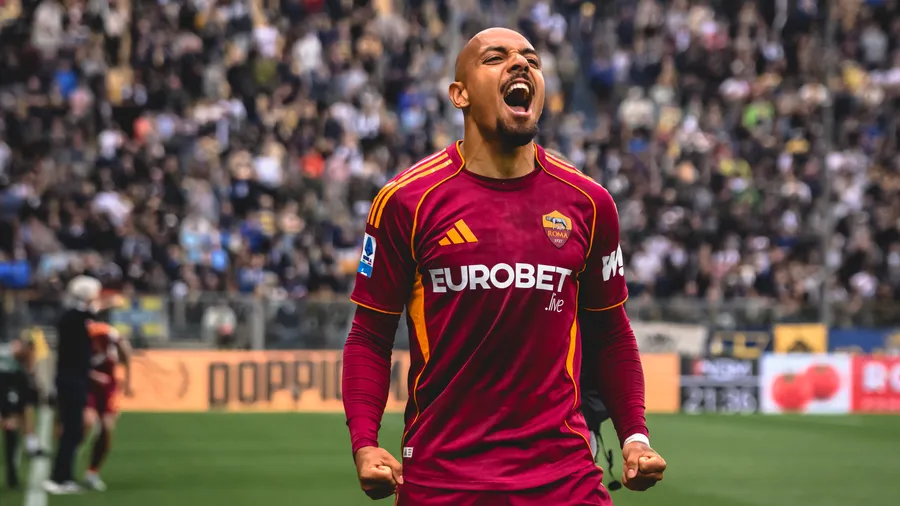
Roma had the easiest decision of almost any club on this list because they had already run the experiment. Malen arrived on loan in January, scored 14 times in 18 matches and immediately looked far more comfortable as a central striker than he had when pushed into wider roles earlier in his career.
Turning the loan into a permanent deal for around $30 million is exactly the kind of transfer business supporters want their club to make: the player has already shown he fits the coach, the league and the teammates around him. Roma's official announcement tied Malen down through 2030, reducing the normal uncertainty attached to a new striker.
There is also a tactical lesson here. Malen's career has often been discussed in terms of versatility, but versatility can become a problem when it stops a player from living in his best position. At Roma he is being treated more like a true No. 9. That gives him clearer movements, more touches in dangerous areas and less responsibility to create from the wing.
His fast start to the new Serie A season only reinforces the point. Roma did not need to chase a more glamorous name when they already knew this player could score in their system. If they stay in the title conversation, this may end up looking like one of the least complicated wins of the window.
8. Morgan Rogers to Chelsea
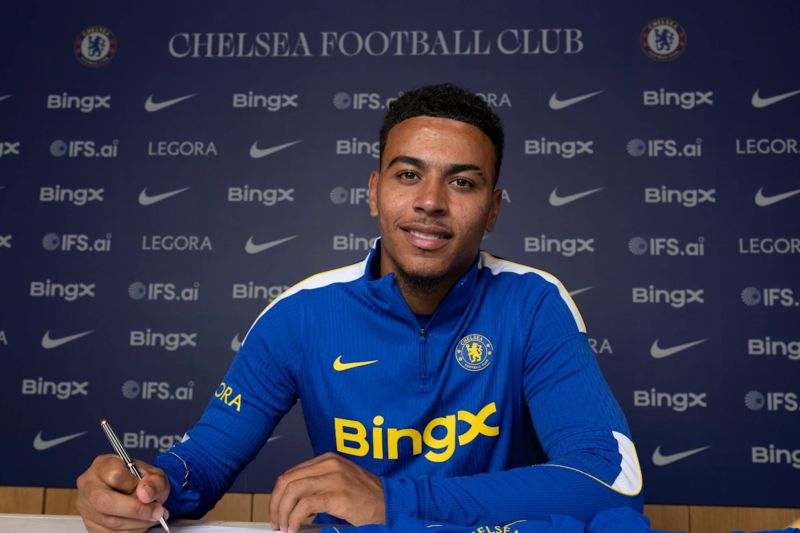
Morgan Rogers is where the word "value" becomes uncomfortable. Chelsea paid a superstar-sized fee for him, with the reported price around $158 million. At that number, a player cannot merely be good. He needs to change the attack.
There is a case that Rogers can do exactly that. Chelsea officially signed the England international from Aston Villa through 2033 after he established himself as one of the Premier League's most productive young attackers. The club noted that his goals and assists contributed to 40 goals in 85 Premier League appearances for Villa.
The important part is not only Rogers' output. It is what his presence can do for Cole Palmer. Chelsea became too dependent on Palmer being both the primary creator and the player expected to finish moves. Rogers gives them another large, powerful ball-carrier who can break a defensive line without requiring the same zones Palmer prefers.
That can change the geometry of Chelsea's attack. Defenders cannot collapse toward Palmer as aggressively if Rogers is arriving from another channel, and Chelsea can create more without asking João Pedro or the wide forwards to manufacture every transition.
The obvious downside is the fee. Rogers can be an excellent signing and still be overpriced. Chelsea are effectively paying now for the player they believe he will become over most of the next decade. If he becomes a genuine world-class attacker, the contract length softens the initial shock. If he settles as merely a very good Premier League forward, the price will follow him for years.

7. Mamadou Sangaré to Brentford

Brentford's move for Mamadou Sangaré is almost the opposite of Chelsea's Rogers deal. The Bees still paid a club-record type of fee, reported around $55 million, but the transfer is built around identifying a specific profile before a richer club decides it needs the same thing.
Sangaré gives Brentford a midfielder who can win possession and immediately turn a defensive action into an attack. That matters because Brentford's best football rarely depends on sterile control. They want to create pressure, force mistakes and attack before the opposition has reset.
At 24, Sangaré also sits in the sweet spot for Brentford's model. He should be ready to contribute immediately, but he is still young enough that a strong Premier League season could multiply his market value. The club does not need to sell him for the transfer to succeed, yet the possibility of a future profit is built into the deal.
The wider transfer market makes the price look better. Elite midfielders moved for enormous sums this summer. Brentford could not shop in the same category as Manchester City, Arsenal or Chelsea, so they found a player whose strengths map closely to their own style. If he helps push them toward European football, the fee will look aggressive rather than excessive.
6. Maxence Lacroix to Chelsea
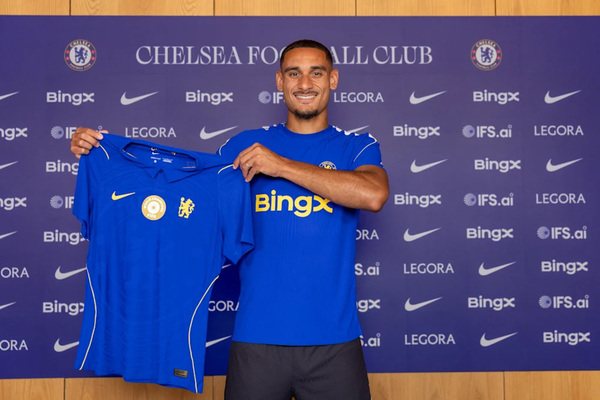
Chelsea's most logical signing may be the one that generated less noise than Rogers. Maxence Lacroix arrives from Crystal Palace with Premier League experience, France international status and a skill set that fits Xabi Alonso's preferred defensive structure.
Chelsea confirmed a contract through 2032. The club highlighted Lacroix's pace and aerial ability after 98 appearances for Palace, and those traits matter even more in a back three. When a team pushes wing-backs high and asks its centre-backs to defend large spaces, recovery speed becomes a tactical necessity rather than a luxury.
That is where Lacroix can change Chelsea. A faster defender allows the line to squeeze higher because there is more confidence that a direct ball over the top will not automatically create a crisis. It can also make Chelsea more aggressive in the press: the front six can hunt the ball knowing the defenders behind them are better equipped to survive an isolated duel.
The reported fee, just over $70 million, is substantial but defensible in the current market. Chelsea were buying a 26-year-old who already understands the league rather than paying mainly for the possibility that a teenager becomes this level of defender later.
For a club that has spent huge money on attacking talent, this is the kind of structural signing that can make the expensive players in front of him more useful.
5. Bruno Guimarães to Arsenal

Arsenal spent around $100 million on Bruno Guimarães, and the most important question is not whether he can start. He obviously can. The more interesting question is how much he changes Mikel Arteta's ability to rotate without weakening the team.
Arsenal have leaned heavily on Declan Rice because very few midfielders can match his combination of physical coverage, ball progression, pressing and set-piece influence. That dependence becomes dangerous over a full domestic and European season. Adding Guimarães means Arteta can rest Rice without turning the midfield into a different level of unit.
There are also games where both should play. Guimarães can operate deeper, join attacks and help control the emotional tempo of a match. With Martín Zubimendi and other midfield options available, Arsenal suddenly have several combinations that can be selected for the opponent rather than because one starter is exhausted.
The fee is large, but the transfer addresses the difference between having an excellent starting XI and having a championship squad. Arsenal already had enough quality to compete for the title. The bigger challenge was maintaining that quality across injuries, Champions League weeks and congested stretches of the season.
4. Enzo Fernández to Manchester City
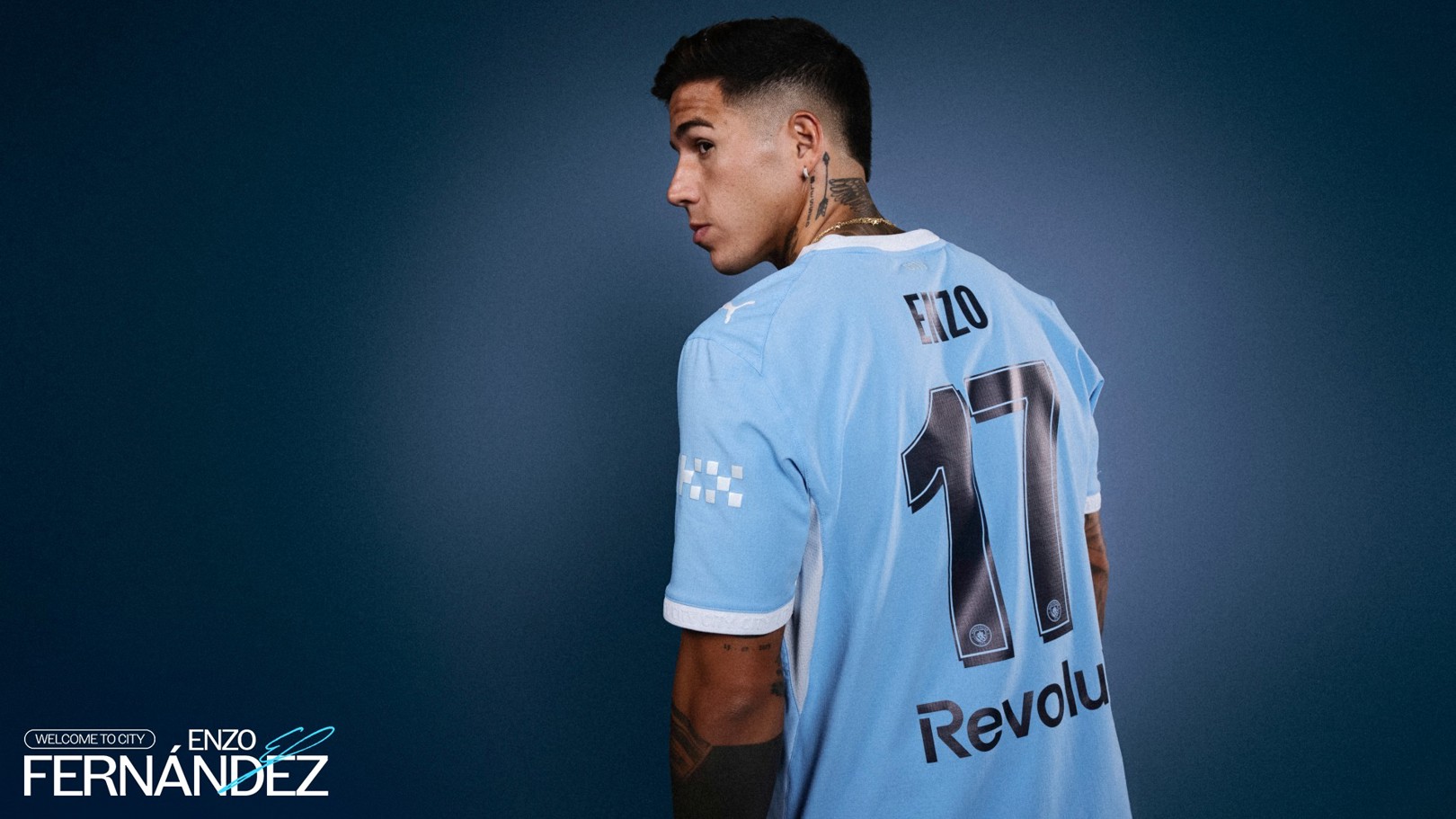
Manchester City's move for Enzo Fernández is the transfer on this list most likely to produce two completely different reactions at the same time: Chelsea can feel delighted by the fee, while City can still believe they bought exactly what they needed.
The reported price was around £125 million, roughly $169 million, and Fernández signed a five-year deal. That is an enormous commitment for a midfielder entering his prime, but City were not shopping for potential. They wanted a player who could immediately carry a large share of the team's possession, progression and final-third work.
Fernández fits because he can influence more than one phase. He can take the ball from defenders, play through pressure and still arrive high enough to create or score. That flexibility matters in a City side that changes shape repeatedly within the same match.
It also gives the manager more freedom around the rest of the midfield. A specialist can force the system to protect his weaknesses. Enzo does the opposite: his all-around game allows City to choose more aggressively around him, whether that means an extra attacker, another controller or a more defensive partner.
The concern is value. At close to $170 million, there is almost no room for the transfer to be merely successful. But Manchester City are operating in a different category from clubs that need every signing to retain resale value. If Fernández helps return them to the top of the Premier League and deep into the Champions League, the fee becomes a cost of competing rather than the story itself.
3. Emiliano Martínez to Chelsea

Emiliano Martínez is one of the simplest transfers to understand. Chelsea needed more certainty in goal, and instead of trying to develop the position slowly, they bought one of the most experienced big-game goalkeepers available.
Martínez signed a three-year deal for a reported fee around £7.5 million, roughly $10 million. At 34, Martínez is not a long-term asset in the conventional Chelsea sense, but that is precisely why the move is significant. It suggests the club is willing to prioritize immediate competitive value instead of treating every position as an investment that must appreciate.
Martínez brings more than shot-stopping. He has played in World Cup finals, handled penalty shootouts at the highest level and spent years as a vocal presence behind a Premier League defense. Chelsea have had enough young talent. What they needed was a goalkeeper who can organize, slow a chaotic game down and carry the psychological weight of a major moment.
The fee also limits the downside. Even if Martínez declines over the length of the contract, Chelsea have not committed the kind of transfer sum that traps them. If he gives them two high-level seasons and stabilizes a position that has repeatedly created uncertainty, the return is excellent.
2. Bernardo Silva to Real Madrid

Bernardo Silva may be the best pure value signing in the ranking. Real Madrid agreed a two-year deal with the former Manchester City midfielder through June 2028, and there was no transfer fee.
At 32, the question is not resale value. Madrid are buying intelligence, control and experience for a squad that did not simply need another superstar. They needed someone comfortable taking responsibility when matches become disorganized.
Bernardo can help in several ways without demanding that the team be built around him. He can start wide and move inside, play as an advanced midfielder, help circulate possession against a low block or become the extra worker in a midfield designed to protect the forwards. That tactical elasticity has been one of the defining qualities of his career.
There is also a leadership element. Real Madrid have enough young talent and enough attacking celebrity. What a free-transfer veteran can provide is a reliable professional standard and a player who understands how to manage the rhythms of a title race and Champions League knockout tie.
Because there is no fee, the threshold for success is lower than it is for nearly every other player on this list. If Bernardo gives Madrid two strong seasons, the deal is excellent. If his legs fade sooner than expected, the club has not tied up a nine-figure transfer investment.
That combination of tactical usefulness, experience and financial efficiency is why the move belongs near the top.

1. Rodri to Barcelona

Rodri is the deal that changes the ceiling of a team. Barcelona were already capable of overwhelming opponents with attacking talent, but their midfield had a different problem: they lacked a proven, world-class controller who could dictate the center of the pitch while protecting the defense behind him.
Barcelona completed the move from Manchester City for a reported fee around £65.4 million. For a player of Rodri's résumé and current level, that figure looks relatively modest compared with the prices paid for several younger midfielders this summer.
The timing matters. Rodri entered the summer with legitimate questions around his physical level after previous injury problems, then answered them by playing a major role for Spain at the 2026 World Cup and winning the Golden Ball as the tournament's outstanding player. Instead of Barcelona buying a famous name hoping he could recover his best form, they are buying a player who has just demonstrated that the highest level is still there.
His fit beside Pedri could be transformative. Pedri is at his best when he can move, receive between lines and influence attacks without being solely responsible for controlling every transition behind him. Rodri can absorb that deeper responsibility. He gives Barcelona a reliable first pass, aerial presence, tactical fouling when needed and the ability to slow down games that are becoming too open.
He also buys time for the younger midfielders. Marc Bernal and the other developing options do not need to be rushed into responsibility simply because the squad lacks an established anchor. Barcelona can choose their minutes more carefully while still competing for the Champions League now.
That is what separates Rodri from many of the other expensive transfers. A great signing does not only add talent; it changes what everyone around him is allowed to do. Barcelona's attackers can stay higher. Pedri can be more adventurous. The center-backs have more protection. The young midfielders can develop without being asked to carry the season.
The Biggest Omission: Bradley Barcola to Liverpool
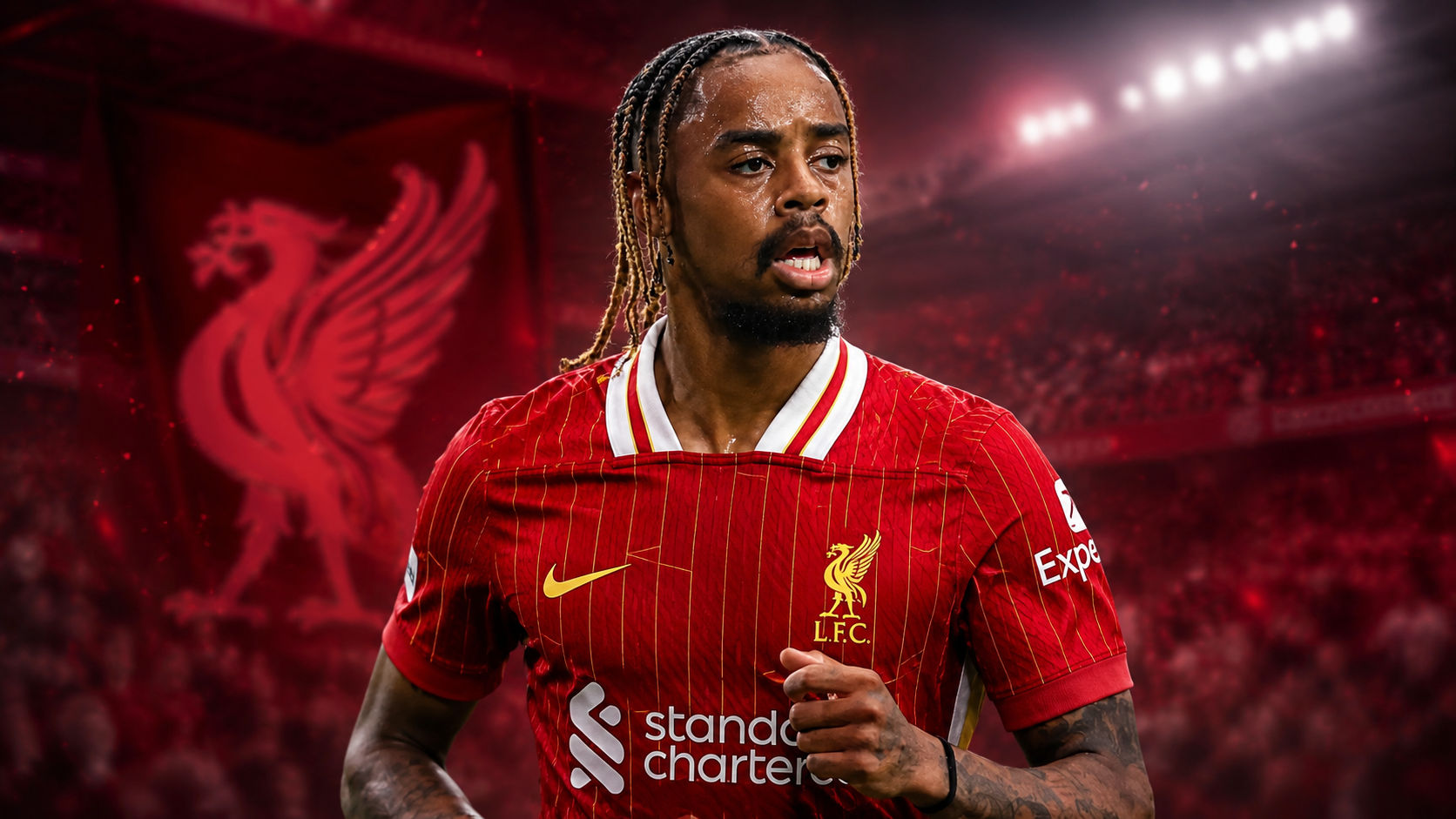
Any ranking of a transfer window becomes more useful when there is at least one expensive player left outside it. Here, Bradley Barcola is the obvious example. Liverpool paid around $145 million for the French attacker, a fee large enough that the signing needs to be judged against more than talent alone.
Barcola can absolutely become a major player for Liverpool. He brings acceleration, direct running and the ability to attack defenders from the left. The question is whether that was the area where Liverpool most needed to commit such an enormous share of their summer resources.
That distinction matters. A transfer can improve a squad while still being worse value than a cheaper deal that solves a bigger problem. The top ten contains several examples of clubs paying for exact fit: Brentford with Sangaré, Chelsea with Martínez, Atlético with Lee and Barcelona with Rodri. Liverpool's Barcola move may eventually look brilliant, but at $145 million the burden of proof is higher.
What This Ranking Says About the 2026 Transfer Window
The most striking pattern is how much money moved through central midfield. Rodri, Enzo Fernández and Bruno Guimarães all sit in the top five, and each represents a different version of the same belief: elite clubs increasingly see midfield control as the safest way to raise the level of the entire team.
Barcelona bought the elite controller. Manchester City bought the all-phase midfielder. Arsenal bought depth that is good enough to start. None of those moves are about adding a luxury name to a finished squad. They are attempts to solve structural problems that become obvious over a 60-game season.
Chelsea's summer is the other major story. Rogers, Lacroix and Martínez all make the top eight, but they represent three completely different recruitment philosophies. Rogers is a huge long-term investment. Lacroix is a prime-age fit for the manager's system. Martínez is a low-fee veteran intended to win immediately. If all three work, Chelsea will have shown that a club does not need one rigid age or resale profile for every signing.
Then there are the value moves. Bernardo Silva costs Real Madrid no transfer fee. Roma make permanent a striker they already know works. Atlético pay a manageable fee for Lee's upside. Brentford spend heavily by their standards but choose a player whose style feels almost designed for them.
That is why "best transfer" is different from "best player." Barcola may become a bigger star than several names in this ranking. Rogers may justify every dollar. Enzo may be worth his record-level price. But the deals most likely to age well are usually the ones where the player's strengths, the club's need and the cost all point in the same direction.
Right now, Rodri to Barcelona checks those boxes better than anyone else. A world-class midfielder has joined a team that specifically needed his skill set for a fee below several less proven players. If he stays healthy, the transfer could influence not only La Liga but the Champions League title race.
More Football Stories
Our football news library is still growing. As more transfer and club stories are published, this section will prioritize the closest topic first, then recency and rotation instead of repeatedly surfacing the same article.
BROWSE THE SPORTS BLOG