

Skubal to Mets? Bichette’s $84M Bet and Peralta’s Rays Dilemma
GOATIFYThe World Series is still underway, but the biggest offseason questions are already taking shape. Milwaukee carries a 2-0 lead over Tampa Bay into Monday's Game 3, while the Dodgers, Mets and the rest of baseball are weighing decisions that could change next year's contenders. Tarik Skubal may be the market's defining free agent. Bo Bichette must decide whether to walk away from $84 million in guarantees. Freddy Peralta has rebuilt his value with the Rays just as his contract approaches its end.
Each case has a different answer, and none is settled. What connects them is the December 1 expiration of baseball's labor agreement, which could turn an ordinary bidding season into a race against an uncertain calendar.
Skubal’s free agency is a Dodgers-versus-Mets test of ambition

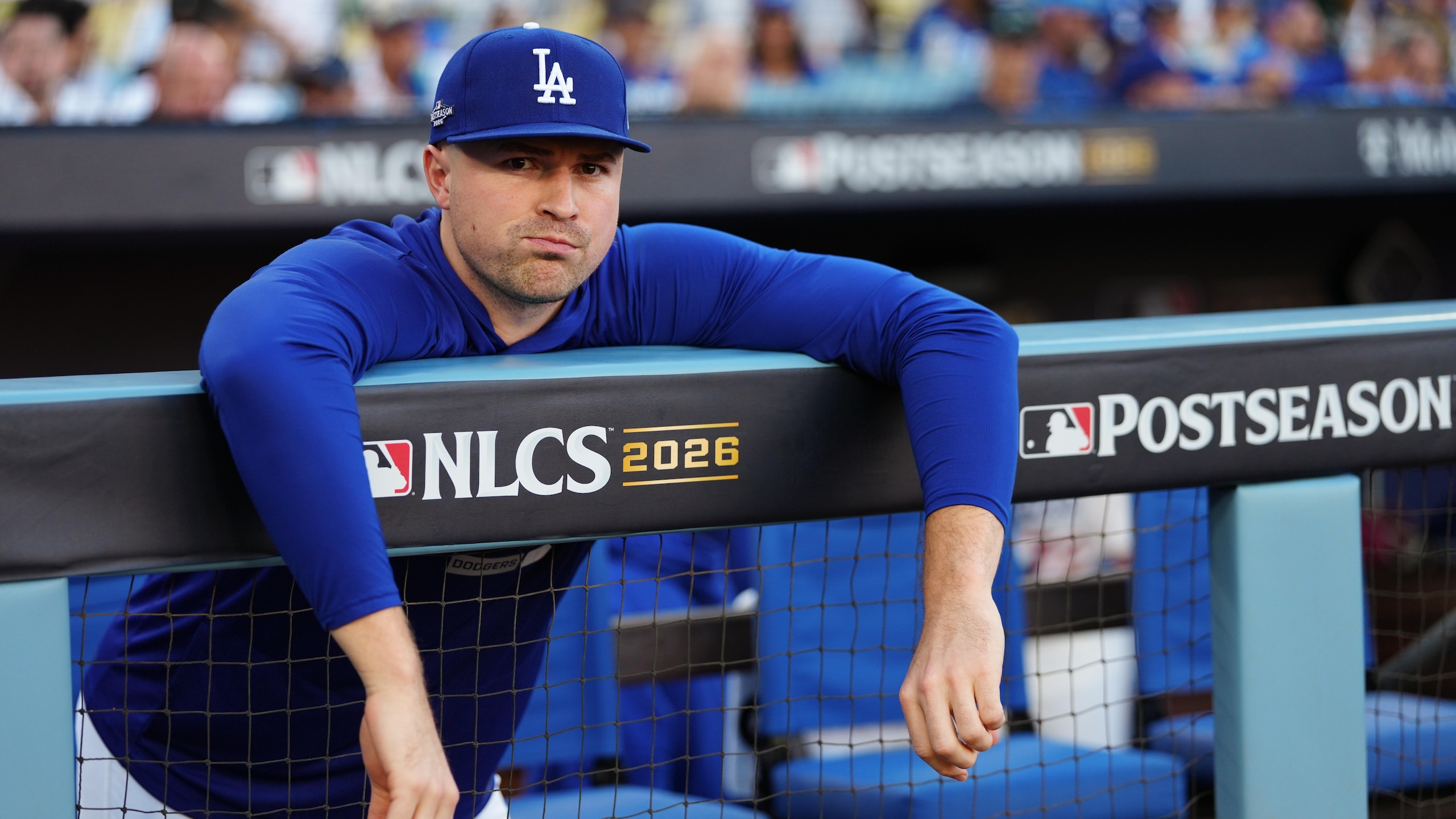
Tarik Skubal is the player who could change the shape of this winter before a single pitch is thrown in 2027. The two-time American League Cy Young winner spent the final months of 2026 with Los Angeles after a blockbuster August trade from Detroit, and he now approaches the open market without a new contract in place. A return to the Dodgers is entirely plausible. So is a pursuit from the Mets, who have both the appetite for a marquee name and an obvious reason to reinforce their rotation. Neither outcome is settled, and the distinction between a rumored fit and an actual agreement matters.
Skubal's case is unusually strong even by the standards of an ace. He finished the regular season 12-7 with a 2.72 ERA and 186 strikeouts in 158⅔ innings. His first October start for Los Angeles produced six innings of one-run ball against Atlanta; his next came in the National League Championship Series against Milwaukee, where the Dodgers' title defense ended. Those two starts are not enough to redefine a pitcher's value. They are, however, a reminder that even the most expensive rotation can reach October and discover it needs one more dependable answer.
Los Angeles already paid a prospect price to acquire Skubal. Allowing him to walk would leave the club with the short-term benefit of that deal but no long-term control of the pitcher it chased. Retaining him would preserve a high-end rotation centerpiece alongside the other established arms, yet the organization must also weigh the cost of committing another enormous contract to an already expensive roster. The Dodgers can afford to compete; the question is how far they want to push a single position.
New York's pitch is different. The Mets have Juan Soto and Francisco Lindor, while young players such as Carson Benge and Nolan McLean offer reasons to believe the next competitive window can be built rather than bought in one transaction. Adding Skubal would be a statement that the organization wants a true front-line starter now, not simply more rotation depth. The Cubs, Blue Jays, Phillies and a Detroit reunion are also plausible possibilities, but no responsible forecast should confuse a list of possible suitors with a list of firm offers.
There is one meaningful procedural advantage for a prospective bidder: because Skubal changed teams during the season, he is not eligible for a qualifying offer from Los Angeles. His next club therefore would not surrender a draft pick as compensation for signing him. That removes one obstacle, though not the far bigger questions of salary, years, health and the looming labor deadline. The most important variable may be not just who offers the most, but who is willing to make that offer before the market potentially slows.

Bichette’s $84 million decision could quietly shape the Mets’ plans
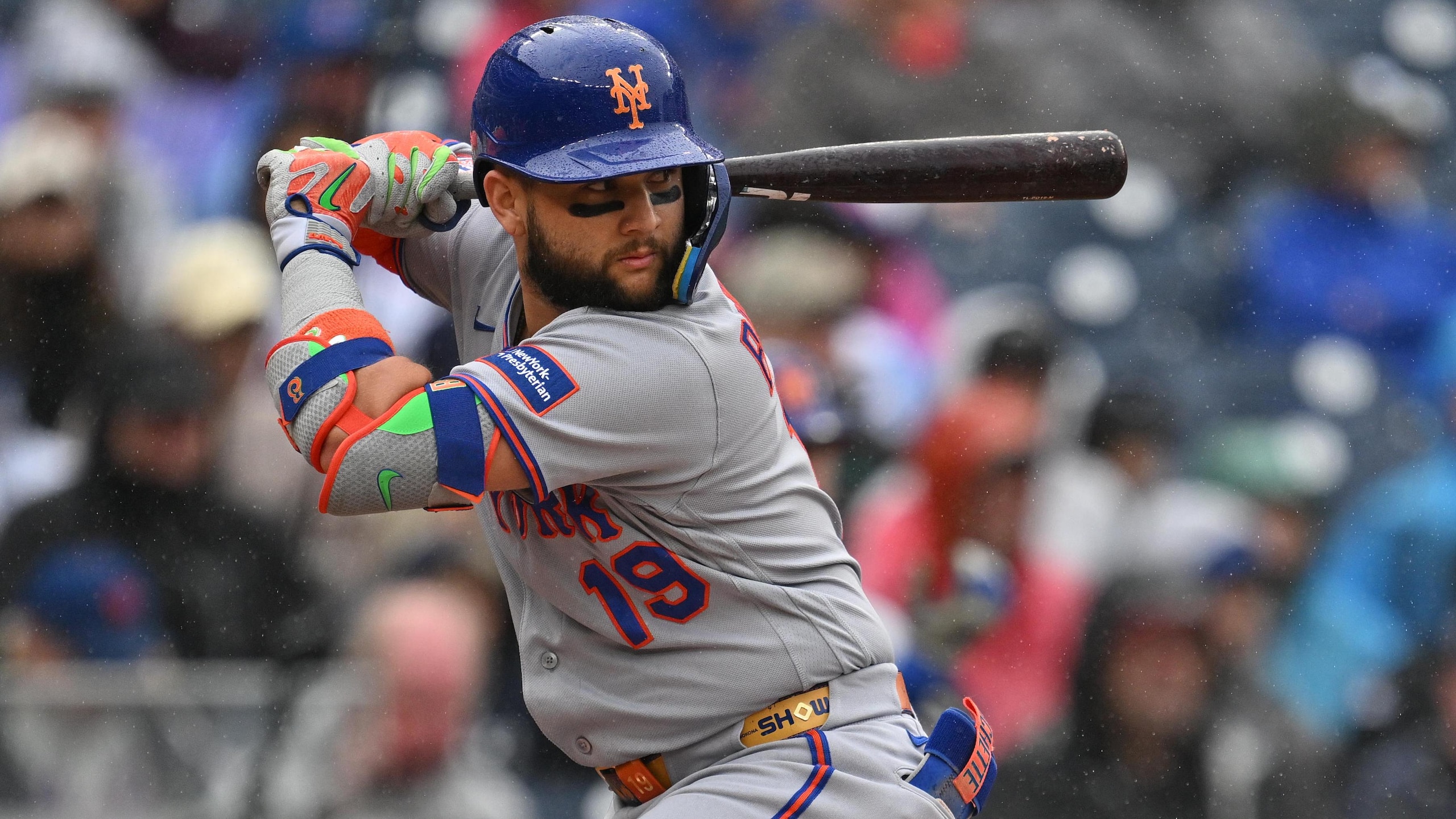
Bo Bichette has a different sort of leverage problem. His contract includes player opt-outs, but exercising one would mean walking away from substantial guaranteed money after a season that did not fully restore his market value. The Mets signed the former Toronto star to a three-year, $126 million deal before 2026. The remaining two seasons are worth $84 million, making this less a conventional free-agent auction than a calculation about whether one more year in New York offers the safer path to a better future deal.
The 2026 numbers explain the tension. Bichette played 160 games and hit .260 with 18 home runs, 78 runs batted in and 49 walks. He improved after a difficult start, and his willingness to make contact remains valuable, but a .702 OPS is not the sort of platform season that ordinarily invites teams to exceed a $42 million annual salary. There is a difference between being a productive everyday hitter and being able to command a contract that improves on the one already guaranteed.
His decision also affects the Mets' defensive and financial map. Francisco Lindor remains established at shortstop, so Bichette's role has required flexibility around third base and the infield. Keeping him would give the club a known bat with rebound potential, but it would also tie up a significant chunk of spending at a time when the rotation may demand attention. If the Mets seriously chase Skubal, they must decide how much of their future payroll they want concentrated in a small group of stars.
A return to Toronto would carry an obvious emotional narrative, and Philadelphia could make sense as a theoretical alternative. Neither should be presented as a live negotiation without evidence. Bichette's decision is his own, and he has spoken positively about his experience with the Mets and their young players. His existing deal even contains another opportunity to opt out after 2027, which could let him rebuild his numbers and test the market later rather than immediately surrendering a large guarantee.
That makes staying in Queens the financially logical outcome on the information available today, not an official decision. It would also illustrate why the biggest offseason headlines can be misleading. A star's contractual right to leave does not mean leaving is the best move. For New York, certainty about Bichette could be nearly as important as clarity about Skubal: one affects the money available to spend, the other the ceiling the Mets might be able to buy.

Peralta revived his value in Tampa Bay — can the Rays afford to keep him?
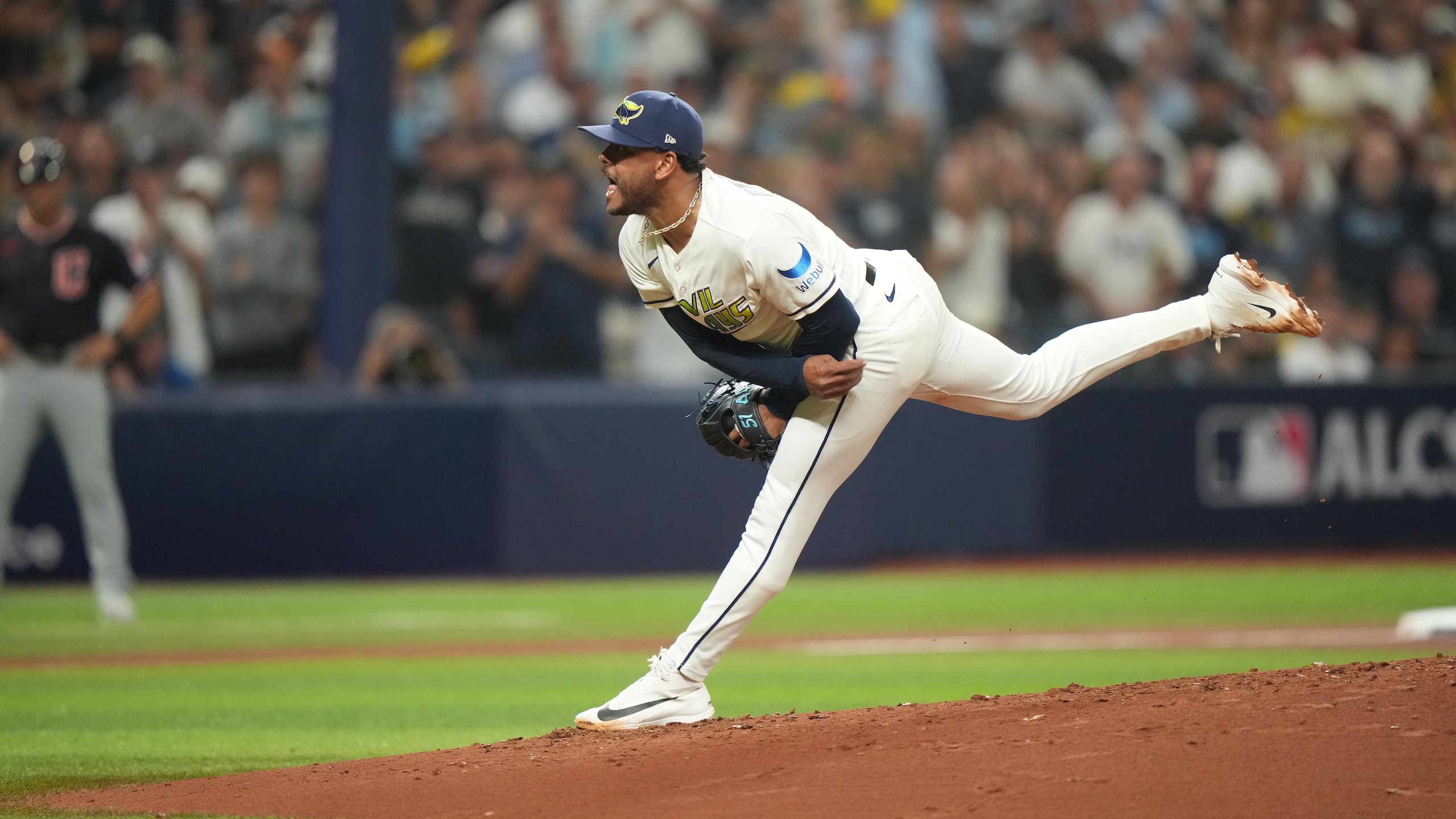
Freddy Peralta's season is the most dramatic reminder that free-agent value can change in a matter of months. The right-hander arrived with the Mets in a January trade from Milwaukee, but his New York stint never matched the expectation that he would stabilize a contending rotation. He went 5-9 with a 4.99 ERA in 22 starts, and the Mets sent him to Tampa Bay at the August deadline for three prospects. At that point, a major contract looked considerably less certain than it had in spring training.
The Rays saw a different pitcher. Peralta rebuilt his effectiveness after the move, became a major part of their postseason rotation and earned American League Championship Series MVP honors as Tampa Bay advanced past Cleveland. In that series he allowed just one run over 12 innings across three appearances. The revival did more than rescue his reputation: it helped put the Rays in their first World Series since 2020, with the team now facing his former Milwaukee club.
As of Monday's Game 3 buildup, Tampa Bay trails the Brewers 2-0 in the best-of-seven series, and Peralta is scheduled to start in front of the home crowd. That outing could shape the immediate championship race, but one October performance should not be treated as a complete referendum on his next contract. Teams will evaluate his broader track record, the mechanical and command issues that troubled him in New York, and whether Tampa Bay's adjustments are sustainable beyond a hot stretch.
The financial question is sharper for the Rays than for a traditional big spender. Tampa Bay has built competitive teams by finding value, developing pitching and making difficult roster choices before salaries escalate. The organization already spent prospect capital to acquire Peralta, so keeping him would preserve the benefit of that gamble. Yet committing long-term money at an ace-like rate is a different decision from trading for a short-term rental at an $8 million salary.
Peralta may prefer the environment that helped him recover, and the chance to pitch for a club that believes in his repertoire has real value. But a pitcher entering free agency after an ALCS MVP performance can also reasonably seek to maximize a limited number of prime earning years. The Rays must decide whether their best path is to pay for the revival or trust the same development system that helped create it. Either way, the Mets' unsuccessful investment and Tampa Bay's success will be part of every front office's evaluation.

December 1 could change the timing of every major deal
These three cases share a deadline that has nothing to do with the World Series schedule. Major League Baseball's current collective bargaining agreement expires at 11:59 p.m. Eastern on December 1, 2026. Owners have proposed major economic changes, including a salary cap and floor, while the players' union has resisted a cap. Negotiations could still produce an agreement, but the possibility of a lockout or other interruption introduces uncertainty that teams and agents cannot ignore.
For Skubal, the practical question is whether the richest bidders will try to secure the market's premier starter before that date or wait for clearer labor rules. For Bichette, a contractual opt-in could offer an unusually attractive degree of certainty. For Peralta, a World Series run might strengthen his negotiating position just as the market's timetable becomes harder to predict. Those are different problems, but all three are shaped by how clubs price risk when the rules of the next season remain under discussion.
The matchup between Milwaukee and Tampa Bay adds an ironic backdrop. Both clubs reached the Fall Classic without relying on the sport's largest payrolls, while the Dodgers and Mets are central characters in the free-agent conversation despite watching from outside the World Series. One season does not prove that spending is irrelevant, just as a high payroll cannot guarantee an October trophy. The best organizations combine player development, smart transactions and enough financial flexibility to address the weaknesses they cannot solve internally.
There is also a distinction between speculation and reporting that matters in a market like this. Skubal has not agreed to join the Mets; Bichette has not announced that he is leaving New York; Peralta has not decided that he must depart Tampa Bay. Those outcomes are possibilities to evaluate, not transactions to publish as facts. What is certain is that the coming weeks will force teams to assign dollar values to very different kinds of uncertainty: an elite ace's long-term ceiling, an infielder's guaranteed salary and a revived pitcher's sustainability.
The 2026 World Series will crown a champion soon. The larger offseason story may be decided by how quickly clubs can act before December 1 — and whether baseball's labor negotiations allow the usual winter market to proceed normally.
Skubal offers the rare chance to buy a true ace, Bichette must decide whether his existing guarantee is worth more than an uncertain market, and Peralta has to weigh a career revival in Tampa Bay against the payday it may produce elsewhere. The Dodgers, Mets and Rays face very different payroll constraints, but all three must make decisions with the same labor deadline approaching.
For now, these are decisions and possible destinations, not completed deals. The most revealing part of the 2026-27 offseason may be which teams act decisively before December 1, and which discover that waiting for certainty carries a cost of its own.

















