Gabby Williams Counts Possessions — Her Finals Calm Is Golden State's Edge
GOATIFYGabby Williams is doing arithmetic while the WNBA Finals are trying to become chaos. With the shot clock running, the arena roaring and Atlanta loading its defense toward her, Golden State's star is quietly calculating how many possessions remain, what each one is worth and when a particular shot makes sense. That habit, revealed ahead of Game 2, explains something more interesting than the 26 points she scored in the Valkyries' 68-64 Finals opener: why the newest championship contender has looked unusually composed when its offense stops working.
Golden State leads the Atlanta Dream 1-0 after a defensive struggle in which neither side could buy consistent offense. Williams began by missing four shots, then scored 16 points in the second quarter and carried the scoring burden through the finish. She is not claiming a secret formula that guarantees a basket. Her method is to make a frightening, emotional moment smaller: one possession, one matchup and one decision at a time.
The distinction matters before Monday's Game 2 in San Francisco. Atlanta has already shown it can disrupt Golden State's rhythm. What the Dream have not yet shown is that they can force Williams and the Valkyries to abandon their decision-making under pressure.
The math behind Williams' fourth-quarter decisions

Williams' mental routine begins with a practical question: how much basketball is actually left? Instead of treating a late deficit as one enormous problem, she estimates the number of possessions still available and the kind of scoring each trip needs to produce. That can change whether a player hunts an immediate three, attacks the rim, looks for a teammate or simply avoids a risky pass. It is a way of turning the scoreboard into a series of manageable choices rather than an instruction to hurry.
That is not the same as playing slowly. The clock can demand urgency, and Golden State's defense can manufacture fast chances. But urgency without a plan often becomes a rushed jumper or a turnover that gives the opponent a transition opportunity. Williams' point is that a possession has a context: time, score, available matchups and the likely value of the next defensive stop. Her calculations give the team a framework for responding to that context instead of merely reacting to noise.
The detail is revealing because it is not just a public-relations description of leadership. Members of the team's training staff have noticed her looking toward the clock in fourth quarters. Coach Natalie Nakase approaches the same moments from a different direction, reading defensive coverages, energy and the connection between teammates. The two perspectives can reinforce each other: the coach identifies which action is likely to work, while the closer judges how urgently the team needs to use it.
Consider the opener's final stretch. Golden State closed on a 7-0 run over the final 2:53 and outscored Atlanta 17-8 in the fourth quarter. That did not require a spectacular shot on every trip. It required enough stops to preserve the value of each offensive possession, plus the patience to reach useful scoring opportunities. Williams' arithmetic is not the whole explanation for the comeback, but it helps explain why she did not treat every empty trip as a reason to panic.
Golden State's defense makes that patience possible

A late-game calculation only helps if the defense can buy the time required to act on it. Golden State has built precisely that kind of foundation. Its regular-season identity was built around making opponents work for shots, contesting without constantly surrendering easy lanes and keeping multiple capable defenders on the floor. Williams and Veronica Burton were both recognized for their perimeter work, while Kiah Stokes supplied the size and rim protection that allowed the guards to be aggressive.
That combination changes the psychology of a five-point deficit. A team that expects to concede a basket every time it misses may feel forced to chase difficult shots. A team confident in its defensive structure can keep playing through an ugly offensive quarter because it believes the next stop is attainable. The Valkyries shot only 32.1% in Game 1 and made seven of 33 attempts from three. Those numbers would sink plenty of teams. Golden State still won because the defense kept the contest close enough for one decisive stretch.
The personnel matters as much as the scheme. Burton can bother ballhandlers before they get into their preferred action. Williams can switch assignments and recover ground quickly. Stokes can discourage the easy finish after a guard is beaten. The group is not immune to mismatches, but it has enough overlapping skills that one failed coverage does not automatically end a possession. Those extra seconds are valuable to a team whose leading scorer is already thinking in terms of the next possession.
Golden State's first Finals win also offered a warning. The offense produced only one double-figure scorer, and Williams had to shoulder a disproportionate amount of creation. Defense can keep a team alive; it cannot guarantee that a single player will remain efficient across a long series. The challenge is to use that defensive reliability as a platform for better shot distribution, not as an excuse to ask Williams to rescue every possession.

Atlanta's counter is to disrupt the decisions before the shot

Atlanta cannot simply assume that the same late-game shooting slump will happen twice. The Dream reached the Finals by pairing disruptive defense with enough individual offense to punish opponents who lose their assignments. Angel Reese attacks the glass and changes the shape of possessions, Rhyne Howard can create pressure on the perimeter, Jordin Canada can make the first pass uncomfortable, and Allisha Gray gives Atlanta a reliable scoring option when the initial action breaks down.
The more useful response to Williams' clutch control is to make the information she is calculating less comfortable. Pressure the ball earlier, deny an easy first entry and force Golden State into its second option with less time on the shot clock. If the Valkyries need several extra seconds to begin a set, the same clock that Williams reads so well becomes a weapon for the defense. Atlanta should also look for chances to change matchups after a stoppage, rather than letting one favorable alignment repeat.
The Dream have evidence that the approach can work. Golden State's shooting percentages in Game 1 were poor even before the fourth-quarter drama, and Williams missed her first four shots. Atlanta held a five-point lead entering the final period. Its problem was not a complete inability to defend Golden State; it was failing to turn that defense into a clean finish while its own offense stalled. The task now is to maintain the pressure for all four quarters without letting frustration spill into rushed attempts at the other end.
Reese is central to that balancing act. Her rebounding creates additional chances and can erase a teammate's missed shot, but those chances only become useful if Atlanta converts them into organized offense. If the Dream make Golden State defend multiple actions on the same trip, they can tire the defenders whose stops fuel Williams' composure. That is a more sustainable answer than asking one scorer to win a shootout with a player who has learned to enjoy late-game arithmetic.
Game 2 tests whether the process can survive a heavier burden
The next game is not just a test of Williams' ability to score 26 again. It is a test of whether Golden State can win with a less extreme division of labor. One double-figure scorer is an unusual recipe for sustained Finals success, even for a team with elite defense. Nakase will want more reliable offense from the players around Williams: purposeful cuts, cleaner spacing and quick decisions after Atlanta sends a second defender toward the ball.
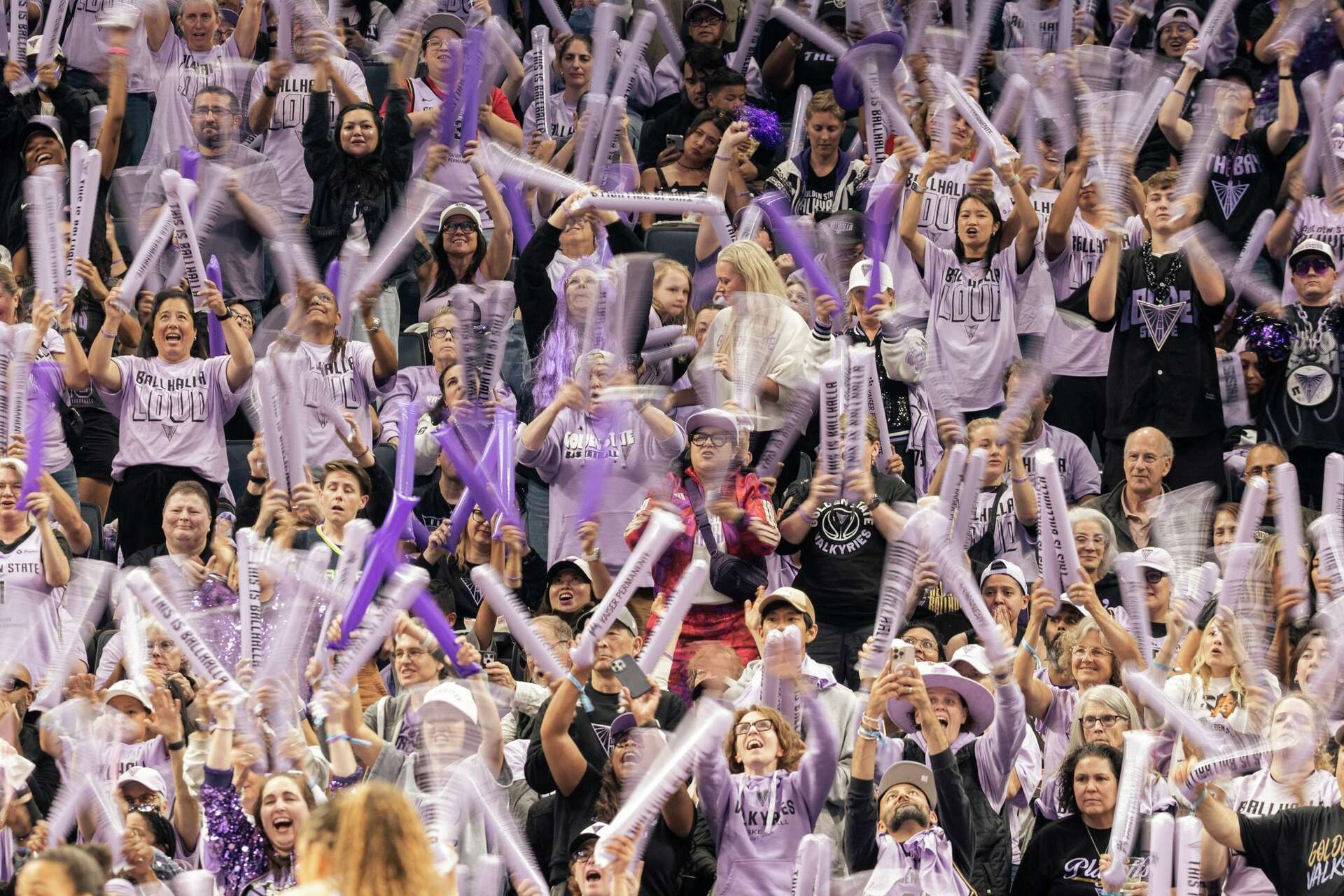
The venue should help, at least at the margins. Chase Center's 'Ballhalla' atmosphere has become a genuine feature of the Valkyries' playoff run, and Golden State enters Game 2 with the comfort of having already won a Finals game there. But noise is a two-way pressure. Home supporters can lift a defensive run, while the expectation of taking a 2-0 lead can make an early cold spell feel larger than it is. Williams' habit of reducing the game to manageable possessions may be most valuable when the crowd expects an instant response.
Atlanta, meanwhile, has a chance to make the series feel entirely different before it shifts to Georgia. Its fourth-quarter collapse in the opener was damaging, but the Dream were competitive enough to lead late despite poor outside shooting. A few more coordinated possessions from Howard, Gray and Reese would change the late-game scoreboard and force Golden State to solve a different kind of problem. That is why it would be premature to read a four-point Game 1 margin as evidence of a decisive mismatch.
Game 2 tips off Monday, October 19 at 8 p.m. Eastern in San Francisco. A Golden State victory would produce a 2-0 advantage before the series moves to Atlanta; a Dream win would reset the championship contest. The interesting question is not whether Williams keeps doing math. It is whether the Valkyries can make the rest of their offense as deliberate as their closer already is.

Williams' habit is compelling because it reveals the kind of leadership that does not always show up in a box score. She is making the game easier to understand at precisely the moment it becomes hardest to control. That can steady teammates, discourage desperate possessions and allow Golden State's defense to do what it has done all year.
But a formula is not a substitute for execution. Atlanta has the defenders to challenge every decision and the scorers to punish a stagnant Golden State attack. The Finals will ultimately be decided by who makes better choices repeatedly, not by who delivers the best single late-game moment. After Game 1, Williams has given the Valkyries a credible answer to that question. Game 2 will reveal how much of it the whole team can sustain.
Shop GOATIFY WNBA products from the WNBA-filtered basketball collection.