

Hamilton Missed One Pit Entry — Ferrari's Double Podium Vanished in Singapore
GOATIFYFerrari was looking at a double podium in Singapore. Lewis Hamilton was running in the top three, Charles Leclerc had the pace to stay near the front, and the team had a chance to protect both cars when a Virtual Safety Car interrupted the race. Then Hamilton missed the pit entry, stayed on his worn soft tyres and watched three rivals pass him before the finish.
Sixth place was the result. The more revealing story was how it happened. Ferrari wanted both drivers to stop; Hamilton chose to preserve track position after missing the entry, hoping his tyres would last. The gamble turned a potentially excellent Sunday into a public apology and left Leclerc alone on the podium. It was a race decided not by one spectacular overtake, but by a small decision whose cost grew lap after lap.
Ferrari called both cars in — Hamilton missed the window
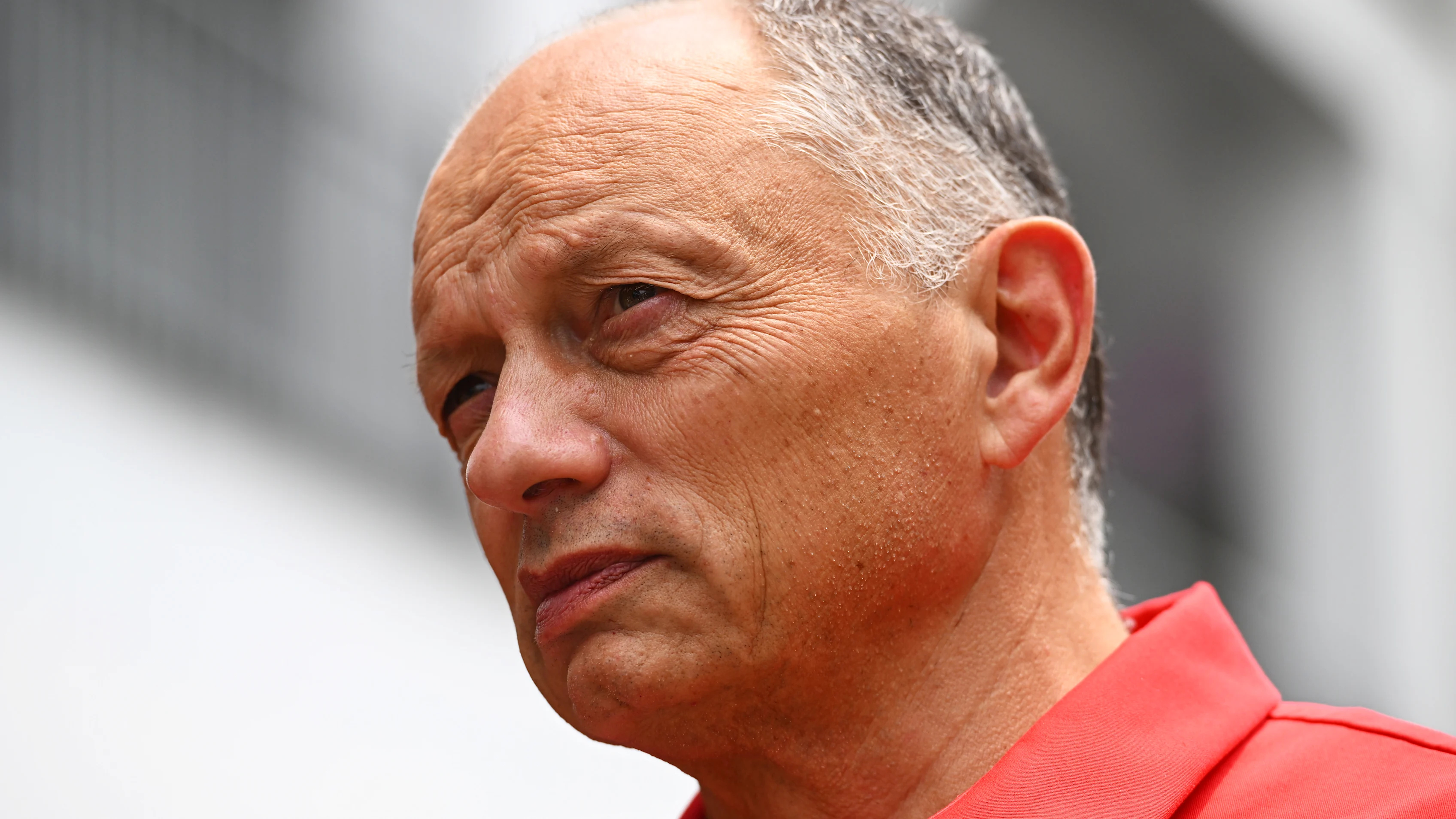
The decisive interruption arrived on lap 39 of the 62-lap Singapore Grand Prix, when Lance Stroll's retirement brought out the Virtual Safety Car. Ferrari had already divided its tyre strategies. Leclerc started on softs, while Hamilton began on mediums and stopped early for the soft compound after struggling for pace in his opening stint. By the time the field slowed, both red cars were running in the podium places behind Max Verstappen.
Under a Virtual Safety Car, a stop can cost less time than it does at full racing speed because the rest of the field is travelling to a prescribed delta. Ferrari saw the opening and called both cars in. Leclerc took the opportunity. Hamilton did not. Team principal Fred Vasseur said the instruction was clear and that Hamilton missed the pit entry. The driver subsequently decided to remain on track rather than try to recover the lost chance through another stop.
That distinction matters. The pit wall did not simply forget Hamilton, and this was not a mysterious communication failure. The team had a workable route to fresh tyres for both drivers. Hamilton acknowledged his part in the decision afterward, rather than asking Ferrari to absorb the blame. At a circuit where overtaking is notoriously difficult, holding a position can feel like the safer choice. But the calculation changes when the car behind is about to have a major tyre-life advantage.
Vasseur's post-race assessment was that Ferrari could have finished second and third. That remains a counterfactual, not an official result, yet the team's frustration is understandable: it had created the track position and then passed up the most attractive moment to protect it.

Forty-four laps on softs made track position a trap
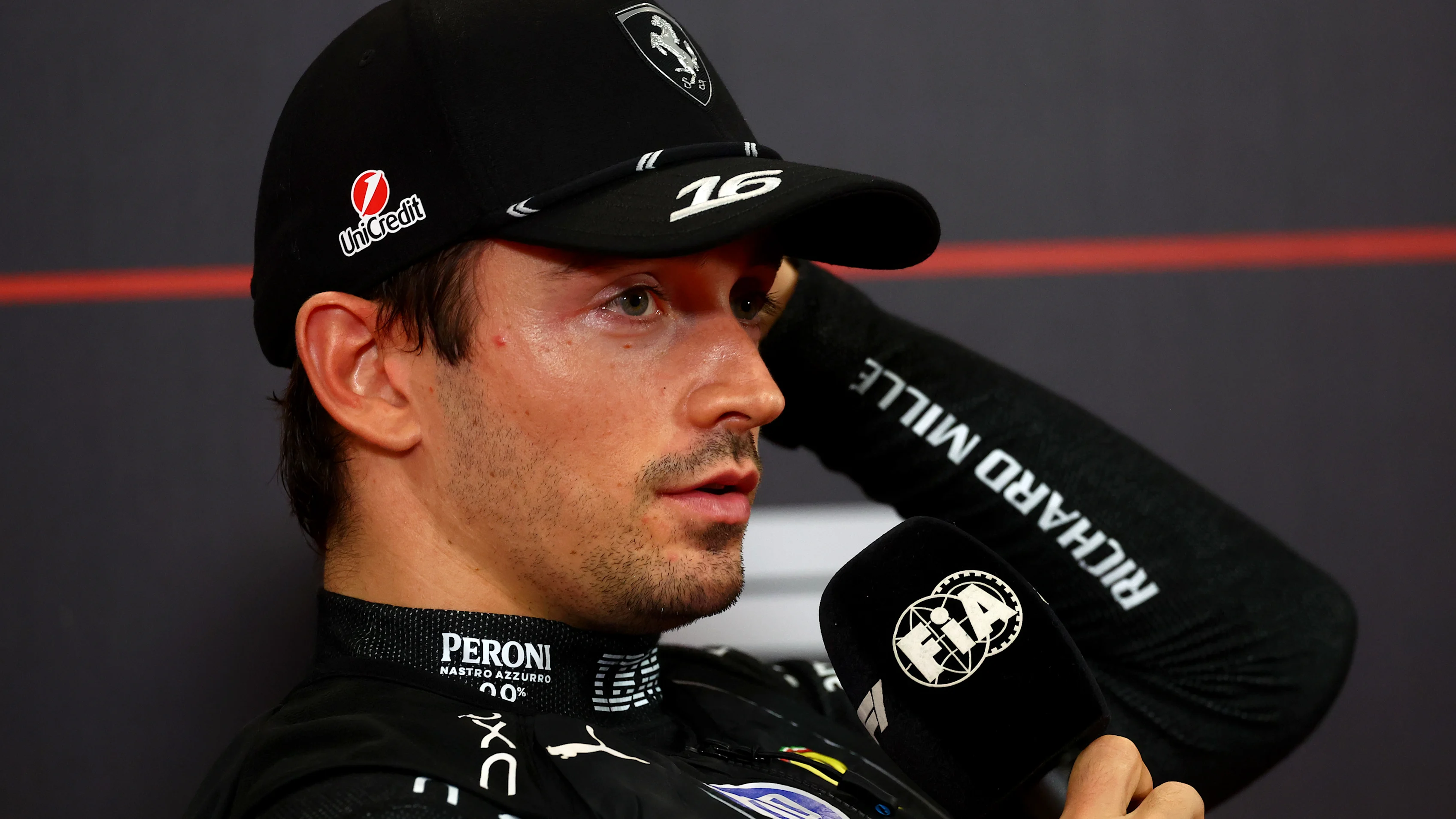
Hamilton's tyre sequence explains why the missed stop became so expensive. Starting on mediums did not deliver the pace Ferrari expected. He switched to softs after only 19 laps, trying to recover speed and stay in the fight. For a time, that second stint worked. But a tyre that is quick over a shorter run can become a liability when the race asks it to cover an extraordinary distance.
Hamilton ultimately stretched the soft set for roughly 44 laps. Singapore punishes that kind of exposure. The circuit demands repeated acceleration and braking, leaves little margin for cooling the tyres, and combines slow corners with heat that can make degradation hard to manage. As grip faded, the advantage of staying out became less valuable with every tour. Track position is only useful if the car can defend it.
Leclerc offered the immediate comparison. His successful VSC stop left him with fresher rubber and a clear route to second place behind Verstappen. Hamilton, by contrast, had to manage an increasingly uncompetitive set while cars behind gained speed. He could not prevent Kimi Antonelli from coming through, and the McLarens of Lando Norris and Oscar Piastri also got past. A potential third became sixth.
The exact lap-time losses fluctuated, but the pattern was unmistakable: Ferrari had two cars capable of finishing near the front and only one with the tyre life to remain there. The decision was especially costly because Hamilton had already paid the price of an early first stop. A second stop under the neutralisation could have reset that compromise. Staying out preserved the appearance of a podium challenge for a few laps while making the end of the race progressively harder to survive.

A lost double podium handed Antonelli and McLaren more points
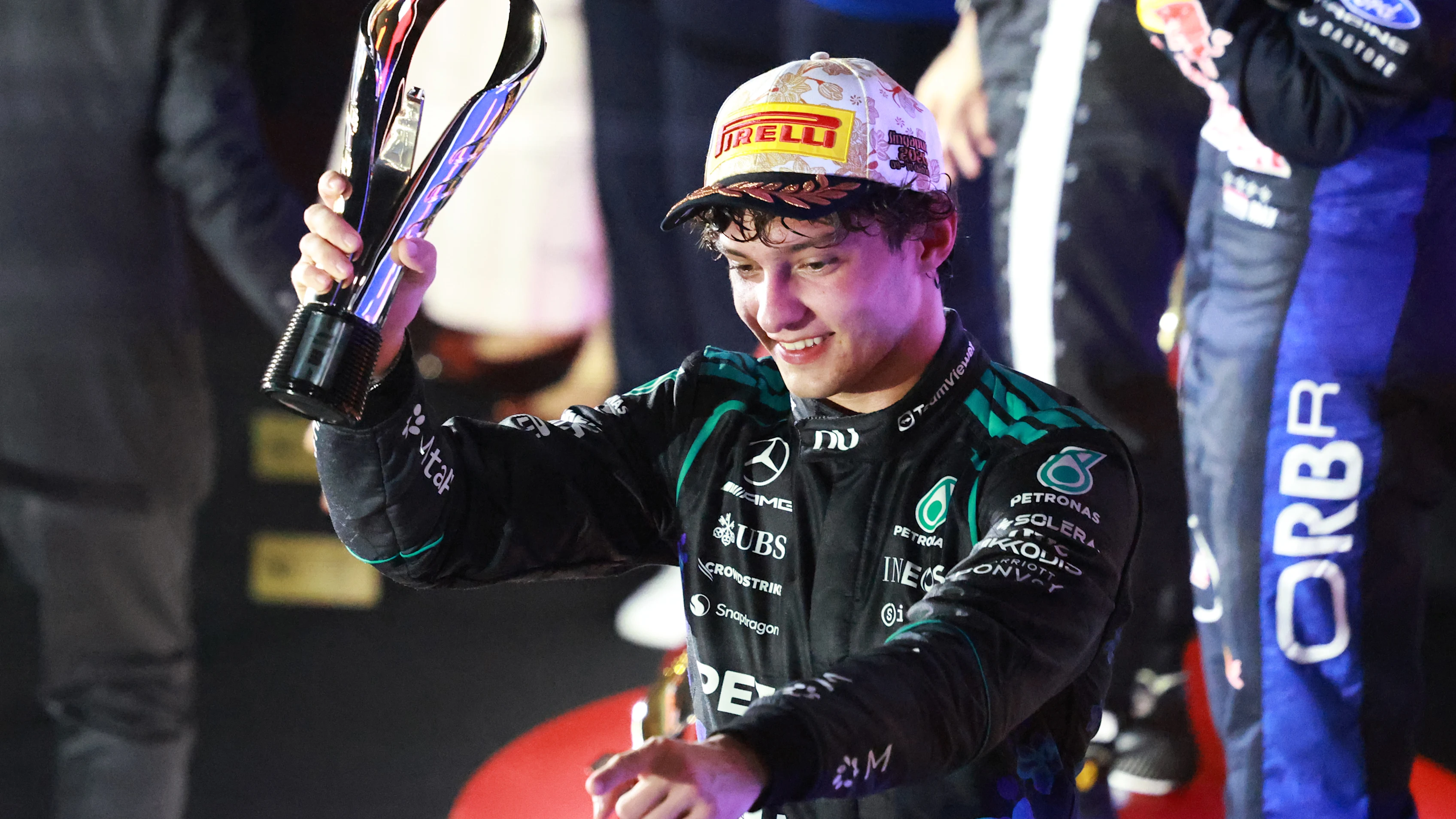
Leclerc's runner-up finish showed Ferrari was competitive in Singapore. Verstappen was beyond reach at the front, but the red cars had the speed to make the rest of the podium a realistic target. The team had also taken second and third in Saturday's Sprint, which made the missed double podium feel less like an optimistic fantasy and more like an opportunity that had been constructed across the weekend.
The beneficiaries were not random midfield runners. Antonelli took third, strengthening his already commanding championship position. Norris finished fourth and Piastri fifth, both gaining places as Hamilton's tyres deteriorated. Those results turned a Ferrari strategy choice into a change in the distribution of points among leading teams and drivers. Hamilton's sixth-place finish left him 111 points behind Antonelli, with Verstappen closing to within eight points of the Ferrari driver.
Hamilton did not hide from the mistake. He apologised over the radio after the chequered flag and later accepted responsibility for choosing to stay out. Ferrari said he felt unwell after the physically demanding race, was checked by the medical team and was excused from the post-race media session. Those circumstances explain his absence from immediate interviews; they do not change the substance of his own account of the strategy.
For Vasseur, the important next step is preventing a single driver-level call from undoing an otherwise competitive team performance. Drivers must make split-second judgments with incomplete information, especially on a street circuit. The pit wall must also be able to communicate why a tyre-life risk is growing faster than the apparent benefit of staying ahead. Ferrari had the right opportunity on Sunday; it did not get both cars through it.
Singapore will appear in the results as a Verstappen win, a Leclerc second place and a Hamilton sixth. Ferrari's lesson lies between those positions. A Virtual Safety Car gave the team a chance to lock in a double podium, and Hamilton's missed entry turned a controlled strategy into a long, fading defence on soft tyres.
There is no guarantee that a second stop would have produced third place, but the alternative clearly failed. Hamilton's willingness to own the call should shorten the argument over blame. The harder work is making sure the next high-pressure decision in Austin balances track position against the condition of the tyres before the pit entry disappears.
















