

Fury–Joshua Gets a World Title — But Gassiev and Dubois Complicate the Crown
GOATIFYTyson Fury and Anthony Joshua were already taking more than a decade of British boxing anticipation into their December 11 meeting in Cardiff. Now their fight has acquired another prize. On October 12, Fury promoter Frank Warren said the WBA's primary, or “super,” heavyweight championship will be contested at Principality Stadium. A rivalry once defined by missed opportunities and competing claims to greatness is suddenly being presented as a route back to a world title.
The announcement raises the stakes, but it also exposes how complicated the heavyweight championship picture has become since Oleksandr Usyk relinquished belts. Murat Gassiev already holds the WBA's separate “regular” title and has argued that his status should lead to a shot at the division's leading crown. Daniel Dubois, meanwhile, defends the WBO belt against Fabio Wardley in a rematch on October 17. Warren wants those two December and October storylines to collide in 2027. The result is an enticing pathway toward unification — and a series of questions that one new belt cannot answer by itself.
A world title for Fury–Joshua does not settle the WBA question
Warren's confirmation is significant because neither Fury nor Joshua has held a major heavyweight belt since their defeats to Usyk. The WBA's primary championship would give the winner something more tangible than bragging rights: a recognized piece of the world-title landscape and immediate leverage in negotiations with other champions. It also changes the public framing of a fight that had been sold principally as a generational rivalry. The winner would not simply claim to have beaten his biggest domestic opponent; he could leave Cardiff with a belt around his waist.
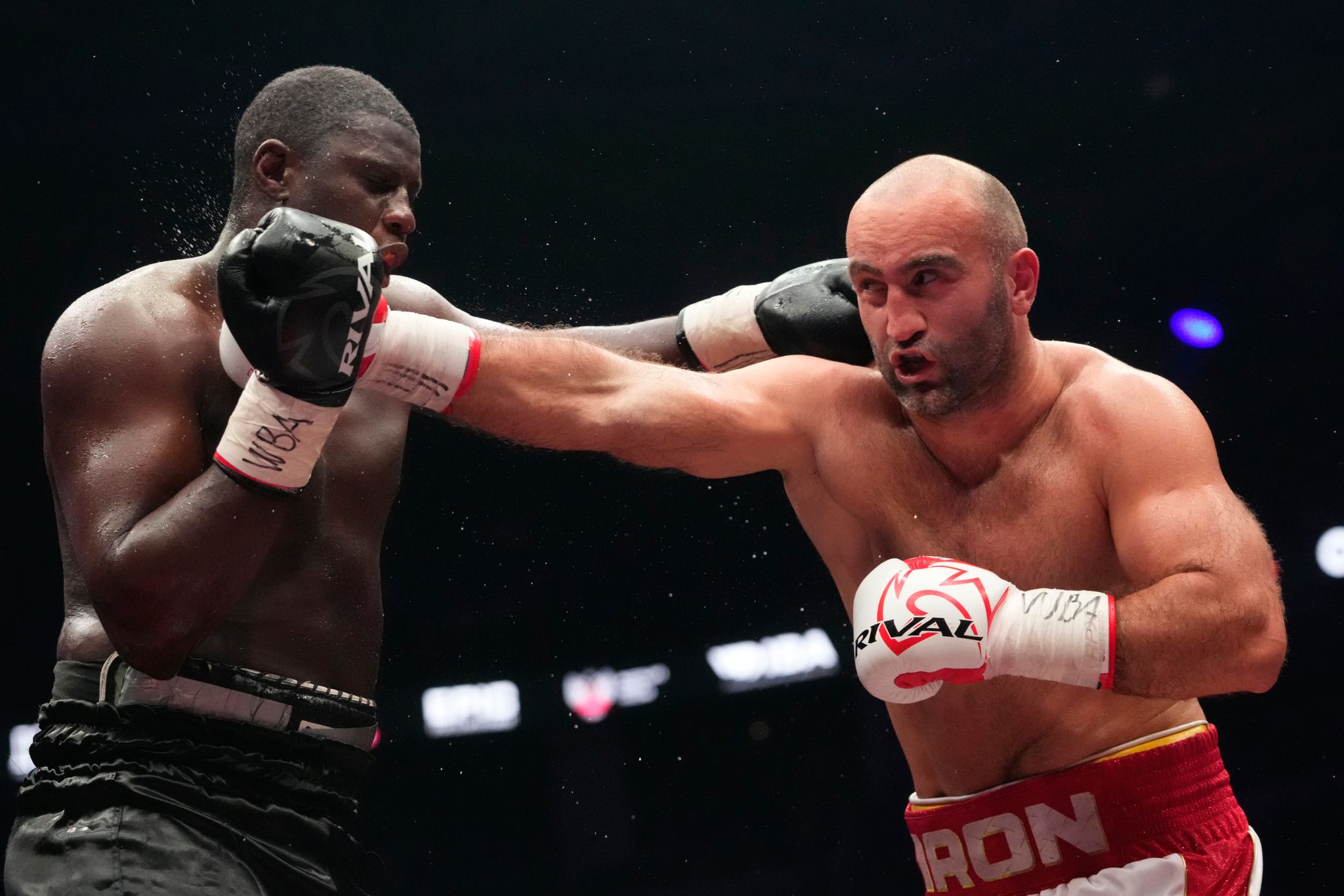
There is a catch. The WBA's use of “regular” and “super” titles has long allowed more than one boxer to carry a world-champion label within the same weight class. Gassiev is the organization's existing regular heavyweight champion. Following Usyk's decision to vacate his title, Gassiev expected a route to elevation or at least a clear mandatory opportunity. He publicly questioned the decision to position Fury and Joshua above him in the championship picture. That disagreement is not erased because the larger commercial fight now has a championship attached.
Gassiev's case deserves a serious answer. A sanctioning body can legitimately decide that a blockbuster bout serves the division's visibility, but it must also explain how a boxer who has competed for and defended its own title fits into the resulting order. If the Cardiff winner is required to face Gassiev, that could create a credible sporting route toward clarity. If the winner instead moves immediately to another lucrative unification fight, the regular champion's status could become a prolonged source of dispute. The distinction matters to fans who want a champion decided in the ring rather than by a succession of designations.
Warren described the December belt as part of the larger attempt to identify the division's leading heavyweight. That is an ambition, not a completed solution. Usyk remains a central reference point because he defeated both Fury and Joshua and could return to the title mix in 2027. A Fury–Joshua winner would have renewed status, but the strongest claim to being the sport's number-one heavyweight would still depend on subsequent opponents and results. The championship is a starting point for that argument, not the final verdict.

Dubois–Wardley now looks like the first step toward a 2027 showdown

Warren has another heavyweight title fight to stage before Cardiff. On Saturday, October 17, Daniel Dubois defends the WBO championship against Fabio Wardley at London's O2 Arena. Their first encounter in May was anything but routine: Wardley dropped Dubois twice, including an early knockdown that suggested a swift upset, before Dubois recovered, took command and stopped him in the eleventh round. Wardley activated his rematch clause, making the sequel both a chance for revenge and an immediate test of whether he can correct the errors that cost him his title.
That history matters when looking beyond this weekend. Dubois has already shown he can survive a disastrous start and gradually impose his strength, accuracy and physical pressure. Wardley has demonstrated that his power can trouble the champion, but the first fight also exposed the danger of pursuing one finish without adapting when it does not arrive. Both men have reasons to believe the second contest will look different. Neither can afford to treat it as a formality simply because the winner may be promised an even larger occasion next year.
Warren wants the October victor to meet the Fury–Joshua winner in 2027, putting the WBO and WBA titles on a collision course. That would be commercially enormous, particularly if Dubois and Joshua were to meet again or if Dubois earned a showdown with Fury. But promoters' preferences are not binding fight contracts. The October and December bouts must take place, the winners must emerge fit and willing, and sanctioning requirements and rival challengers must be navigated. A proposed unification is best understood as an appealing route rather than a guaranteed next booking.
Dubois has made clear he would welcome the winner of Fury–Joshua. His appetite is understandable: beating Wardley again would protect his title, while a 2027 unification could place him in the middle of the biggest heavyweight event of the year. Wardley's incentive is just as strong. Reclaiming the belt would reverse his first professional defeat and instantly return him to the front of the division's conversation. The most immediate sporting question is still the one in front of them: can Wardley convert early success into twelve-round control, or will Dubois again make his opponent pay for mistakes over time?
For Fury and Joshua, the belt sharpens a rivalry that already mattered
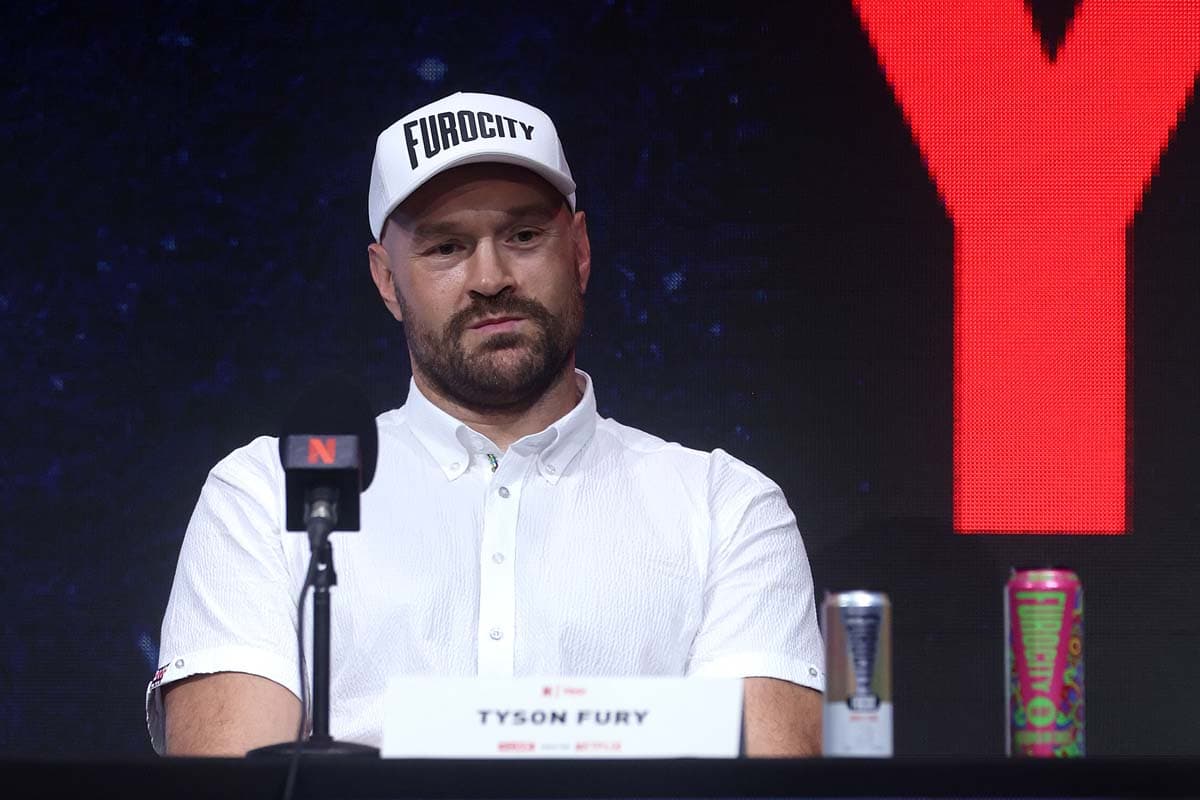
Fury and Joshua do not need a sanctioning body's logo to make December 11 compelling. Their paths have been intertwined for years, yet injuries, rival promoters, changes in title ownership and shifting negotiations kept the fight from happening while both men were in their prime. Their first meeting is finally scheduled for a packed stadium in Wales, and it carries a simple appeal: two famous British heavyweights must answer the question that years of speculation never could. Which one can beat the other when the bell actually rings?
Still, a championship can alter how fighters approach the occasion. Fury has used size, movement, feints and adaptability to disrupt opponents, while Joshua's best performances have combined disciplined combinations with fight-changing power. A meeting of those styles is intriguing even without a belt. Add the prospect of a third world-title reign and the tactical pressure increases. A fighter who becomes too eager to produce a dramatic finish can surrender the very control needed to win a long contest. A fighter who becomes too cautious can give away rounds in a bout where the scorecards may shape his remaining career.
Both have also spent years living under Usyk's shadow. The Ukrainian's victories against them were not merely obstacles to an undisputed-title photograph; they established a competitive standard that neither man has fully displaced. The WBA title would help the Cardiff winner rebuild his standing, but it cannot rewrite those losses. Nor does it automatically settle arguments involving other current champions, including the holder of the WBO belt after October 17. That is why the unification ambition is important. A victory in December would have greater meaning if followed by a demanding championship defense or another elite opponent rather than an indefinite celebration.
There is also a difference between the prize a promoter can announce and the hierarchy fans eventually accept. The WBA may place its primary belt on the line, and Warren may map out an attractive sequence of fights, but boxing's legitimacy comes from what happens after the publicity. Gassiev's status needs resolution; the Dubois–Wardley winner deserves a fair route to bigger fights; and Usyk's future remains relevant. Cardiff can crown a world champion and settle the Fury–Joshua rivalry in one night. It cannot, by itself, make every heavyweight championship question disappear.

The immediate headline is clear: Warren says Fury and Joshua will box for the WBA's primary heavyweight title on December 11. That makes the Cardiff showdown more consequential than a stand-alone rivalry fight, while Saturday's Dubois–Wardley rematch offers an obvious second half to a potential 2027 unification. The pieces of a compelling heavyweight tournament are visible, even if no formal tournament exists.
The unresolved details are what make the story worth watching. Gassiev's WBA position, the WBO rematch result, the availability of the champions and Usyk's next decision could all reshape the route. A belt adds value to Fury–Joshua. The opportunity to prove supremacy against the rest of the division is what would make the winner's new title reign truly convincing.
















