

Koepka Defends Rory’s Masters Silence — Then Takes a Swipe at Bryson
GOATIFYBrooks Koepka has stepped back into one of golf’s most combustible rivalries, and he did not bother to soften his verdict. Discussing Rory McIlroy’s frosty final-round pairing with Bryson DeChambeau at the 2025 Masters, the five-time major champion defended McIlroy’s decision to keep conversation to a minimum and aimed a pointed personal criticism at DeChambeau.
What might look like an old Augusta disagreement has fresh relevance. Koepka is rebuilding his own PGA Tour career after leaving LIV Golf, McIlroy has since added another Green Jacket, and DeChambeau remains one of the sport’s most polarizing figures. The same interview also produced Koepka’s account of an unnamed player apparently improving a lie and his frustration with the impact of AimPoint putting routines. Together, the comments reveal a competitor who still measures golf through its unwritten codes as much as through leaderboards.
Koepka says McIlroy owed DeChambeau nothing at Augusta
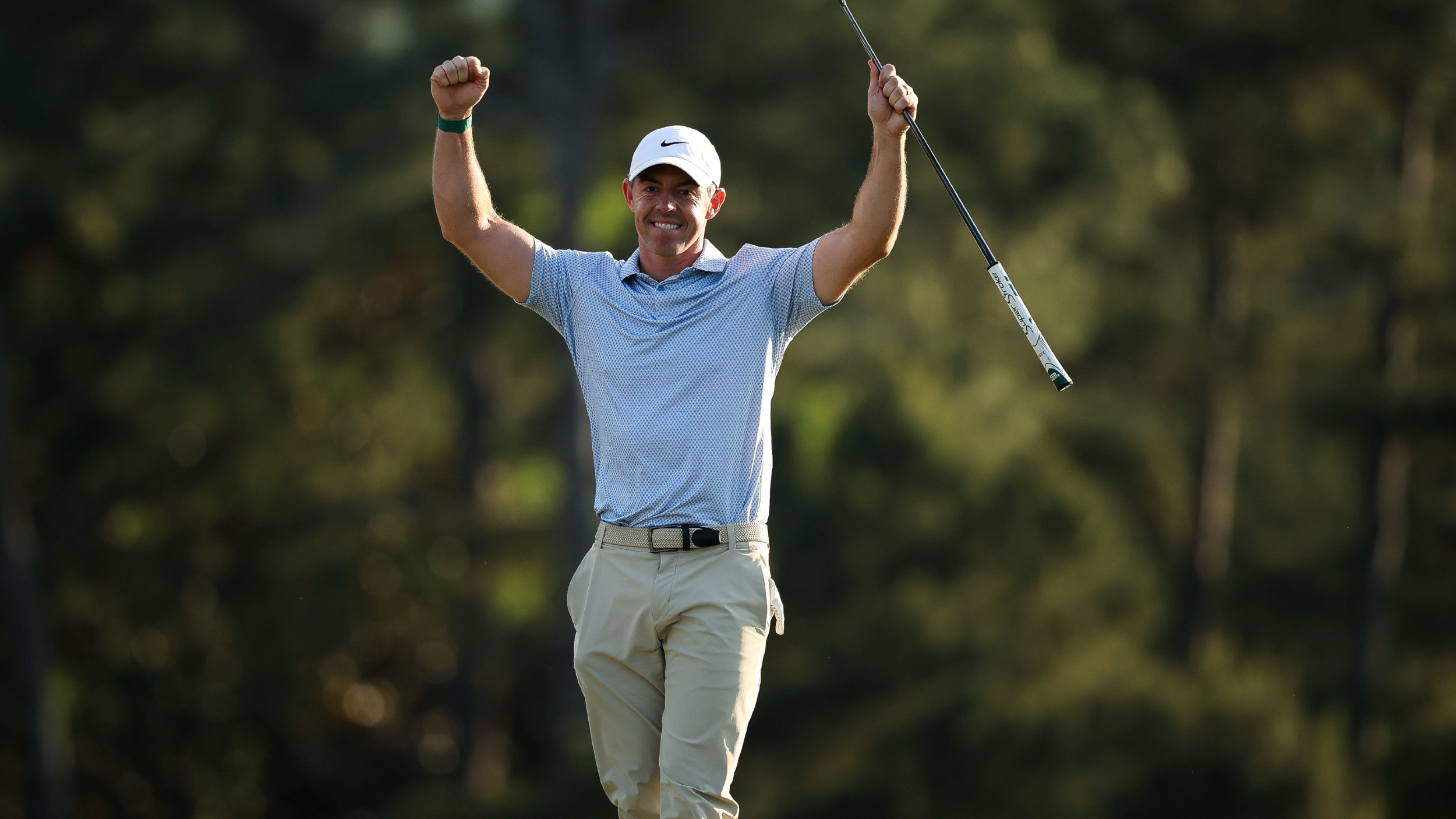
Koepka’s defense of McIlroy was not complicated. During an interview with Dan Rapaport, he argued that a player trying to win the Masters should not have to make conversation simply because the man sharing the tee time wants to talk. Koepka’s own approach in majors has always emphasized narrowing the world to the next shot. Seen through that lens, McIlroy’s quietness was a form of concentration rather than an obligation ignored.
That distinction matters because of what McIlroy was trying to accomplish in April 2025. The Masters was the one major championship missing from his résumé. A win would end an 11-year major drought and complete the career Grand Slam, a milestone achieved by only a handful of men. He was paired with DeChambeau, a powerful rival who had his own chance to seize the Green Jacket. Every interaction carried the possibility of becoming another story inside a round already overloaded with pressure.
Koepka went beyond defending silence. He also made an unflattering remark about DeChambeau’s personality, saying the LIV player operated in his own world. It was a personal opinion from a fellow professional, not a factual finding about DeChambeau’s character. The sharpness of the comment explains why an interview about a year-old tournament has suddenly become news again.
Crucially, Koepka did not portray McIlroy as a friend he was protecting at all costs. He praised the Northern Irishman as one of golf’s greats while making clear he still wants to beat him. That combination is central to the story: respect for an opponent’s achievements can coexist with a fierce desire to deny him the next trophy. Koepka said he would have been comfortable with a similarly silent round alongside McIlroy himself.
The passage of time has only strengthened the argument that McIlroy’s focus was purposeful. He won the 2025 Masters in a playoff against Justin Rose, then defended his title in 2026 by a stroke over Scottie Scheffler. None of that establishes that silence caused either victory. It does, however, show why the moment should be judged against the demands of elite competition rather than ordinary social expectations.

The ninth-green exchange turned a routine ruling into a rivalry flashpoint
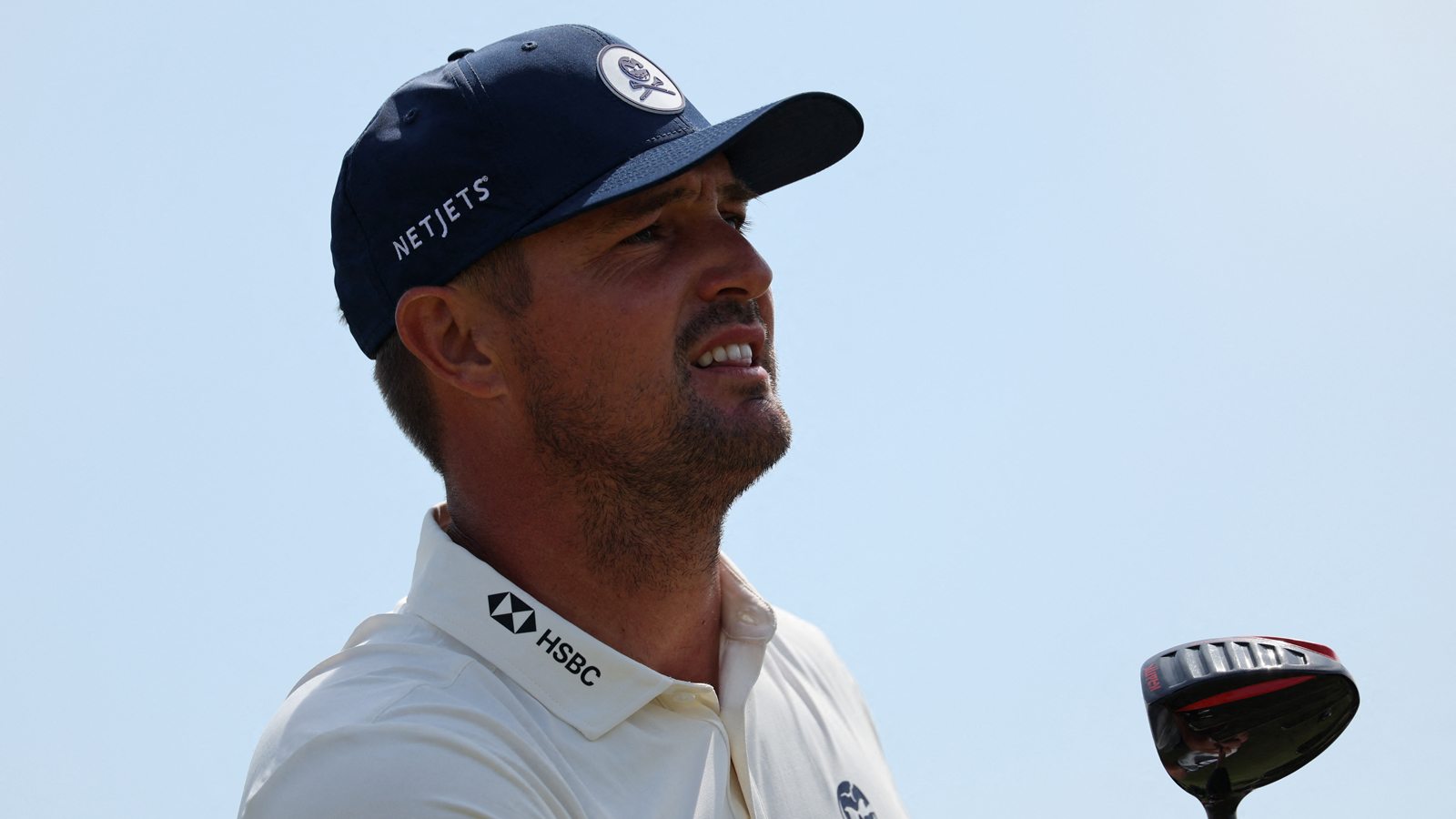
The specific Augusta moment that still draws attention was not a confrontation over a swing or a scorecard. On the ninth green during the final round in 2025, McIlroy and DeChambeau faced birdie putts and needed to establish who was farther from the hole. DeChambeau reportedly proposed flipping a tee to settle the order. McIlroy preferred an official measurement. The players ultimately resolved the order, McIlroy made his birdie and DeChambeau did not.
There are two ways to read that exchange, and neither requires inventing a scandal. One view is that a tee flip would have been a quick, informal solution between competitors. The other is that asking an official to determine the order was precisely what a major championship demanded when the stakes were so high. McIlroy had every reason to want the correct procedure rather than a casual compromise. Koepka’s comments place him firmly in that second camp.
DeChambeau later discussed how little the two had spoken during their round. That perspective deserves to be separated from Koepka’s later assessment. A player may experience an unusually quiet pairing as uncomfortable without the other player having committed a breach of etiquette. Silence alone is not a rules infraction, and there is no requirement that a competitor provide conversation during a championship round.
The history between Koepka and DeChambeau makes his verdict more combustible. Their public friction stretched back years, when disagreements about pace of play and other matters turned them into contrasting personalities in the sport’s biggest rivalry. They later appeared together for the United States at the 2021 Ryder Cup and both spent time in LIV Golf, but shared professional circumstances do not guarantee agreement on how golf should be played.
It is also worth remembering what the 2025 Masters actually decided. McIlroy ultimately defeated Rose in a playoff; DeChambeau did not win. A single awkward exchange on the ninth green did not settle the championship. The enduring interest comes from what the exchange symbolized: one player comfortable treating a moment casually, another choosing precision and isolation, and a third major champion now making his preference unmistakable.
Koepka’s difficult 2026 season gives his competitive edge another meaning
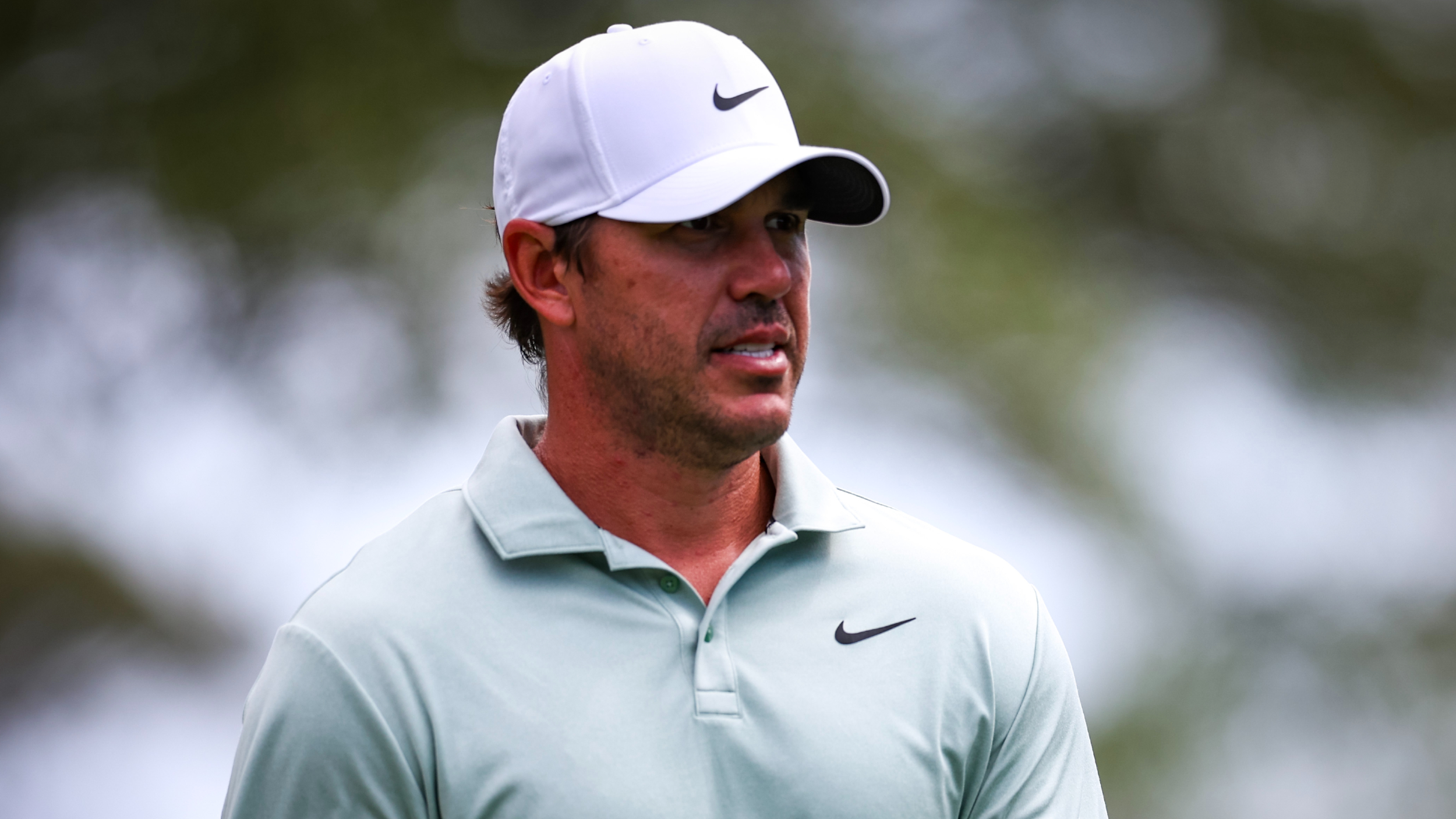
Koepka’s bluntness is easier to understand when placed alongside the year he has just endured. After leaving LIV Golf, he returned to the PGA Tour in 2026 under a special reinstatement pathway. It was a headline-making reunion with the circuit where he established himself, but the scorecards did not immediately match the expectations attached to a five-time major champion.
His official PGA Tour results show 16 starts, 11 made cuts and just one top-10 finish during the 2026 season. He did not win. Those numbers are respectable for many touring professionals but modest for a player who has won the PGA Championship three times and the U.S. Open twice. They help explain why the next phase of his career cannot be built on nostalgia or on the satisfaction of simply being back.
There were encouraging moments. At the Myrtle Beach Classic in May, Koepka shot a seven-under 64, including a remarkable back-nine 29, and spoke about rediscovering the enjoyment of competition. He also finished tied for sixth at the Alfred Dunhill Links Championship in October, closing at St Andrews with an eagle. That event is outside his PGA Tour season tally, so it should not be confused with his lone top-10 finish in official PGA Tour starts. Taken together, the performances show flashes of his old scoring power without establishing a full resurgence.
His next stage includes the expanded 2027 TGL season with Motor City Golf Club, a different kind of spotlight from the traditional tour. Teams associated with McIlroy and Tiger Woods are part of the same league. For Koepka, that means more occasions to share a competitive platform with golf’s most recognizable figures while he tries to convert renewed visibility into improved results.
The comparison with McIlroy is particularly sharp. Koepka owns five major championships; McIlroy now has six after winning the Masters in both 2025 and 2026. Koepka has never won at Augusta, even though his major record elsewhere is formidable. He can acknowledge McIlroy’s achievement and still regard the widening gap as motivation. His comments sound less like a retired champion trading anecdotes and more like a player who believes there is unfinished business.

His separate rules claim and AimPoint criticism reveal a bigger frustration
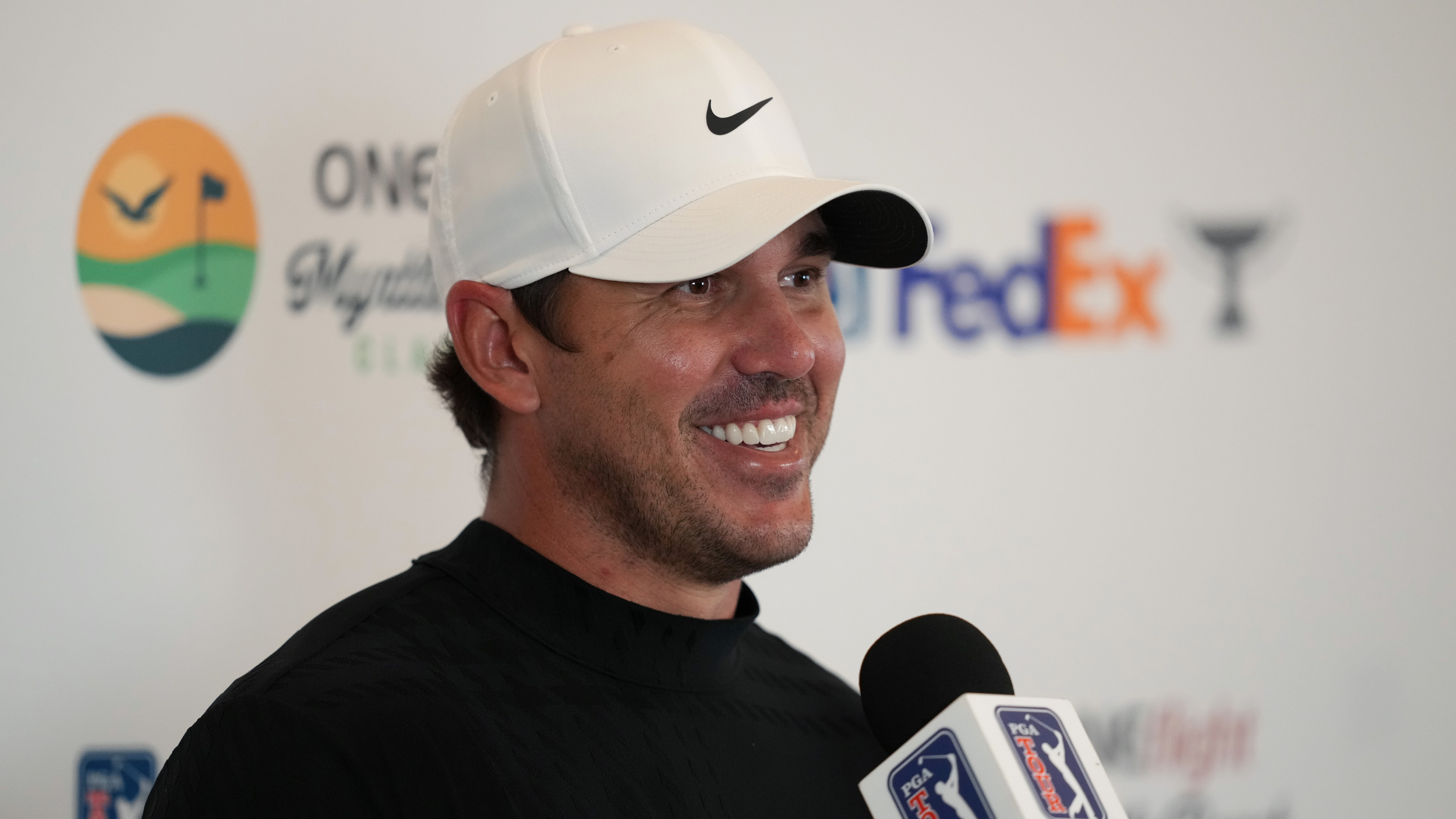
The McIlroy-DeChambeau discussion was only one part of Koepka’s revealing interview. He also described seeing a player apparently improve a lie in the rough during a PGA Tour event in 2026. According to Koepka, the player’s ball became unusually visible during the backswing for a chip, suggesting that the surrounding grass may have been disturbed. He did not name the golfer and said he did not report the incident because he could not prove what had happened.
That distinction is essential. This is an allegation about an unidentified incident, not a confirmed rules breach, disciplinary finding or accusation against any named golfer. It would be wrong to connect it to DeChambeau, Wyndham Clark or anyone else without evidence. Koepka added that the player made a double or triple bogey on the following hole, which he interpreted as a kind of immediate sporting justice. The colorful anecdote reveals his reaction; it does not establish a violation.
Golf’s rules distinguish between a poor lie that a player must accept and actions that deliberately improve the conditions affecting a stroke. In practice, the details matter: what the player touched, whether the movement was permitted, whether conditions were improved and what evidence an official could assess. Koepka’s own admission that he lacked proof is a reason for caution, not a reason to treat the story as solved.
He also raised concerns about AimPoint, the putting-green reading method in which players use their feet to sense slope and their fingers to estimate the break. Koepka suggested that repeated movement around a hole by players and caddies can affect the condition of the putting surface, particularly close to the cup. That is a criticism of how a technique is used and its potential effect on other competitors, not evidence that every golfer who uses AimPoint is breaking a rule.
These comments share a theme with his defense of McIlroy. Koepka appears to value the right to concentrate, the obligation to play the ball as it lies and the expectation that competitors should not create avoidable disadvantages for one another. Others may disagree with his judgments or the tone in which he delivers them. But the underlying debate is genuine: professional golf relies on written rules, informal customs and mutual trust, and those three things do not always point to the same answer.
Koepka’s position is clear: a player chasing the Masters and the career Grand Slam does not owe a playing partner small talk, and he believes McIlroy was entitled to shut out every distraction. His personal jab at DeChambeau will attract the attention, but the wider interview also exposed how strongly Koepka feels about competitive etiquette and the line between gamesmanship and gamesmanship taken too far.
None of this proves a new feud is about to erupt. DeChambeau has his own perspective, the unnamed rules observation remains unverified, and Koepka has his own results to improve. But as the major champions prepare for another season of overlapping stages, one thing is certain: the old rivalries have not lost their ability to generate new sparks.

















