Arsenal Want an Era, Not One Title — Arteta’s 2030 Deal Makes the Bet Clear
GOATIFYArsenal spent years trying to get back to the top. Now the more difficult question is whether they can stay there. Hours after Mikel Arteta committed his future to the club through 2030, chief executive Richard Garlick made the ambition explicit: last season’s Premier League title is supposed to be the start of an era, not the end of a chase.
That is a meaningful shift in pressure. Arsenal no longer need to prove that Arteta’s rebuild can win the league. They need to prove that the structure around him can keep winning while every rival adjusts. The club reached the Champions League final last season, posted record revenue and enters October second in the Premier League. Those are the foundations of a contender. Turning them into sustained dominance requires Arsenal to convert stability into an advantage rather than a comfort zone.
Arsenal finally have the platform — now they have to keep moving
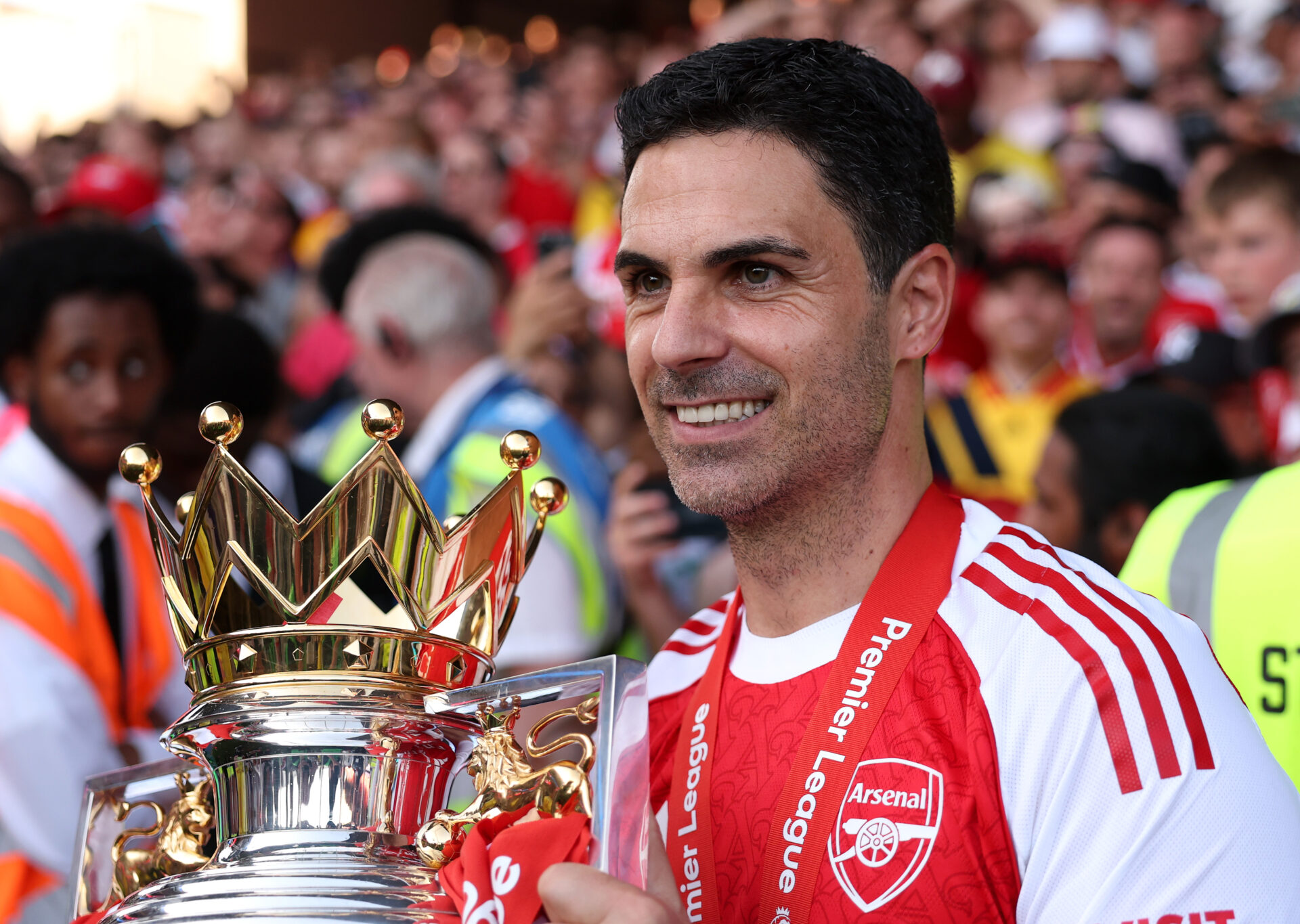
Garlick’s language matters because Arsenal’s financial position is stronger than at any point in the Arteta era. The club reported €822 million in revenue for 2025, up 15 percent year on year, after a season that combined a Premier League title with a run to the Champions League final. Success on the pitch is now feeding a larger commercial machine, and that gives Arsenal more room to protect the squad, extend key contracts and keep adding quality.
There is also an unusual opening in the Premier League. Pep Guardiola left Manchester City after last season, while City are appealing the league’s financial-rules verdict. Arsenal cannot build a strategy around another club’s uncertainty, but the competitive landscape is different from the one Arteta spent years chasing. For much of his tenure, the benchmark was a Guardiola team with an established title-winning machine. Arsenal are now the reigning champions and the continuity belongs to them.
That does not mean the league has suddenly become easy. Champions are studied differently. Opponents spend the summer looking for pressing triggers, set-piece tendencies and build-up patterns they can disrupt. Rivals also know that Arsenal’s margin for regression is small because the expectations have changed. Finishing second after three consecutive runner-up seasons once looked like evidence of progress. Finishing second immediately after winning the title would feel like an opportunity lost.
The real value of the revenue growth, then, is not simply the ability to spend. It is the ability to keep improving without tearing up a successful team. Arsenal can target specific weaknesses, retain the players who define Arteta’s system and avoid the kind of reset that often follows a championship season. Dominance is usually less about one spectacular window than about repeatedly making the right smaller decisions after the squad is already good.

Arteta through 2030 is Arsenal’s biggest continuity bet
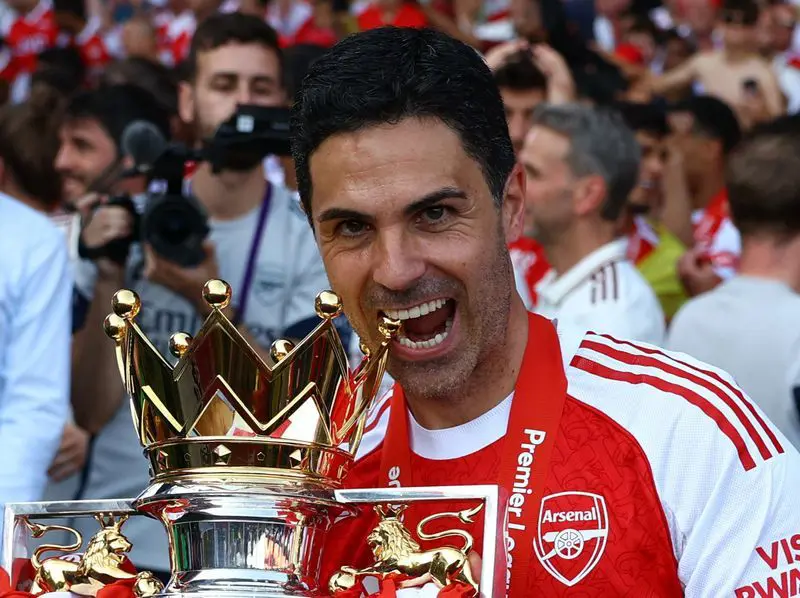
Arteta’s new contract through 2030 is the clearest statement that Arsenal believe continuity itself can be a competitive weapon. He took over in December 2019, endured difficult early seasons and then produced three consecutive second-place finishes before finally ending the club’s 22-year wait for the Premier League title. He also took Arsenal to the Champions League final, where Paris Saint-Germain won on penalties.
That history matters because the current squad was not assembled for a generic coaching model. Declan Rice, Martin Ødegaard, David Raya and much of the supporting cast were recruited or developed within Arteta’s specific demands. The club’s football operation has spent years aligning recruitment, coaching and performance work around the same idea. Keeping the manager means Arsenal do not have to translate an expensive squad into a new tactical language every two or three seasons.
Garlick framed that stability as an edge over traditional top-six rivals that have changed managers. There is logic to it, but continuity only helps if the ideas continue to evolve. The warning for Arsenal is that a settled hierarchy can become conservative. Last season’s solutions will be copied and countered. Arteta’s challenge is to keep the principles that won the title while finding new ways to create chances, manage workloads and attack different defensive structures.
The early table reinforces that point. Arsenal are second with 12 points from five league games and host Leeds next. They are not beginning this campaign from a position of untouchable superiority. They are beginning it as champions who already have evidence that the rest of the league can take points from them. That makes the 2030 deal less a reward for what Arteta has done than a bet that his best work is still ahead.

Arsenal have already completed the hardest psychological step: they turned years of near-misses into a league title. What comes next is a different test. A dominant era requires repeated reinvention, not simply repeating the championship formula.
The ingredients are unusually strong. Arsenal have record revenue, a manager tied down through 2030, a squad built around his methods and a league landscape that is changing around them. Garlick is right that the club has a platform. Whether it becomes dominance will be decided by what Arsenal do with that platform now that everyone is chasing them.