

Scott Lost a Season. Then 134 Strikeouts Changed the Mets’ Rotation Math.
GOATIFYChristian Scott did not enter 2026 as the loudest name in the New York Mets’ pitching future. Nolan McLean had captured the imagination, Jonah Tong had climbed prospect lists and an entire season had passed without Scott throwing a major-league pitch. An elbow reconstruction with an internal brace had turned a promising 2024 debut into a long wait. By November, though, Scott had forced his way back into the conversation through something much more persuasive than prospect rankings: 134 strikeouts in 110 major-league innings.
The headline numbers tell a useful but incomplete story. Scott finished with a 3.85 ERA and a 1.27 WHIP over 23 starts, gave the Mets a credible starter after losing all of 2025, and developed a cutter that barely existed in his earlier major-league repertoire. Yet the same season exposed a 47-walk problem, an inability to work routinely into the sixth inning, and an injury-related ending. New York is not evaluating a finished ace. It is deciding how much value and risk sit inside the next stage of a genuinely promising comeback.
The comeback mattered before the strikeout numbers did
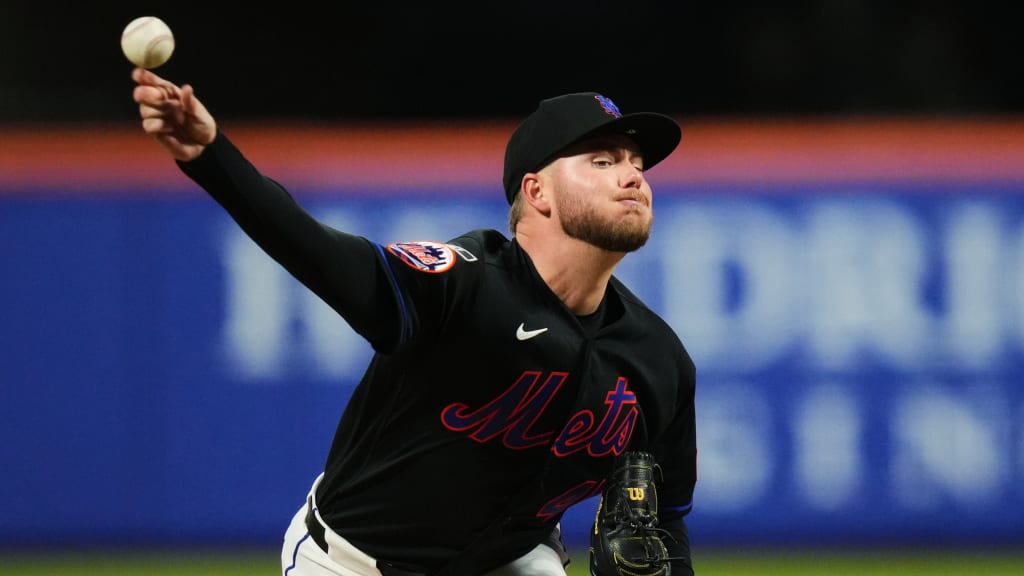
Scott’s original major-league sample was a brief introduction rather than a verdict. In nine starts during 2024, he logged 47⅓ innings with a 4.56 ERA, a 4.60 FIP and a 1.24 WHIP. He flashed the ability to handle established hitters, including a debut in which he allowed one earned run over 6⅔ innings, but a rookie’s nine-start résumé leaves plenty unanswered. The development curve was interrupted when he underwent right-elbow ligament reconstruction with an internal brace in September 2024. He missed the entire 2025 season recovering.
That lost year also changed the prospect landscape around him. McLean arrived and showed enough to become a leading candidate for the next generation of Mets starters. Tong pushed himself into the picture, while other arms such as Jack Wenninger, Jonathan Santucci and Zac Thornton offered different versions of future depth. Scott did not get worse while absent; he simply became easier to overlook. A player returning from major elbow surgery must first demonstrate that he can pitch at all, then prove his stuff is still competitive, and finally establish whether his body can carry a starter’s schedule.
The first act of Scott’s return gave doubters an obvious talking point. Recalled for an April 23 start against Minnesota, he recorded only four outs, walked five hitters and struck out one. That is exactly the sort of outing that makes command look fragile after a long layoff. The important part is what followed. Scott was not a one-appearance comeback story. He remained in the majors, eventually making 23 starts, taking the ball on a regular rotation schedule, and working 110 innings for New York.
A 4–5 win-loss record does not capture the job he performed. Pitchers do not control how many runs their lineup scores or what happens after they exit. Scott’s 3.85 ERA and 3.61 FIP are more useful starting points for judging his prevention of damage, and the 1.27 WHIP makes clear that traffic still existed. Over those starts he allowed 12 home runs and walked 47, so this was not a season of immaculate control. But those innings mattered on a staff trying to identify reliable options rather than merely auditioning talent for a handful of appearances.
GOATIFY
GOATIFY Baseball
Scott's Tommy John comeback gave Mets fans a new reason to follow the 2027 rotation; explore GOATIFY Baseball designs alongside the season story.

White Baseball GOAT Dad Hat
A white baseball GOAT design for ballpark days and everyday fan style.
Shop Now ↗

White Baseball GOAT Sweatshirt
Rep baseball’s greatest with a white GOAT graphic sweatshirt.
Shop Now ↗


White Baseball GOAT Sticker
A white baseball GOAT decal for your bottle, laptop or game-day gear.
Shop Now ↗One particularly revealing consistency measure stretches across both of Scott’s major-league seasons: he has never allowed more than four runs in a start. That now covers 32 career starts, a franchise record for the most consecutive starts permitting four runs or fewer to begin an MLB career. It is not the same as dominating for seven innings, and it does not erase high pitch counts. It does show that his roughest outings rarely became complete collapses. For a young pitcher coming off reconstruction, the ability to limit the size of bad days is a genuine building block.
Scott’s year did end earlier than planned because of knee inflammation, which deserves monitoring rather than exaggerated alarm. The central physical achievement remains clear: after missing all of 2025 and appearing only nine times in 2024, he reached 110 big-league innings in 2026. That is a substantial increase in exposure to game-speed pitching, between-start recovery and the demands of staying prepared for every turn. The Mets can now evaluate him with a real season of major-league evidence instead of projecting a return solely from rehabilitation sessions and minor-league glimpses.
The new cutter explains why 134 strikeouts are not a fluke
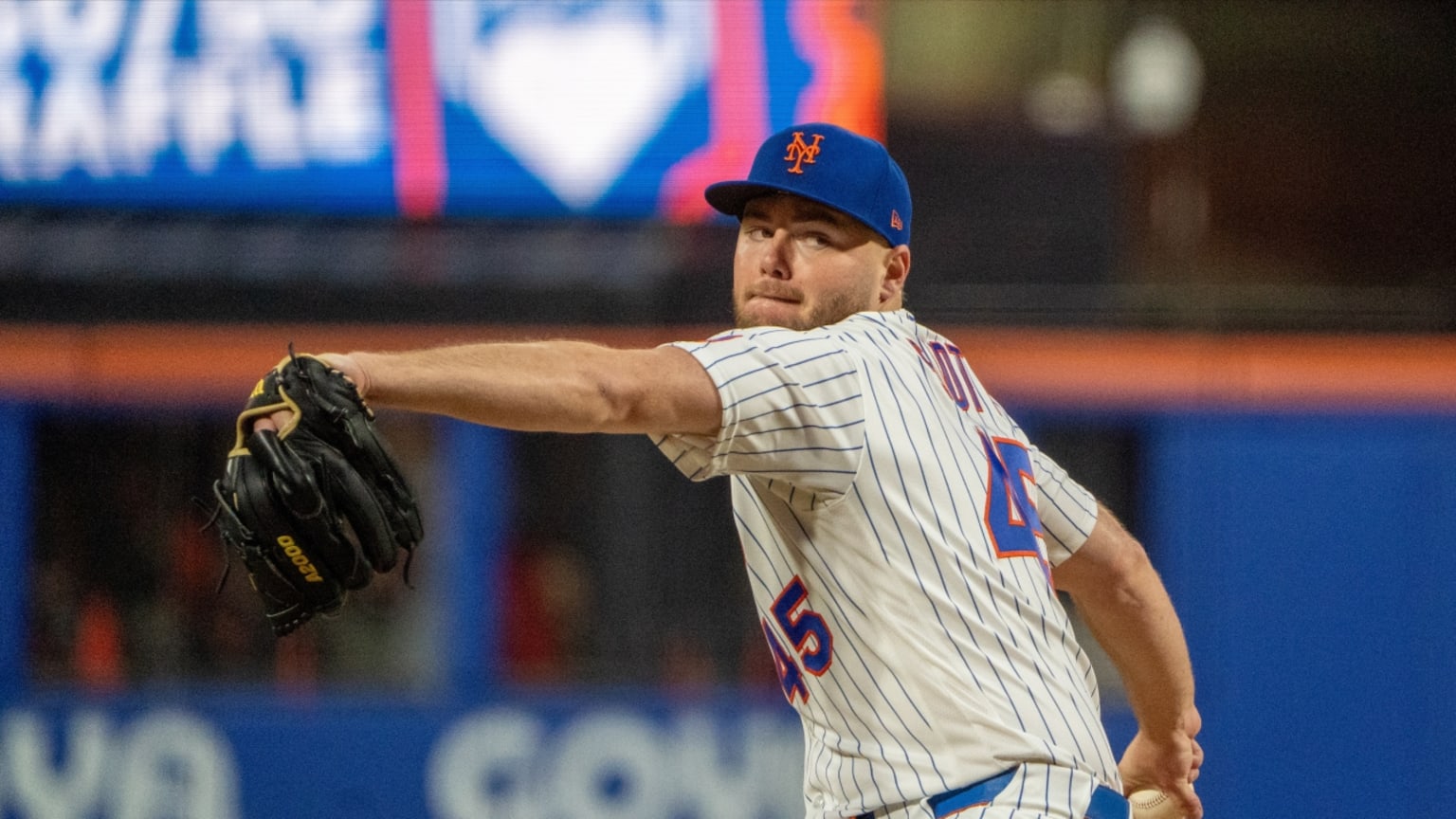
The headline improvement is the jump from 39 strikeouts in 47⅓ innings in 2024 to 134 in 110 innings in 2026. Scott’s strikeout rate climbed from 19.8% to 28.3%, while his strikeouts per nine innings rose from 7.42 to 10.96. For a starter who had missed the previous season, that is not a marginal improvement. It suggests hitters were having significantly more difficulty making contact in the counts where pitchers need swing-and-miss stuff most. The statistical change also has a mechanical explanation in his pitch mix.
His four-seam fastball stayed central but became a slightly smaller share of the package. Scott used it on 52.9% of pitches in 2024 and 47.1% in 2026. Even with that reduced usage, its whiff rate improved from 22.0% to 27.6%, and its putaway rate edged from 20.5% to 21.6%. The fastball alone was not transformed into an unhittable offering; rather, it worked inside a repertoire that gave hitters more difficult speed and movement combinations to account for.
The sweeper remained a genuine finishing option. Its usage increased from 18.8% in his first season to 22.8% in 2026, and hitters missed it on 30.9% of swings. That was Scott’s highest whiff percentage for any of his pitches. His sweeper putaway rate climbed to 23.6% after sitting at 12.0% in 2024. Those numbers help explain why a pitcher who previously seemed capable of surviving an order could suddenly string together six- and seven-strikeout outings. He was getting more meaningful swings through the ball when he needed them.
The greater tactical shift came from the cutter. Scott threw just two cutters in the major leagues in 2024. In 2026, it accounted for 18.9% of his pitches, giving him a more frequent alternative to the four-seamer and the sweeper. It generated a 25.0% whiff rate and his highest putaway rate, 25.7%. Its reported pitch run value was plus-eight, better than that of the other offerings in his arsenal. A new pitch can flatter a small sample; using it that often across a full season makes the improvement more persuasive.
GOATIFY
GOATIFY Baseball
The cutter and sweeper helped Scott strike out 134 hitters, and GOATIFY Baseball styles give fans a different way to celebrate the game.


Gold Baseball GOAT Sweatshirt
Rep baseball’s greatest with a gold GOAT graphic sweatshirt.
Shop Now ↗


Gold Baseball GOAT Sticker
A gold baseball GOAT decal for your bottle, laptop or game-day gear.
Shop Now ↗The cutter appears especially important against left-handed hitters. Scott threw it roughly 23% of the time to lefties, compared with about 12% against righties, and the left-handed split carried a plus-six run value. Rather than relying on one movement direction to solve both sides of the plate, he could show a cutter with a different shape and still preserve the sweeper as an out pitch. That does not make every matchup automatic, but it gives the Mets a clearer reason to think his success can survive opponents studying him more carefully.
The better miss profile was paired with less damaging contact. Scott allowed 12 homers in 110 innings, about 0.98 per nine, compared with eight in just 47⅓ innings during 2024, or 1.52 per nine. His barrel rate fell from 10.5% to 6.1%, and average exit velocity dropped from 89.2 to 86.8 mph. Those are meaningful directions for a pitcher who had previously been vulnerable when opponents elevated his mistakes. Fewer barrels do not guarantee fewer homers every year, but they provide a more encouraging underlying foundation than simply hoping balls stay in the park.
Even the weaker new pitch offers a reminder not to overstate the makeover. Scott introduced a curveball, but it returned a minus-three run value and a relatively modest 14.8% whiff rate. The pitch can remain a developmental option without being called a success. What the data genuinely support is a more difficult fastball-sweeper-cutter combination, not a five-pitch ace arsenal. If that combination remains effective through a second year of scouting adjustments, his strikeout leap will look less like a post-surgery surprise and more like a lasting change in how he attacks hitters.
Forty-seven walks and short outings are the bill still coming due
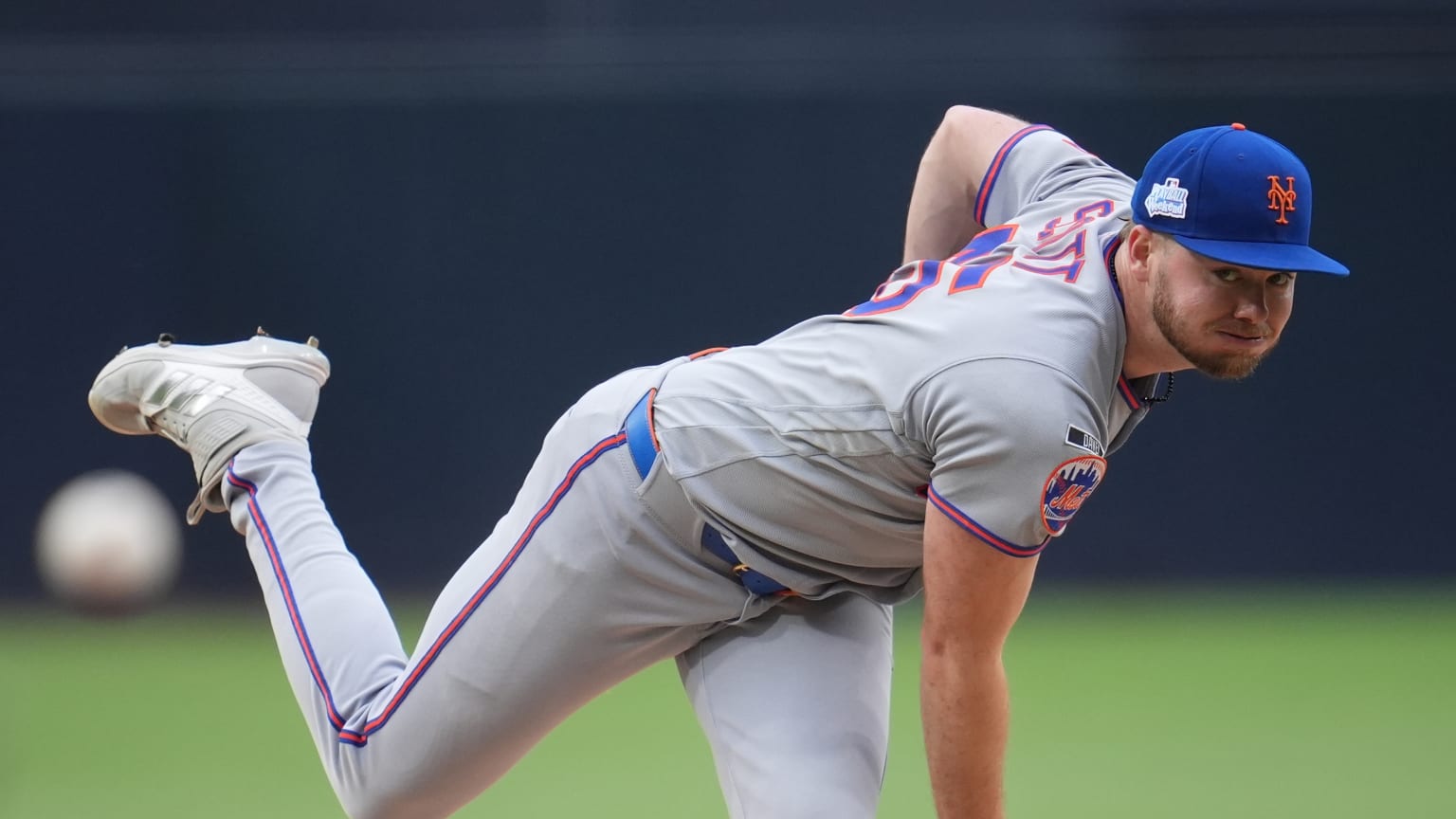
The growth comes with an uncomfortable counterweight: Scott walked 47 batters in 110 innings. His 3.85 walks per nine innings and 9.9% walk rate stood well above his 2024 figures of 2.28 per nine and 6.1%. Among major-league starters with at least 100 innings in 2026, he sat near the wrong end of the command rankings. Some extra walks are tolerable for a high-strikeout pitcher, particularly one offering hitters fewer comfortable contact pitches. But there is a tipping point where those free runners begin to dilute everything the strikeouts accomplish.
He walked at least three batters in six of his starts and four or more in four. That matters because a walk is also another plate appearance that forces more pitches and more stress on the next hitter. Throw a complicated sequence to a dangerous batter after a walk, and one frame that should have ended quietly can become a 25-pitch inning. Scott frequently limited runs anyway, which is encouraging, but prevention and efficiency are not the same skill. New York needs both if it wants him to work deep enough to protect its bullpen.
The length problem is not hidden in his stat line. Scott pitched into the sixth inning in only seven of his 23 appearances and failed to complete five innings in 12. A starter who strikes out more than a batter per inning should have the raw weapons to reach those milestones more often. The disconnect tells the Mets where the next development effort belongs: more strikes before the count is full, fewer free passes and fewer long sequences that finish with either a walk or a hard-earned punchout.
GOATIFY
GOATIFY Baseball
As Scott works to turn short outings into deeper starts, browse the GOATIFY Baseball fan collection.


White Baseball GOAT Dad Hat
A white baseball GOAT design for ballpark days and everyday fan style.
Shop Now ↗White Baseball GOAT Sticker
A white baseball GOAT decal for your bottle, laptop or game-day gear.
Shop Now ↗
Control improvement does not require him to abandon the approach that produced 134 strikeouts. Chasing contact for its own sake would be the wrong response if it meant flattening the sweeper or reducing the effectiveness of his cutter. The better goal is to win the first part of the at-bat more consistently. Getting ahead with a competitive strike leaves room to expand late with a sweeper or cutter; missing early removes that advantage. That is a tactical distinction, not a demand to throw every pitch down the middle.
The end of the season adds a second reason for caution. Official game logs show a 5.30 ERA across his last seven starts, which is a less flattering closing stretch than the full-season 3.85. That does not prove hitters had solved him, nor does it establish that his knee issue caused every poorer outing. It does make the case for taking durability and adjustment seriously. A young pitcher who produces a major jump in innings after a lost year may be very good and still be learning how to maintain his best execution over a complete calendar.
Scott’s 1.27 WHIP is a useful reality check against treating strikeout rankings as the whole story. It means roughly one and a quarter baserunners per inning reached through hits or walks. That traffic left him repeatedly pitching from the stretch and navigating innings with less margin for error. If his home-run suppression holds while he reduces walks by even a modest amount, the same arsenal could turn more five-inning outings into six-inning ones without needing to find another dramatic gear in strikeout rate.
The Mets should judge his next step by a basket of measurements rather than a single headline ERA. First-pitch strikes, walks per nine, pitch counts through four frames and the share of starts in which he finishes six innings will reveal whether the command work is taking hold. Strikeout percentage and hard-hit suppression should remain on the dashboard as safeguards against sacrificing what already works. Scott does not need to become a control artist overnight. He needs to stop making himself work so hard for outs he has shown he is capable of earning.
A 2027 rotation opportunity is real, but the Mets should not hand him a crown
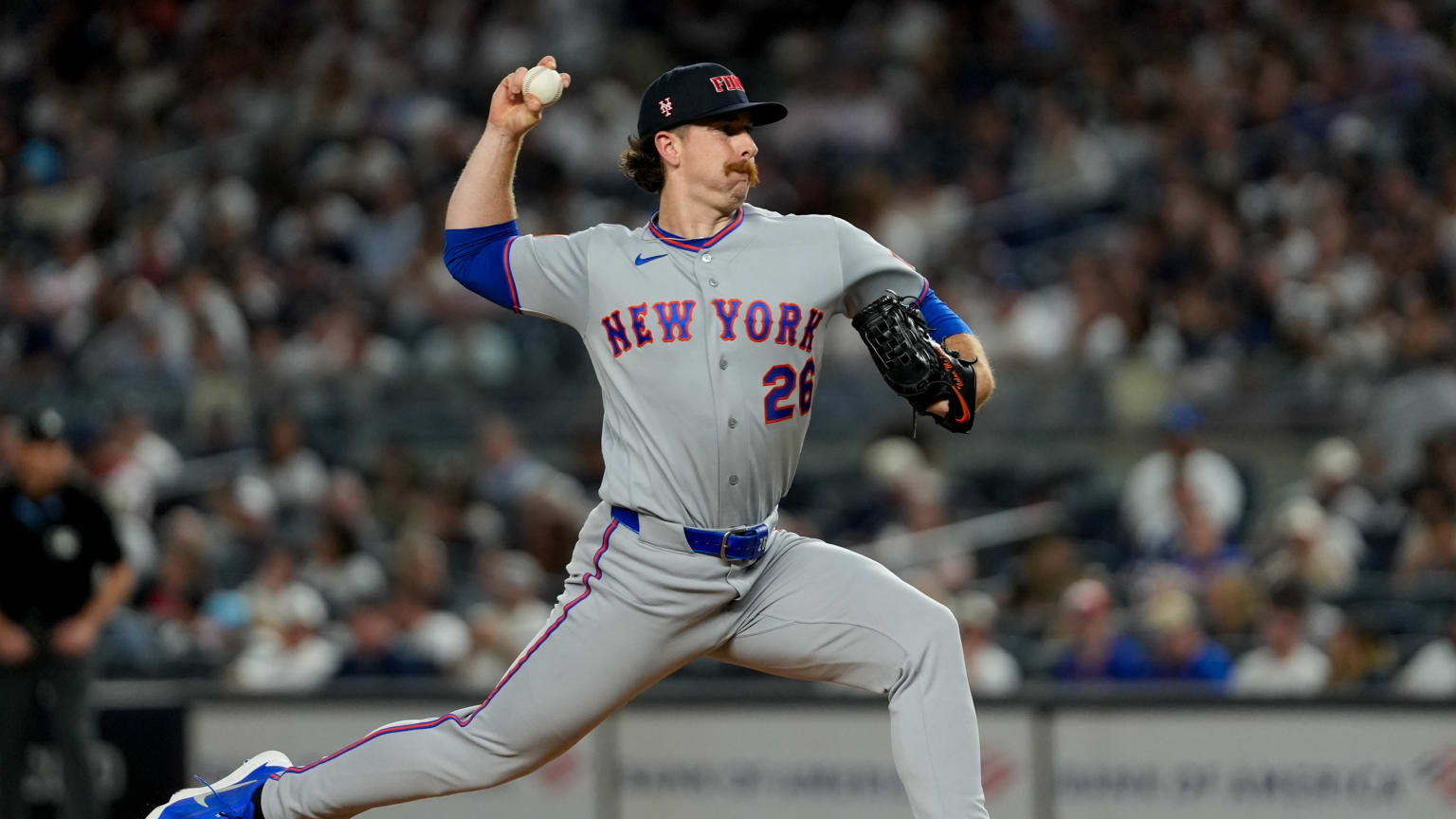
The temptation after a season like this is to turn every young pitcher into a guaranteed long-term answer. Scott has earned a more useful description: a legitimate 2027 rotation candidate who has established a major-league floor and shown a path to a higher ceiling. McLean may still lead discussions about the Mets’ future ace. Tong, Thornton and other young pitchers may compete for opportunities. Those names do not have to diminish Scott’s achievement. A franchise trying to build sustainable pitching needs more than one promising arm.
A rotation is not simply a five-man list written in November. Injuries, performance, option flexibility and workload limits change the order constantly. Scott’s advantage is that New York already has a substantial sample of him facing major-league hitters after surgery. A pitcher who has produced 134 strikeouts and held his ERA under four across 110 innings can credibly enter camp expecting to compete, whereas a prospect arriving with only projection must still translate his skills to the same level.
GOATIFY
GOATIFY Baseball
Follow New York's next rotation decisions and discover GOATIFY Baseball shirts, hoodies and accessories.

Gold Baseball GOAT Dad Hat
A gold baseball GOAT design for ballpark days and everyday fan style.
Shop Now ↗
Gold Baseball GOAT Sweatshirt
Rep baseball’s greatest with a gold GOAT graphic sweatshirt.
Shop Now ↗McLean represents a different kind of evaluation. His combination of prospect momentum and major-league flashes has raised expectations about top-of-rotation upside. Scott’s case is narrower but more demonstrated: a cutter that now works in the majors, a sweeper producing misses and a record of limiting the number of runs he allows in individual starts. There is room for both narratives in the same pitching staff. The real question is whether the Mets can develop each arm without forcing an inflexible hierarchy too soon.
Scott’s 2026 innings total is also a planning constraint. Clubs can celebrate that he reached 110 without pretending that a 30-start, 170-inning season is the automatic next step. His previous big-league high was only 47⅓ innings, and he missed all of 2025. Add the knee-related finish, and New York has sound reasons to monitor how workload builds over the winter and through next season. A successful campaign could be one in which he stays healthy, throws more strikes and handles six innings regularly, even if the final strikeout rate slides slightly.
There is an economic dimension, too. Homegrown starters who can contribute meaningful innings provide flexibility for a roster that also needs relief depth and everyday production. That does not mean Scott should be asked to fill every vacancy simply because he is younger and cheaper than a veteran. It means his progress changes the number of expensive innings the front office must find elsewhere. The sooner the Mets can separate dependable starters from useful swingman or depth options, the more coherently they can deploy their resources.
The comparison that matters most for Scott is not a highlight package of McLean strikeouts. It is Scott’s own next 100 innings. Can he make the cutter a dependable response when left-handed hitters sit on his fastball? Can he repeat the sweeper’s finishing effectiveness without letting walks climb? Can he protect the home-run improvements as opponents adjust? And can his pitch economy improve enough that a strong line is no longer frequently limited to four or five innings? Those are concrete tests the 2027 season can answer.
If he passes even most of them, 2026 may come to look like the season New York quietly acquired a rotation mainstay it had almost stopped discussing. If the command stays erratic, he could still be a valuable major-league pitcher with a less secure starting role. Neither outcome should be declared in advance. The 134 strikeouts established Scott’s ability to miss big-league bats; the next chapter is about proving how often that ability can carry a team from the first inning into the late middle of a game.
Scott’s return was not pristine, and that is part of why it is interesting. A pitcher coming off major elbow surgery did not merely survive his first full year back: he improved his strikeout weaponry, reduced damaging contact and held big-league lineups in check often enough to make 23 starts count. At the same time, he walked too many hitters and too rarely supplied the length the Mets need from a settled starter.
The Mets do not have to choose between celebrating the comeback and identifying the flaws. The best reading of 2026 is that Scott has earned the next opportunity while leaving the terms of his future role open. One season after he disappeared from the big-league picture, that is a remarkable change in the rotation conversation.
GOATIFY
GOATIFY Baseball
Shop GOATIFY baseball shirts, hoodies and stickers.
White Baseball GOAT Sweatshirt
Rep baseball’s greatest with a white GOAT graphic sweatshirt.
Shop Now ↗Gold Baseball GOAT Dad Hat
A gold baseball GOAT design for ballpark days and everyday fan style.
Shop Now ↗White Baseball GOAT Dad Hat
A white baseball GOAT design for ballpark days and everyday fan style.
Shop Now ↗


















