

Giannis Shut Down the Doc Rivers Drama. Miami's Win Exposed a Bigger Test.
GOATIFYGiannis Antetokounmpo had every reason to make the conversation about himself. He was nursing a sprained right wrist, had just scored 30 points to drag Miami past Utah, and was being asked about sharp comments from his former Milwaukee coach, Doc Rivers. Yet after the Heat's 115-109 victory in Salt Lake City on November 10, the message from Miami's new star was noticeably narrower: the team had won five of its last seven games. He wanted the outside noise to stay outside.
It was a revealing response because Miami's evening supplied ammunition to both sides of the early-season argument. Antetokounmpo delivered 30 points, 11 rebounds and four assists in a little more than 30 minutes, even as he used an ice wrap on his wrist while resting. The Heat closed a five-game western trip with three victories and improved to 5-6 after starting 0-4. But a lead that reached 23 points shrank to five in the final minute against a Utah team missing four important starters.
That tension is more useful to examine than the argument between two famous basketball figures. Rivers' remarks, Giannis' response and the fourth-quarter collapse all point toward the same question: can Erik Spoelstra turn a roster with extraordinary top-end talent into one that manages difficult possessions as convincingly as it creates spectacular ones?
A Sprained Wrist, 30 Points, and No Appetite for Excuses
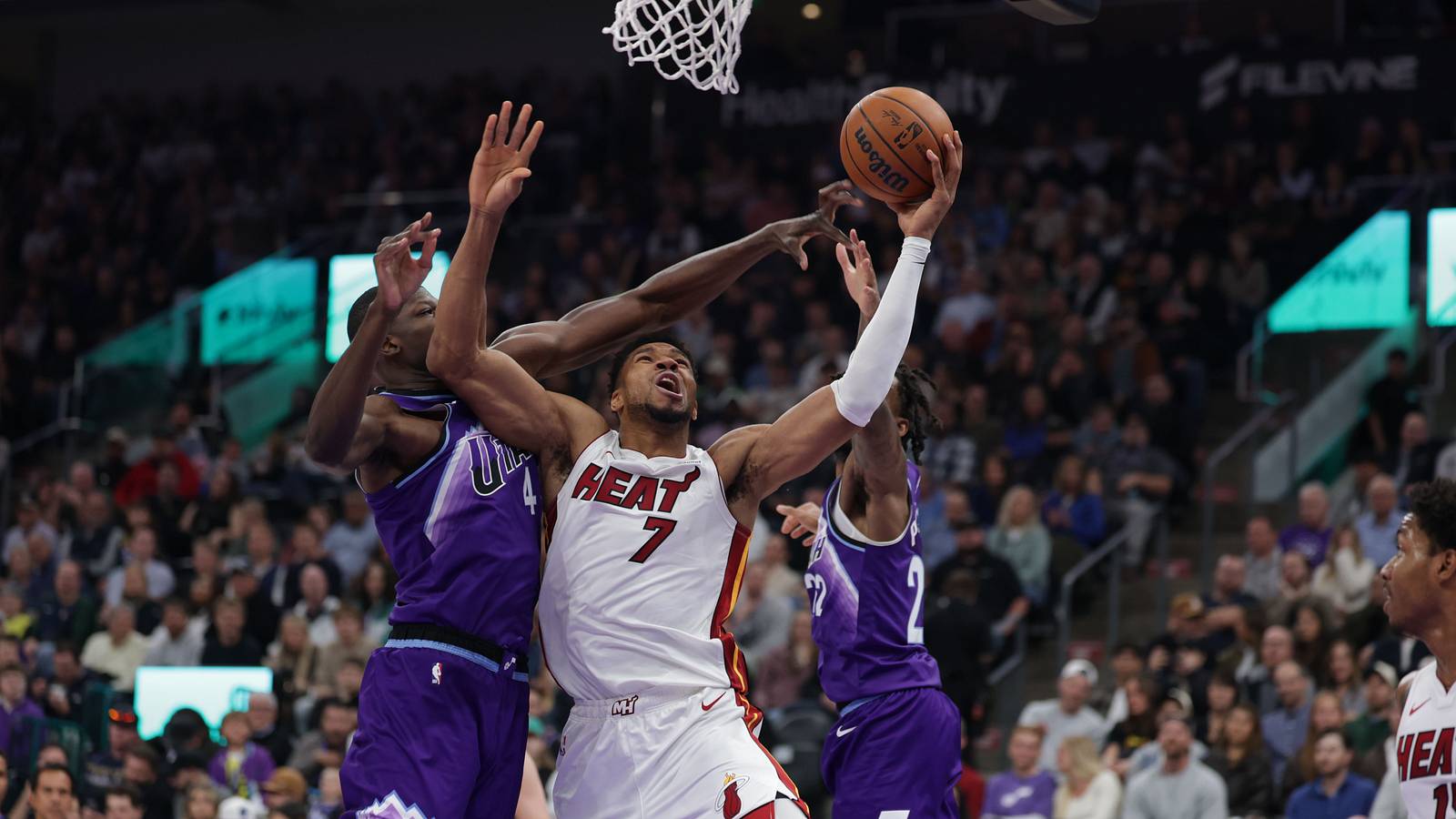
Miami's most valuable availability decision almost became its most consequential late scratch. Antetokounmpo had been listed with a right-wrist sprain and was still a question before tipoff. Spoelstra said afterward that the staff had prepared Nikola Jovic to start if the two-time MVP could not go. For a team trying to escape a four-loss opening to the season, that was not a trivial contingency. Giannis creates the pressure on the rim that shapes the rest of Miami's offense, and replacing that force changes the spacing and decision-making around everyone else.
Once he played, the concern was much less visible in the box score. Antetokounmpo made 12 of 21 field-goal attempts, added a three-pointer and scored 30 points with 11 rebounds and four assists. He turned the ball over only once. The efficiency mattered because Miami struggled elsewhere, shooting 35 for 89 overall and 12 for 41 from deep. He was not simply piling up points during a comfortable early lead; the Heat depended on his production to preserve an advantage that Utah threatened to erase late.
In the rests between shifts, however, the treatment was unmistakable. Antetokounmpo iced the right wrist in a heavy wrap on the bench and wore protection after the game. Spoelstra acknowledged that the issue would continue to need treatment rather than resolving overnight. That is an important distinction from declaring him completely healthy. Playing through an injury on Tuesday says something about his availability for Tuesday, not necessarily about whether it will require management over the next month.
Antetokounmpo rejected the idea of using the wrist as an explanation. His view was that choosing to suit up meant accepting the responsibility to compete, rather than revisiting his discomfort after the final buzzer. He has a compelling case on that night: his 30 points led both teams and moved him past Gary Payton on the NBA's all-time scoring list, according to the Associated Press. But the coaching staff's caution can coexist with his confidence. Players decide whether they can perform; a season-long contender has to decide how often it should ask them to.
GOATIFY
GOATIFY Basketball
A 30-point night while managing a wrist sprain reminded Miami what its new star can do. Explore GOATIFY basketball gear for the game's biggest moments.


LeBron James G.O.A.T. - Greatest of All Sweatshirt
A basketball fan design for everyday wear.
Shop Now ↗
Jalen Brunson – NBA Champion GOAT Decal Sticker
Add basketball personality to your favourite gear.
Shop Now ↗
Crying LeBron – NBA Basketball Graphic Game Tee
A basketball fan design for everyday wear.
Shop Now ↗

Vince Carter G.O.A.T. - Greatest of All Hoodie
A basketball fan design for everyday wear.
Shop Now ↗Miami does not need to make the wrist a daily spectacle to act responsibly. The next two days off and a return home offer a more measured chance to reassess treatment, minutes and fatigue. Until then, the useful evidence is limited but favorable: the sprain did not prevent Antetokounmpo from finding his usual downhill opportunities, rebounding at a high level or sustaining the Heat when other shots were not falling.
Doc Rivers Made It Personal. Giannis Kept His Answer Private.
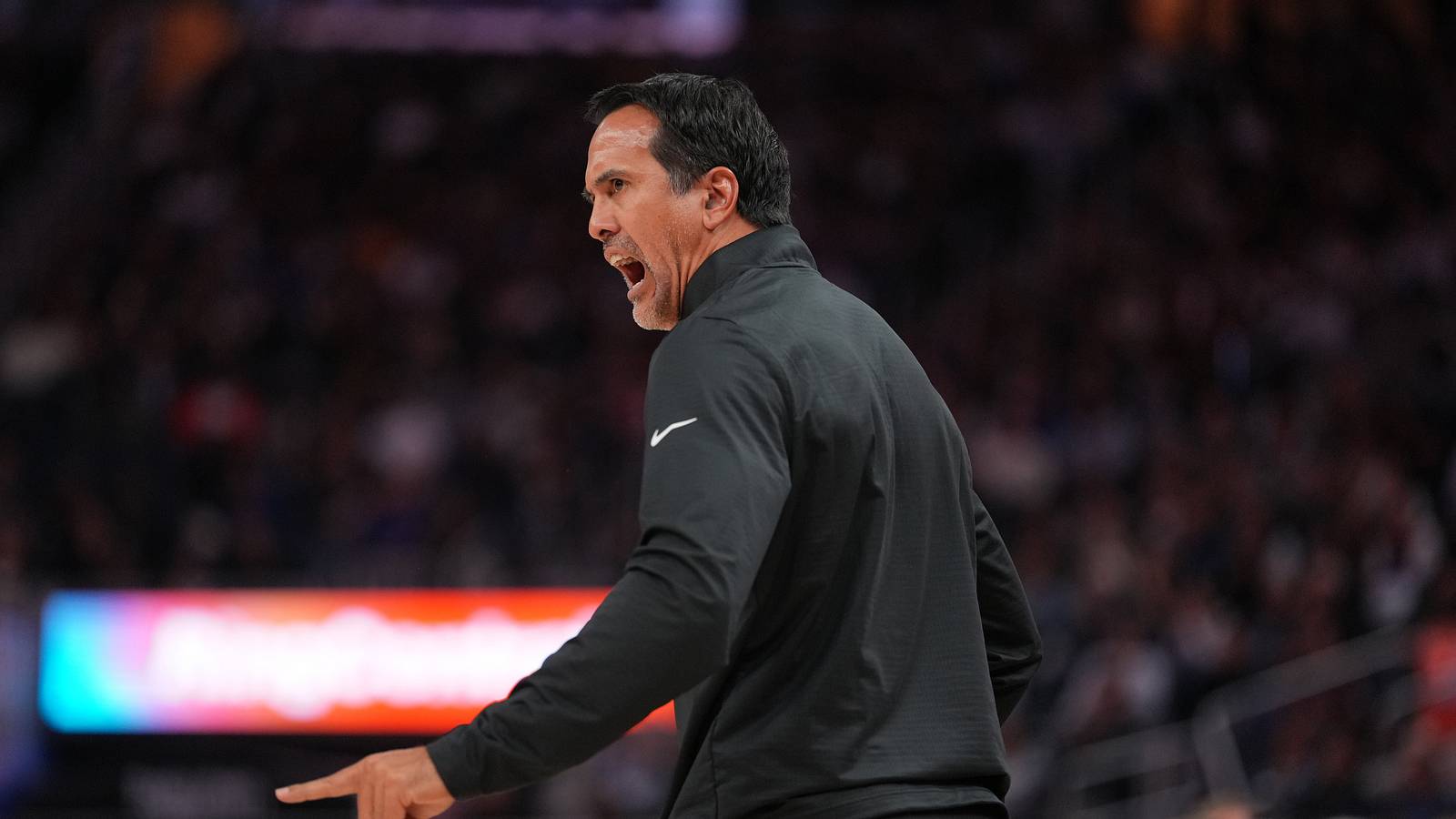
Rivers' remarks were about more than a bad shooting night. On a podcast the week before the Jazz game, the former Milwaukee coach gave his interpretation of Antetokounmpo's departure from the Bucks. Rivers suggested Giannis wanted a change while wanting the organization to be seen as initiating it. That is Rivers' account of a complicated breakup, not an established finding about the player's private intentions. It invited a public argument because it went directly to how a longtime franchise cornerstone should be remembered.
Rivers also questioned the sophistication of Antetokounmpo's offensive decision-making, praising his passing while arguing that the star could become too reliant on driving into contact. That criticism has a basketball dimension worth separating from the personal one. Giannis is at his most intimidating when the defense collapses toward the rim. Against well-organized opponents, the next pass and the balance between a shot and a kick-out can determine whether a possession ends in efficient offense or a predictable crowd of defenders.
There is, however, a danger in reducing the player to a single movement. Against Utah he paired 30 points on 12-for-21 shooting with four assists and only one turnover. Those figures alone do not disprove concerns about late-clock variety, and the Jazz were depleted, but they illustrate why evaluating the whole possession matters more than describing an individual as someone who can only attack in one direction. An elite rim threat can make the correct read without looking like a traditional point guard.
Rivers subsequently told ESPN that he had sent an apologetic message and regretted creating a distraction. Antetokounmpo refused to confirm the contents of any exchange with reporters, stressing that a conversation between two people should remain their business. He did not publicly accept a retraction, stage a counterattack or give a detailed account of events in Milwaukee. It was a deliberate boundary, rather than evidence that the disagreement had been resolved behind the scenes.
The different approaches also explain why Spoelstra's role matters now. His job is not to render a verdict on a former coach's podcast comments; it is to build an offense in which Giannis' strengths remain difficult to anticipate when a defense loads up on the paint. Improving the surrounding actions, the spacing of the shooters and the timing of the second creator are more constructive answers than any argument over a phrase used in an interview. Miami can acknowledge the debate without designing its basketball around winning it.
Antetokounmpo's request to keep the focus on results was sensible for a locker room still trying to establish its identity. The team had started 0-4 and was climbing toward .500. It has little to gain from reopening every stage of the trade that brought its superstar to South Florida. If the winning continues, the details of his current role will become far more relevant than speculation about who said what before he left Wisconsin.
GOATIFY
GOATIFY Basketball
The Giannis–Rivers debate is the kind of story that gets NBA fans talking. Discover GOATIFY basketball designs celebrating the sport and its rivalries.

Giannis Antetokounmpo G.O.A.T. - Basketball Tank
A basketball fan design for everyday wear.
Shop Now ↗

Giannis Antetokounmpo G.O.A.T. - Basketball Sticker
Add basketball personality to your favourite gear.
Shop Now ↗

Michael Jordan G.O.A.T. - Basketball - Sweatshirt
A basketball fan design for everyday wear.
Shop Now ↗
Giannis Antetokounmpo G.O.A.T. - Basketball Tee
A basketball fan design for everyday wear.
Shop Now ↗The 23-Point Lead That Nearly Disappeared
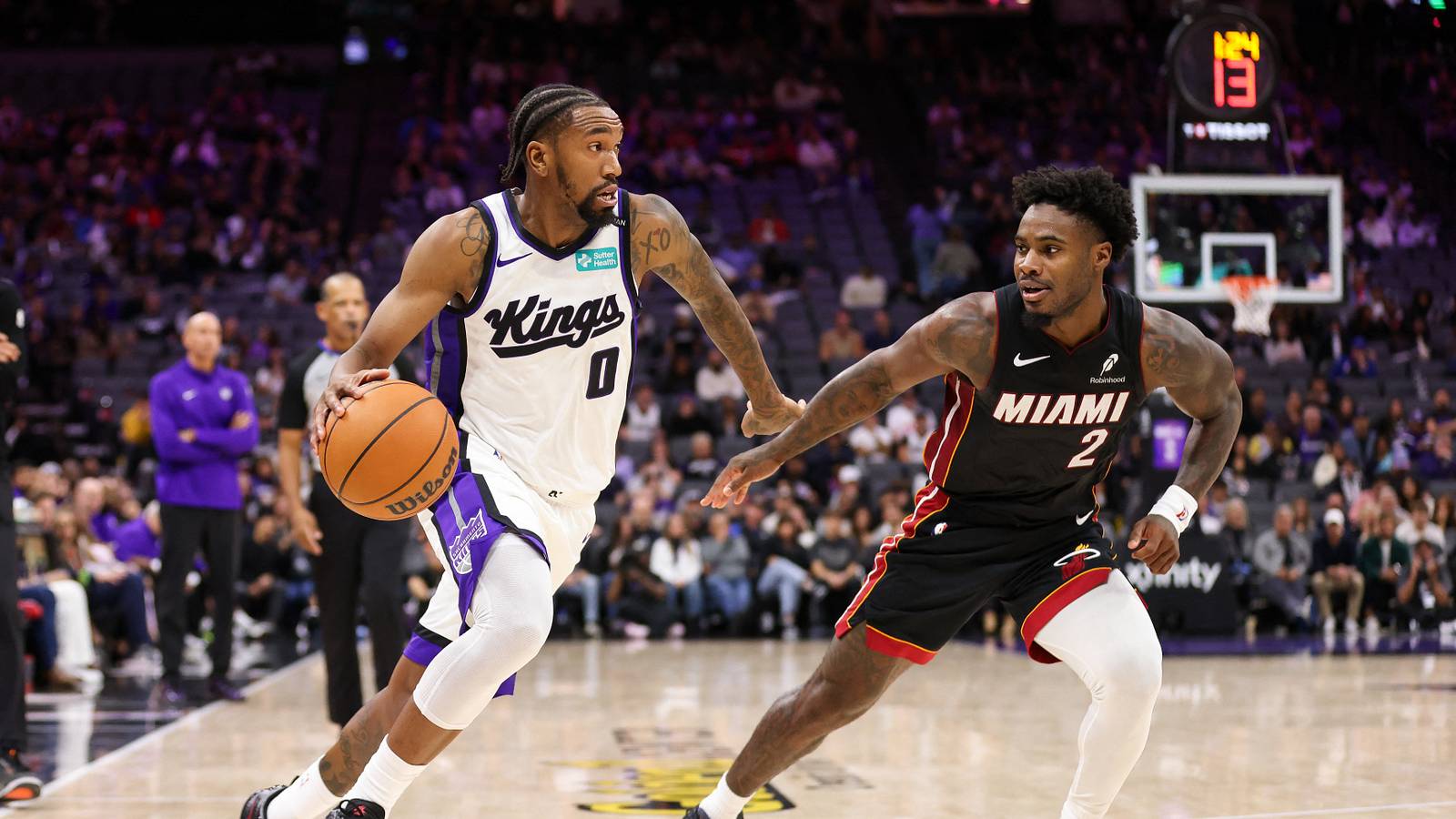
For three quarters, the shape of the game was exactly what Miami should have wanted. The Heat led 29-25 after one period, 64-54 at halftime and 92-72 after the third. A decisive 25-8 third-quarter run stretched the margin to as many as 23 points. Against a Jazz side missing Lauri Markkanen, Keyonte George, Jaren Jackson Jr. and Jusuf Nurkic, the visitors appeared on course for a comfortable trip-closing result.
Then the fourth quarter arrived. Utah won it 37-23, with Isaiah Collier changing the pressure by hitting consecutive three-pointers after entering the night without a made three for the season. The Jazz reduced a huge margin to eight, and eventually to five points with less than a minute remaining. Miami's starters returned from the bench and the closing stretch became less about style than basic execution: one secure stop, one controlled possession, one defensive rotation that arrived in time.
The survival came through defense when the offense had lost its rhythm. Bam Adebayo chased down Collier for a crucial block in the final half-minute; Klay Thompson also made an important late stop. Those plays deserve credit, but they also reveal the size of the opportunity Miami had already given away. A depleted opponent should not need only one more conversion to create a one-possession game after trailing by more than twenty.
The team statistics sharpen the picture. Miami actually shot worse than Utah from the field, 39.3 percent to 48.8 percent, and made fewer of its three-point attempts, 12 for 41 compared with 13 for 33. Utah scored 50 points in the paint to Miami's 32. Yet the Heat attempted 44 free throws, converting 33, while Utah made 14 of 22. That 19-point advantage at the line more than covered the six-point winning margin. The Jazz also committed 18 turnovers against Miami's eight, giving the visitors repeated extra chances.
Davion Mitchell embodied both the value and the limits of the supporting cast. He scored 19 points, handed out eight assists, collected five rebounds and made three threes. His ability to create speed and defend at the point of attack is essential beside Antetokounmpo. But the Heat still needed Giannis' half-court gravity to stabilize the scoring. Thompson's night was uneven: 11 points on 3-for-13 shooting, including 2-for-10 from deep, counterbalanced by defensive work at the end.
Utah's young scorers were a reminder that even a rebuilding team can change a game quickly. Rookie Darryn Peterson scored 25 and Ace Bailey added 23; Collier supplied the late perimeter burst. Their production did not erase the Jazz's ninth straight defeat or the limitations of a 1-10 record. It did expose how difficult it remains for Miami to close a game once the initial plan is disrupted. Good teams can find ways to escape these nights. Serious contenders must eventually make the escapes less frequent.
Spoelstra's New Five Will Face a Harder Exam at Home
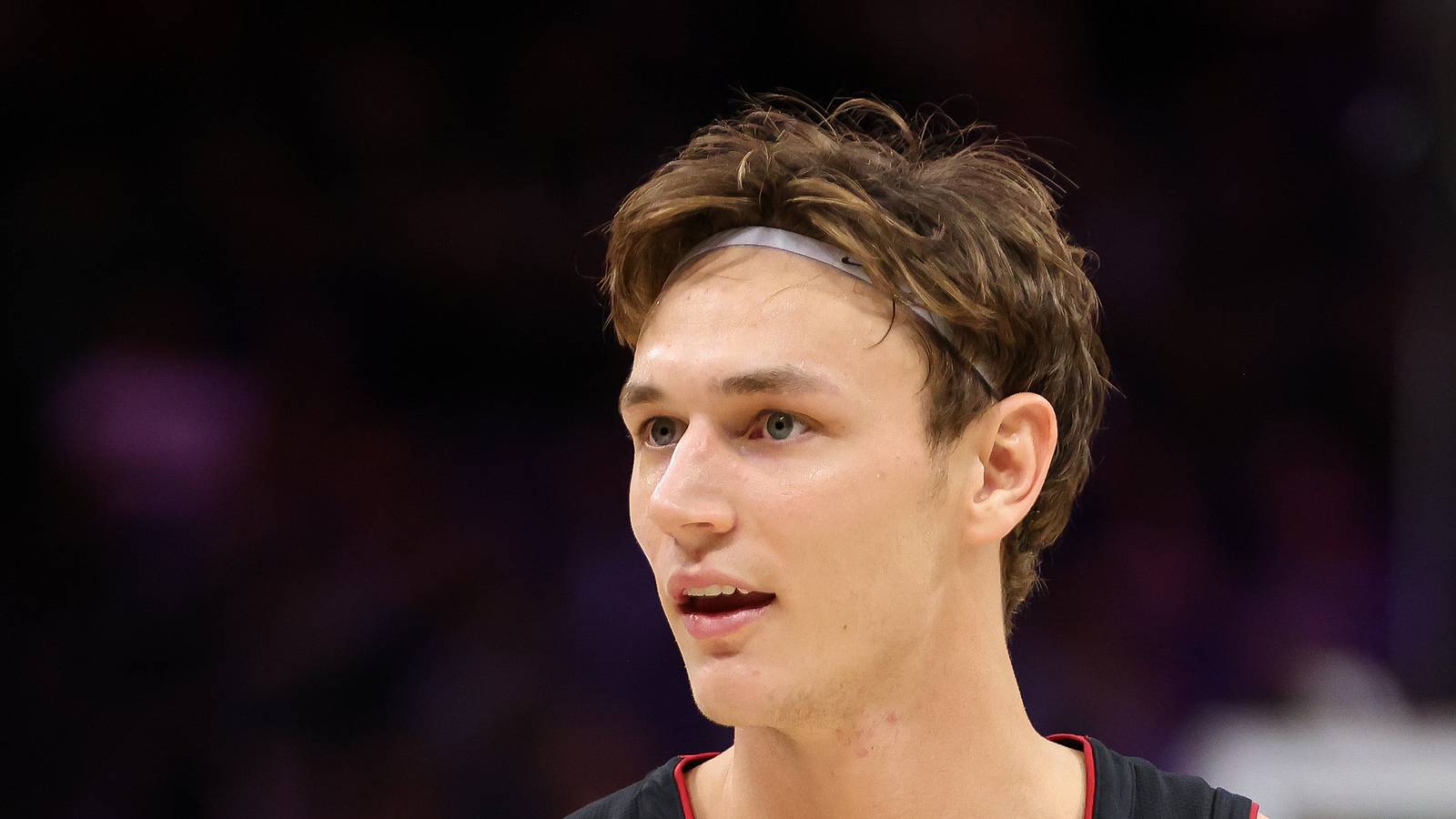
Miami's recent improvement has not come solely from asking Antetokounmpo to do more. Spoelstra has also adjusted which players share the floor with him. Pelle Larsson entered the starting five in place of Andrew Wiggins during the trip, joining Giannis, Mitchell, Thompson and Adebayo. The idea is easy to understand: a younger wing who can defend, move without the ball and accept a smaller role may fit this particular group better than another scorer searching for touches.
GOATIFY
GOATIFY Basketball
Utah's fourth-quarter surge turned a comfortable Miami lead into a genuine finish. Browse GOATIFY Basketball tees, hoodies and stickers for NBA fans.

Lauri Markkanen GOAT - Basketball - Greatest Sweatshirt
A basketball fan design for everyday wear.
Shop Now ↗
Basketball Alien Wemby UFO Abduction Graphic Hoodie
A basketball fan design for everyday wear.
Shop Now ↗
Joel Embiid G.O.A.T. - Basketball Decal Sticker
Add basketball personality to your favourite gear.
Shop Now ↗

Wemby G.O.A.T. - Victor Wembanyama Basketball Tank
A basketball fan design for everyday wear.
Shop Now ↗
Chicago Bulls – Picasso Bulls Cubism Art Hoodie
A basketball fan design for everyday wear.
Shop Now ↗Larsson gave the staff something concrete against Utah. He scored 14 points on four made field goals in seven attempts, collected seven rebounds and connected on two of his three attempts from beyond the arc. He also committed four turnovers, an honest reminder that changing roles produces mistakes as well as better spacing. His ability to stay active without needing a procession of designed plays is valuable on a roster where a dominant ballhandler naturally attracts most of the attention.
Wiggins responded positively from the bench, scoring 13 points in roughly 19 minutes on efficient shooting. That is not proof that the rotation has been solved, but it suggests a role that might give Miami more balance. Second units need someone prepared to attack a mismatch without waiting for Giannis to tilt the entire defense. Starting groups need players willing to cut, guard and keep the ball moving. Moving Wiggins to a scoring role among reserves may help both requirements, provided the defensive tradeoffs are manageable.
The tension is in the final five minutes. If Thompson's outside shot is not falling, the starting unit can struggle to turn possessions into points once opponents defend more tightly. If the smaller combinations lose control of the glass, Giannis and Adebayo have to cover more defensive ground. Miami's best five on paper is therefore not necessarily the group that closes every opponent, especially while the injury situation makes Antetokounmpo's minutes worth monitoring.
The next stretch should give Spoelstra better information. The Heat return to Kaseya Center to host Cleveland on Friday, November 13, beginning a five-game homestand. Unlike the short-handed Jazz, stronger opponents can punish long scoring droughts without helping Miami back into the game through turnovers or an extreme free-throw deficit. The question is not whether a 30-point Giannis night can beat the league's weakest teams. He has already demonstrated that. It is whether the other four positions create enough reliable options when the first attack has been contained.
Miami's 5-6 record is not impressive on its own, yet the direction matters. Five wins in seven games after losing the first four have earned the group more room to experiment. Antetokounmpo is right that victories can quiet the conversation. Spoelstra's task is to make those victories repeatable when the opponent is healthier, the defense is sharper and a five-point lead has to be protected without a last-second rescue.
Antetokounmpo did not settle a dispute about his former coach in a postgame interview, and a single night against a depleted opponent cannot settle a debate about Miami's ceiling. What it did establish is that he can deliver a star-level performance while managing a wrist issue, and that the Heat are finding ways to win after an ugly opening stretch. The value of those developments should not be understated.
The warning is equally clear. Utah needed one hot quarter to change a comfortable result into a scramble, even though Miami owned the more experienced roster and a huge advantage in free throws and turnovers. The next stretch at home will show whether Spoelstra's revised lineup makes the Heat steadier when the game stops flowing. Giannis' preference for letting winning speak is straightforward. Miami now has to make its basketball match that message for all four quarters.
GOATIFY
GOATIFY Basketball
Shop GOATIFY basketball shirts, hoodies and stickers.


Basketball Alien Wemby Celebration Graphic Sweatshirt
A basketball fan design for everyday wear.
Shop Now ↗
Ja Morant Gun Suspension Memphis Grizzlies NBA Tee
A basketball fan design for everyday wear.
Shop Now ↗



















