

Siniakova Lost Just One Game in Osaka — Ten Years After Final Heartbreak
GOATIFYA tennis final can be lopsided without being memorable. Katerina Siniakova's Sunday in Osaka was something different: a 6-1, 6-0 defeat of Ashlyn Krueger in just 64 minutes, 10 consecutive games won to close the match, and a first WTA singles trophy since 2023. For a player whose reputation is built on extraordinary doubles success, this was an emphatic reminder that her singles game can still overwhelm a tour-level field.
The symmetry was hard to miss. Siniakova had lost the Osaka final a decade earlier; Krueger had won the tournament in 2023. Yet the Czech world No. 1 in doubles turned a final with two compelling personal histories into a one-sided display of returning, court positioning and scoreboard control. The sixth singles title of her career was not merely another line on a résumé. It was a striking answer to a difficult singles season.
Six breaks, 10 straight games: how Siniakova took over the final
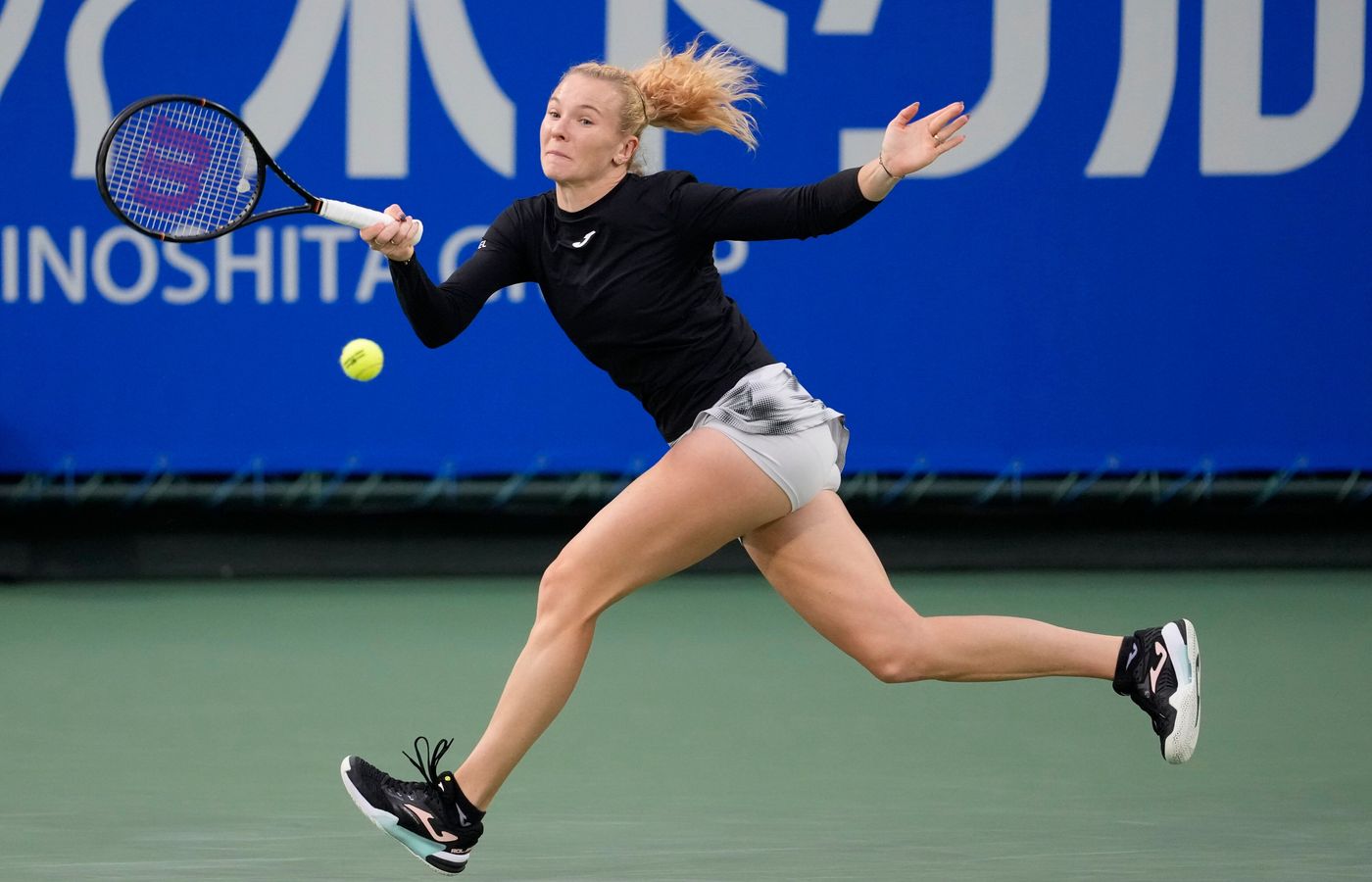
Krueger held serve only once in 13 games. That statistic explains the score more clearly than any sweeping description of momentum. Siniakova broke six times and did not lose her own serve, turning nearly every Krueger service game into another chance to extend the lead. After the score reached 2-1 in the first set, the Czech won every remaining game. A 6-1 opener was followed by a second-set bagel, and there was never a meaningful reset.
The return numbers were particularly punishing. Krueger landed plenty of first serves, but placement alone did not win her cheap points. Across the match she won less than half the points behind her first delivery and only about a quarter behind her second. Siniakova was consistently able to make contact, push the American away from her preferred attacking position and force one extra ball under pressure. That matters against a player who normally wants to dictate with the first forehand after serve.
Siniakova's own service games were efficient rather than spectacular. She faced only one break point and saved it. Neither player built the match around aces; the difference came in what happened immediately after the serve landed. The champion won the court-position battle early, and the pressure compounded. Krueger could not simply play one clean return game to turn the match, because the next service game immediately presented another problem.
The final lasted 64 minutes, but it contained a complete tactical lesson. Winning the return point is valuable; making the opponent feel that even a high first-serve percentage offers no protection is devastating. Siniakova did both. Once she had the lead, she played the kind of uncomplicated, high-percentage tennis that makes a comeback seem increasingly theoretical.

From a 15–18 singles record to a title without losing another set
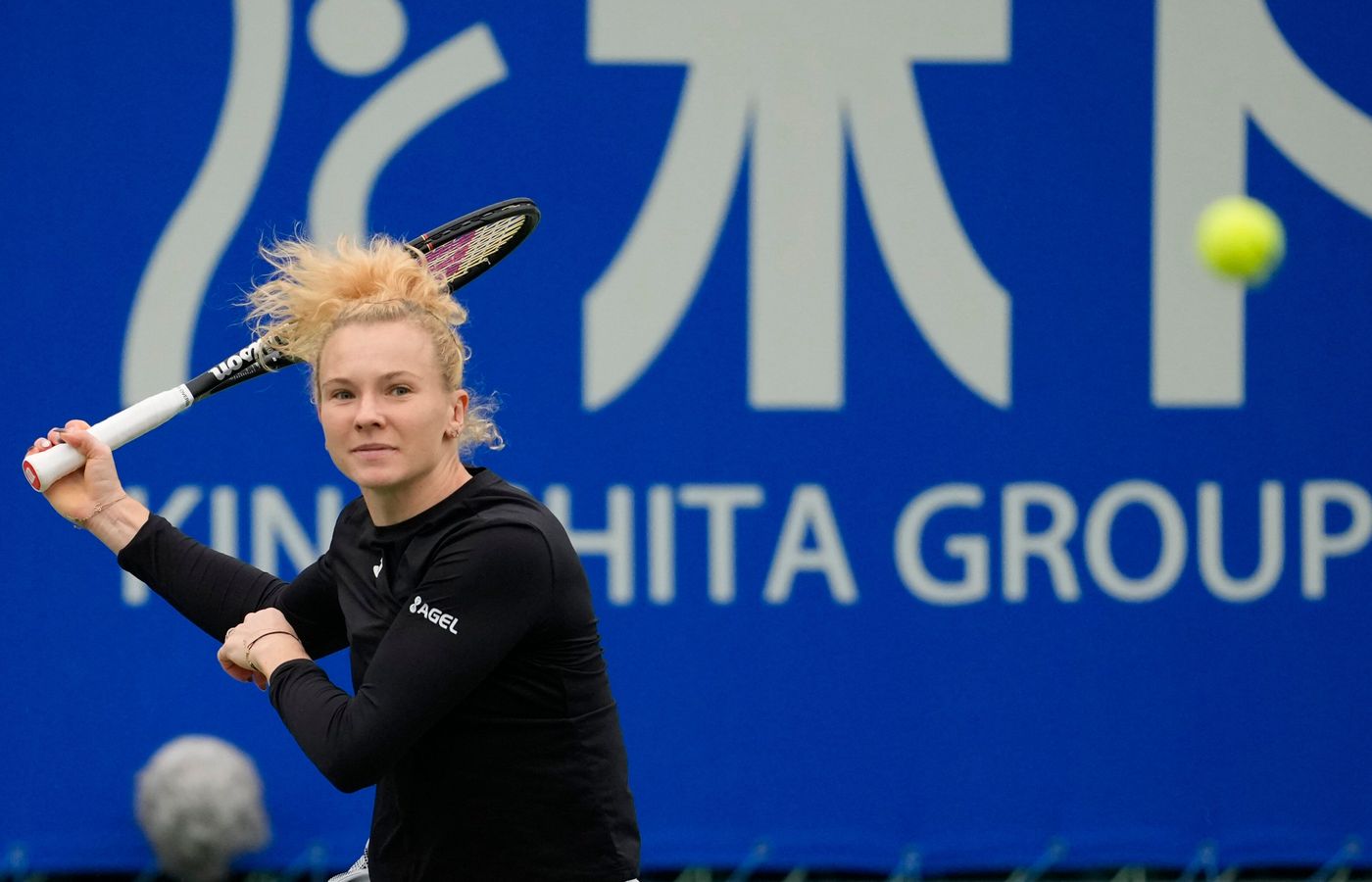
Before Osaka, Siniakova's singles season had not resembled the record of a player about to produce one of the cleanest finals of the autumn. She arrived with 15 wins against 18 losses in singles, ranked outside the top 80, while her doubles career continued at the very top of the sport. That contrast made her week in Japan especially interesting. She did not need to rediscover how to compete; she needed a run of matches in which the singles patterns clicked repeatedly.
Her opening match against second seed Peyton Stearns was awkward rather than smooth. After winning the first set 6-4, Siniakova lost the second 0-6 before moving ahead 4-0 in the deciding set when Stearns retired. It was hardly the entrance of a player destined to dominate the final. What followed, however, was a steady acceleration. She beat Magda Linette 6-4, 6-1, then qualifier Mary Stoiana 6-1, 6-2. Against eighth seed Katie Boulter in the semifinal, the score was 6-1, 6-4.
That sequence matters because it was not a single inspired afternoon. Siniakova kept finding ways to start sets aggressively, take control of rallies and protect her own service games. She surrendered just one set all week, in the opening match, and grew more decisive as the draw narrowed. Her 2026 Osaka semifinal photographs show the same energetic footwork and full commitment to the ball that were visible in the final's numbers.
A WTA 250 title is not a Grand Slam breakthrough, and it should not be dressed up as one. But for someone trying to translate elite doubles instincts into consistent singles results, five match days can be meaningful. Siniakova left Osaka with proof that she could still build a tournament around her own singles game, rather than simply arrive as the doubles specialist nobody wants to face.
Krueger knew how to win in Osaka — but not how to hold against this return
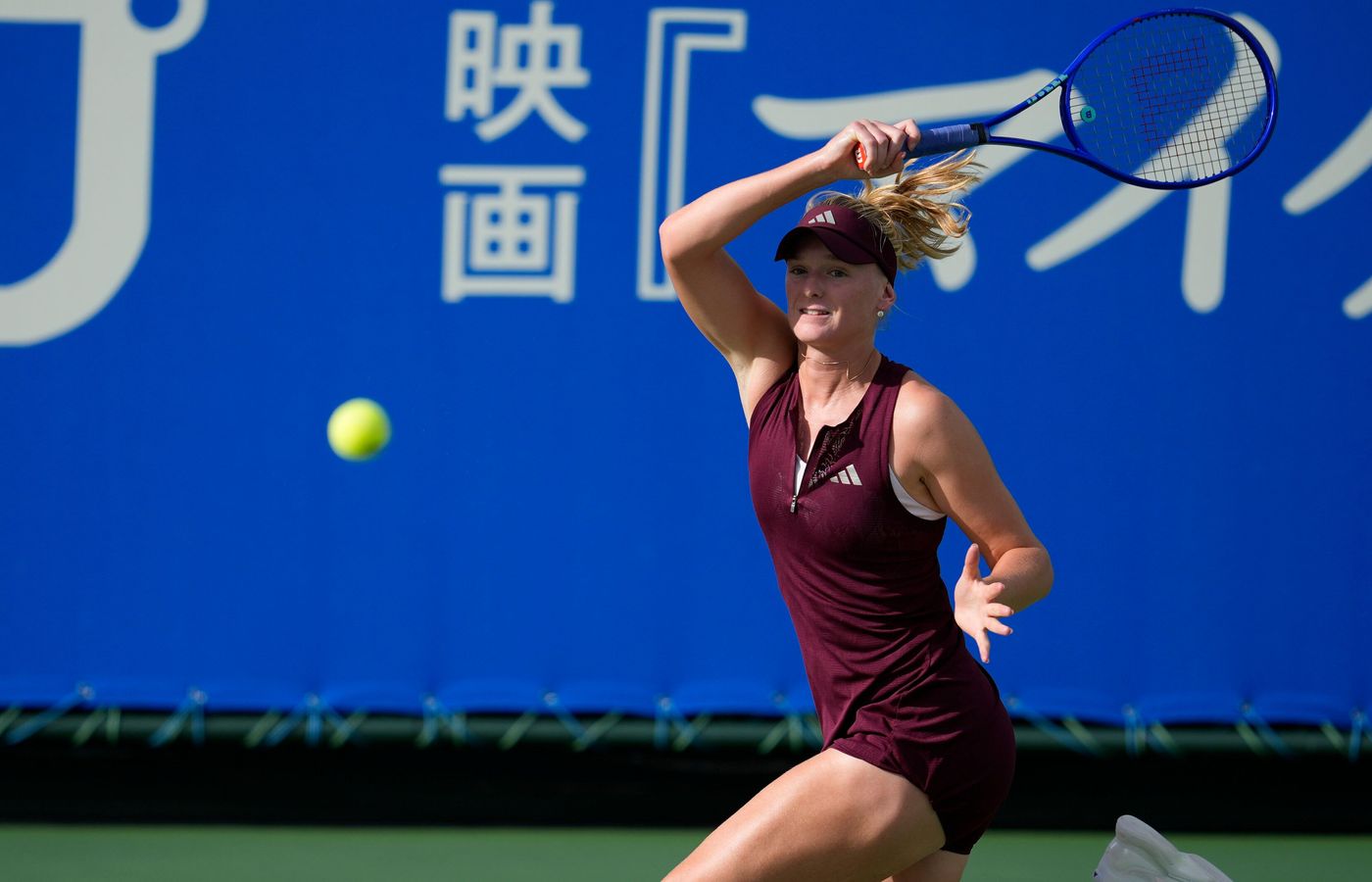
Ashlyn Krueger did not arrive in the championship match as an accidental finalist. Osaka was the site of her first WTA singles title in 2023, and she had built another substantial run there in 2026. The American defeated several seeded opponents, including top seed Ann Li in a three-set semifinal, to earn a chance at a second trophy in the same city. At 22, she already knew the conditions and the emotional rhythms of this event.
The final exposed a different challenge. Krueger's biggest weapon is her ability to seize the initiative behind a strong first ball, but the scoreboard never gave her a sustained platform. A player can serve a high percentage and still feel as though every delivery is under attack; that was the uncomfortable equation she faced. Even when the first serve landed, Siniakova's depth and anticipation prevented the American from turning it into easy forehand control.
The statistics captured the imbalance. Krueger finished with 10 winners against 34 unforced errors, compared with 16 winners and 19 unforced errors for Siniakova. Those totals should not be mistaken for a complete explanation of every rally, but they show how much more frequently the challenger had to force the issue. The Czech did not merely wait for mistakes: she created a match in which Krueger repeatedly had to hit a difficult next ball.
There is an extra twist in their recent history. In September, Krueger and Robin Montgomery were on the losing side of the US Open women's doubles final against Siniakova and Taylor Townsend. That was a different format and a different match, so it should not be treated as a direct tactical comparison. It does underline how often elite players' paths cross across disciplines. On this occasion the meeting was in singles, and Krueger could not find a route to extend the contest beyond an hour and four minutes.
Ten years after an Osaka final loss, the doubles No. 1 gets her singles moment
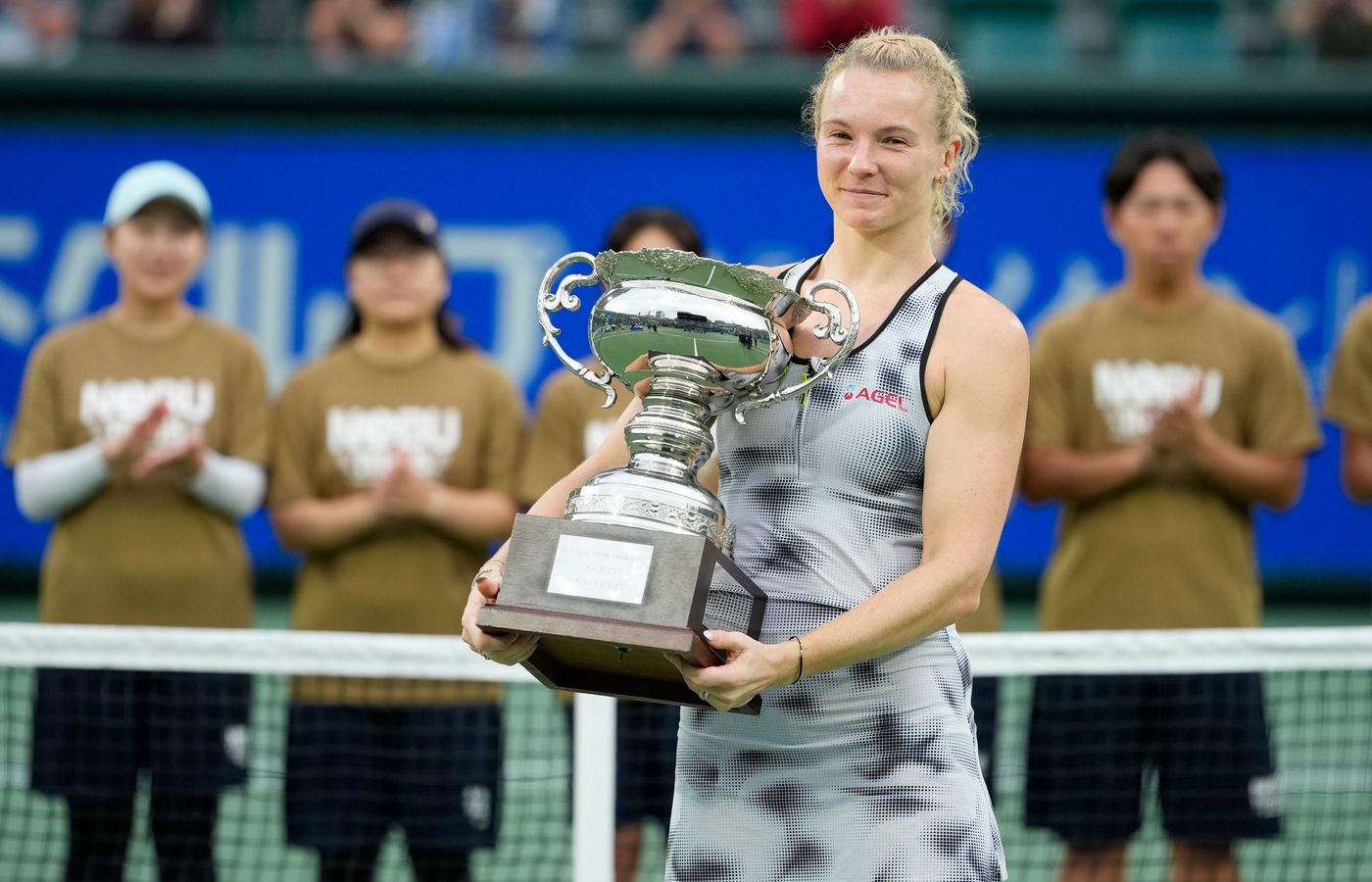
Siniakova's previous Osaka singles final was in 2016, when she lost a three-set championship match to Christina McHale. Returning ten years later and leaving with a trophy gave the 2026 result a narrative that went beyond the 6-1, 6-0 scoreline. It also made her the first Czech champion in the event's history. For a 30-year-old who has spent so much of her career collecting major doubles trophies, this was a rarer kind of personal milestone.
Her most recent singles title before Osaka came at Nanchang in 2023. The three-year gap does not mean she had disappeared from top-level tennis. Quite the opposite: Siniakova has remained a defining doubles player of her generation, with the world No. 1 ranking and another major title alongside Taylor Townsend at the 2026 US Open. The pair completed a team career Grand Slam in New York, further reinforcing her standing in the discipline where she has been most consistently dominant.
That background is part of what makes this singles week compelling. Doubles excellence does not automatically translate into singles success: the physical demands, court coverage, serving patterns and recovery schedule are different. Yet the touch, anticipation and ability to redirect pace that make Siniakova dangerous at net can also support a devastating singles return game. In Osaka, she found a way to apply those skills over consecutive matches rather than isolated sets.
The immediate takeaway is modest but meaningful. One WTA 250 title does not transform the entire 2026 singles season, and the next tournaments will ask whether this level is repeatable. But the trophy is real, the manner of the final was exceptional, and the long gap since her last singles celebration is over. Osaka offered Siniakova something she has not needed in doubles for years: a fresh reminder that her name still belongs in singles title conversations.

For Krueger, the final will be remembered as an unusually harsh ending to a productive week at a tournament she knows well. For Siniakova, it was the opposite: a near-perfect last match that turned years of Osaka history and three seasons without a singles title into a new chapter.
The most revealing detail may be the 10-game closing streak. A champion who wins that many games consecutively against a former event winner is not simply enjoying good fortune. She is controlling how points begin and where they end. Siniakova did that in Osaka, and the sixth singles trophy is hers.
Shop GOATIFY tennis products from the Tennis-filtered collection scope.

















