

McDaniels' $40M Extension Has a $56M Twist — Wolves Bet on More
GOATIFYThe Minnesota Timberwolves have added one year and $40 million to Jaden McDaniels' contract. That sounds like a huge commitment to a player who averaged fewer than 15 points last season. The more interesting number, though, is $56 million: a possible starting salary for another extension in 2028, if his development continues and Minnesota decides he is worth it.
McDaniels is now tied to Minnesota through the 2029-30 season, with approximately $124 million due over the next four years. The 26-year-old forward is already one of the club's most trusted perimeter defenders. After shooting 41.2% from three last season, he has a more ambitious question to answer: can he remain an elite stopper while becoming a dependable third scoring option next to Anthony Edwards and newly arrived LaMelo Ball?
For Minnesota, the deal is not merely a reward for a good season. It is a wager that a long, efficient wing will become more valuable as the NBA salary cap rises, even while the Wolves carry the costs and expectations of a star-heavy roster. Both sides have bought flexibility of a different kind: the team has an extra season of control, while McDaniels has a much stronger financial platform for his next negotiation.
The $40 million year is really a bet on the next contract

The first thing to understand about the agreement is what it is not. Minnesota has not handed McDaniels a new four-year, $160 million deal. It has added a single $40 million season in 2029-30 to an existing contract that already covered the next three seasons. His scheduled salaries are approximately $26.2 million in 2026-27, $28 million in 2027-28 and $29.8 million in 2028-29 before that new year begins. That is why the total remaining commitment is about $124 million rather than four years at $40 million apiece.
The structure matters because NBA extension rules use a player's existing salary as a reference point for certain future raises. McDaniels could be eligible to negotiate again in 2028 with the new $40 million figure serving as the relevant base. Under the reported 140% mechanism, that could allow a first-year salary of as much as $56 million on a later agreement. It is a possible ceiling, not money he has already earned or a promise Minnesota has made. If the next two seasons do not justify another deal, he can instead reach free agency in 2030 with ten years of NBA service.
From the team's side, the advantage is time. Minnesota does not have to approach the summer of 2029 with its best perimeter defender about to leave or demand a hurried negotiation. It can watch how McDaniels fits with Ball and Edwards over multiple seasons before deciding whether a larger commitment is sensible. A projected salary cap increase also changes the appearance of the number. One analysis places that $40 million 2029-30 salary at roughly 21.6% of the future cap, although that percentage depends on projections that can change.
There is risk in both directions. A plateau in McDaniels' offense could make a $40 million season look expensive, especially if Minnesota needs depth around its stars. A breakout could make the added year a bargain while giving McDaniels leverage for an even bigger extension. The unusual compromise gives the Wolves another year of certainty without asking their player to surrender all his future upside.

The defense is proven. The 41.2% shooting is the swing factor
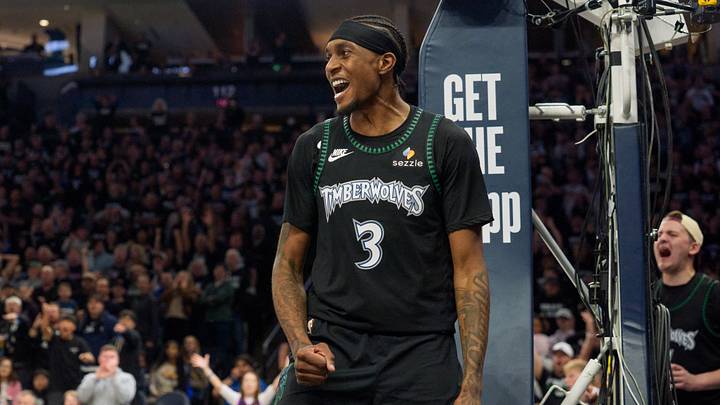
McDaniels has never needed to lead the team in shots to justify a major role. At 6-foot-9, he can defend guards, contest larger wings and stay involved in switches without forcing Minnesota to abandon its preferred matchups. He earned an All-Defensive Second Team selection in 2023-24, and the value of that skill becomes especially clear in a playoff series: one player who can take difficult assignments reduces the amount of help the rest of the defense must send.
What changed last season was the other end of the court. McDaniels averaged a career-best 14.8 points, 2.7 assists and 41.2% from three in 73 starts. He also shot 51.5% overall, which makes the outside percentage more significant. His improvement was not built entirely on taking more difficult jumpers; it reflected better shot selection, more confident decisions and an ability to score efficiently while Edwards and Julius Randle handled large shares of the offense.
Those numbers do not automatically make him a primary creator. A 41.2% three-point season is impressive, but repeating it against playoff closeouts is harder than posting it once. Opponents will test whether McDaniels can put the ball on the floor after the first defender flies at him, finish through contact and deliver a useful pass when the lane closes. His assists rose last season, suggesting some progress, yet he is still most dangerous when someone else creates the initial advantage.
The postseason provided evidence that he can affect more than one phase of a game. Against Denver in the 2026 playoffs, McDaniels was central to Minnesota's defensive pressure and delivered meaningful scoring bursts. Those performances help explain why the front office sees him as more than a specialist, but they should not be mistaken for proof of an inevitable All-Star leap. Playoff matchups change, shooting varies and offensive responsibility is a different challenge from opportunistic scoring.
The case for the extension is strongest when the two skills are considered together. A 15-point scorer with average defense is useful; a wing who can provide that production efficiently while handling a rival's most difficult perimeter assignment can be central to a contender. Minnesota is paying for the possibility that both parts of McDaniels' game continue to reinforce each other.
LaMelo Ball could create the shots McDaniels needs
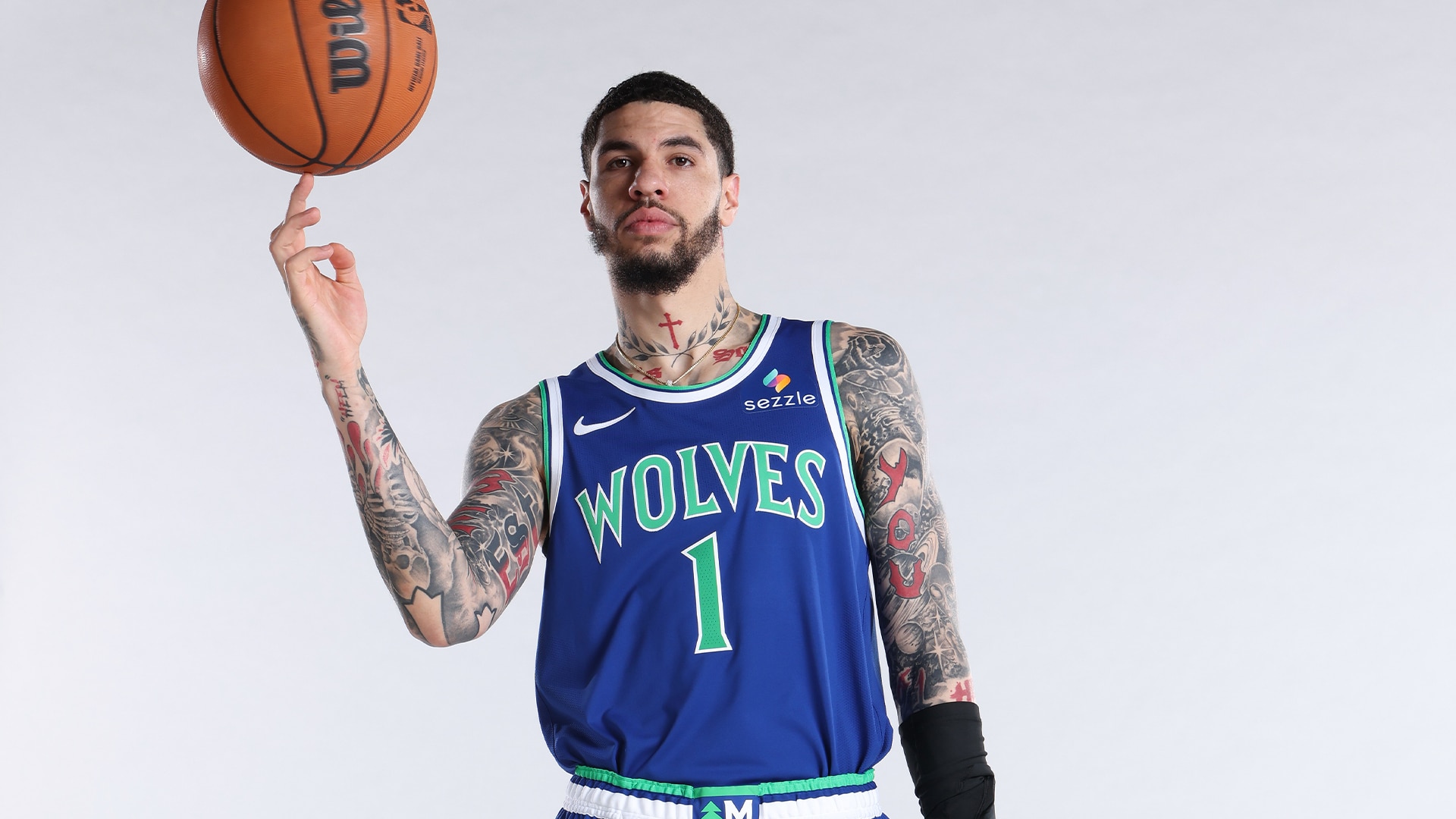
Minnesota's summer roster overhaul explains why the McDaniels deal carries more significance than a routine extension. The Wolves moved on from Julius Randle and Naz Reid and brought in LaMelo Ball to partner Anthony Edwards. That changed the team's shot-creation hierarchy. McDaniels briefly looked capable of becoming a clear second option after Randle's departure; Ball's arrival means he is more likely to remain third in the pecking order, but with a better distributor feeding him.
Ball averaged 20.1 points and 7.1 assists in his final Charlotte season, and his willingness to attempt difficult passes should make Minnesota less predictable. Edwards is a dangerous isolation scorer, but asking him to generate every high-value opportunity can wear down an offense late in games. Ball can initiate possessions, move defenders with his eyes and deliver the ball to McDaniels when help rotates toward the stars.
For McDaniels, the ideal possession is not necessarily a complicated play designed for him. It might be a corner three after Ball drives into the paint, a quick cut behind a defender focused on Edwards, or a closeout attack when a weak-side rotation arrives late. Those opportunities suit a forward who shot over 40% from deep last season and can cover ground with a long first step. More touches in rhythm may matter more than a higher raw usage rate.
The early evidence is encouraging but limited. In Minnesota's October 12 preseason win over the Knicks, McDaniels scored 22 points on 8-for-12 shooting, including four threes in five attempts. Across four preseason appearances cited in recent reporting, he averaged 14.8 points in just over 20 minutes. Those are eye-catching efficiency numbers, not a reliable prediction of a regular-season scoring average. Opponents will scout the new backcourt and challenge the spacing once the games count.
There is also a defensive cost to consider. Ball brings playmaking and pace, but Minnesota must protect the perimeter when he and Edwards share the floor. McDaniels could be asked to absorb the toughest wing matchup while staying ready to score on the next possession. If he can do both, his value to this particular roster is greater than his individual points-per-game figure suggests.

What Minnesota must prove before $40 million looks cheap
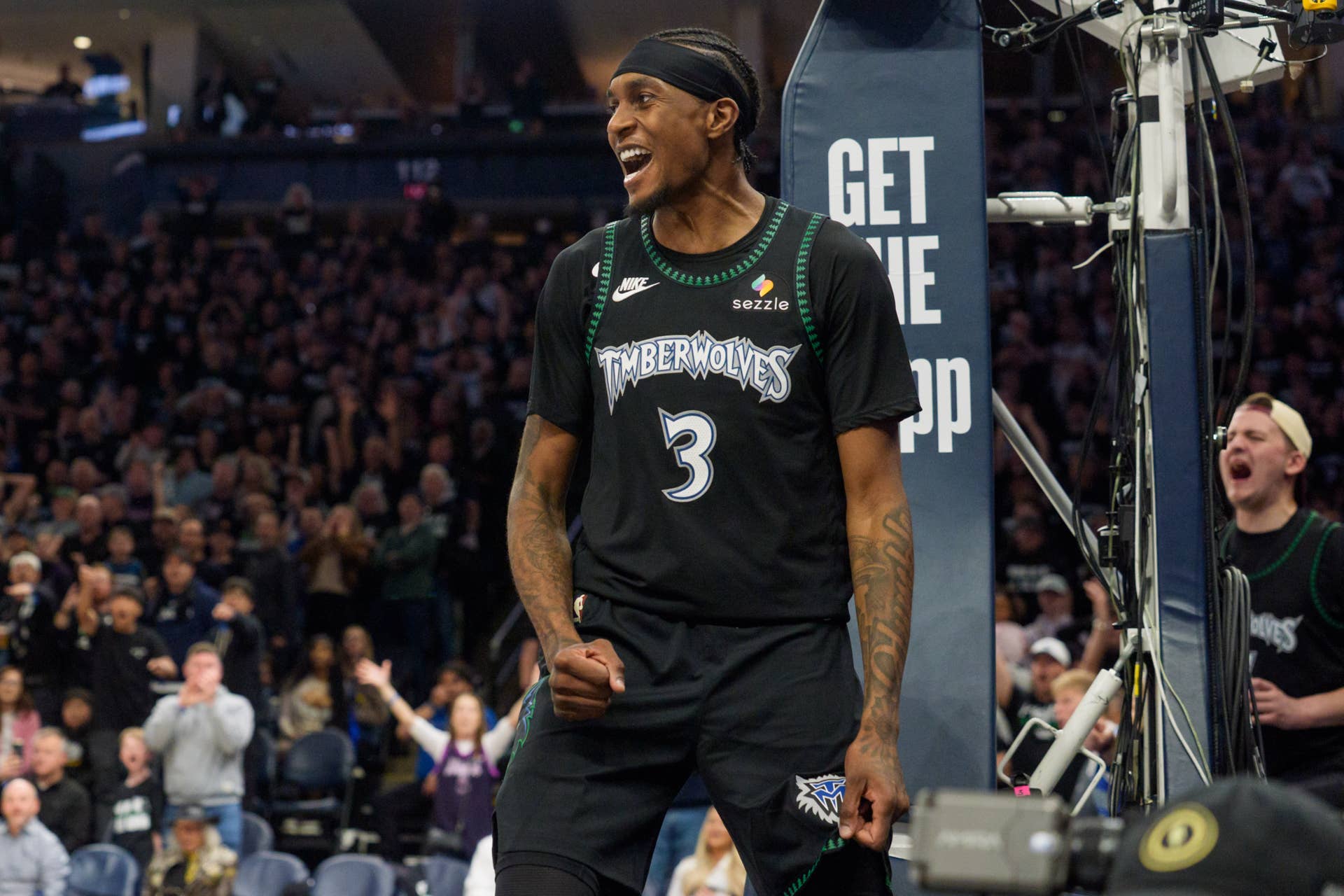
McDaniels' next step is not simply scoring 20 points more often. Minnesota needs him to remain available, defend elite wings and keep its offense moving when opponents overload Edwards or pressure Ball. The useful indicators will be catch-and-shoot volume, decisions after closeouts, turnovers under pressure and whether his defense holds up as his offensive responsibilities expand.
His workload could be demanding. Against Western Conference contenders, McDaniels may chase quick guards through screens, switch onto bigger forwards and still sprint into open space for the next offensive possession. That two-way assignment is why the Wolves value him. It is also why a smooth jump in scoring cannot be assumed.
The financial calculation grows more complicated around Edwards and Ball. If McDaniels' $40 million salary eventually represents roughly one-fifth of the cap, Minnesota will need dependable low-cost contributors around its core. Draft development, bench depth and injury management will determine whether the extension looks smart. The percentage itself remains a projection, not a fixed future figure.
There are promising signs: improved outside shooting, an established defensive reputation and a new passer capable of creating easier looks. But one hot preseason and one strong shooting year do not settle questions about consistency. Minnesota must show that its new combination of creators and defenders works against opponents who can adjust over a playoff series.
The first regular-season test arrives Wednesday, October 21, at Miami. That game cannot decide whether a contract running through 2030 is wise, but it will begin to show how Chris Finch shares responsibility among Edwards, Ball and McDaniels.
The verdict: Minnesota's one-year, $40 million addition is neither a straightforward overpay nor a guaranteed steal. It gives the Wolves a longer window to develop a valuable defender beside two ball-dominant stars, while giving McDaniels a potential path to an even larger contract if his offense keeps rising. The next two seasons will decide whether the $56 million possibility is realistic or merely a clever negotiating option.
The real story is less about the headline salary than the fit. If Edwards and Ball create cleaner looks and McDaniels maintains his defensive edge, Minnesota may have secured one of the league's more difficult two-way roles at a price that makes sense in the cap environment of 2030.



















