

Leclerc Sweeps Mexico Friday — Hamilton Stops, Verstappen and Lawson Clash
GOATIFYCharles Leclerc made the loudest statement of Formula 1's first day in Mexico City, topping both Friday practice sessions for Ferrari and ending FP2 just 0.103 seconds ahead of Lando Norris. But a headline that looks like a clean Ferrari success hides a far messier afternoon: Lewis Hamilton lost power and stopped on track, while Max Verstappen and Liam Lawson made contact in a fight through the stadium section that interrupted running.
With George Russell only 0.003 seconds behind Norris and championship leader Kimi Antonelli also inside the top four, the top of the order looks much tighter than Ferrari's double session win suggests. Mexico's altitude, traffic and unusually disrupted practice programme have produced a fascinating qualifying setup, not a reliable prediction of Sunday's winner.
Leclerc's Friday Sweep Was Fast — But It Wasn't Comfortable
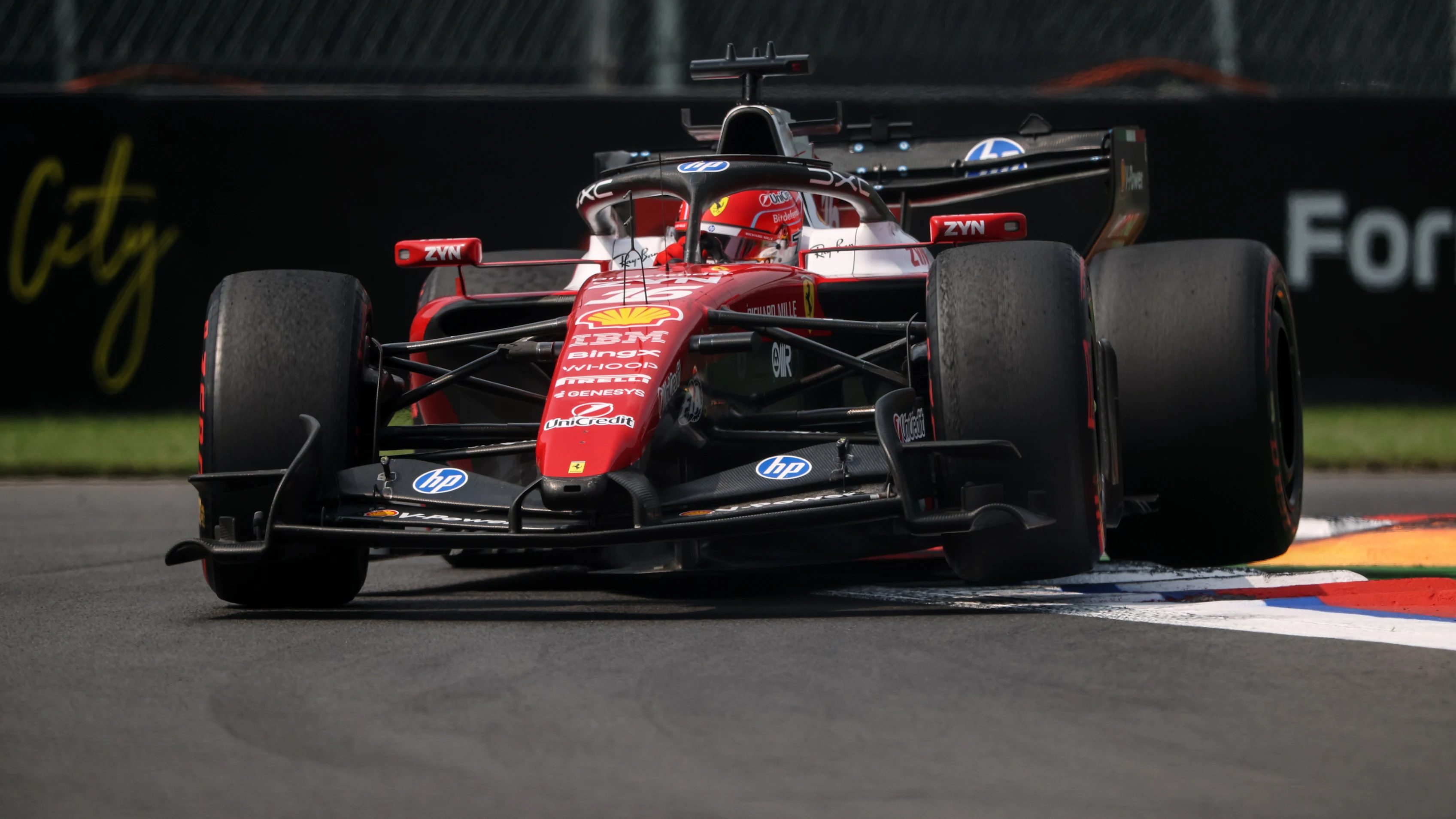
Leclerc's advantage in the opening session was emphatic. His 1m 18.128s in FP1 beat Antonelli by 0.659 seconds, with Mercedes reserve Fred Vesti third while George Russell sat out the hour. That result made Ferrari look particularly comfortable on a dusty circuit where several drivers were struggling for grip. The context matters, though: ten teams gave young drivers a session, and only Ferrari kept both of its regular race drivers in the cars. Leclerc and Hamilton therefore enjoyed a more continuous start to the weekend than most of the grid.
The second session was a more revealing comparison because the regular drivers returned and the track had developed. Leclerc lowered the benchmark to 1m 17.827s, an improvement of 0.301 seconds on his own FP1 best. The apparent cushion vanished: Norris was only 0.103 seconds behind, Russell 0.106, Antonelli 0.217 and Verstappen 0.311. Five drivers from four teams ended up separated by barely three tenths. Ferrari can celebrate being fastest twice, but nobody should mistake the narrow FP2 gap for a dominant race car.
Even Leclerc's fastest afternoon came with reminders of how easily Mexico can bite. He had to catch a dramatic snap early in the session, then struggled with lock-ups and a wide moment while trying to extract more from the soft compound. Those mistakes did not prevent him from reclaiming the top spot after Norris briefly led, but they suggest the decisive lap on Saturday may be the one that stays clean rather than the one that looks spectacular in the first two sectors.
The Autódromo Hermanos Rodríguez sits more than two kilometres above sea level, where thinner air changes the aerodynamic and cooling compromises teams must make. Reduced air density can make a car feel nervous in corners even as straight-line speeds rise. The rubbered-in track, tyre preparation and evolving grip all make Friday comparisons provisional. Leclerc has proved Ferrari can find a single fast lap here. The unanswered question is whether it can repeat that precision when qualifying traffic and tyre temperature become unforgiving.

Norris, Russell and Antonelli Turn Ferrari's Advantage Into a Four-Team Fight
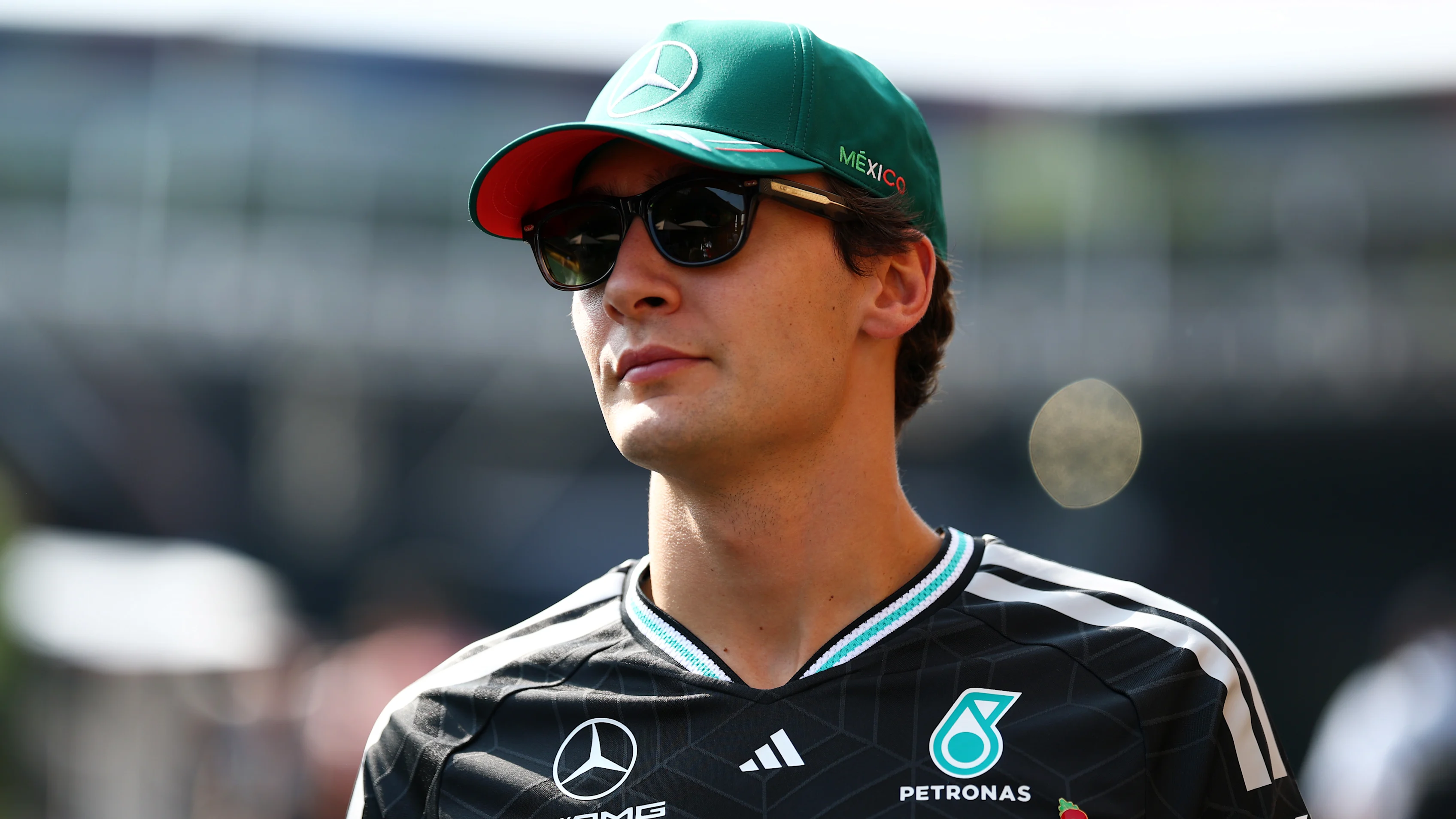
Norris briefly displaced Leclerc at the top of FP2, showing McLaren could generate competitive peak grip once its regular driver had a full hour in the car. His final deficit of just over a tenth is small enough to be overturned by a minor change in track conditions or one better exit onto the long straight. It also came after a disrupted preparation: reigning Formula 2 champion Leonardo Fornaroli had driven Norris's McLaren in FP1, leaving the Briton with one fewer session to refine his own balance.
Russell's story was similar. Mercedes put Fred Vesti in his car for the first practice, then Russell returned and went third in FP2, only three thousandths behind Norris. That is not a meaningful performance separation; it is effectively a tie in a sport where one slightly compromised corner can cost much more. Antonelli, who had already run FP1 and was recovering from illness that kept him out of Thursday's media commitments, finished fourth. The Mercedes pair therefore arrived at the same end of the timing sheet by different routes.
The championship adds another layer. Antonelli came to Mexico with a 123-point lead over Russell and the chance to secure his first drivers' title on Sunday. Ninth place or better would be sufficient regardless of what his rivals do, provided the published points situation remains unchanged. That makes his weekend fundamentally different from those of Norris and Leclerc. He does not need to chase an improbable risk for a few extra hundredths; he needs to protect a result that would settle the title with races still remaining.
Russell, meanwhile, has the freedom to attack for pole and victory even as the championship mathematics heavily favour his teammate. Norris is chasing a result for McLaren, which has not enjoyed the same championship position it held during its successful 2025 campaign. Oscar Piastri finished only tenth in FP2, another reminder that two cars from the same garage can experience Mexico differently. Saturday will reveal whether the tightly packed leading group reflects genuine equal pace or merely the way each team scheduled its runs.
The first sector rewards confidence under heavy braking after the long straight; the stadium section asks for precision and traction as the car rotates through slower corners. A driver who has been fast on Friday but cannot bring the soft tyres into the ideal window for a single timed lap may quickly slide from the front row to the middle of the top ten. Ferrari has the benchmark, but the challengers are close enough to make qualifying a contest rather than a procession.
Hamilton's Sudden Power Loss Spoils Ferrari's Perfect Friday
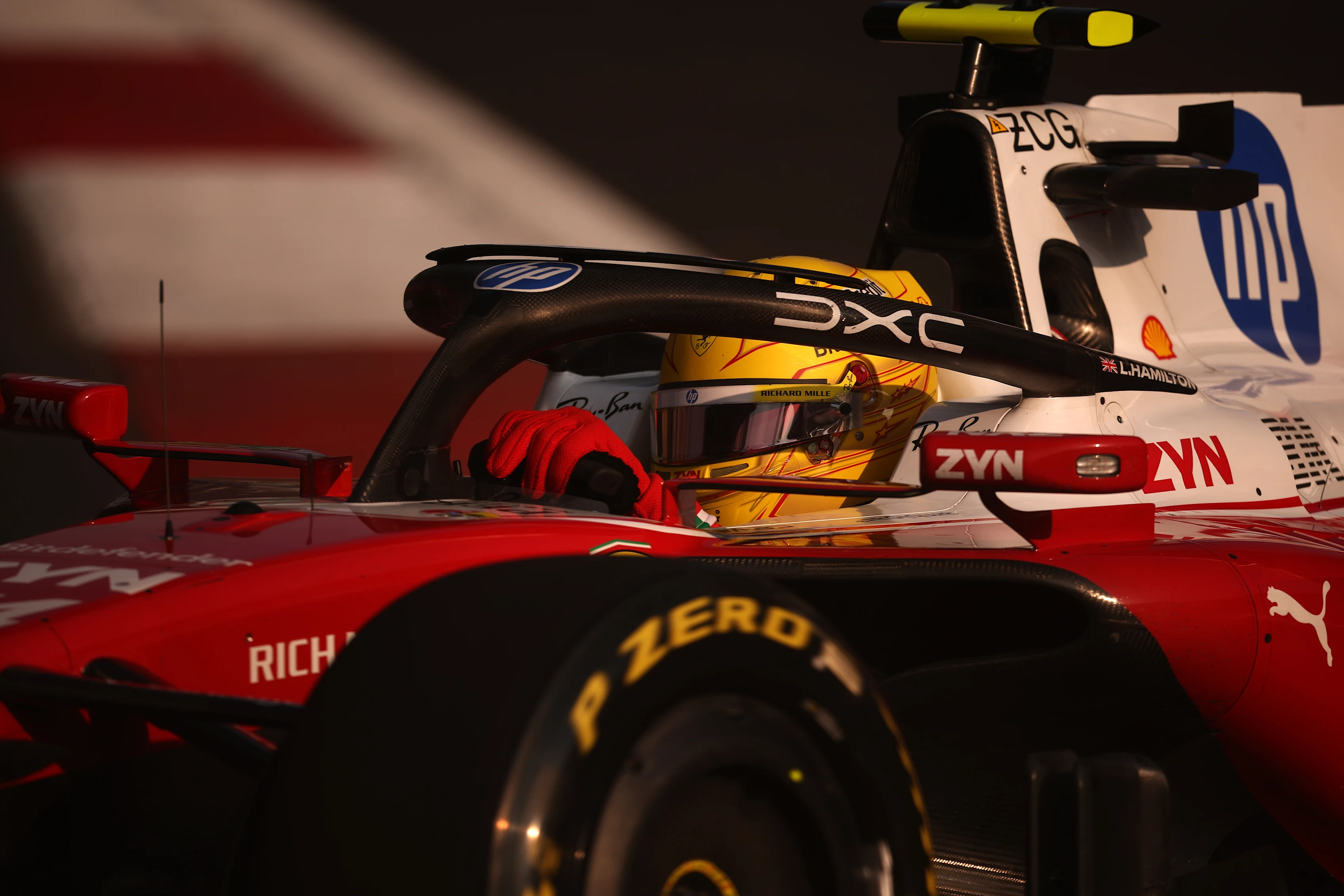
Ferrari's fastest lap came with a substantial warning attached. Hamilton had been quick enough to lead the early FP2 running on a 1m 18.741s, but his session ended after the team told him to stop the car. His radio described a loss of power from Turn 13, and race control deployed a Virtual Safety Car while the stranded Ferrari was dealt with. He finished outside the top ten, in eleventh, without completing the same late-session programme as the drivers ahead of him.
It is tempting to label the incident an engine failure, but the evidence available immediately after practice does not establish the precise cause. A power loss could arise from several systems, and the distinction matters when evaluating whether Ferrari has a repeatable reliability problem or an isolated interruption. The team must examine the data and inspect the car before deciding whether any component changes are required. Until that work is complete, a definitive mechanical diagnosis would be speculation.
The sporting cost is clearer. Hamilton lost the opportunity to complete a normal set of late soft-tyre laps and gather the long-run information that teams use to compare degradation and balance. Leclerc's car demonstrated speed, but that does not automatically answer Hamilton's setup questions. The two Ferraris can share technical information, yet driver preferences, tyre warm-up and individual car behaviour still determine how much of a teammate's lap can be translated into performance.
Hamilton's interruption was not the only technical issue of the afternoon. Esteban Ocon reported an absence of power steering in the Haas on his early installation laps, while Oliver Bearman briefly pulled over before continuing. Audi also had to recover from a troubled FP1 debut for Freddie Slater, when a cooling fan was left attached to the car, and Gabriel Bortoleto's running in the second session was limited after further preparation work. Those incidents underline the compressed operational challenge of a weekend in which teams are sharing practice time with rookies and adjusting to unusual conditions.
For Ferrari, the immediate priority is simple: get Hamilton's car healthy and establish whether the same performance window that Leclerc found is available to both drivers. A strong Friday is valuable, but the real prize is a reliable pair of cars that can qualify well and finish the 71-lap race. One Ferrari at the top and the other parked beside the circuit is a split result, not the clean sweep the headline initially promises.

Verstappen and Lawson Clash as Mexico's Tight Margins Raise the Stakes
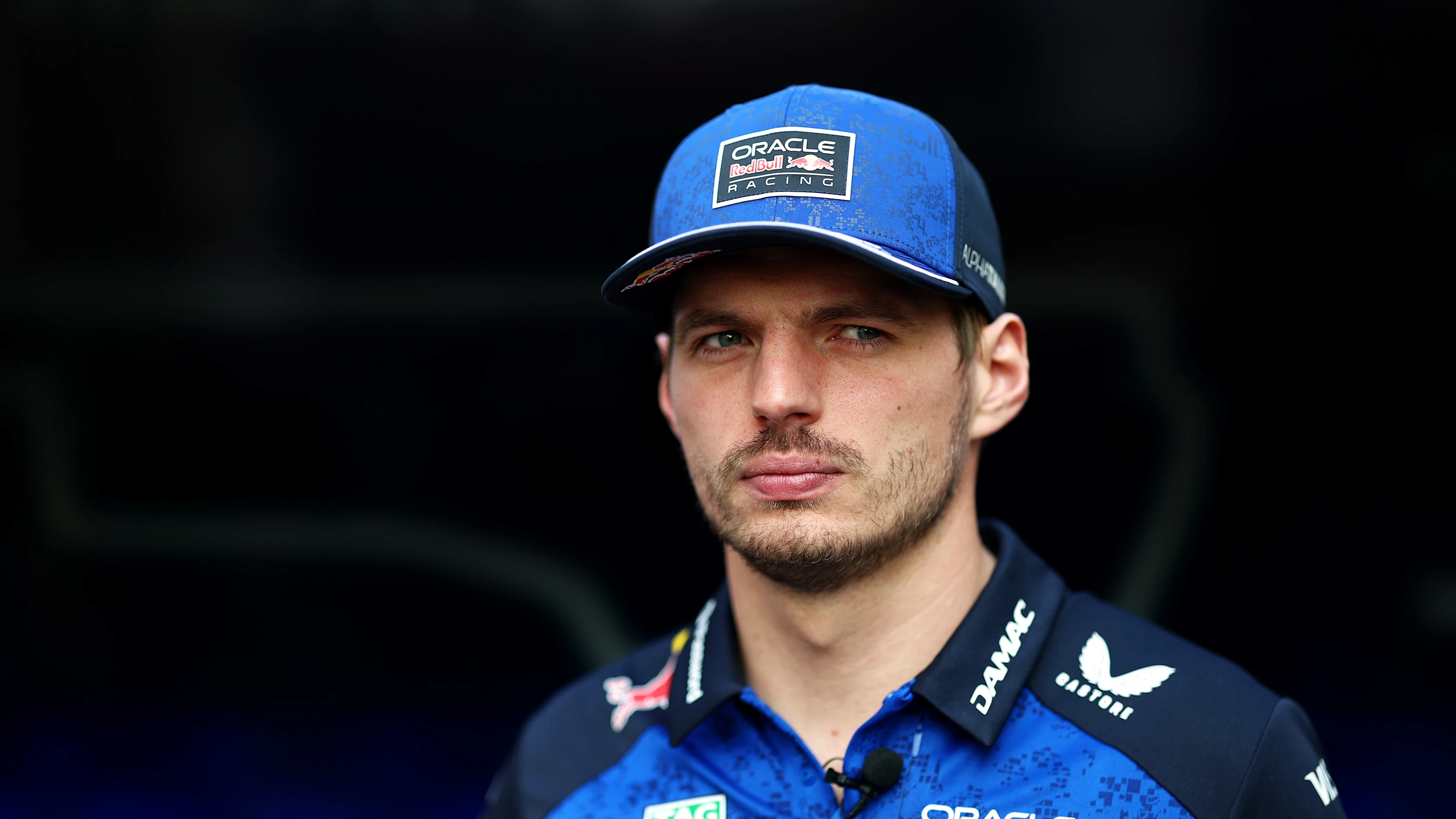
Max Verstappen's Friday was interrupted by a confrontation that had nothing to do with the stopwatch. While running behind Carlos Sainz, the Red Bull driver and Liam Lawson came through Turn 12 side by side. Neither yielded enough space to avoid contact, debris was scattered and the session was briefly red-flagged. Lawson complained over the radio that Verstappen had driven into him. The stewards noted the incident, but a driver's immediate account is not a final ruling on responsibility.
That distinction is important. Practice collisions can look trivial compared with race-day contact, yet they can remove precious running time and create repair work on a weekend where every minute is needed to understand the tyres. Verstappen eventually resumed and placed fifth, 0.311 seconds behind Leclerc. Lawson ended ninth, while Red Bull teammate Isack Hadjar finished sixth. The pace suggests the Red Bull family has competitive machinery, but the messy episode was hardly ideal preparation for a high-pressure Saturday.
Verstappen also has a history of performing exceptionally well at this circuit, with five Mexican Grand Prix victories before the 2026 event. Experience in the stadium section and under heavy braking could matter when the field compresses in qualifying. Still, history cannot manufacture grip or erase the fact that Ferrari, McLaren and Mercedes all posted faster FP2 laps. If Verstappen wants to challenge for pole, Red Bull must find a little more on the soft tyre without sacrificing the stability needed to get through the twisty final sector.
The incident adds intrigue because Lawson races for Racing Bulls, a separate team within the same wider Red Bull ownership structure. That relationship does not remove the obligation for both drivers to leave appropriate room, and it certainly does not guarantee a quiet radio exchange. Any subsequent stewarding decision should be judged on the actual driving rather than assumptions about team affiliation. For now, the confirmed facts are the contact, debris, interruption and continuation of the session.
Saturday's final practice begins at 11:30 a.m. local time, with qualifying scheduled for 3 p.m.; Sunday's Grand Prix starts at 2 p.m. over 71 laps. Teams will have to choose how much to chase one-lap speed versus protecting the tyres and cooling systems for race distance. Leclerc owns the Friday headline, Hamilton needs answers, Antonelli can clinch the championship and Verstappen has a point to prove. The margin between a perfect weekend and an expensive mistake is already looking very small.

Leclerc leaves Friday with the fastest time in both sessions and a genuine chance to put Ferrari on pole. Yet the timing sheet is far from settled: Norris, Russell, Antonelli and Verstappen were all within 0.311 seconds in FP2, while Hamilton's stoppage prevented a complete Ferrari comparison. A tenth gained or lost through the stadium could change the front of the grid.
The next meaningful verdict comes in qualifying, not in the practice headline. Ferrari must turn its pace into reliability, Mercedes must balance Antonelli's title opportunity with Russell's ambition, McLaren needs a clean lap from Norris, and Red Bull must put the Verstappen-Lawson disruption behind it. Mexico has supplied the ingredients for a tense weekend without revealing which team has the winning recipe.
There is another reason to resist drawing a final ranking from Friday. The teams did not all run the same programmes, and several leading drivers had to surrender FP1 seats to rookies. That leaves uneven samples for tyre comparisons and setup decisions. Mexico's thin air also makes the trade-off between cooling and aerodynamic performance unusually delicate. A car that looks brilliant over one lap may still need a different compromise to protect temperatures over a race stint. Leclerc's pace is the strongest evidence of Ferrari's qualifying potential; it is not proof of a superior Sunday package. The final practice session should help separate genuine speed from the effects of run plans, track evolution and interruptions.

















