

The Sparks Could Cost $750M. The Rebuild Is Still Unfinished.
GOATIFYA WNBA franchise can be worth a historic sum and still have a serious problem on the basketball court. That is the contradiction surrounding the Los Angeles Sparks as billionaire investors José E. Feliciano and Kwanza Jones reportedly approach a $750 million agreement to buy the team from majority owner Mark Walter. The proposed price would set a new league record. Yet it would not erase a 16–28 season, six straight missed playoffs or a leadership structure that has already undergone a sweeping reset.
The reported transaction is not a completed sale. Terms, approvals, any treatment of existing minority interests and the final ownership structure still matter. But the figure alone is revealing. It suggests buyers are pricing the Sparks less like a struggling sports operation and more like a scarce, long-duration Los Angeles media and entertainment property with enormous upside.
For supporters, valuation is exciting only if it translates into an organization that can scout better, develop players, keep a coach long enough to establish an identity and eventually win. The Sparks already have a major practice facility on the horizon and young talent worth building around. Their central question has not changed: Can a growing commercial machine become a credible basketball team?
The $750 million price is a statement, not a completed sale
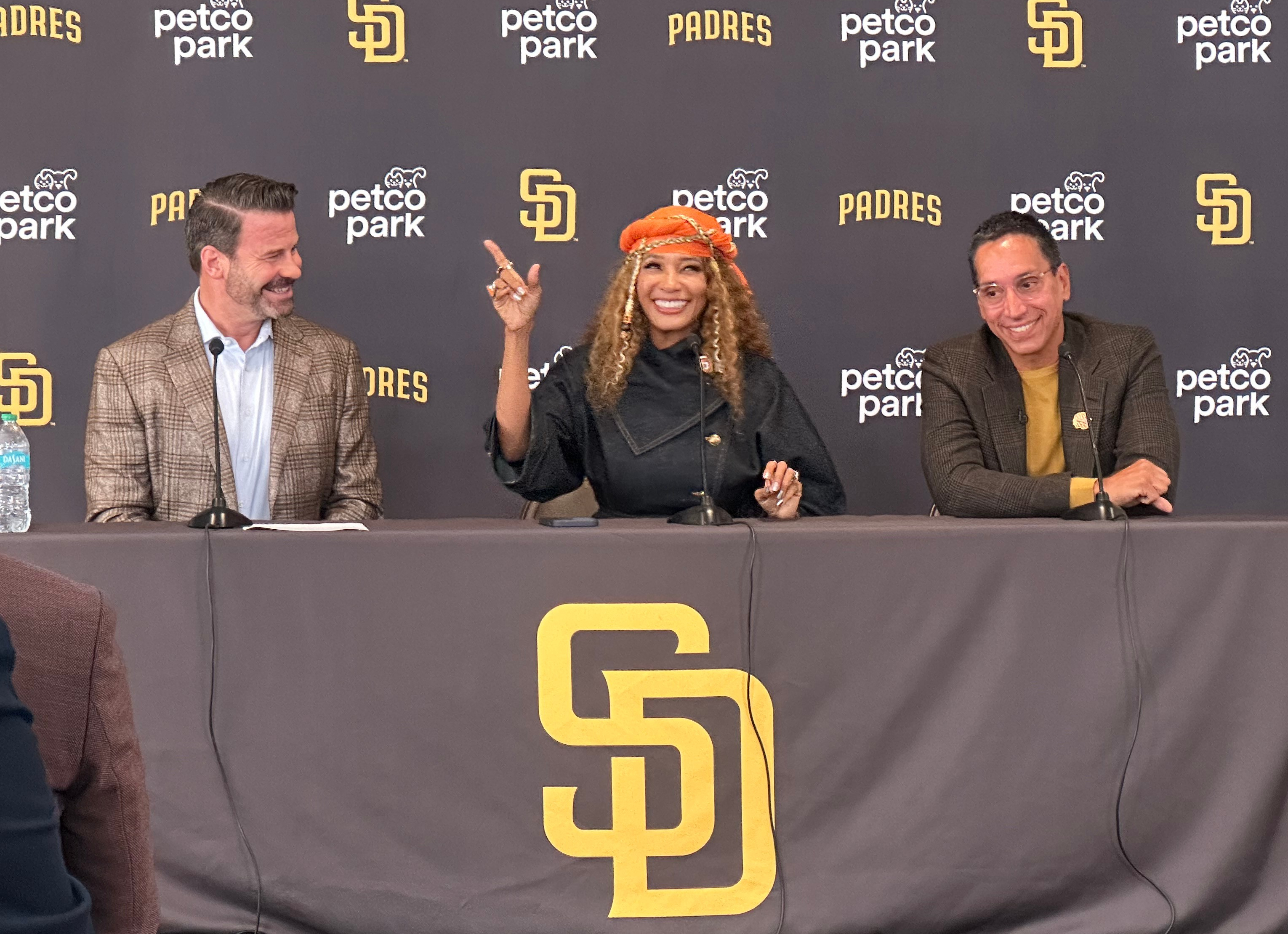
At $750 million, the reported Sparks transaction would be two and a half times the $300 million benchmark associated with the Connecticut Sun's 2026 change of ownership. That comparison is dramatic, but it is not quite a like-for-like ranking of basketball operations. The Sparks occupy one of the largest media markets in North America, carry a long-established name and have an expensive training complex in development. Each can affect what a buyer is willing to pay, even before a competitive turnaround begins.
The proposed buyers are not arriving from outside major sports. Feliciano, a co-founder of Clearlake Capital, and Jones acquired the San Diego Padres in a reported $3.9 billion transaction earlier this year. They have also been identified as minority investors in the Minnesota Timberwolves. Familiarity with the economics of premium franchises can help with capital planning, sponsorship negotiations and relationships with major partners. It cannot substitute for expertise in the distinct roster and labor rules of the WNBA.
The transaction remains a reported agreement in advanced talks rather than a finished transfer. The Sparks and league will still have to work through the details that turn a headline price into an ownership change. There are existing minority stakeholders, and publicly available reports have not established every aspect of how their interests would be treated. Any final structure and required league approvals should be judged when formally announced, not assumed from the amount circulating today.
A buyer can also be optimistic about the WNBA's audience growth while accepting near-term operating uncertainty. Franchise value reflects expectations about future media rights, sponsorship inventory, premium experiences and the scarcity of available teams. Those expectations can justify large multiples without implying that current annual revenue, profit or cash flow equals the headline purchase price. Treating a valuation as money newly available for player development would be a category mistake.
GOATIFY
GOATIFY WNBA
Explore WNBA fan apparel while the Sparks' record-setting sale discussions unfold.

Caitlin Clark G.O.A.T. - Greatest of All Sticker
Add basketball personality to your favourite gear.
Shop Now ↗
Caitlin Clark Golden Goose - Women's Sweatshirt
A basketball fan design for everyday wear.
Shop Now ↗

BALLERina Girl's Basketball Ballet Air Sticker
Add basketball personality to your favourite gear.
Shop Now ↗

BALLERina Girl's Basketball Ballet Air Sticker
Add basketball personality to your favourite gear.
Shop Now ↗For Los Angeles, the important consequence is the potential change in governance. A clear decision-making chain between ownership, president, general manager and coach can help a club stop changing direction after every disappointing season. A new owner has the opportunity to demand a coherent plan and pay for the support system behind it. The opportunity exists only if the eventual owner values basketball competence as much as brand value.
There is a useful test for the excitement: if fans stopped looking at the sale figure tomorrow, what change would they notice about the way this club operates? Faster coaching decisions, more coherent development and consistent roster priorities would all count. Merely having a record sale to celebrate would not.
A $150 million facility can change the foundation, not the standings

The proposed sale comes with an unusually substantial piece of infrastructure. Reports say the Sparks' new practice facility, built at a reported cost of about $150 million, is expected to open in 2027 and could be included in the transaction. That detail matters to a valuation analyst because a buyer may be acquiring more than the team name and competition rights. It matters to players for a different reason: daily conditions shape how much work can happen between games.
An elite building cannot make the correct read on a late switch, but it can make professional preparation more repeatable. Dedicated courts, strength and rehabilitation areas, film rooms and performance support remove the friction of sharing or improvising space. Over many months those advantages matter in a way that one splashy unveiling does not. They can help a younger roster progress and allow veterans to manage training load with fewer compromises.
The distinction between capital expense and basketball output is crucial. A facility costing $150 million is not proof of $150 million in additional player development. It is a resource that must be staffed, scheduled and used intelligently. A club that keeps changing coaches, terminology and development philosophies can waste the potential of superb infrastructure just as a poorly organized team can waste an expensive roster.
There is also a timing issue. An expected 2027 opening should not be sold as a completed advantage for the entire coming season. Construction, operational readiness and the actual start date are different milestones. Management should set realistic performance expectations while the building comes online. For someone arriving through the draft, the value will be found in the consistent quality of coaching and support rather than the marketing photographs.
This is an area where a new owner can influence competition without demanding instant wins. Hiring enough people to coach individual skills, analyze opponents, plan rehabilitation and coordinate player workloads gives the roster a chance to develop a durable identity. It is an investment in institutional capability rather than a promise that the latest equipment will transform a losing record overnight.
Supporters should pay attention to the people filling the new facility, not just the architecture. Who oversees shooting development? How does the medical and performance staff communicate with the coach? Are the team's younger players given measurable objectives and meaningful minutes to meet them? Those answers will tell far more about the next phase of the Sparks than the size of an exterior wall logo.
GOATIFY
GOATIFY WNBA
A world-class training center deserves the same ambition on the court; see GOATIFY WNBA fan picks.


Caitlin Clark G.O.A.T. - Greatest of All Hoodie
A basketball fan design for everyday wear.
Shop Now ↗


Caitlin Clark G.O.A.T. - Greatest of All Sweatshirt
A basketball fan design for everyday wear.
Shop Now ↗
BALLERina Girl's Basketball Ballet Air Mug
Add basketball personality to your coffee break.
Shop Now ↗The 16–28 record explains why the front office cannot coast
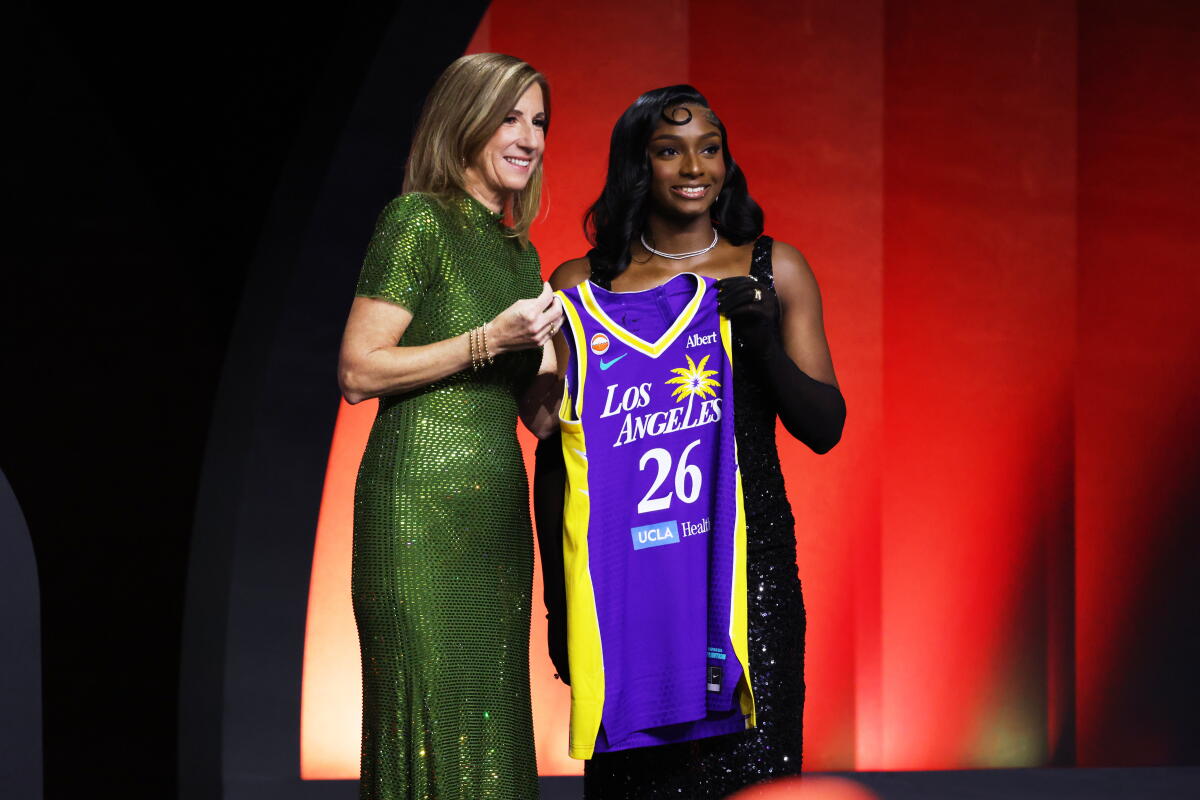
The most stubborn number in this story is not the prospective purchase price. It is 16–28, the Sparks' record in 2026, and the sixth consecutive season they failed to qualify for the playoffs. A record that poor is not explained by a single tactical error or an unfortunate week. It reflects a larger challenge: constructing a roster with complementary skills, settling on a workable system and remaining competitive for an entire season.
That context explains why the organizational turnover matters. President Stacy Johns arrived shortly before the 2026 season. General manager Raegan Pebley was dismissed during the summer, with Ariana Andonian later taking over the position. Coach Lynne Roberts was removed after the campaign, leaving an important vacancy to fill. A new ownership group would inherit people already trying to remake the operation, not a stable contender awaiting a larger check.
The job is complicated by major roster changes. Kelsey Plum was moved during the season for a return reported to include Monique Akoa Makani and future draft assets. Every trade of an established guard changes offensive responsibilities, ball-handling pressure and which lineups the team can realistically deploy. Even a favorable trade on paper requires a coherent plan for replacing lost creation and integrating the players who remain.
Cameron Brink, Rickea Jackson and Dearica Hamby are recognizable pieces of the recent Sparks picture, but it would be premature to declare any exact 2027 rotation before the offseason is settled. Prospect development, fit, health and contract decisions will determine who can form a dependable core. Raw talent is less useful when the guards, wings and bigs do not solve each other's weaknesses at either end.
The coaching search may be the single most consequential decision still to make. A prospective coach needs more than a famous name or an aggressive sales pitch. The roster has to support the preferred style, and the general manager must be committed to finding players whose defensive habits and offensive skills fit that approach. If those two positions pull in different directions, a new building simply becomes a nicer setting for the same mistakes.
Draft capital can create options but should not be treated as guaranteed rescue. An early pick can be a cornerstone, a rotation contributor or a long development project. More selections increase the number of decisions the front office must get right. Scouting, player interviews and development planning should start well before the announcement of any draft name.
The club must also decide how to evaluate progress fairly. Fewer empty possessions, better transition defense and a more stable rotation are meaningful signs even before a playoff berth arrives. They would show a team becoming capable of repeating sound decisions. The Sparks have had plenty of big announcements; their next season needs small improvements that persist from game to game.
What the next ownership group must prove before 2027

The cleanest way to judge the prospective owners is to separate the things a buyer can control from the things it cannot. They can provide financial support, establish a clear chain of authority, approve professional staffing and decide how patient to be during a rebuild. They cannot personally defend the rim, make a young player's jump shot reliable or guarantee that a draft prospect becomes a star.
GOATIFY
GOATIFY WNBA
Los Angeles is reshaping its roster and its future. Browse WNBA-inspired designs.

Caitlin Clark Golden Goose - WNBA Indiana Hoodie
A basketball fan design for everyday wear.
Shop Now ↗


Caitlin Clark Golden Goose - WNBA Indiana Sticker
Add basketball personality to your favourite gear.
Shop Now ↗
BALLERina Girl's Basketball Ballet Air Mug
Add basketball personality to your coffee break.
Shop Now ↗First is organizational continuity. The Sparks have already made enough leadership changes to create uncertainty for anyone trying to join the franchise. The next coach should understand who controls roster decisions and what success will mean in year one. A club can demand effort and disciplined execution without setting an unrealistic deadline for immediate contention. That is not an excuse for another lost season; it is a way to prevent short-term panic from destroying a longer plan.
Second is a transparent roster strategy. Supporters should be able to recognize whether Los Angeles is building around its young players, pursuing an accelerated return to the playoffs or trying to combine both. Each approach has costs. Chasing every available veteran can crowd out player development, while treating every defeat as acceptable rebuilding can damage standards. The team needs an honest hierarchy of priorities.
Third is the transition into the new practice facility. It should be accompanied by operational goals: consistent access for players, stronger player-care programs, specialist development coaching and disciplined performance tracking. Announcing additional resources is easy. Connecting them to improved preparation is the serious work. A well-resourced WNBA franchise should be capable of offering professional conditions comparable to the ambitions it advertises.
Fourth is communication with a loyal fan base that has endured six straight missed postseasons. A new owner does not need to make theatrical promises. Clear updates on coaching, facilities and roster objectives would be more credible than claiming the size of the sale makes Los Angeles a contender. Fans can respect a difficult rebuild when the people in charge explain the decisions and follow through.
There are commercial responsibilities, too. Los Angeles can be one of the league's most attractive markets for sponsors, partners and national attention. That potential creates an obligation to invest in game-day experiences and make the club visible without treating supporters as merely another revenue line. Better engagement should help sustain the basketball program, not distract from it.
Finally, nothing should be discussed as if the sale has already closed. Reported talks can change, approvals take time and the final transaction may differ from early accounts. The Sparks need to continue the hiring and roster work within the governance they have today. A 2027 season cannot be prepared retroactively once legal paperwork is complete.
When the next season begins, the most persuasive sign of a new era will not be a record valuation on a graphic. It will be an identifiable style, better organization and a roster that knows what it is trying to become. The reported buyers may eventually provide the conditions for that transformation. They still have to earn the result.
A reported $750 million sale says that investors see enormous value in the Sparks and in the WNBA's future. It does not resolve who will coach Los Angeles, how the roster will fit together or what happens when a close fourth quarter turns against them. The distinction matters because the franchise has a rare combination of major market appeal, infrastructure investment and disappointing recent results.
If the Feliciano–Jones deal reaches completion, the first useful question will not be whether the purchase shattered a record; it will be whether the basketball decisions finally align. Until then, Los Angeles has an unfinished offseason and a fan base waiting for a team worth more than its asking price. The scoreboard will be the last and hardest part of that turnaround.
GOATIFY
GOATIFY WNBA
Explore the full GOATIFY WNBA fan collection before the next season.


BALLERina Girl's Basketball Ballet Air Sweatshirt
A basketball fan design for everyday wear.
Shop Now ↗BALLERina Girl's Basketball Ballet Air Sticker
Add basketball personality to your favourite gear.
Shop Now ↗
BALLERina Girl's Basketball Ballet Air Sweatshirt
A basketball fan design for everyday wear.
Shop Now ↗BALLERina Girl's Basketball Ballet Air Sticker
Add basketball personality to your favourite gear.
Shop Now ↗















