

Tank Named Kambosos for Chicago. The Fight Still Isn't Official.
GOATIFYGervonta Davis has supplied a name, a city and a season for his return. He says George Kambosos Jr is the opponent, Chicago is the destination and February or March 2027 is the intended window. That is enough to restart the conversation about one of boxing's biggest draws. It is not enough to treat the matchup as a signed fight.
The announcement came through Davis's social accounts, with a proposed fight graphic also circulating. As of the November 16 reports, Premier Boxing Champions had not confirmed a date, venue, division, broadcaster or finalized event. Kambosos had acknowledged negotiations, but discussions and a social-media poster are not the same thing as an executed agreement. The distinction matters because both men have been away from meaningful ring competition for an unusually long stretch.
Davis has not boxed since the contentious majority draw with Lamont Roach Jr in March 2025. Kambosos has not returned since Richardson Hitchins stopped him in June 2025. Their reputations remain recognizable, but their current form is harder to evaluate than a headline implies. The proposed contest is compelling precisely because it combines commercial star power with unanswered sporting questions. We can assess the matchup now without pretending all of its moving parts have already been settled.
Davis has named an opponent; the missing details still matter
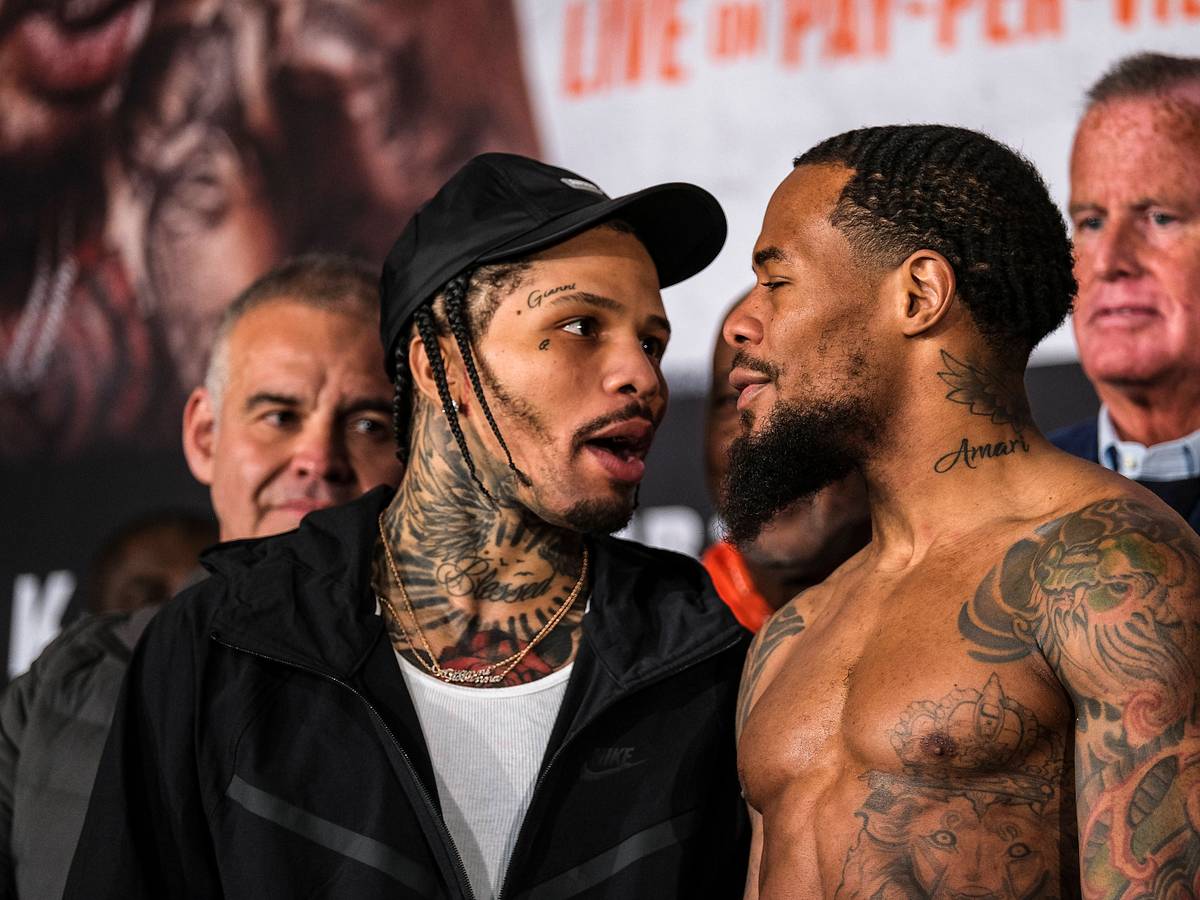
The central fact is simple: Davis has publicly pointed to Kambosos as his next opponent and has named Chicago as the intended city. He floated February or March 2027, while a graphic described a spring return. Kambosos had previously acknowledged that the camps were in discussions. Those developments are meaningful because they put a recognizable opponent and approximate timetable behind months of uncertainty. They still stop short of establishing an official fight.
No final date or Chicago venue was named in the November 16 reporting. Premier Boxing Champions had not announced a completed event or confirmed the promotional details. An exact weight limit was also missing, and neither a sanctioning-body title nor any particular broadcaster should be attached to this matchup as a fact. Promoters can spend weeks converting a commercial concept into a signed event. A social-media announcement does not eliminate contractual, medical, licensing and scheduling steps, even when both fighters want the same contest.
That distinction is particularly important for an athlete whose previous return plan did not lead to a bell. Davis had been associated with an exhibition against Jake Paul for November 2025, but it was canceled. Reporting has also described legal proceedings involving allegations against Davis. Allegations are not findings of guilt, and legal developments should not be turned into speculative predictions about the proposed Chicago contest. Their relevance here is narrower: before declaring any event confirmed, audiences need the ordinary hard evidence of a promoter announcement, finalized terms and an actual date.
There is a legitimate story even without those confirmations. Davis has given the public a concrete target, and Kambosos offers a name casual boxing viewers recognize from a major upset. Chicago would be a noteworthy location for a comeback involving an American pay-per-view attraction and an Australian former champion. The promotional logic is obvious. What we should resist is treating enthusiasm as documentation. When the poster arrives before the event announcement, the right headline is about an intended opponent, not a fight that has already been sold and scheduled.
GOATIFY
GOATIFY Boxing
The Davis–Kambosos announcement has boxing fans watching Chicago. Browse GOATIFY boxing gear while the official event details take shape.


For now, watch for four specific updates: an official statement from the organizer, a fixed date and venue, an agreed weight class, and confirmation from both camps that the deal is finalized. Any one of those would make the picture clearer. Until then, the responsible way to discuss Davis versus Kambosos is as a planned or proposed 2027 fight with plausible momentum, not an accomplished booking.
Two fighters, two layoffs—and very different questions to answer

Davis last competed professionally in March 2025. His majority draw with Lamont Roach Jr disrupted the idea that the puncher could always erase a tactical problem with one decisive counter. Roach kept working across the full twelve rounds, and a ninth-round incident in which Davis took a knee without an official knockdown call became central to the controversy. The result was a draw on the scorecards, not a clean win for either man. That distinction matters more than trying to settle an argument that the recorded outcome cannot settle.
Almost two years may separate that fight from Davis's proposed next appearance. A long break does not automatically destroy timing or power, but it makes the old eye test less dependable. Punch recognition, distance judgment and the ability to reset after a missed counter are not fixed career attributes. They are skills fighters repeatedly calibrate against live resistance. Davis will have to show that he can make those reads when an opponent is attacking, clinching, adjusting and refusing to cooperate with an elaborate comeback narrative.
Kambosos carries a different burden. His career-defining win remains the 2021 upset of Teofimo Lopez, a night that demonstrated his ability to enter hostile territory, maintain nerve and exploit an opponent's mistakes. Since then, however, his world-title opportunities have often ended in defeat. Devin Haney beat him twice, Vasiliy Lomachenko stopped him, and Richardson Hitchins ended their June 2025 bout in the eighth round with a body-shot stoppage. Those results do not cancel the Lopez victory. They do explain why one memorable peak should not be mistaken for his present level.
Against Hitchins, Kambosos struggled to establish useful offense against a composed, accurate jab. He kept trying to get inside, but the exchanges were increasingly dictated by the champion. A fighter coming off that type of defeat needs to demonstrate more than courage. He needs a way to enter range without surrendering easy counters, win rounds when his initial attacks do not work, and react to body and head shots without becoming predictable. Those are especially demanding requirements against a counterpuncher with Davis's explosiveness.
The pairing therefore presents two separate tests. For Davis, it is whether ring rust and extended distractions have affected the timing that once made him dangerous while seemingly doing very little. For Kambosos, it is whether a recognizable former champion can rebuild enough form to punish mistakes rather than merely survive for a respectable number of rounds. Neither question has a definitive answer today. Their last completed fights are the evidence we have; the next fight, if confirmed, would supply the evidence we lack.
The 135-pound versus 140-pound choice changes the entire matchup
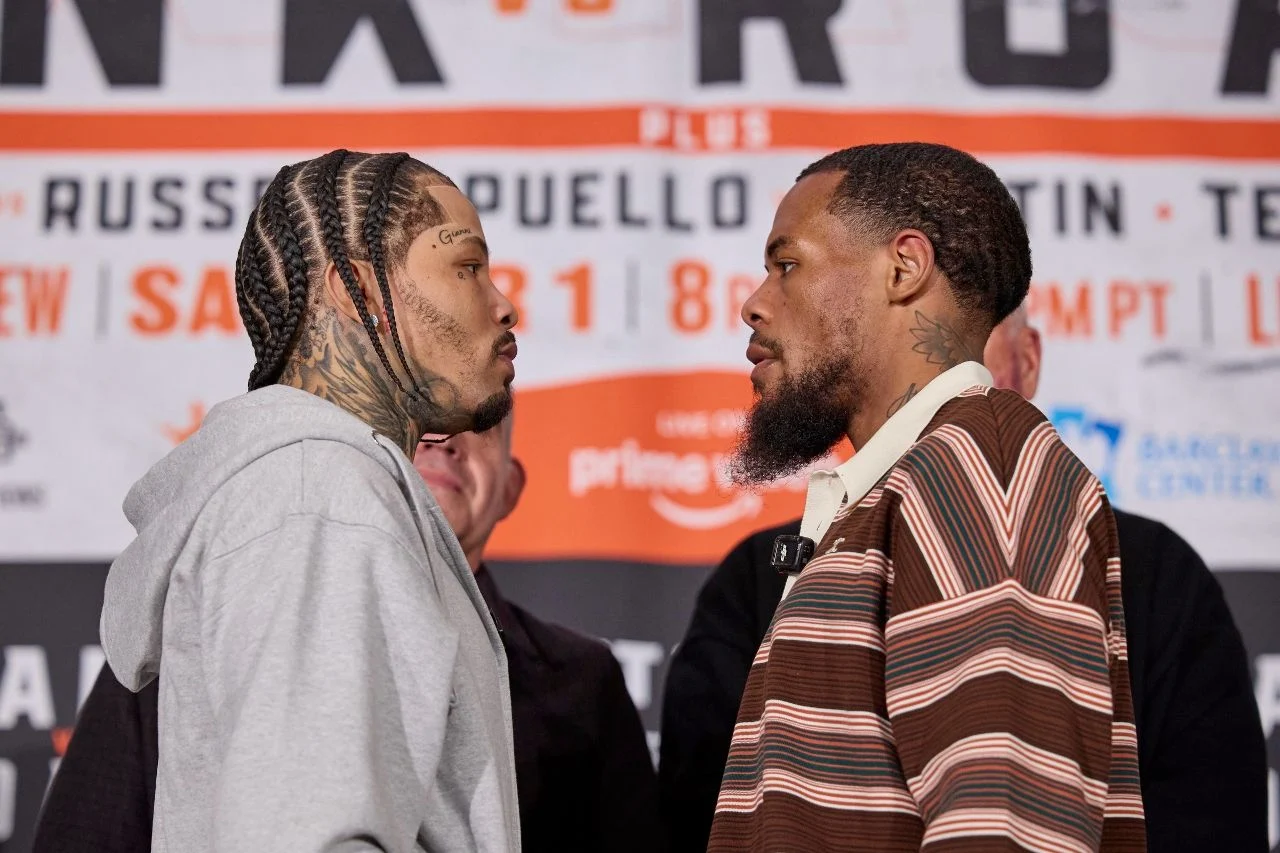
Weight is not a footnote here. Davis made his reputation across the lighter divisions and became a major attraction at lightweight, the 135-pound limit. Kambosos won his landmark titles at that weight, but he most recently challenged Hitchins at junior welterweight, or 140 pounds. The proposed 2027 fight has not been assigned an official weight in the reporting reviewed. That uncertainty changes the tactical forecast far more than a missing fight poster detail.
GOATIFY
GOATIFY Boxing
Two former headliners have real questions to answer after their long layoffs. Explore GOATIFY Boxing shirts, hoodies and fan gifts.
At 135, the basic question is whether Kambosos could comfortably return to a lower limit after competing at 140, and whether such a cut would affect his ability to absorb body work and maintain pace. At 140, the issue shifts toward the amount of physical size Davis is prepared to concede and how his power carries against a fighter accustomed to the higher division. Neither path should be described as agreed. Both could be workable only if the boxers and relevant officials settle the terms and satisfy the necessary requirements.
Technically, Davis is a southpaw who thrives when he can make an opponent commit first, read the line of attack and punish the opening with speed and a heavy left hand. Kambosos operates from an orthodox stance and has historically been most effective when active feet and quick combinations keep his rival resetting. The matchup is not as simple as explosive puncher against pressure fighter. Kambosos would need to score without reaching, control the position of his lead foot and keep a disciplined exit after each exchange. Davis would need to vary his entries instead of waiting indefinitely for a mistake.
The risk for Kambosos is obvious from the Hitchins defeat: if he struggles to solve a sharp lead hand, Davis can make him pay more severely for each overeager step. The risk for Davis is subtler. A long absence might reduce his ability to time repeated movements, allowing Kambosos to bank activity-based rounds even when the cleaner individual punches are coming from Tank. The Roach fight already showed why boxing fans should not assume one finishing punch will necessarily arrive to rescue a slow start.
Championship language requires the same caution as the weight discussion. Davis's WBA status changed during his inactivity, while the lightweight title landscape has shifted. No confirmed world-title stakes have been announced for this proposed contest. A win over a recognizable former champion might improve a contender's commercial position, but it does not by itself restore a belt or guarantee a mandatory position. If this bout happens, it should first be judged as a meaningful comeback fight. Any later title implications need their own announcements, sanctioning decisions and credible opponents.
Winning the comeback would be the beginning, not the conclusion
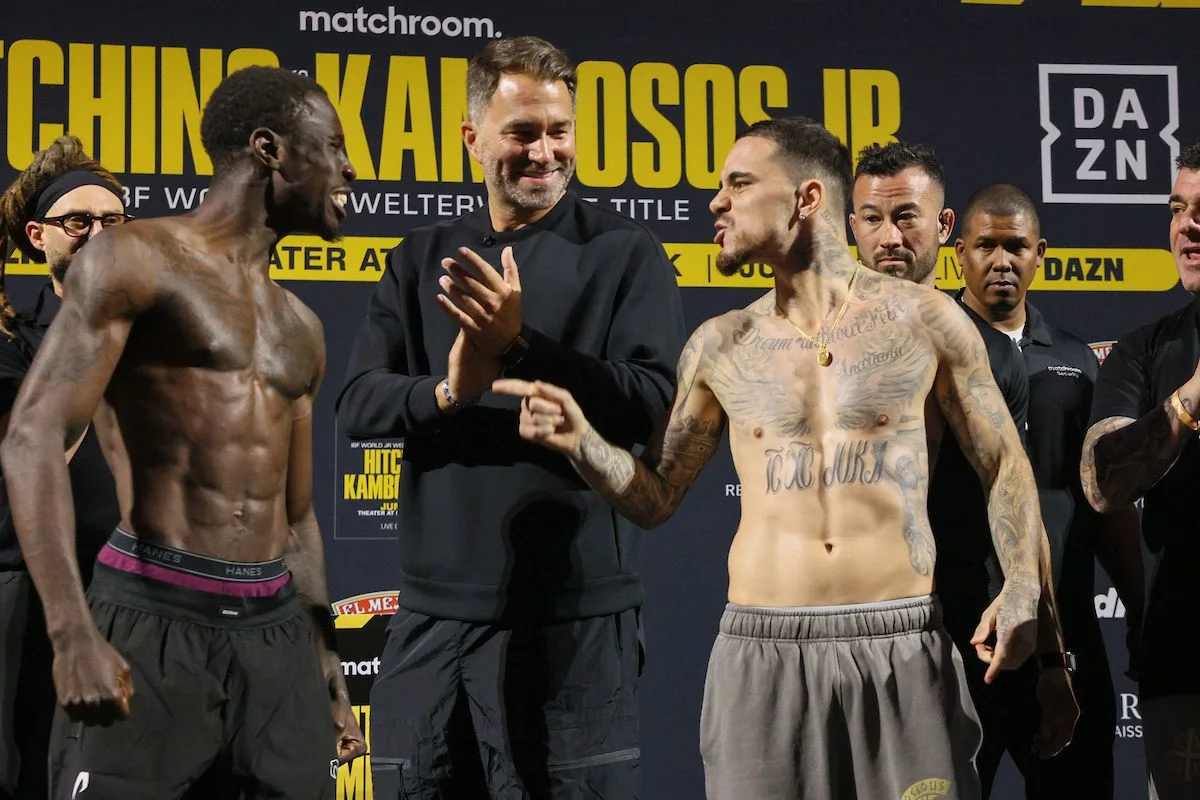
There is an easy way to sell this pairing: one unbeaten American knockout artist, one Australian former unified champion, one big city and a long-awaited return. The more interesting analysis starts after those labels. Davis is unbeaten in the official record, but his last outing was a draw that raised uncomfortable questions about his control of long fights. Kambosos owns an extraordinary upset on his record, but the years since have exposed limitations against elite technicians. A fight can be commercially attractive without being the definitive test of either athlete's ambitions.
For Davis, choosing a recognizable opponent instead of an immediate championship assignment can be defensible after such an extended gap. A return should demonstrate that training translates into performance: sustained conditioning, controlled distance, accurate shot selection and the ability to adapt if the first knockout opportunity never materializes. The worst outcome for his competitive standing would not automatically be a messy victory. It would be a win that looks impressive in a highlight reel while leaving every serious question from the Roach draw unanswered.
GOATIFY
GOATIFY Boxing
Whatever a return victory would mean for both fighters, the next boxing chapter will be closely watched. Discover GOATIFY Boxing essentials.
For Kambosos, the opportunity has two sides. He would receive another major stage and a chance to restore credibility against an opponent who has been inactive for longer than he has. But he also faces the possibility of becoming the famous name on someone else's comeback poster. The Lopez upset was not built on fame; it was built on disciplined pressure, concentration and the willingness to disrupt expectations. He needs some of that practical urgency now, paired with better defensive answers than those displayed in his loss to Hitchins.
A credible Kambosos performance would not necessarily require an upset. Winning rounds with intelligent movement, forcing Davis to work for a full twelve-round schedule and keeping the contest tactically competitive would show that he has repaired elements of his game. Conversely, if he rushes straight into the southpaw's preferred countering distance, the fight could reveal very little beyond a familiar problem. Analysts should look at who controls the lead hand, how often each man exits safely from exchanges, and whether the pace changes after six rounds.
There is also a larger matchmaking issue. The best opponents for a returning star are not chosen solely from a brand-name list; they should create a credible stepping stone toward the division's active elite. If Davis wins decisively, the next demand should be a fight against a boxer with recent high-level form. If Kambosos wins, his path back toward title contention will be dramatic but still requires a sustained run. One comeback night should be treated as fresh evidence, not automatic absolution for everything that happened before it.
Until the agreement is formally confirmed, the most useful distinction is between what Davis wants and what the sport has scheduled. The opponent and proposed city are news; the unannounced contract terms are not facts we can fill in. That restraint makes the eventual next development more meaningful. A real date, weight, venue and official promotion would transform a promising story into a fight that fans can actually prepare to watch.
The biggest development on November 16 was not a finalized fight contract. It was Davis choosing to name George Kambosos Jr, Chicago and an early-2027 window himself. That moves the potential comeback beyond vague speculation, but there are still concrete gaps: no official event announcement, no confirmed arena or date, no weight division and no announced title stakes.
For Davis, the prospective contest would be the first real measurement of his boxing after the debated Roach draw and a long absence. For Kambosos, it would be a chance to show that the form that shocked Teofimo Lopez is not permanently buried beneath later losses. Those are strong enough sporting questions to justify an in-depth preview without inventing certainty about a signed deal.
The actual test, if the fighters meet, will not simply be which famous name looks more confident on a poster. It will be whether Davis still controls timing and distance, whether Kambosos can find his way past a dangerous southpaw counter, and whether each man can sustain effective work into the later rounds. Until promoter and commission details arrive, the most accurate outlook is a promising proposal with substantial competitive intrigue—and a few essential confirmations still to come.
GOATIFY
GOATIFY Boxing
Shop GOATIFY boxing shirts, hoodies and stickers.


















