

Sophie Cunningham Addresses WNBA Anthem Walkouts — Without Condemning the Finalists
GOATIFYThe WNBA Finals have produced a championship race with genuine history at stake: the Atlanta Dream and Golden State Valkyries are heading into a winner-take-all Game 7, and neither franchise has ever lifted the trophy. Yet one of the loudest conversations surrounding the series has taken place before the ball is even tipped.
Indiana Fever guard Sophie Cunningham has now weighed in on the debate over the two finalists leaving the court during the national anthem. Her position is more nuanced than a simple attack on either team. She says honoring service members matters to her personally, while acknowledging that the routine has been happening throughout the season and that not everyone shares her outlook. That distinction matters, because a disagreement over a pregame ceremony is not the same thing as evidence that either finalist intended to stage a protest.
The comments have also drawn praise from commentator Clay Travis, who grouped Cunningham with Charles Barkley after both spoke about the anthem. That reaction adds a new dimension, but it should not be mistaken for a direct accusation by Cunningham against either finalist.
What Sophie Cunningham actually said — and what she did not

Cunningham's remarks came during a podcast appearance, where she was asked about the attention surrounding the anthem routine at the Finals. The Fever guard explained that she values public recognition of military personnel and veterans, including people in her own family who have served. She described that appreciation as a matter of personal conviction rather than a rule that every other player must follow.
She also challenged the idea that the situation suddenly emerged during the championship series. In her telling, players leaving the floor before the anthem is not a new development; it has been part of the league's season-long pregame landscape. The fact that the Finals are drawing a larger audience helps explain why more viewers are noticing the practice now. It does not establish that the players have changed their behavior for the occasion.
Most importantly, Cunningham did not accuse the Dream or Valkyries of disrespecting the country, and she did not demand that the league punish them. She articulated where she stands, then acknowledged that other people may see the ceremony differently. That is a narrower position than some of the argument around her comments might suggest. Personal pride in the flag and acceptance that colleagues make different choices can exist in the same sentence.
Cunningham's visibility adds to the interest. She has become one of Indiana's recognizable personalities alongside Caitlin Clark, with an outspoken public profile that extends beyond the court. That means her views are likely to circulate far outside the usual basketball audience. The temptation is to turn every comment into a referendum on the entire league, but the words themselves deserve a more careful reading.
There is also a difference between a player explaining what she would do and claiming to know why someone else behaves differently. Cunningham spoke about her own preference and family experience. She did not claim privileged knowledge of Atlanta's or Golden State's internal conversations. Treating her comments as an explicit condemnation would put a stronger argument in her mouth than she made.
In an October 30 reaction, Travis praised Cunningham and Barkley for expressing patriotism. Barkley had separately criticized LeBron James's behavior during an NBA anthem; Cunningham spoke about her family's military service and honoring veterans. Those are different incidents, and a commentator grouping them together does not mean Cunningham accused Atlanta or Golden State of staging a political protest.

Why the Finals made a season-long routine a national controversy
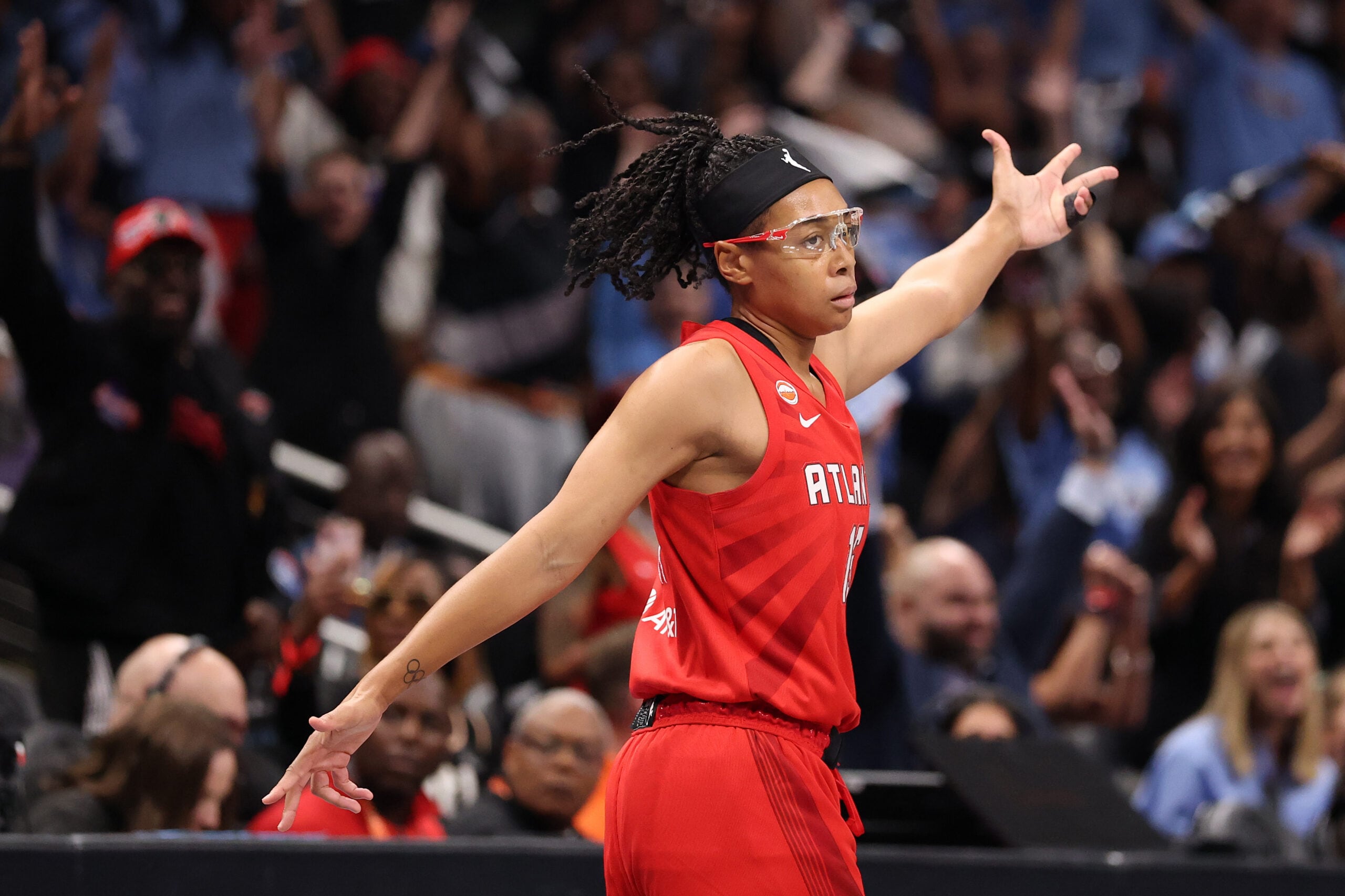
Both finalists have been leaving the playing floor before the anthem and returning afterward. The distinction is basic but essential: the reported practice is not that players interrupt the performance or walk out midway through it. The teams have not publicly described their Finals routine as a political demonstration. That does not prevent spectators from interpreting it through their own beliefs, but an interpretation should not be presented as the team's stated intent.
The WNBA moved away from mandatory on-court anthem participation in 2017, giving teams greater discretion over how to handle the ceremony. That framework matters when evaluating the current argument. A team choosing not to remain on the court is not necessarily defying a requirement that still exists. The league's policy and the players' reasons are separate questions, and both should be established before declaring a controversy settled.
The timing has magnified everything. Atlanta and Golden State are playing for the first championship in either organization's history, and the best-of-seven Finals format has now produced its first decisive seventh game. More casual viewers, national outlets and public figures are watching the same pregame moments. A routine that could pass almost unnoticed in an ordinary regular-season game becomes a talking point when the whole championship is under a spotlight.
Game 6 added another layer of attention. The contest was moved to a 12:30 p.m. Eastern start at State Farm Arena, a scheduling compromise involving the Atlanta Hawks' evening game. Despite the unusual weekday timing, Atlanta announced a sellout. Allisha Gray and Rhyne Howard then drove a blistering start, and the Dream won 80-69 to send the series back to San Francisco. The basketball itself offered plenty to discuss, but the anthem story followed the teams into another news cycle.
There is room for fans to care deeply about the anthem without assigning motives that have not been established. Some see on-court participation as a meaningful public sign of gratitude. Others view attendance during a ceremonial performance as a matter of individual or team choice. The league's present approach permits that disagreement, and a championship setting does not automatically turn every different choice into a deliberate statement against someone else's values.

Gabby Williams says the Valkyries' approach is routine, not a protest
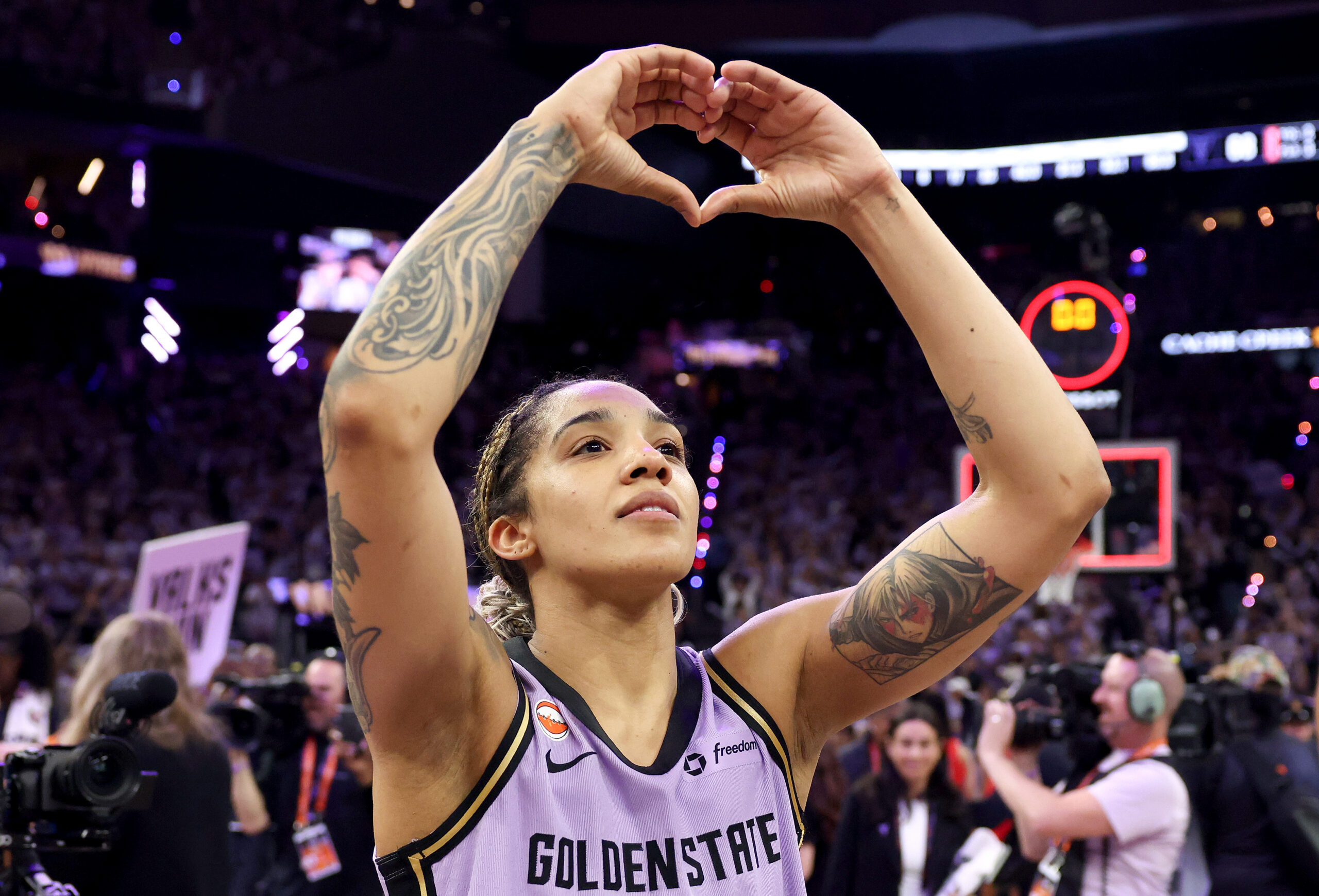
Golden State forward Gabby Williams has provided an explanation from inside one of the teams at the center of the discussion. Ahead of Game 4, she described leaving the floor during the anthem as an established pregame routine, not a protest. Her account does not necessarily speak for every player on either roster, but it is direct evidence of how a prominent Valkyries player understands her own team's practice.
That clarification deserves the same attention as Cunningham's comments. If one athlete says she would personally remain for the anthem, it is fair to report that preference. If another says her team is following a familiar routine without protest intent, that explanation should also be represented accurately. Those positions are not automatically mutually exclusive. They address different questions: what an individual values and why a team follows a particular preparation pattern.
There is a practical sporting dimension as well. Players and coaches build repetitive pregame schedules around warmups, treatment, locker-room meetings and the precise minutes before introductions. That does not make every routine beyond criticism, but it helps explain why athletes might treat the sequence as preparation rather than a political message. The same visible behavior can carry different meanings for the people performing it and for those watching from the stands.
Williams has had far more immediate basketball questions to answer. She scored 26 points in Golden State's Game 1 victory, helping set the tone for a Finals run that has alternated between offensive frustration and extraordinary defensive resilience. In Game 6, she scored 26 again, with 21 coming after halftime, as the Valkyries tried to erase a huge deficit. Those performances illustrate why Golden State needs her attention on the court rather than a prolonged argument about what happens before the opening whistle.
Fans are free to disagree with the routine, and players are free to explain or defend it. The line worth protecting is between a documented action and an invented motive. Neither Cunningham's remarks nor Williams' response requires turning one athlete into a hero and the other into a villain. Their comments can be understood on their own terms, even when the surrounding debate rewards a sharper confrontation.
The real Finals verdict arrives on the court in Game 7
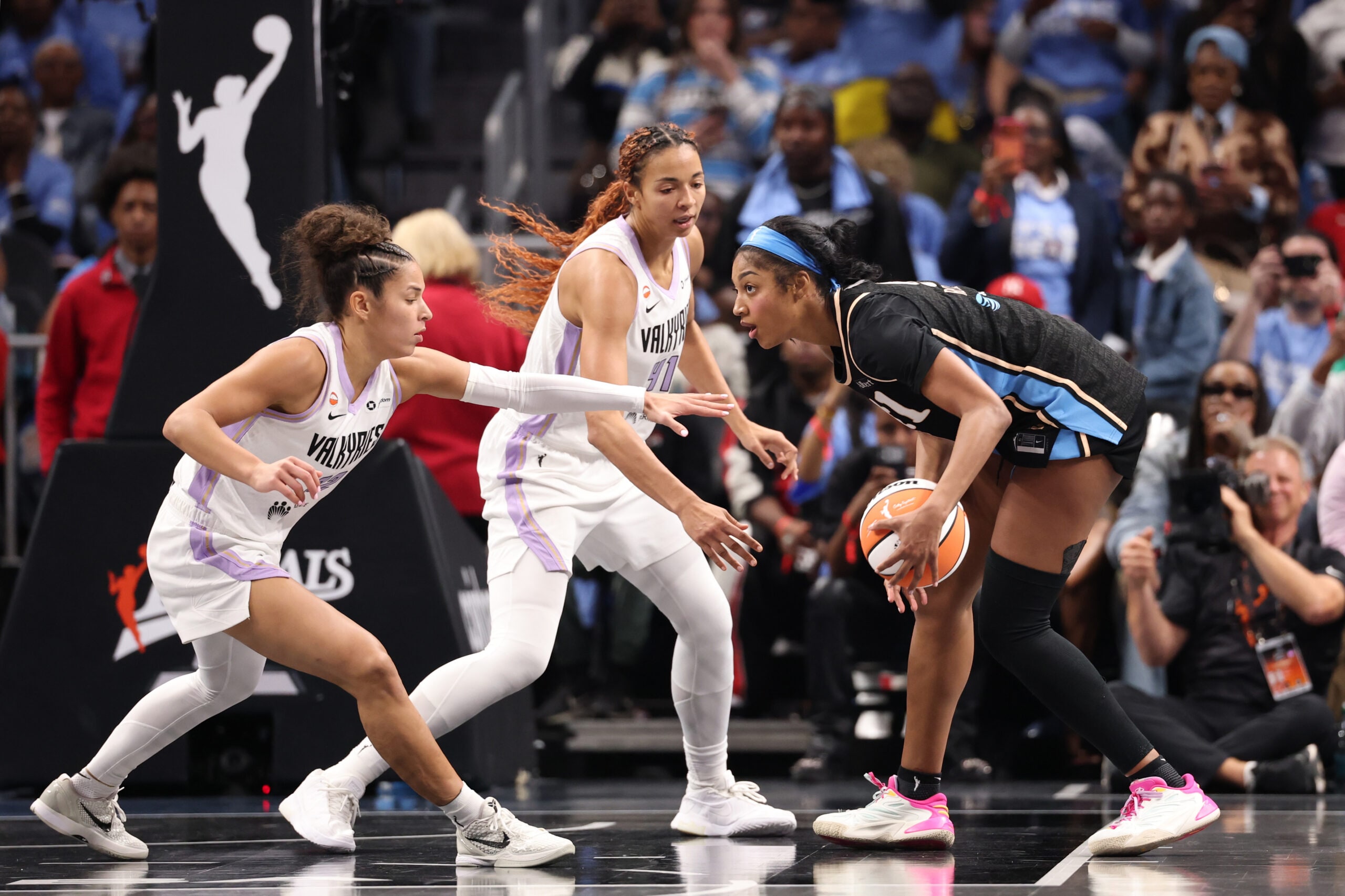
The championship is now tied 3-3, and Saturday, October 31, brings a decisive Game 7 at Chase Center. Atlanta's 80-69 Game 6 win was powered by 23 points and five three-pointers from Allisha Gray, 21 points from Rhyne Howard and another double-double from Angel Reese. Golden State's late push showed its ability to fight back, but its early shooting collapse left too much ground to recover.
The series has already delivered contrasting identities. Atlanta has looked devastating when its perimeter shots fall and Reese controls the interior. In Game 3, the Dream used a strong second half to pull away in front of a huge home crowd. Golden State has answered by turning games into defensive contests, notably holding Atlanta to 62 and 55 points in Games 4 and 5. The deciding game is likely to reward whichever side can impose its preferred pace for longer.
For the Dream, the challenge is repeating Game 6's offensive discipline on the road. Gray's injured shooting hand did not stop her from producing the series' most timely outside shooting, while Howard gave Atlanta a second reliable scoring threat. Reese can change possessions through rebounding even when her shot is not falling. But the Dream cannot count on another near-perfect opening quarter, and they must be ready for Golden State's defensive adjustments.
For the Valkyries, the central question is whether Williams will receive enough scoring help. Their remarkable second-year rise has been built on defense, depth and a clear collective identity, yet Game 6 exposed how difficult it is to win when the supporting offense disappears. Veronica Burton, Tiffany Hayes and the rest of the rotation need to create more efficient opportunities without sacrificing the defensive pressure that brought Golden State this far.
Both clubs are chasing their first title, which gives the matchup an enduring significance regardless of who wins. Cunningham's comments will remain part of the broader conversation about player choice and public ceremony. But the Finals trophy will be decided by execution, matchups and nerve in a game that neither team can replay. That is where the most consequential judgment on these finalists belongs.
Cunningham's view is clear: she personally values standing up for the anthem and recognizing people who serve. Williams' account is also clear: Golden State's pregame approach is a longstanding routine rather than a declared protest. Neither statement proves that every player feels the same way, and neither requires fans to abandon their own opinions.
What would improve the debate is precision. Report what players actually said, distinguish team practice from political intent, and leave room for disagreement without manufacturing accusations. The WNBA's biggest game of the year is already rich with real tension. On Halloween night, the Dream and Valkyries will settle their championship on the court — and the first Finals Game 7 deserves to be remembered for the basketball as well as the noise around it.
Shop GOATIFY WNBA products from the WNBA-filtered basketball collection.



















