

Bauers Nearly Quit Baseball — Now 11 Pitches Have Milwaukee One Win From History
GOATIFYJake Bauers was close to leaving professional baseball after the 2024 season. Two years later, he has supplied one of the defining swings of October: an 11-pitch confrontation with Blake Snell that ended with a 412-foot, two-run homer and turned a one-run deficit into a Milwaukee Brewers lead at Dodger Stadium.
The Brewers beat the Los Angeles Dodgers 6–2 in Game 3 of the National League Championship Series on October 14, moving ahead 3–0 in the best-of-seven matchup. Garrett Mitchell followed Bauers with another homer, Jackson Chourio had launched the game's very first pitch into the seats, and rookie Robert Gasser had already delivered five scoreless innings. But the story of the night belongs to a hitter whose career nearly ended before its best season began.
Milwaukee now needs one victory to reach its first World Series since 1982. The Dodgers, winners of the last two championships, need four consecutive victories simply to keep their three-peat alive. That imbalance was created not by a towering payroll or a superstar trade, but by the persistence of a 30-year-old first baseman who refused to concede one more at-bat.
Eleven pitches changed the game after Snell retired 14 straight
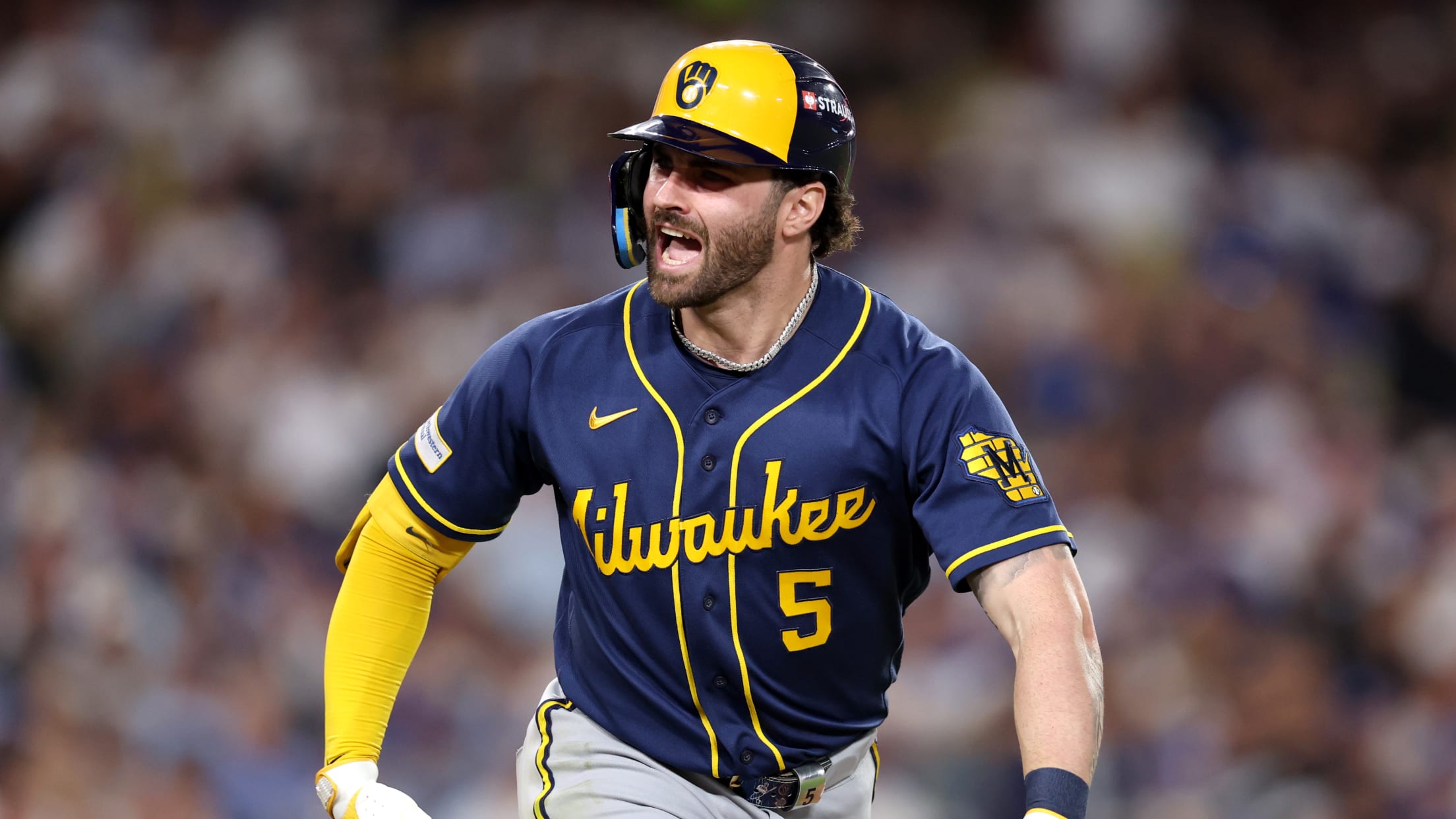
For most of the middle innings, Snell appeared to have wrestled control back for Los Angeles. After Chourio's opening-pitch homer, the left-hander retired 14 consecutive hitters. Will Smith then delivered a two-run double in the sixth to put the Dodgers ahead 2–1. Suddenly, a team that had lost the first two games of the series had a route back into it.
Andrew Vaughn's leadoff walk in the seventh interrupted Snell's run of outs. Bauers stepped in with a runner aboard and refused to give the pitcher a quick resolution. He watched the count develop, survived an assortment of sliders, changeups and fastballs, and kept fouling away pitches when Snell appeared to have the advantage. By the time the plate appearance reached pitch No. 11, both men had exhausted several versions of the same duel: Snell trying to finish it, Bauers forcing another decision.
Snell finally went to a fastball. Bauers connected at 109.4 mph and drove it a projected 412 feet to right field. Milwaukee led 3–2. The value of the swing went beyond the two runs: it erased the Dodgers' only lead of the night and turned their best stretch of momentum into an immediate setback. In postseason play, an 11-pitch home run is extraordinarily rare; only a handful have been recorded that deep into an at-bat since comprehensive pitch tracking began in 1988.
Mitchell made sure the moment was not isolated. He drove a Snell pitch 428 feet to right-center for a solo homer, ending the starter's night and making it 4–2. Snell finished with nine strikeouts over six innings, but the box score could not capture how quickly a commanding outing became a losing one. Milwaukee's two consecutive swings had done what the Dodgers' offense had struggled to accomplish all series: convert a fleeting opening into a decisive advantage.

The hitter who almost walked away became Milwaukee's home-run leader
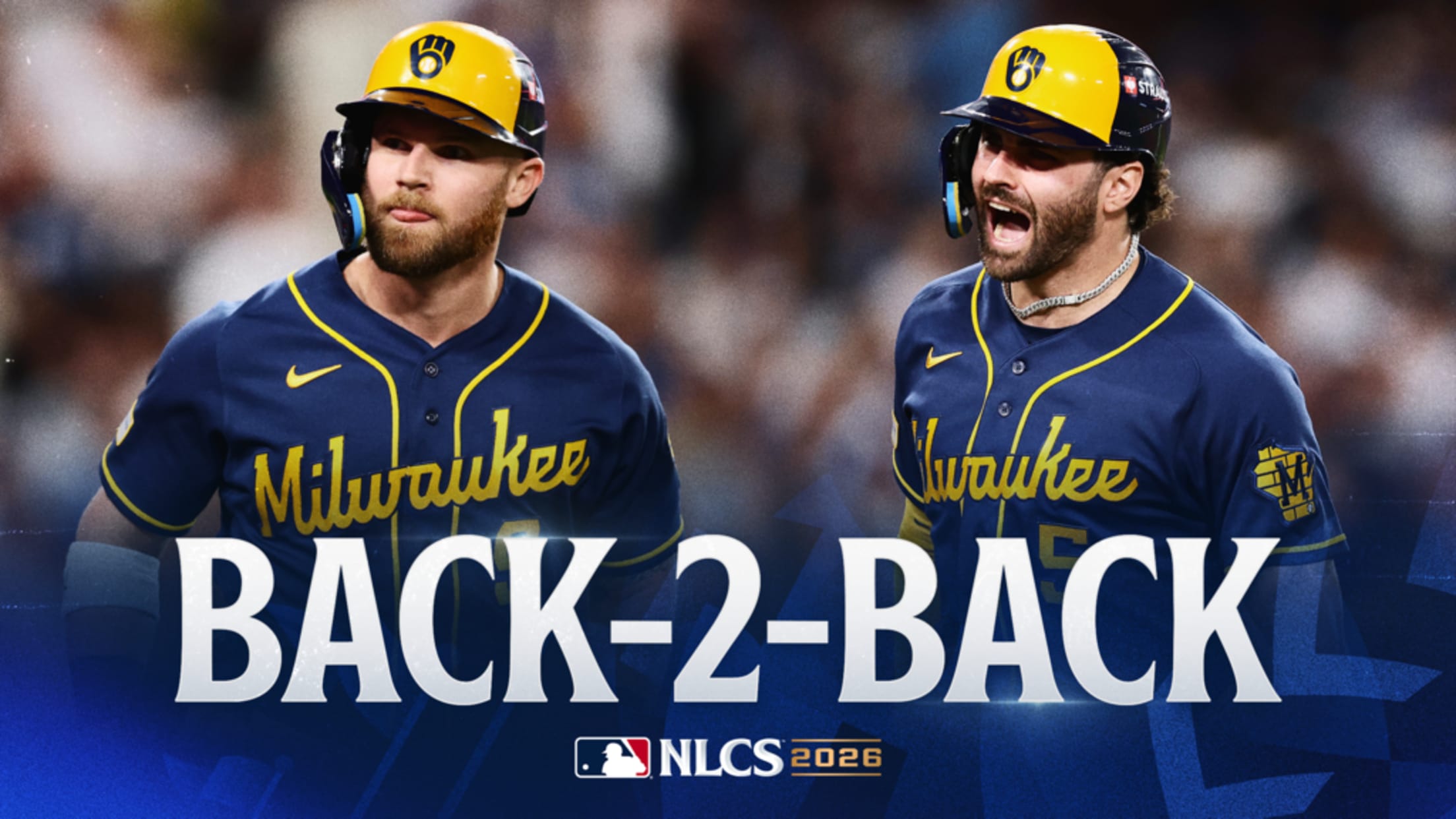
The significance of Bauers' seventh-inning homer becomes clearer when his career is viewed in reverse. In 2026, he played a career-high 144 regular-season games, led Milwaukee with 26 home runs and produced a 143 weighted runs created plus, or wRC+. That last figure means his offensive output was roughly 43 percent above league average after accounting for park and league conditions. Among qualifying hitters, it ranked seventh in the majors.
Nothing about that trajectory looked inevitable at the end of 2024. Bauers had bounced between organizations, including Tampa Bay, Cleveland, Cincinnati and New York, before arriving in Milwaukee. He hit .199 while spending much of 2024 in a reserve role. The Brewers released him that November rather than carry him into arbitration, and Bauers seriously considered whether continuing the grind was worthwhile.
His wife, Lauren, encouraged him to keep going. With a growing family and an uncertain professional future, he accepted a Minor League agreement to return to the organization instead of closing the book on baseball. The decision did not produce an instant transformation: his 2025 improvement came in a part-time role, with an OPS increase of nearly 100 points. It did, however, give him another season to establish a more reliable offensive approach and earn a larger opportunity.
The breakout arrived in 2026. A player who had once struggled to stay in lineups became a middle-of-the-order presence on a 103-win team. That context makes the 11-pitch battle with Snell feel like a miniature version of the wider comeback. Bauers did not win the at-bat by guessing right on the first offering. He stayed available, adjusted and forced the next pitch until the opportunity he needed appeared.
There is a useful distinction between a dramatic personal story and a measurable baseball turnaround. Bauers has both. The family decision to continue explains why he was still there; 26 home runs and elite rate production explain why manager Pat Murphy could trust him in the cleanup spot with the season on the line. His homer was a remarkable moment, but his regular-season work made it a plausible one.

Gasser bought five scoreless innings — then the bullpen had to rescue the lead
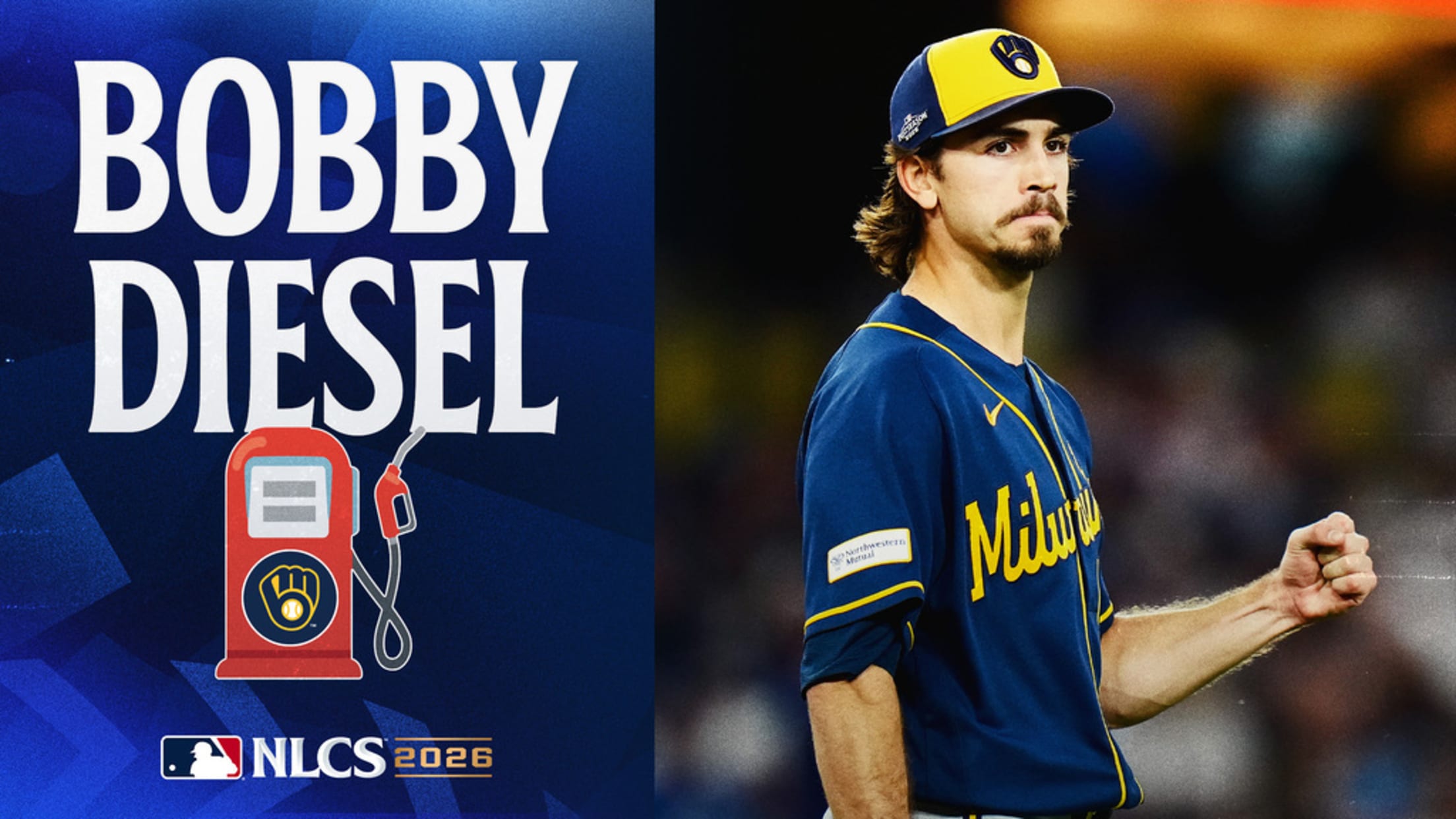
Milwaukee's offense supplied the highlight, but its pitching created the conditions for a late comeback. Robert Gasser, a rookie starting on the road in the NLCS, gave the Brewers five shutout innings while allowing three hits and striking out three. Against a lineup assembled to win a third straight World Series, that was a substantial contribution: it prevented the Dodgers from building the kind of early cushion that would have changed how Snell approached the game.
The sixth inning almost undid it. With Gasser removed, Abner Uribe walked three hitters and loaded the bases. Will Smith, who had been struggling at the plate, drove a double off the left-center-field wall to bring home two runs. Los Angeles had finally broken through and moved in front 2–1. At that moment, Milwaukee faced a genuine danger of losing both the game and the series momentum it had accumulated in Wisconsin.
DL Hall entered and kept the deficit to one run by stranding the remaining runners. That escape deserves attention alongside the later home runs. Had Los Angeles turned the inning into a three- or four-run burst, Bauers' blast might have been a tying swing rather than a lead-changing one. Hall's ability to stop the inning left Milwaukee within one disciplined plate appearance of reversing the score.
The Brewers' relief work held up after the seventh-inning fireworks, too. Trevor Megill recorded the final four outs for the save, while Milwaukee added an eighth-inning run on a wild pitch and another in the ninth on Joey Ortiz's RBI single. The final score was 6–2, but the key difference was not that Milwaukee dominated every inning. It was that the Brewers contained their worst stretch, answered immediately and then shut the door.
For the Dodgers, the same sequence exposed the cost of missed opportunities. They managed five hits and left eight runners on base, while Milwaukee finished with nine hits and no errors. The defending champions briefly found their opening in the sixth; they simply could not protect it for even half an inning.
Chourio started it on pitch one — now Milwaukee can reverse last year's sweep
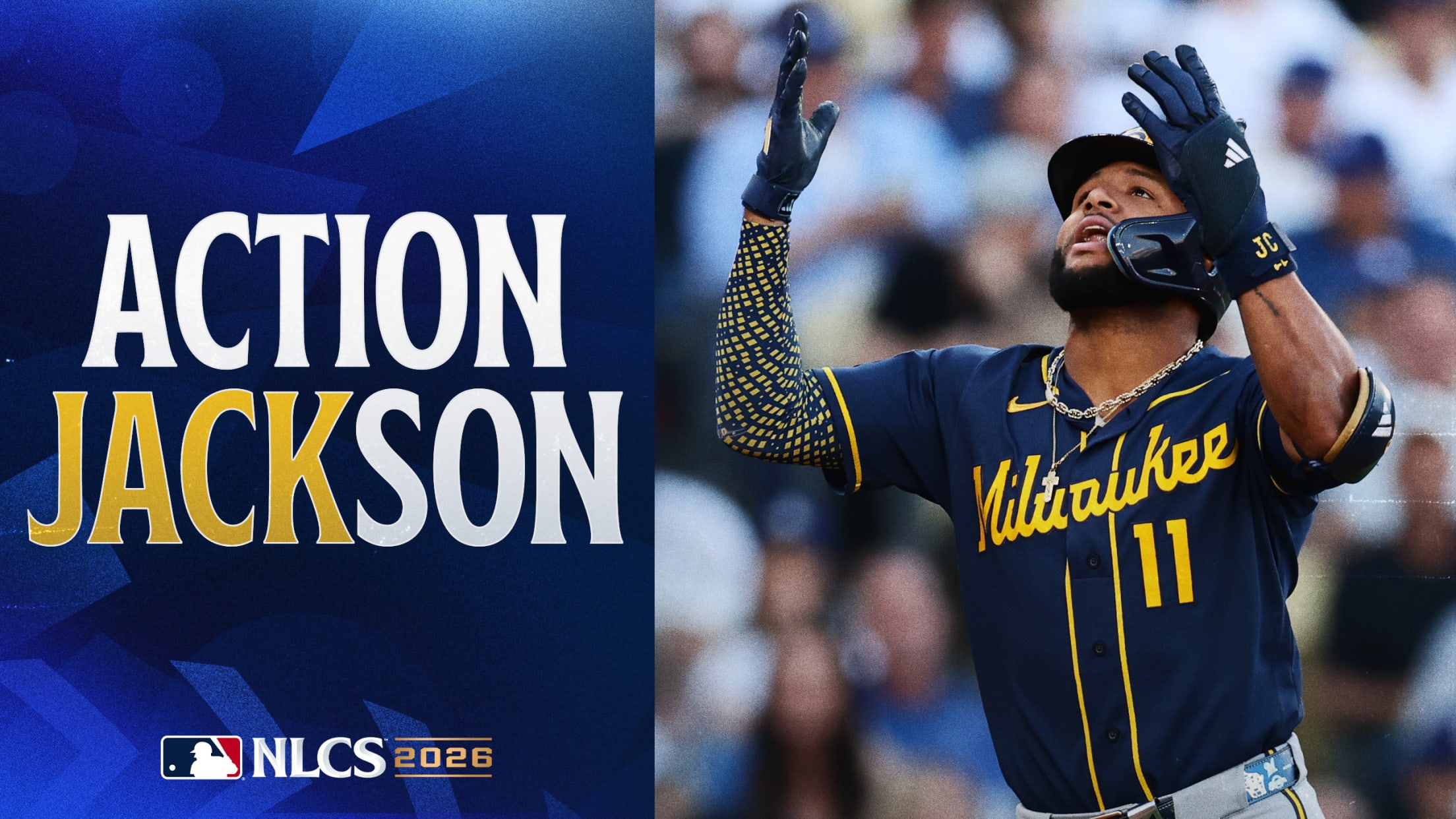
Before Bauers' long duel, Chourio had delivered the shortest possible statement. He attacked Snell's first pitch of Game 3 and sent it 391 feet to right-center at 106.1 mph. It was one of the rare postseason home runs hit on the first pitch of an entire game since comprehensive pitch records began in 1988. The contrast between Chourio's instant strike and Bauers' 11-pitch battle captures how Milwaukee has pressured Los Angeles in different ways.
Last October, the Dodgers swept the Brewers in the NLCS. Milwaukee is now positioned to return the favor against the same opponent. No team has ever been swept out of a postseason series one year and then swept that same club in the following postseason, according to the league's Game 3 account. The Brewers also have a larger historical target: their only World Series appearance came in 1982, when the franchise still played in the American League.
The Dodgers' path is technically open, but the precedent is brutal. Only the 2004 Boston Red Sox have recovered from a 3–0 deficit to win a best-of-seven MLB postseason series. Los Angeles must find four consecutive wins against a team that has already demonstrated it can win low-scoring games, survive rallies and punish elite starting pitching. A lineup featuring Shohei Ohtani and other established stars has not yet translated its talent into consistent scoring in this series.
Game 4 on October 15 will test whether the Dodgers can create a different game script. Tyler Glasnow is scheduled to start for Los Angeles, and Milwaukee will again need to manage its pitching resources after leaning on the bullpen. The Brewers do not need another cinematic Bauers at-bat to advance; they need one more complete team performance. Los Angeles, by contrast, must begin by winning a single game before any comeback conversation becomes meaningful.
Milwaukee has earned the luxury of treating history as an opportunity rather than an obligation. A first World Series in 44 years would be extraordinary. Yet the more immediate achievement is that a roster built on persistence and shared contributions has pushed a defending champion to the edge — with a once-nearly-retired hitter supplying its clearest image.
The seventh inning at Dodger Stadium condensed two years of Jake Bauers' career into 11 pitches. He had already survived being released, considered leaving baseball and returned on a Minor League deal. Against Snell, he survived again — this time long enough to send a fastball into the right-field seats and put Milwaukee ahead for good.
The Brewers' 3–0 NLCS lead is a collective achievement: Chourio's opening blast, Gasser's five scoreless innings, Hall's escape, Mitchell's immediate follow-up and Megill's finish all mattered. Bauers simply provided the moment that tied those contributions together. One more victory would carry Milwaukee to the World Series for the first time since 1982. For a hitter who almost stopped playing, that is a remarkable distance to travel.
















