

Rosenhaus Says Aiyuk Will Play. Two Obstacles Still Stand in His Way.
GOATIFYBrandon Aiyuk is back on an NFL transaction list, but that is not the same thing as being back in an NFL offense. The league reinstated the San Francisco 49ers receiver on Monday, November 9. On Tuesday, his new agent Drew Rosenhaus offered the more ambitious forecast: Aiyuk will play football this season. The distinction matters because the next phase depends on much more than one optimistic assessment of a knee injury.
The 49ers have a roster exemption through November 23, a strained relationship with a receiver they once considered a cornerstone and an unresolved dispute involving roughly $13 million in previously paid contract money. Rosenhaus says the financial matter can be handled separately from finding a place to play. That may be true as a negotiation strategy; it does not magically erase the decision San Francisco must make about its own contract or the evaluation another team must make about a player who has not appeared in a game since October 2024.
For Aiyuk, the opportunity is unusually compressed. He is trying to convince teams that the explosive route runner who once drove San Francisco's passing attack remains available underneath a lengthy rehabilitation story and a very public organizational divorce. That is a compelling comeback pitch. The next two weeks will reveal how much of it can survive a medical review, a contract discussion and a football team's much less sentimental roster calculation.
A clean physical is promising. Game speed is a different test.
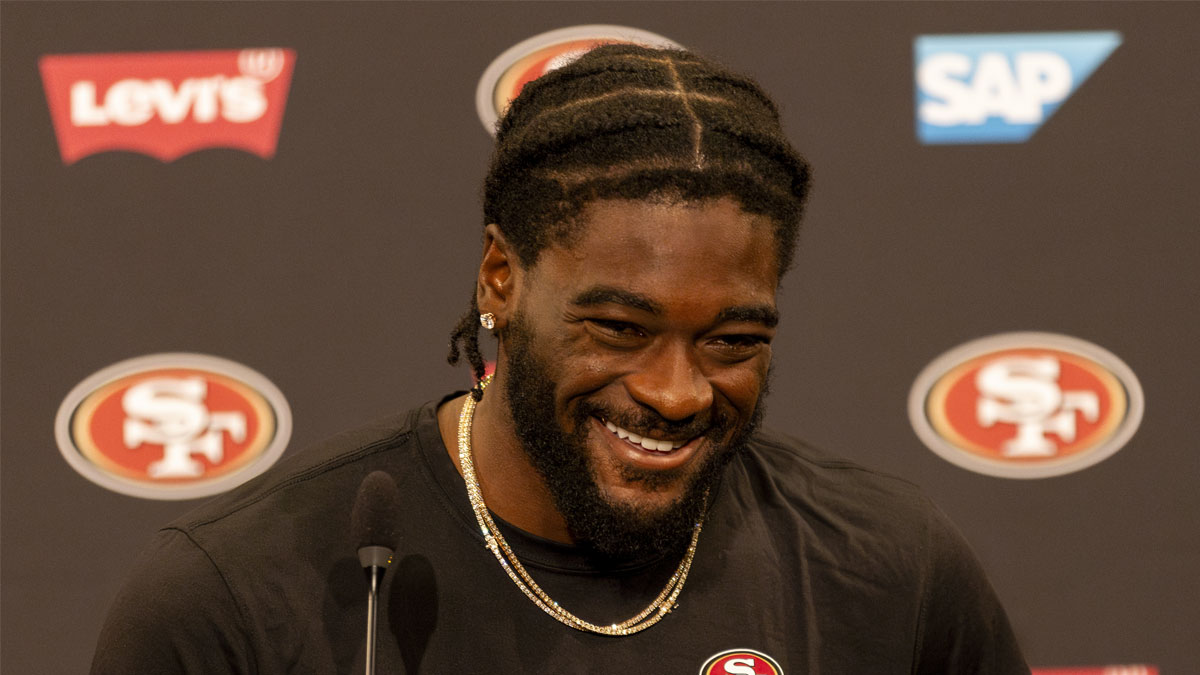
Rosenhaus says Aiyuk has undergone an MRI, X-rays and a physical evaluation and that the results were favorable. The agent also describes his client as running routes, catching passes and working independently. Those statements are meaningful because the receiver suffered a serious multiligament knee injury in October 2024 and has been away from competitive football for more than two years. There is at least a reported medical basis for discussing a return rather than simply hoping one might happen.
Still, clearance to practice and readiness to contribute on Sunday are different thresholds. An examination can establish that a knee is stable enough for activity. It cannot show whether a receiver can execute an entire game plan, decelerate on a sharp break against tight coverage, handle contact at the catch point or produce the same separation on his twentieth route as on his first. Those questions require live football work and honest feedback from a team's medical and performance staff.
Aiyuk's best football was built on precision rather than gimmicks. He could manipulate a cornerback's leverage, threaten vertically and snap into an intermediate window just as a quarterback finished a progression. He did not need a defender to fall down to win a route. If his movement has returned, that craft can still be valuable even without a full workload immediately. But if a team has to protect his change-of-direction volume or limit his snaps, the player it signs in November may not resemble the full-time option fans remember.
That is why the most convincing comeback pitch would include a transparent workout, current acceleration and agility evidence, and a staged practice plan rather than a promise of instant production. Rosenhaus has offered to make Aiyuk available for interested clubs to examine. A workout is not a contract, but it can help narrow the gap between an agent's optimism and a coach's confidence.
Timing compounds the evaluation problem. Established NFL offenses have months of shared terminology, route adjustments and quarterback-receiver timing behind them. A newcomer returning from an extended absence starts from scratch while the calendar is already moving toward the postseason. Coaches will ask not just whether Aiyuk is healthy, but which specific packages they could trust him to run now, how quickly his responsibilities could grow and whether the roster spot would improve a position group already working through its own injuries.
San Francisco's November 23 deadline is a leverage point, not a reconciliation

The reinstatement initially sounded like the beginning of a reunion. Operationally, it is closer to a deadline. The NFL gave San Francisco a two-week roster exemption ending November 23, meaning the receiver does not immediately count against the active 53-man roster. The club can use that period to evaluate its options without making an instant game-day personnel decision. The exemption does not, by itself, place Aiyuk in the offensive meeting room or require the staff to rebuild its plans around him.
Head coach Kyle Shanahan has treated the move as administrative rather than a change in football direction. Team leadership has publicly described the relationship as broken following disagreements over Aiyuk's rehabilitation and attendance during the 2025 season. The receiver and his representatives have a different account of the wider dispute. It is possible to acknowledge both the seriousness of the disagreement and the lack of a final public resolution without pretending that a handshake at the facility settles what happened.
The financial problem is separate but unavoidable. Reporting puts the disputed bonus money at approximately $13 million. Rosenhaus says Aiyuk has not repaid that amount and that he wants to negotiate a fair outcome independently of the effort to restart his career. It is important to describe the figure as contested contract money, not as an adjudicated debt already collected or proven in a court. The parties and the league's labor mechanisms still have work to do.
One wrinkle makes the exemption especially important: under the collective bargaining rules, a team may withhold regular-season compensation during a qualifying roster-exemption period. That affects the urgency of an immediate release and reduces the simplicity of a narrative in which San Francisco must cut the receiver at once to stop an automatic weekly payment. The precise financial consequences depend on the player's contract and which provisions apply, so a public deadline should not be mistaken for the complete negotiating framework.
The central question for general manager John Lynch is whether there is any plausible on-field benefit from retaining the player instead of ending the arrangement. The club has invested in other offensive options and needs healthy contributors now. A short roster exemption provides time to deal with paperwork and logistics; it does not repair trust or guarantee a suitable role. For Rosenhaus, meanwhile, waiting without clarity leaves potential bidders unable to decide whether Aiyuk is actually available.
That tension makes November 23 the clearest milestone to watch, but not necessarily the date on which every matter will be resolved. A roster decision, a release process and a dispute over historical compensation need not conclude simultaneously. Aiyuk can take a step toward becoming a free agent while still having contractual issues to settle. Anyone treating the agent's prediction as an announcement of a signed destination is skipping several important transactions.
GOATIFY
GOATIFY NFL
The Aiyuk situation is a reminder of how much goes into every NFL roster decision.


A familiar quarterback or coach might open the door. Neither guarantees snaps.
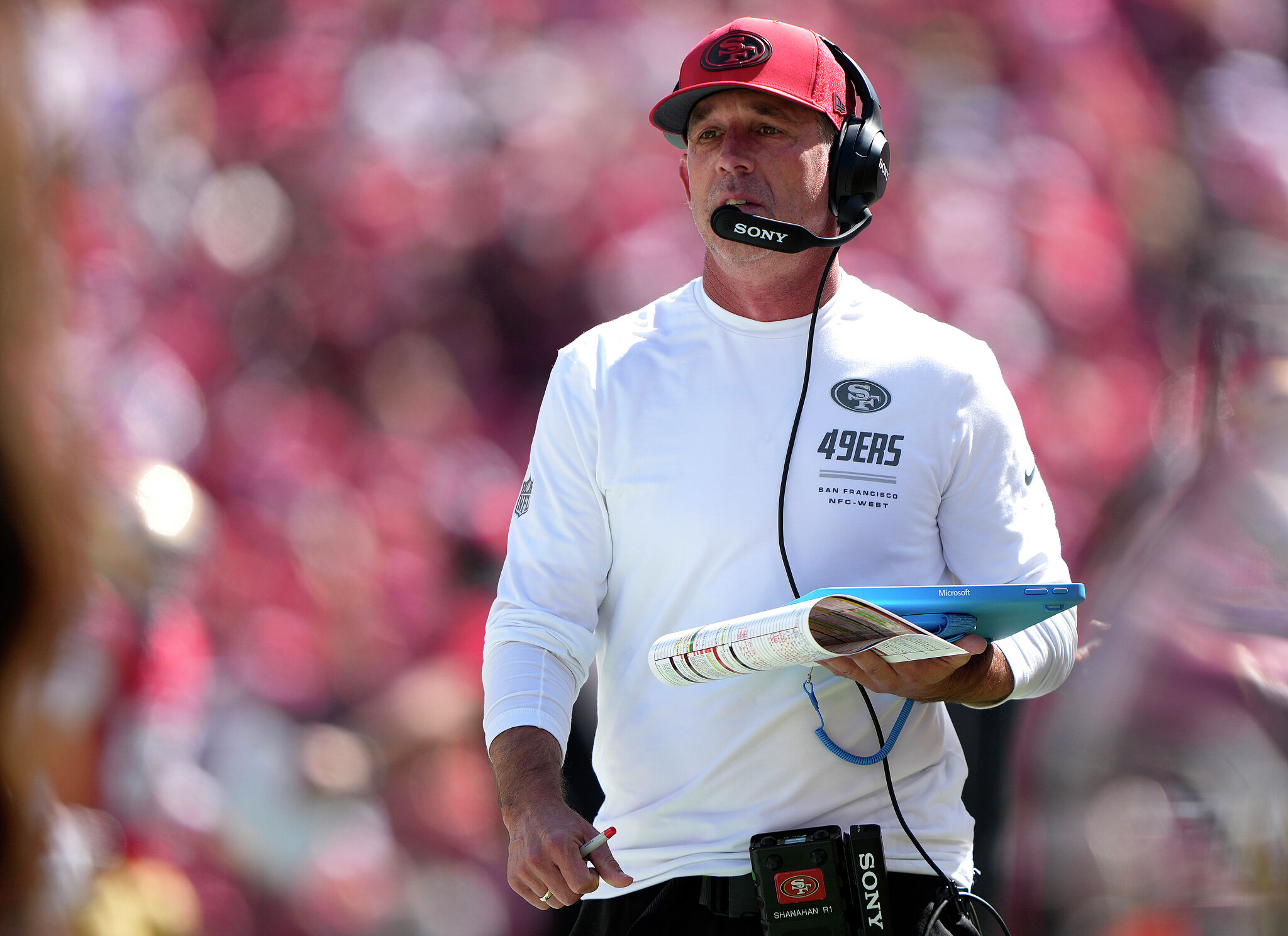
When Rosenhaus speculated about a landing spot, he did not describe an offer or identify a negotiating partner. His view was that Aiyuk might join people who already know him from college or San Francisco. That is a useful football hypothesis because late-season signings have an unusually short learning runway. Familiarity can ease a playbook transition and make it easier for a quarterback to trust a receiver's interpretation of a coverage. It cannot substitute for a successful workout or an open roster spot.
Washington is an obvious place for the conversation to begin, not a confirmed destination. Commanders general manager Adam Peters helped bring Aiyuk to the 49ers, and quarterback Jayden Daniels knew him at Arizona State. Those connections could create a starting level of confidence that an unfamiliar coaching staff would need time to build. The football question is whether the Commanders actually require Aiyuk's route profile and whether the available role would justify the risk after such a long absence.
Las Vegas offers a different version of the familiarity argument through Klint Kubiak's previous work in San Francisco. A coach who already understands how Aiyuk was used can identify a narrow, realistic package more quickly than someone working entirely from old game film. Arizona is another speculative possibility because Mike LaFleur worked with the 49ers during the receiver's early career. None of those connections establishes that a team has made contact, cleared a medical evaluation or prepared a contract.
The most sensible football role at first might be smaller than the name on the jersey suggests. Aiyuk could begin with selected routes, third-down packages or a practice period focused on recovering timing. One team could see a veteran starter and another could see a depth investment for the final stretch. A practice-squad arrangement is possible if the parties agree and league rules permit it; it is not a reported agreement. The correct role depends on the current roster and what he actually shows in football activity.
Teams also have to distinguish peak value from present certainty. Aiyuk's 2023 production and route-running reputation explain why he would attract interest if healthy. His last regular-season snaps and the unusual off-field story explain why clubs might insist on safeguards, incentives, or a shorter commitment than his previous profile would have commanded. The more precisely both sides define his immediate workload, the more realistic the comeback becomes.
The deadline does not end the market for wide receivers, but it changes its character. Clubs seeking an immediate starter will value predictable availability; clubs looking for an upside addition may be more patient. For Aiyuk, an environment that knows his habits could speed the integration process, yet the best opportunity might be the one willing to let him earn progressively more snaps rather than asking him to recreate an All-Pro season on command.
GOATIFY
GOATIFY NFL
The NFL's next chapter depends on fit, patience and a chance to compete.
Rosenhaus has given Aiyuk something that was missing for months: a credible public timetable and a concrete account of his physical progress. Those are meaningful developments. They do not make an unpaid roster exemption, a disputed eight-figure bonus and a two-year gap in game action disappear. The agent can solve some of those problems in meetings. Others will only be solved when a medical staff and coaching staff watch the player move.
The immediate markers are straightforward: what San Francisco does before November 23, whether the contractual dispute moves toward resolution and whether a potential new team puts Aiyuk through a serious football evaluation. A return in 2026 remains possible. The more interesting question is whether it can be structured as the beginning of a durable second act, rather than one hurried promise that an NFL calendar will not allow him to keep.
Shop GOATIFY NFL and American football shirts, hoodies and stickers.



















