

Dalton Smith Survived Puello — Now Shakur Stevenson Is the Bigger Test
GOATIFYDalton Smith left Sheffield with his WBC super-lightweight belt, an unbeaten record and the possibility of a much bigger fight. He did not leave with an argument-ending performance. Alberto Puello pushed the champion through twelve difficult rounds on October 24, and two judges needed a narrow 115–113 score to keep the title with the hometown fighter. The third saw Puello winning 116–112. That is the difference between retaining a championship and facing a rematch campaign.
Smith is now 20–0 with 14 knockouts after his first defense of the title he seized from Subriel Matias in January. Puello, the former two-time champion, fell to 25–2 but demonstrated why he remains a serious obstacle at 140 pounds. The immediate conversation has already shifted toward WBO champion Shakur Stevenson and a potential Sheffield stadium night. Before the negotiations start, however, the fight itself deserves attention: Smith found enough answers to win on two cards, but he also discovered how narrow the margin can become when an opponent refuses to fight on his preferred terms.
Two 115–113 cards tell the story of a champion who had no margin to waste
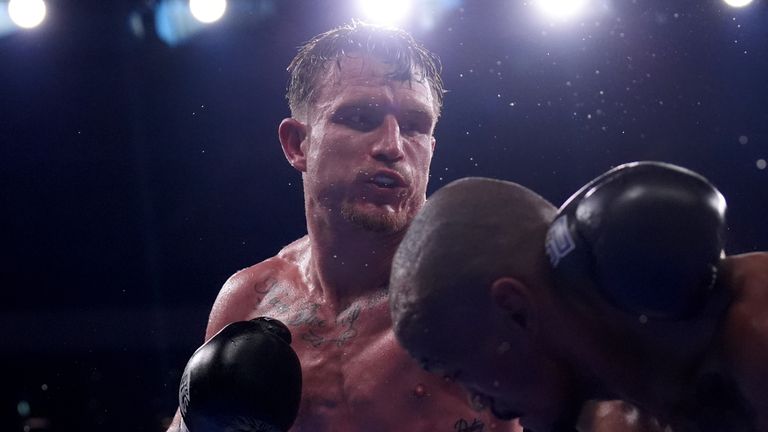
There is an important difference between a controversial decision and an inexplicable one. Smith versus Puello was close because the rounds were close. Spain's Jon Llona and England's Kieran McCann each scored it 115–113 for Smith; the Philippines' Ray Danseco returned 116–112 for Puello. Two points on a judge's card can turn on a single exchange in one round. It is possible to believe Smith earned his win while also understanding why a viewer could have preferred the challenger.
The first half did not resemble the aggressive, emphatic victory Smith produced in Brooklyn earlier this year. Puello made the ring feel larger by working at long range, setting his southpaw jab and discouraging reckless entries. Smith had success with lead rights and measured counters, particularly when he interrupted Puello before the challenger could reset his feet. Yet he could not string together the sort of prolonged attacks that make a round unmistakable. A clean punch was often followed by an answer.
That rhythm matters when evaluating the scorecards. Judges reward effective work in individual three-minute rounds, not a fighter's reputation, the noise in the arena or the force of a final celebration. Puello's accurate left hand and steady work to the body created scoring opportunities; Smith's sharper single counters and improved closing urgency supplied his own case. Neither man scored a knockdown, so there was no decisive ten-eight round to separate the cards.
The championship rounds sharpened the tension. Smith dealt with cuts late in the contest, while Puello pressed his case rather than accepting the champion's tempo. Smith landed conspicuous right hands in the final round and celebrated at the bell, but the result was not assured until the cards were announced. That is a valuable lesson for an unbeaten titleholder: a strong finish can rescue a narrow fight, but it cannot erase the earlier rounds in which the challenger built momentum. Smith passed the test; he did not make the test disappear.

Puello had already shown against Matias why 140 pounds is a tactical minefield
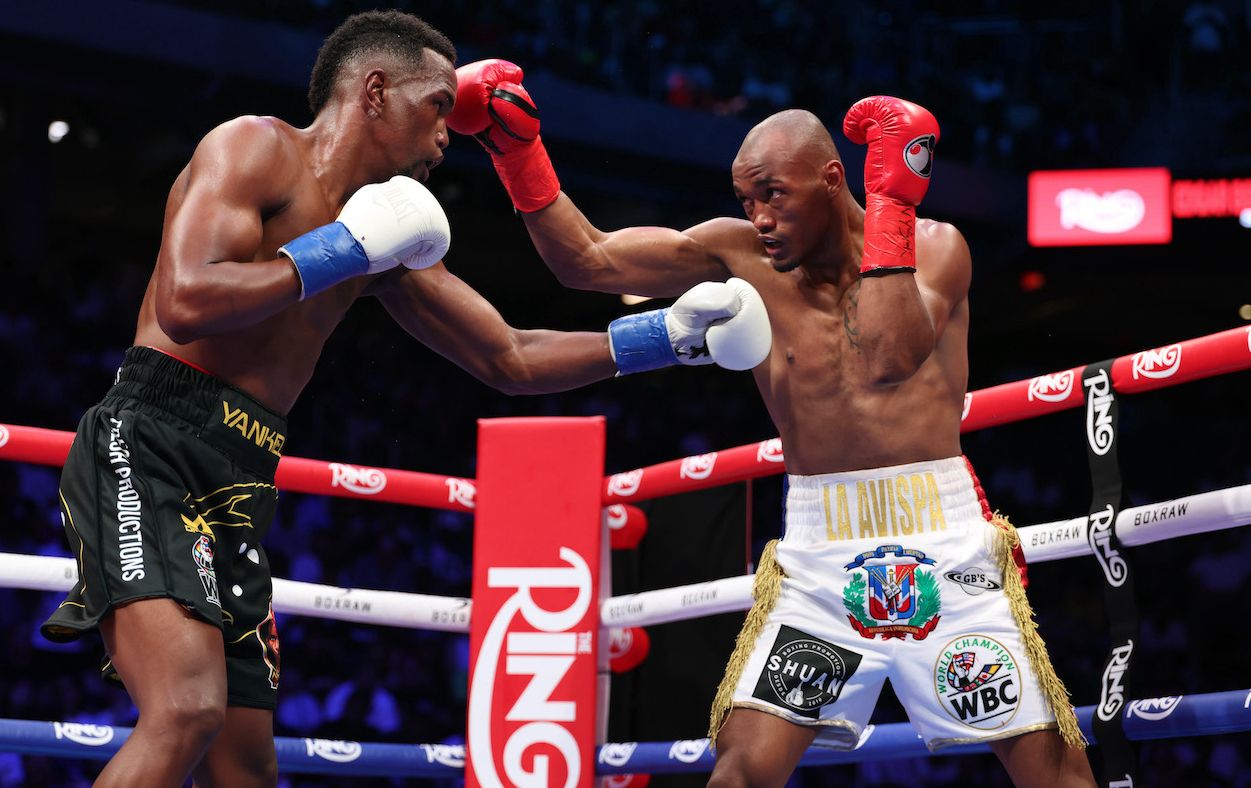
To understand why Puello was so awkward in Sheffield, return to his earlier championship chapter. The Dominican previously held the WBC belt and lost it to Subriel Matias by majority decision in July 2025. That result did not turn Puello into an easy opponent. It established that he could force even a physically imposing champion to solve difficult problems over twelve rounds. Smith then stopped Matias in the fifth round in January 2026, creating a tempting but misleading comparison: if Smith could overwhelm the man who edged Puello, surely Puello should be manageable.
Boxing rarely works like that. Styles do not form a tidy ranking ladder. Matias offered Smith exchanges and pressure opportunities that suited the Englishman's timing and punch selection. Puello's southpaw stance, patient exits and willingness to reset at distance posed a different question. A boxer can carry real power yet struggle to deliver it cleanly when the opponent controls the geometry of the exchange. That is precisely why one spectacular knockout does not guarantee an easier first defense.
Puello's lead foot, jab and straight left made Smith consider the cost of stepping into range. When Smith waited too long, Puello could score first; when Smith committed too directly, the challenger had room to counter. Smith's best moments came when he disrupted that sequence with quick rights, body shots or pressure that made Puello exchange before he was comfortable. The contest was less about one boxer imposing a constant pace than about both men repeatedly denying the other a second clean punch.
Puello deserves more than the label of a losing challenger. His second career defeat came against another world-class opponent and on scorecards close enough to sustain debate. He demonstrated the defensive awareness, patience and composure that make elite southpaws expensive opponents. A rematch would not automatically favor either man: Smith would have another camp to study the angles, while Puello would have evidence that his approach worked for long stretches. The result left the champion with the belt and the challenger with a credible case that their rivalry is not fully settled.
The Matias knockout made Smith a star; this defense showed the next skill he needs
Smith's fifth-round stoppage of Subriel Matias in Brooklyn was the sort of result that changes how a boxer is discussed overnight. Winning a world championship away from home, against a feared opponent, gave him the credibility to headline a major Sheffield night. It also raised expectations. Fans who saw the Matias finish understandably expected the new champion to take control whenever he found his range. Puello refused to let the defense follow that script.
The contrast is useful rather than embarrassing. A champion needs different ways to win. Smith already has evidence that he can finish a dangerous opponent when he identifies the opening. In Sheffield he showed that he can stay disciplined, absorb frustrating stretches and collect the decisive moments without a knockdown. The gap is in sustained offensive control. He could land a clean right hand and still lose the next exchange because Puello had recovered position and resumed his own rhythm.
Against the division's very best technicians, those empty seconds are costly. Smith would benefit from building combinations behind his jab instead of relying too heavily on isolated counters, cutting off exits rather than following them and varying attacks to the body before hunting the head. None of those adjustments requires abandoning his natural aggression. They require making the pressure repeatable so that a successful moment becomes a sequence rather than a single highlight.
There is a mental advantage to surviving a fight like this, too. A titleholder who has never been forced to adjust deep into a championship bout can confuse an easy victory with a complete skill set. Smith now knows what it feels like to carry the expectation of a hometown crowd while a clever challenger makes the rounds difficult to separate. His corner can work with that evidence. The next camp should not be built around proving that Puello was comfortably beaten; it should be built around ensuring that the same tactical problems do not follow Smith into a unification.
Shakur Stevenson is the dream opponent — but a stadium fight remains a proposal
The most marketable next move is obvious. Smith holds the WBC championship at 140 pounds; Shakur Stevenson owns the WBO belt and has the name recognition, technical reputation and unbeaten record to make a unification feel like a major event. After the Puello fight, Smith openly welcomed that possibility, and promoter Eddie Hearn discussed bringing a huge show to Sheffield Wednesday's Hillsborough Stadium. The ambition is clear. A signed fight, agreed date and booked venue are not.
Stevenson is an especially demanding target because he excels at precisely the kind of problems Puello posed. He controls distance, changes the timing of entries and makes opponents pay for throwing when their feet are not set. That does not mean a Stevenson fight would unfold identically: the champions have different habits, speed and risk profiles. It does mean Smith cannot treat the Puello decision as an inconvenient footnote. A fighter who wins rounds through positioning and defense can turn one or two hesitant moments into a decisive lead.
There are practical obstacles beyond the ring. A unification needs both camps to agree on money, broadcasting arrangements, location and timing; sanctioning-body obligations can complicate a champion's schedule. The WBA title held by Gary Antuanne Russell represents another route toward a multi-belt fight. For Smith, the most attractive opponent may not be the easiest deal to complete. Public enthusiasm and a promoter's stated preference are meaningful signals, but they should not be mistaken for contractual progress.
A stadium event would also change the pressure. The Sheffield crowd helped Smith through a difficult first defense, but a larger stage brings a larger expectation of dominance. Stevenson would arrive with his own claim to being the division's most sophisticated boxer and little incentive to engage in a reckless brawl for the home fans. Smith's team must decide whether the technical lessons from Puello can be absorbed quickly enough to make the risk worthwhile. If the answer is yes, the narrow victory could become the preparation for the biggest night of his career. If not, the same 115–113 margin that saved the title may be the warning he should heed.

Smith has earned the right to celebrate. He defended a world title at home, stayed unbeaten and came through twelve rounds with a former champion who knew how to disrupt his offense. Puello has earned respect as well: the split decision was not a footnote, and his performance gave the division a genuine argument about how close the two men are.
The next decision belongs to Smith and his team. They can pursue Stevenson, consider another unification route or take time to sharpen the tools that Puello exposed. The belt remains in Sheffield. Whether it stays there against the very best at 140 pounds will depend less on the size of the next venue than on how much Smith learns from the fight he just survived.

















