

Fried Had Elbow Surgery. The Yankees Have Three Bigger Questions.
GOATIFYThe first big Yankees pitching update of the offseason did not involve a free agent. Max Fried had a bone spur removed from his left elbow, and New York expects the left-hander to be ready for spring training. That is encouraging news for a rotation built around him. It is not a guarantee that the health issues which interrupted his 2026 season have vanished.
General manager Brian Cashman also delivered a reassuring report on Aaron Judge's fractured rib. Yet his briefing in Las Vegas revealed the larger problem: having both stars available is only the starting point of a successful 2027 plan. The Yankees still need a more dependable offense, clarity at second base and catcher, and answers in a bullpen with several potential departures. Fried's recovery is the headline. The hard decisions behind it will decide whether New York actually looks stronger by Opening Day.
Fried's December throwing plan is a timeline, not a guarantee

Fried's medical timetable has two distinct parts. First comes approximately six weeks of rest and rehabilitation after the procedure. Then, according to Cashman, his throwing program is scheduled to begin during the second week of December. The Yankees expect him to arrive at spring training ready to prepare for a full season. Those are the club's current expectations, not evidence that he has already resumed mound work or cleared every stage of rehabilitation.
The distinction matters because the surgery follows a season of repeated interruptions. Fried was placed on the injured list in May with a left elbow bone bruise or contusion, returned during the summer, and then experienced another interruption in August. For a starting pitcher, the stop-start pattern affects more than the dates he misses. It changes the rhythm of building innings, recovering between outings and remaining stretched out enough to carry postseason-level workloads. An arm that feels good in an offseason throwing session still needs to respond well to the cumulative stress of competitive starts.
What makes this situation complicated is that performance was not the obvious problem. Across 20 starts in 2026, Fried went 5-5 with a 2.80 ERA over 112 2/3 innings. His 2.65 FIP provides a further indication that the underlying results were strong when he could take the ball. The Yankees do not necessarily need him to reinvent his pitching repertoire. They need more starts from essentially the same effective pitcher. A healthy season could create value simply by reducing the innings that must be covered by spot starters and overused relievers.
That is especially important given the long commitment New York already made. Fried is entering the third season of an eight-year, $218 million agreement and turns 33 in January. The contract was built around the expectation of top-of-rotation reliability across multiple seasons, not just flashes of ace-level command. One offseason procedure does not change his talent or prove a long-term decline. But two elbow-related absences in the same season make it sensible for the front office to plan credible depth rather than treat a spring-training target as a certainty.
There is also a way to misread the good news. Removing a bone spur is a concrete intervention, and an uncomplicated recovery would be a welcome outcome. It does not retroactively establish that every previous bout of discomfort came from exactly the same source, nor does it tell the club how Fried will respond to heavier throwing in February and March. A responsible rotation plan allows for his return while keeping enough flexibility to withstand a setback. The best version of this offseason is not one in which the Yankees make dramatic statements about being fully healthy; it is one in which the schedule quietly holds up once games begin.
Judge's clean follow-up cannot fix the lineup by itself
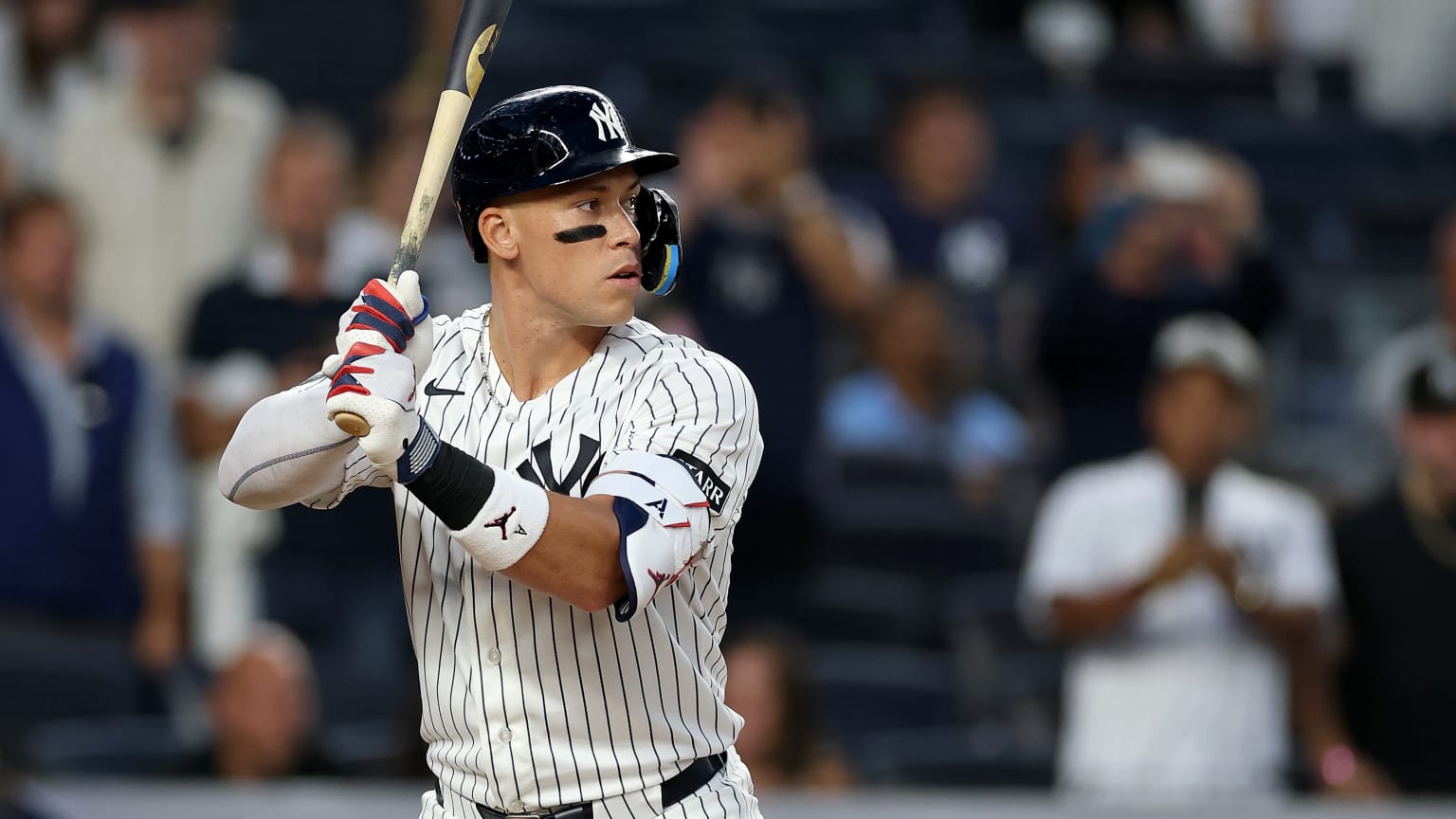
Judge received a positive follow-up assessment for the right rib fracture that removed him from the heart of the 2026 schedule. Cashman reported no need for another procedure and said the captain could use the winter to continue resting and rebuilding. That is a meaningful update after a season in which the injury and a subsequent September right calf strain held Judge to just 66 games. But the next test is whether he can progress from a reassuring examination to the full demands of swinging, running and defending over a lengthy schedule.
The difference between a medical update and a baseball forecast is familiar to New York after this season. Judge's fractured rib did not simply take one famous slugger out of the lineup. It changed the way opponents could pitch to the rest of the order. Fewer dangerous hitters means fewer mistakes punished, and a struggling supporting cast can suddenly turn an opposing starter's comfortable innings into a routine evening. A healthy Judge would make the lineup significantly more threatening; the Yankees' problem is that they cannot use his presence as their only offensive improvement.
The summer offered an uncomfortable measure of the exposure. While Judge was missing, New York endured extended periods of low scoring and weak team on-base production. Those numbers were affected by other injuries as well, so it would be simplistic to assign every slump to one absence. The broader lesson is still unavoidable: a club expecting to compete for a title needs viable run creation from several positions when its best hitter is unavailable or pitched around. Depth is not a luxury once injuries become part of the season rather than an abstract possibility.
That challenge leads directly into the questions Cashman raised about the infield. Anthony Volpe has increased his positional flexibility, including work that could put him in consideration at second base. Luis García Jr. is another option the club is willing to examine there while also viewing him at first. Ryan McMahon remains an important part of the third-base discussion. These are options, not resolved lineup cards. Moving one player can solve a defensive alignment issue while creating a different offensive or depth question somewhere else. The Yankees should judge each configuration by the complete batting order it produces, rather than by whether it fits one familiar position label.
There is a temptation to promise that an entire offense will rebound once the captain returns. Judge's combination of patience and power makes that optimism understandable, but it would also leave the club vulnerable to the next unforeseen absence. More production from secondary hitters, a practical platoon where necessary and more competitive at-bats from the lower third of the lineup would reduce that dependence. The best injury news for Judge should give Cashman room to build aggressively around him, not a reason to postpone the work.
GOATIFY
GOATIFY Baseball
As New York weighs how much to build around its captain, explore GOATIFY baseball apparel and accessories for fans following every Yankees decision.


White Baseball GOAT Dad Hat
A white baseball GOAT design for ballpark days and everyday fan style.
Shop Now ↗


Gold Baseball GOAT Sweatshirt
Rep baseball’s greatest with a gold GOAT graphic sweatshirt.
Shop Now ↗
White Baseball GOAT Sticker
A white baseball GOAT decal for your bottle, laptop or game-day gear.
Shop Now ↗Bednar's deadline and two open positions test Cashman's flexibility
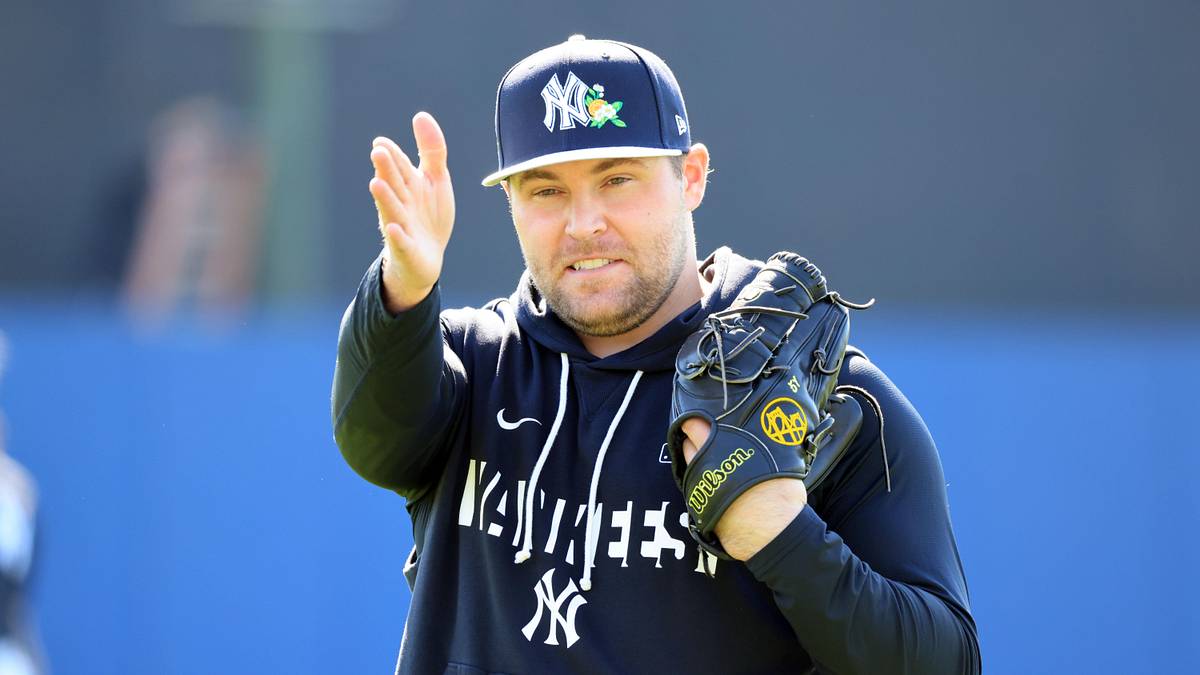
The most immediate contract deadline belongs to David Bednar. The Yankees' closer has until November 17 to accept or reject a one-year qualifying offer worth $23.15 million. That decision matters because the club already expects significant turnover among its relievers. Bednar converted 35 of 39 save opportunities in 2026, a record that makes him far more than another name on a long free-agent list. If he remains, New York has a credible late-inning anchor. If he departs, the front office has to replace both innings and the specific responsibility of protecting narrow leads.
Neither outcome should be treated as settled. Accepting the offer would create a sizable one-year commitment but could bring immediate certainty. Declining it would not automatically mean Bednar is gone; it would instead open another negotiation or route into free agency. Cashman also identified Tim Hill and Paul Blackburn among the looming bullpen vacancies. Those gaps are interconnected. A strong closer matters less if there are not enough trustworthy pitchers to bridge a one-run lead through the seventh and eighth innings.
The question is how New York allocates attention and resources across those problems. An offseason can look productive on paper while leaving an important imbalance. Spend heavily on the ninth inning without adequately rebuilding the middle relief corps, and the closer may rarely enter with a lead. Chase another bat without enough defensive support, and the rotation can find itself working through longer innings. Those are not arguments against pursuing impact talent. They are reminders that major-league roster construction is about how roles fit together, not merely which acquisitions generate the largest headlines.
Catcher is another area where the Yankees have been looking for a specific improvement rather than an all-purpose superstar. Cashman wants a right-handed-hitting option who can pair with Austin Wells, defend at a major-league level and bring more offense than some of the club's recent alternatives. Such players can be difficult to find because a reliable receiver with a useful bat is already valuable to the team that controls him. A complementary signing could nevertheless add flexibility when the lineup needs a different offensive look and help the staff manage a long season.
There are smaller but revealing organizational decisions, too. New York is still working through its hitting-coach situation. On the pitching side, Matt Blake, Preston Claiborne and Desi Druschel are set to return. Aaron Gershenfeld is moving into a major-league field-coordinator and catching-coach role after work within the club's run-prevention and catching development system. None of that guarantees extra wins. It does, however, show that the Yankees are addressing the support structure around the players as they try to make improvement more repeatable.
Ultimately, Fried, Judge and Bednar belong in the same offseason conversation because the club's exposure is cumulative. A rotation with uncertain innings increases pressure on a bullpen with open jobs. An inconsistent offense forces that bullpen to operate in tighter games. A recovering star can improve the margins, but he cannot remove those underlying relationships by himself. Cashman has enough distinct decisions that the order in which he makes them may be almost as important as the names involved.
GOATIFY
GOATIFY Baseball
Offseason roster debates belong to baseball fans everywhere; discover GOATIFY baseball shirts, caps and other ballpark-ready favorites.


White Baseball GOAT Sweatshirt
Rep baseball’s greatest with a white GOAT graphic sweatshirt.
Shop Now ↗
Gold Baseball GOAT Dad Hat
A gold baseball GOAT design for ballpark days and everyday fan style.
Shop Now ↗

Gold Baseball GOAT Sticker
A gold baseball GOAT decal for your bottle, laptop or game-day gear.
Shop Now ↗Fried's outlook gives New York a reasonable starting point: a planned December throwing program, a spring-training target and strong recent performance when healthy. Judge's follow-up offers another reason for optimism. But those medical updates only clear space for the deeper offseason work. The Yankees still need a less fragile lineup, dependable innings beyond their ace and a bullpen plan that survives whatever Bednar decides.
There is a successful path here without any single blockbuster move. More reliable at-bats from multiple positions, sufficient rotation insurance, a sensible catcher complement and well-defined late-inning roles would collectively change how the Yankees absorb bad weeks. By the time Fried returns to a mound, the real measure of this winter should be whether the team has built enough alternatives that its entire season no longer depends on every ideal outcome happening at once.


















