Courtois Gets 2028. Real Madrid's Bigger Decision Starts Now.
GOATIFYReal Madrid have extended Thibaut Courtois's contract through June 30, 2028. That is the headline. The more revealing part is how little time the club has actually committed to its veteran goalkeeper compared with the long runway it has offered other established pieces of its squad.
Courtois is 34. His previous agreement was due to expire in June 2027, so the new contract adds one season. In the same run of announcements, Madrid tied Arda Güler and Aurélien Tchouaméni to 2032. Those dates tell two stories at once: Madrid still considers Courtois essential now, while refusing to pretend that the goalkeeper position can be planned indefinitely around a familiar name.
This is not a verdict that Courtois is finished. Quite the opposite. It is a study in how a club can reward elite performance while keeping its next decision deliberately close. The most interesting question is no longer whether Madrid want him next season. It is what they need to know before offering him the season after that.
A One-Year Extension Says More Than a Five-Year Promise
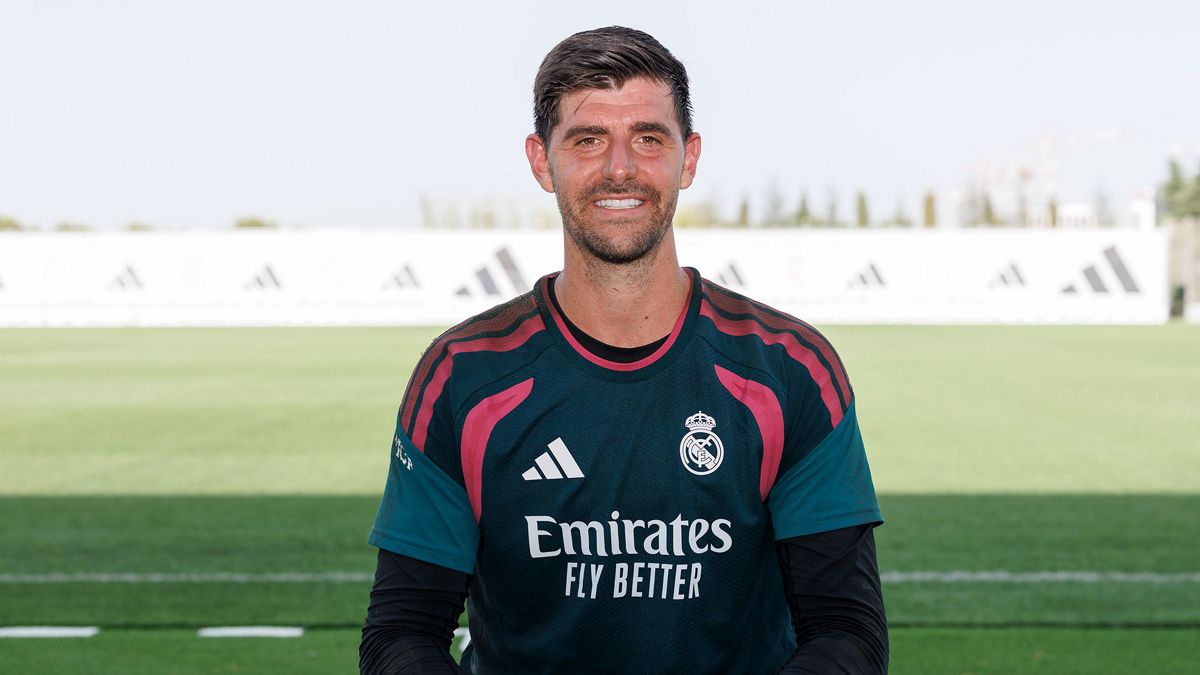
One contract announcement is a celebration. Three announcements in a week are a glimpse of an organization sorting its squad into different categories. Madrid's extensions for Güler and Tchouaméni through 2032 address players whose best years can reasonably form part of a longer project. Courtois's agreement through June 2028 addresses a player whose current importance is undeniable but whose next contract must be evaluated on a much shorter horizon.
That distinction is the real news. The club could have let the Belgian enter the final months of his previous deal, allowing every goalkeeper mistake to become a referendum on his future. Instead, it has removed the immediate distraction without committing itself to an unusually long period. The message is: you remain our goalkeeper, and we will keep reviewing the evidence. It is neither a farewell tour nor a blank cheque.
A goalkeeper's calendar is also different from an outfield player's. A veteran does not have to win repeated footraces over forty metres to remain outstanding. Positioning, timing, command of the penalty area and judgment about when to come for a cross are skills that can deepen with experience. Yet their value does not make a player exempt from the wear of a long season or the consequences of a poorly timed injury. The right question is therefore not a simplistic 'Is 34 too old?' It is 'How reliably can this particular goalkeeper deliver at his current level?'
Madrid appear to be balancing those answers. A one-year extension preserves optionality for both sides. Courtois can continue performing without an expiring-contract story hanging over every match. The club can observe his movement, availability and role in the squad before it must make the next call. That is a rational middle ground when the upside of an elite goalkeeper is enormous but the length of his remaining peak cannot be guaranteed.
The club has not publicly disclosed the economics of the new contract, and it would be irresponsible to invent a wage cut, bonus trigger or private medical condition to explain its length. The known difference is duration. That matters enough on its own because years on a contract are not only a sign of affection; they are an exposure to future outcomes. If the team is trying to keep its next core together, every commitment narrows the room for other decisions.
The timing also matters. Madrid could announce a long-term plan for younger players and a shorter deal for their established goalkeeper without needing the public to interpret one as a snub. This is a club that has to win immediately while planning several seasons ahead. Güler and Tchouaméni have been placed on the longer clock. Courtois has been placed on the clock that matches a late-career elite starter.
GOATIFY
GOATIFY Soccer
Explore Madrid-inspired football apparel from the GOATIFY Soccer collection.


Lamine Yamal – Young GOAT Football Crewneck Sweatshirt
A football fan design for everyday wear.
Shop Now ↗
Bottlers FC Tottenham Hotspur Parody , Spursy Hoodie
A football fan design for everyday wear.
Shop Now ↗
Kylian Mbappe Ninja Turtle Soccer Euro 2024 Mug
Add football personality to your coffee break.
Shop Now ↗
Cristiano Ronaldo – GOAT Soccer Graphic Gift Tee
A football fan design for everyday wear.
Shop Now ↗
Kylian Mbappe Orange Ninja Turtle Michelangelo Sticker
Add football personality to your favourite gear.
Shop Now ↗Supporters may want an emotional resolution to a player who has delivered enormous moments. Contract management cannot be run entirely on sentiment. A carefully limited renewal can be the more respectful act: it treats the player as good enough to keep now, without asking either party to defend a speculative promise about 2029 or 2030.
Why Courtois Is Still Worth Building a Defense Around
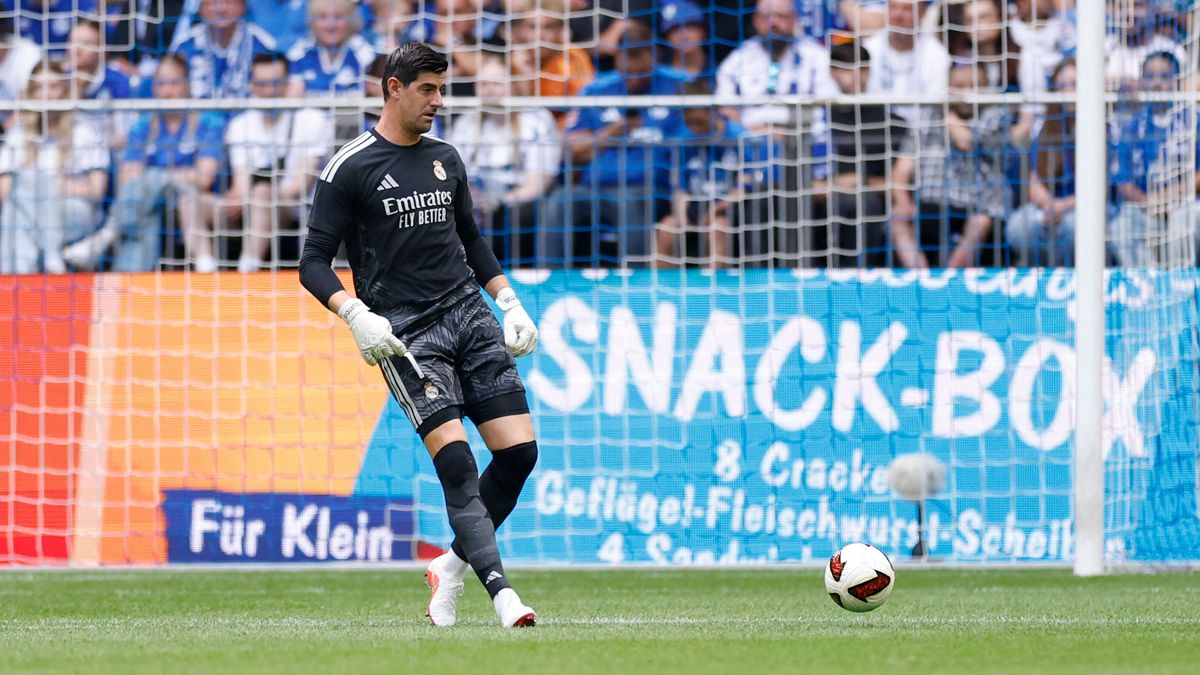
The strongest argument for keeping Courtois is much better than 'he has been here a long time.' Real Madrid's November 20 announcement credited him with 348 appearances and 14 titles since arriving in 2018, including two Champions League triumphs. The numbers establish a career, but the reputation comes from when he has made the most difficult job on the pitch look manageable.
Think of the 2022 Champions League final against Liverpool. Madrid were frequently forced to defend difficult moments, and Courtois became the difference between surviving those attacks and watching a famous final disappear. Great goalkeeping can distort the usual logic of a game: a team can lose territory, absorb pressure and still protect the only scoreline that matters. His performance in Paris was a reminder that keeping a chance out can be as valuable as creating one at the other end.
The 2024 final against Borussia Dortmund told another version of the story. Courtois returned to the biggest stage after a disrupted period and gave Madrid the steadiness required to reach the moments when their attackers decided the match. It was not a repeat of every 2022 save, and it need not be. The value of an experienced goalkeeper is that the defenders in front of him can play with a clearer understanding of the risks he will and will not take.
There are technical reasons for that value. Courtois's reach can change a striker's shooting choice before the ball is struck. When an attacker believes a normal far-post finish may still be within a goalkeeper's span, the temptation is to hit closer to the corner, harder and with less margin for error. A goalkeeper who consistently owns the high ball reduces the number of second phases a defense must survive. A goalkeeper who makes a good first pass can move the team from emergency defending into an attacking position before the opposition has reorganized.
None of those advantages is permanent simply because he has delivered them before. The difference between a valuable senior goalkeeper and an expensive sentimental selection comes down to repetition. Can he command his area on an ordinary league afternoon? Does he remain sharp during long spells without involvement? Can he recover from one mistake without forcing the next action? Major finals demonstrate a ceiling; the league calendar tests the floor.
Madrid also need to be careful about the opposite error: measuring a goalkeeper only by goals conceded. A goalkeeper's results are intertwined with defensive structure, shot quality and where the ball is lost. An aggressive back line may leave a keeper exposed to situations that look horrible on a raw scoresheet. Courtois should be assessed through the actual chances he faces, his decisions and his consistency, not by the simplest league table statistic.
That is why the 2028 deal is defensible even without any prediction of what will happen beyond it. Madrid know they have someone with extraordinary experience in the exact moments this club is built to contest. Replacing that competence just to look younger would be its own gamble. The challenge is to keep the benefit while refusing to allow past glory to become the only evidence used in future decisions.
The Injury History Is a Planning Factor, Not a Prediction
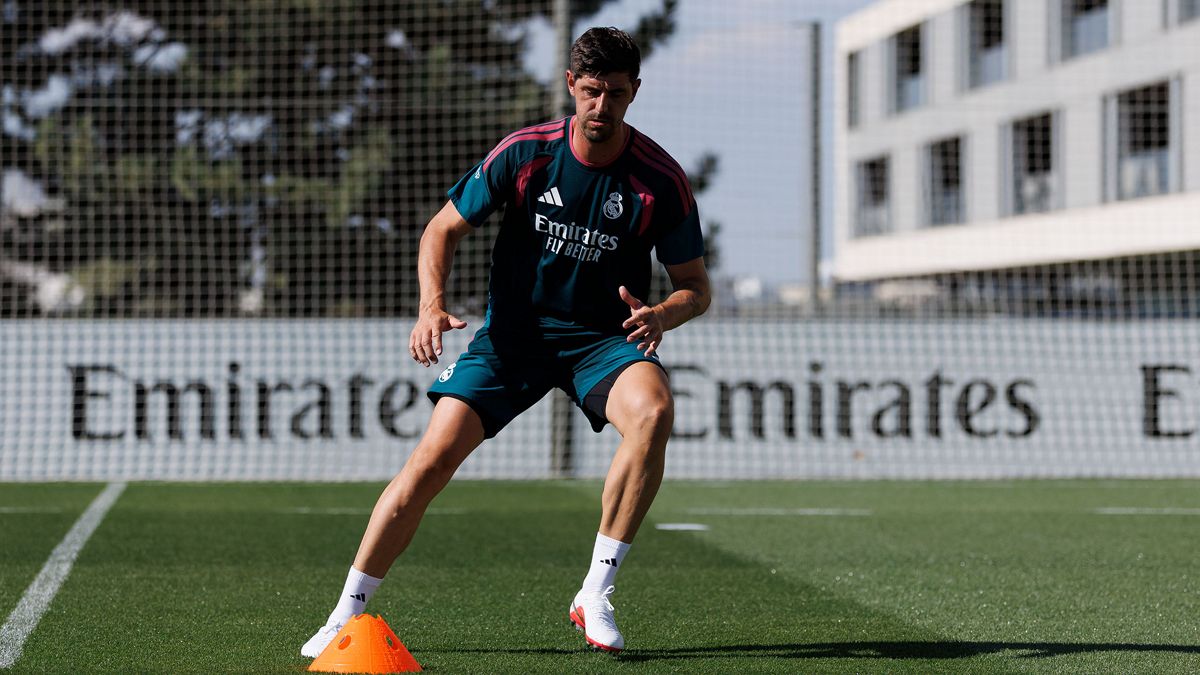
Courtois's contract cannot be understood without remembering why his continuity has already been questioned. He tore the anterior cruciate ligament in his left knee in August 2023. In March 2024, as he was nearing a return, a meniscus injury in the other knee interrupted that recovery. Those are significant events in any athlete's career, and they explain why a measured approach to future commitments is sensible even after a player resumes performing at a high level.
GOATIFY
GOATIFY Soccer
Backing the club's biggest nights? Discover GOATIFY soccer fan favorites.

Championshit Tottenham Hotspur Parody , Sweatshirt
A football fan design for everyday wear.
Shop Now ↗


Glazers Out Manchester United Fan Protest Sticker
Add football personality to your favourite gear.
Shop Now ↗

They do not prove that another injury is coming. The past is not a medical forecast, and fans cannot diagnose a goalkeeper from a clip of a training exercise. A club has access to information outsiders do not: day-to-day recovery, the quality of movement, training load and the medical team's assessments. Public analysis should acknowledge the stakes without pretending to possess those private records.
What matters strategically is the difference between being fit enough to start and being dependable across several competitions. Madrid's season can involve long travel, domestic matches, European ties and international responsibilities. A goalkeeper may not cover the same ground as a midfielder, but repeated jumping, landing, diving, contact and rapid changes of direction are not negligible. Availability is part of performance, particularly when each knockout match may carry an entire season's ambition.
Courtois has already supplied encouraging evidence that a long absence need not end elite performance. His return to Madrid's 2024 Champions League-winning side was one of the strongest rebuttals to the assumption that a serious injury must be a player's final chapter. But a comeback and a new long contract are different questions. The first asks whether he can return to form; the second asks whether a club can responsibly project that form several seasons into the future.
The goalkeeper himself has discussed preparation as an active process. During the 2026 preseason, Real Madrid published his comments about returning early to individual work, feeling good in goalkeeper sessions and wanting the team to enter the new campaign at the right intensity. Those words help explain his professional approach. They should not be stretched into a claim that his injury risk has vanished or that the club is withholding a longer deal for a hidden reason.
Load management need not mean resting a goalkeeper at the first sign of a difficult schedule. It means understanding where the important physical demands lie, monitoring the response and ensuring the team is not completely unprepared when the first-choice keeper is unavailable. A strong backup, a coherent defensive shape and regular training with the same outfield group can reduce the cost of disruption. They also protect the starter from being treated as the sole solution to every defensive problem.
There is an emotional aspect too. When a player returns from long-term injury and promptly delivers in a major final, supporters naturally see a story of resilience. That story deserves appreciation, but it should not be used to dismiss every later concern as disloyalty. Respect can coexist with scrutiny. A one-year extension creates a manageable period in which the club and Courtois can keep producing evidence, rather than making a much bigger promise based on either optimism or fear.
The 2028 Deadline Makes Succession a Live Question
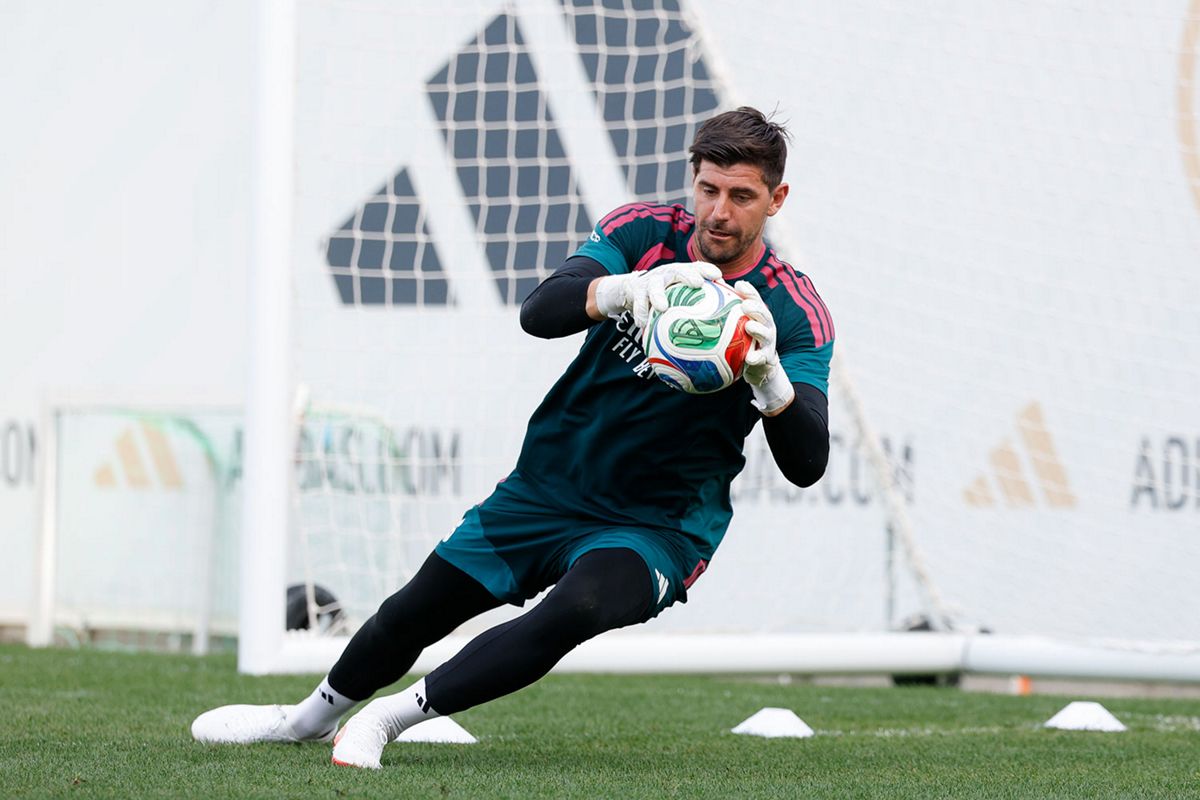
Extending Courtois until 2028 solves the immediate contract problem. It does not answer the question Madrid will eventually have to face: what does the first team look like when he is no longer the automatic choice? A succession plan is not the same thing as deciding to replace him today. It means doing the work early enough that the moment of transition is a football decision rather than an emergency purchase.
The first piece is an honest definition of the role. Madrid require more than a goalkeeper who posts attractive save compilations. Their starter may spend long stretches defending very little against a deep opponent, then face one high-quality counterattack that determines the match. On another night, especially in Europe, the defense may retreat and ask the goalkeeper to survive wave after wave. He must be comfortable receiving under pressure, reading the space behind the defensive line and making clear decisions at set pieces.
GOATIFY
GOATIFY Soccer
Follow Madrid's next chapter with football designs for match day.

Trashford Marcus Rashford Manchester United Hoodie
A football fan design for everyday wear.
Shop Now ↗


Kylian Mbappe Ninja Turtles football/ soccer Sticker
Add football personality to your favourite gear.
Shop Now ↗
Kylian Mbappe Ninja Turtles football/ soccer Mug
Add football personality to your coffee break.
Shop Now ↗
Manchester United Ratcliffe Out, Glazers Out Sweatshirt
A football fan design for everyday wear.
Shop Now ↗Those demands should guide scouting more than reputation alone. A younger goalkeeper with impressive reflexes might still need work on crosses, distribution or positioning. A technically polished passer may struggle when forced to defend a crowded six-yard box. Even the ideal replacement on paper would need time to build understanding with Madrid's defenders. That is an argument for preparing the pipeline, not a verdict that a specific young name should be signed immediately.
There are several sensible routes. Madrid could keep a trusted deputy engaged and evaluate whether he is capable of taking the job. They could develop a younger goalkeeper with regular competitive minutes, using loans or a clear progression path rather than a permanent seat on the bench. They could scout the market now and wait for a genuinely suitable opening, accepting that the best option may not become available on the same timetable as a contract expiry. Each has costs, and no public contract announcement tells us which path the club has chosen.
Avoiding a panic purchase has a monetary upside as well. Clubs pay a premium when everyone knows they urgently need a position filled. Madrid have bought breathing room with the Courtois extension. That time can be invested in better information: a full-season assessment of candidates, more observations against varied opponents, and a realistic understanding of the wages and transfer fees attached to different options. No specific transfer price has been confirmed here, so any claimed cost of his successor would be a guess.
There is also a human problem that planners sometimes ignore. A legendary starter and an ambitious understudy can exist in the same dressing room only if roles and expectations are managed clearly. Promise an immediate change that never happens and the deputy loses trust. Promise the veteran unconditional selection and the club risks undermining competition. The best arrangement gives the incumbent the respect he has earned while allowing the future to be judged on merit.
Courtois's new deal creates a natural checkpoint before the summer of 2028. By then Madrid will have much more information about his health, consistency, motivation and how the squad around him has evolved. They might decide to extend him again; they might decide the next generation is ready. Nothing about the November announcement requires either conclusion today. What it does require is serious preparation for both possibilities.
That is the difference between succession planning and a succession rumor. The former is quiet, repetitive work driven by evidence. The latter is often a list of famous goalkeepers attached to Madrid without a deal, a timetable or a credible explanation of fit. Madrid's best move may be to keep the sporting decision private until the evidence is strong enough, rather than turn every Courtois performance into a public audition.
Courtois earned this extension through more than longevity. His Real Madrid record, biggest-match performances and ability to return after major setbacks make another season of commitment entirely understandable. But the club's decision to stop at 2028 is at least as important as the decision to extend him at all.
Madrid have chosen continuity with a review point. Güler and Tchouaméni are tied to the distant horizon; their goalkeeper is trusted for the near one. The arrangement lets the team chase trophies without pretending it can suspend the passage of time. The next contract will be written by what Courtois does between now and then, and by whether Madrid have prepared an alternative good enough to make a genuine choice.
The real success would not be proving that a 34-year-old was too old or that a legend never ages. It would be reaching 2028 with two credible outcomes and no panic. That is what intelligent squad planning looks like when the man in goal has already given you plenty of reasons to believe.
GOATIFY
GOATIFY Soccer
Shop GOATIFY soccer and football shirts, hoodies and stickers.


Stop INEOS, OUTEOS Manchester United Fans Hoodie
A football fan design for everyday wear.
Shop Now ↗
Jude Bellingham – GOAT Football Muscle Shirt Tank
A football fan design for everyday wear.
Shop Now ↗
Manchester Shitty Football Parody Decal Sticker
Add football personality to your favourite gear.
Shop Now ↗
Glazers Out Manchester United , Red Letters Sweatshirt
A football fan design for everyday wear.
Shop Now ↗
Glazers Out Manchester United , Graphic Only Tee
A football fan design for everyday wear.
Shop Now ↗