

FIA's 2027 F1 Crackdown: Separate Factories, Three-Month Engineer Waits
GOATIFYFormula 1's next cost-cap battle will be fought behind factory doors, not on the track. New FIA rules for 2027 will require teams to separate their grand prix employees, technical data and restricted workplaces from other engineering businesses in the same corporate group. Engineers switching into F1 from those outside projects may have to wait three months before starting, while internal transfers can trigger year-long commitments.
The overhaul targets a difficult question at the heart of modern motorsport: how can a spending limit be fair when some teams belong to enormous technology organisations? Red Bull, Mercedes, Aston Martin and Ferrari all have interests beyond F1. The rules are intended to make cross-division work easier to audit, not to declare that any of those teams has broken the cap.
Why the FIA wants a wall between Formula 1 and outside engineering
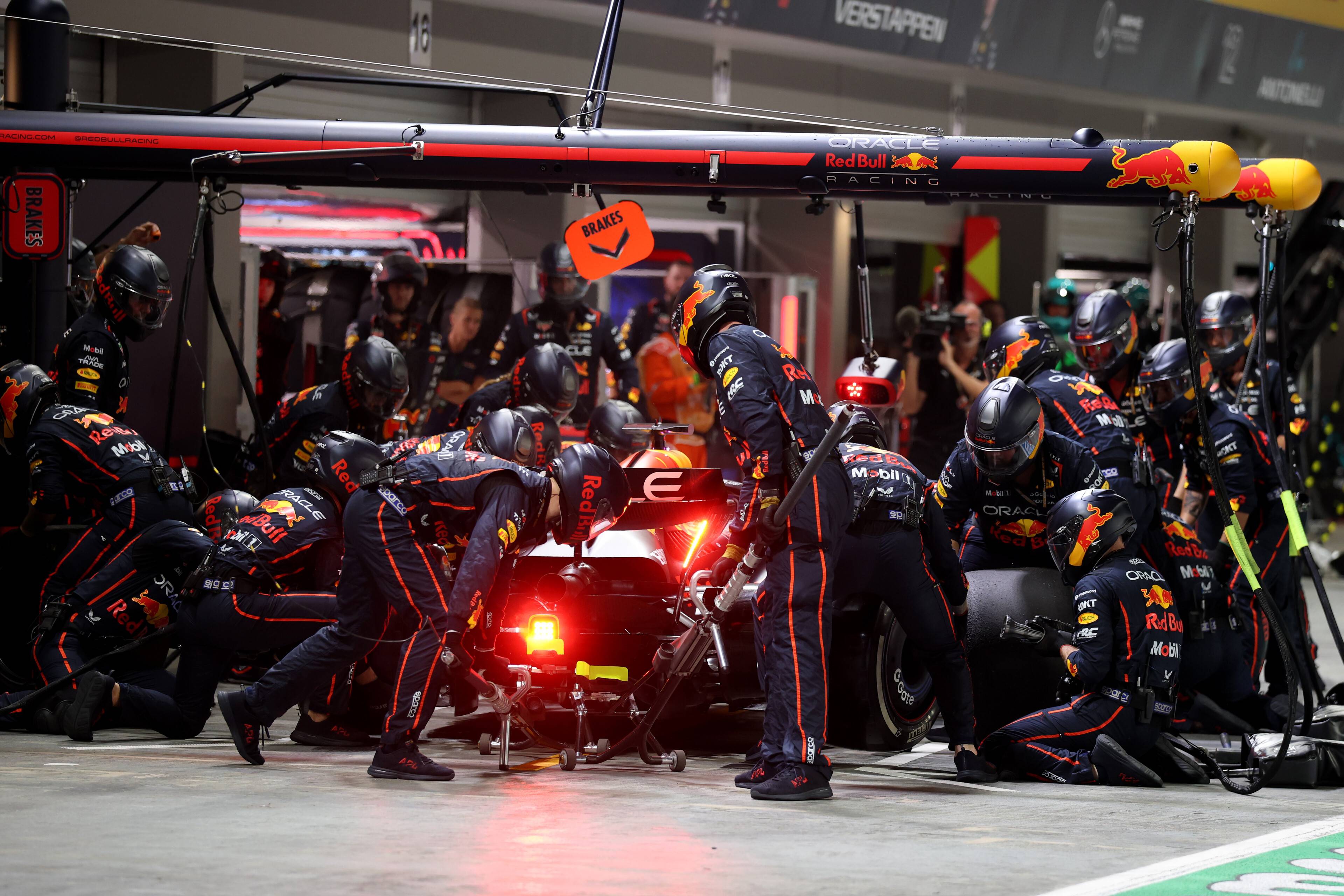
Formula 1's cost cap is supposed to make the championship a contest of ideas, execution and efficiency rather than an arms race won by whoever can spend the most. The FIA's latest intervention addresses a less visible question: what happens when a racing team belongs to a much larger engineering business? From 2027, the governing body wants the boundary between those businesses and their grand prix operations to be far easier to inspect.
The issue is not that teams are forbidden from having other projects. Red Bull operates Advanced Technologies, Mercedes has Applied Science, Aston Martin has Performance Technologies, and Ferrari's engineering interests extend beyond its Formula 1 programme. Such divisions can work on everything from advanced manufacturing and simulation to projects in other sports. The difficulty is determining where knowledge developed for one activity ends and development that benefits an F1 car begins.
Imagine a specialist officially employed on a non-racing project who develops a simulation method that later informs a race-car decision. Even if the F1 team never pays that specialist directly, it could gain an advantage that a smaller rival cannot reproduce inside its own capped budget. That is the potential loophole the new separation framework is designed to close. It does not establish that any named team has cheated, and the regulations should not be presented as evidence of misconduct.
Previous financial rules already required teams to account for relevant shared costs and technical contributions. The 2027 approach adds operational barriers rather than relying on accounting classifications alone. It is a meaningful shift: regulators are not merely asking which ledger paid for a piece of work, but which employees could access the work, which rooms they entered and which information systems they used. That turns a difficult financial audit into a broader examination of how a modern F1 organisation actually functions.

Separate offices, access logs and data systems change the factory rulebook
The most immediate practical changes will be visible at team headquarters. Restricted Formula 1 personnel and employees working on separate projects will need distinct working areas, with controls that stop either group entering the other's protected spaces. Electronic access records must be retained for three years. That gives auditors something more concrete than a written assurance that two departments were kept apart.
Shared premises are not automatically outlawed. Staff from different divisions may still use ordinary common areas, such as cafeterias or corridors, but those places cannot become informal meeting rooms for exchanging protected technical information. The distinction matters for companies whose F1 operations sit within large campuses where thousands of people may work under the same corporate umbrella. A building can remain shared while the engineering work inside it is segregated.
Specialist equipment is a more complicated case. A wind tunnel, driving simulator, test bench or data centre may be expensive enough that duplicating it makes little sense. The new framework allows certain shared use under restrictions, but the protected groups cannot simply work together or access one another's output. Scheduling, entry controls and records become part of compliance. A simulator session for an outside programme must not become an unrecorded research session for the F1 car.
The digital boundary may prove even harder to maintain than the physical one. Modern racing development depends on data, models, software and rapid communication between specialists. Access rights, stored outputs, external devices, messaging systems and third-party intermediaries all create possible routes for information to cross between programmes. The rules therefore seek to close indirect transfers as well as obvious shared-server access. Teams will have to show not only that a particular engineer was assigned to the correct project, but also that their technical work could not be quietly repurposed by the other side.
For fans, none of this will be as visible as a new front wing in Austin. Yet the effects may be substantial: organisations could need separate IT environments, more formal project documentation and different workflows for facilities that used to serve multiple departments with fewer barriers. The cost of proving separation may become an important part of the competitive equation.
Engineers face a three-month wait and a year-long commitment

The personnel rules could be the most disruptive element of the overhaul. An engineer moving from a restricted non-F1 project into a Formula 1 role will face a minimum three-month separation period. During that interval, the individual cannot simply continue working behind the scenes or access the protected technical systems while waiting for a new job title to take effect. Once assigned to the F1 programme, the person must remain committed to the permitted work for at least 12 consecutive months.
Moves in the other direction also carry obligations. Someone transferring from an F1 department to another technical business will need the appropriate contractual and access changes and a sustained period working exclusively in the new area. Their salary can still be counted against the racing team's financial cap for the relevant period, limiting the possibility of shifting employment costs away from the F1 books at a convenient moment.
Consider the difference between an ordinary internal promotion and a specialist transfer under this system. Previously, a group might have been able to move a highly experienced aerodynamicist between related programmes with relatively little downtime. Under the new restrictions, managers must weigh the cooling-off period, the minimum assignment and the cost-accounting consequences before approving that move. A short-term request for help with a simulation problem becomes much less attractive if it triggers months of restrictions.
That may encourage teams to keep a larger pool of dedicated F1 specialists or recruit externally when a specific skill is urgently needed. It could also reduce the flexibility that large technology groups have traditionally enjoyed. But the precise impact will depend on which employees and activities meet the regulatory definitions; it would be misleading to say every worker at every F1 organisation is now subject to an identical ban on internal mobility.
There is a competitive trade-off here. Restricting movement makes hidden transfers of expertise harder, which is the point. It may also make legitimate collaboration and career development slower. Teams with mature compliance systems could adapt more easily, while others may face an expensive reorganisation of staffing, software permissions and facility access before the new season begins.

What Red Bull, Mercedes, Aston Martin and Ferrari must prove in 2027
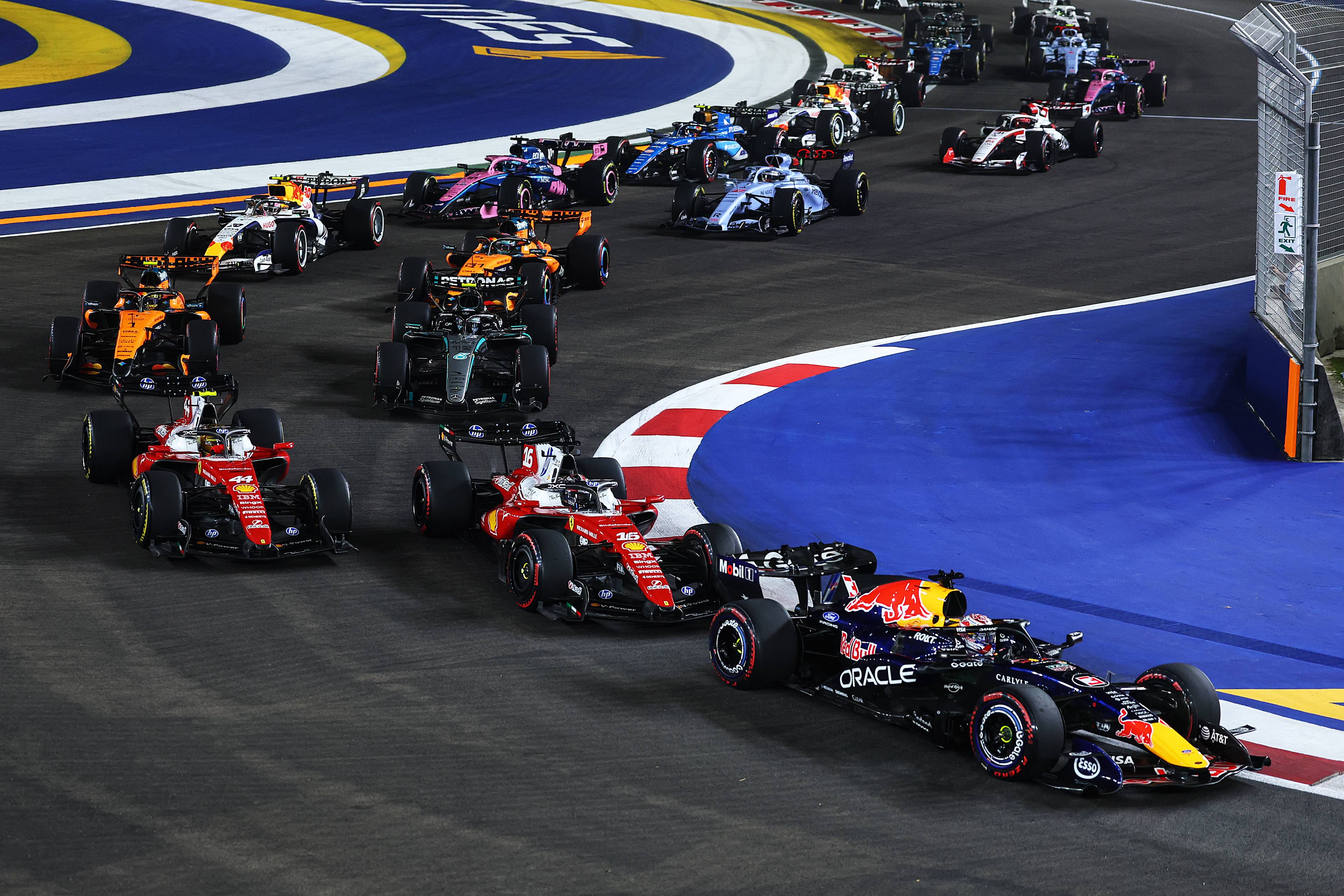
The regulations are written for the whole grid, but their practical effects will not be identical. A team that already operates as a largely self-contained racing business may have fewer shared systems to disentangle. A manufacturer or technology group with multiple engineering programmes could have more decisions to make about staffing, access, equipment and information flows. The headline names are Red Bull, Mercedes, Aston Martin and Ferrari because their wider engineering activities make the principle especially easy to understand.
Red Bull's Advanced Technologies operation is a prominent example of a non-F1 business within the same broader group. Mercedes Applied Science and Aston Martin Performance Technologies show that the issue is not limited to one manufacturer or one type of project. Ferrari's interests beyond grand prix racing provide another case in which the regulator wants a clear line between sporting work and other technical activities. Naming these divisions describes the regulatory challenge; it is not an allegation that any of them has evaded the spending rules.
The financial context makes the distinction important. Formula 1's 2026 team cost cap rose to a base of $215 million, alongside changes to which costs count toward the limit. That does not give organisations permission to fund F1 development through unrelated divisions. The purpose of the cap is to measure the resources used to compete, regardless of where an invoice happens to sit. A strong separation regime should make it harder for teams to benefit from engineering work that a rival must pay for within its capped operation.
There will also be a test of enforcement. Rules on office access and data segregation are only meaningful if auditors can examine reliable records and teams apply the restrictions consistently. The FIA has signalled a willingness to inspect the physical and digital arrangements rather than simply accept declarations. In practice, the difference between a compliant shared wind tunnel and an impermissible information exchange may depend on the timing, records and nature of the work involved.
With the 2026 title fight still occupying the headlines, the 2027 measures may sound like a back-office story. They are not. A car's competitiveness is shaped long before it reaches a circuit, by the people, software and facilities behind it. The new rules aim to ensure that the resources producing that performance are visible inside the financial framework. The teams that adapt cleanly could avoid costly disruption; those that do not may find the operational side of Formula 1 as unforgiving as the racing.
The FIA is trying to make the cost cap enforceable in the places where competitive advantages are actually created. A spreadsheet can show which department paid an engineer, but it cannot on its own prove which research that engineer shared. Access controls, separated data systems and slower staff transfers are designed to narrow that gap.
Whether the changes produce a fairer grid will depend on consistent enforcement and how teams adapt. Some organisations may need to reorganise staff and facilities; others may already operate close to the new standard. Either way, the 2027 regulations send a clear message: a Formula 1 team's engineering resources must be visible within the rules, even when its parent company works on far more than racing.

















