

Haney Says Garcia's Punches Felt Different. The Rematch Has a Bigger Problem.
GOATIFYA single sentence can reopen an entire boxing rivalry. Devin Haney has returned to the night Ryan Garcia dropped him repeatedly in April 2024, telling Club Shay Shay that the punches felt different and insisting he wants another chance to solve the matchup. The discussion is fresh, but the dispute is not: what happened in the ring and what happened afterward remain two different stories.
Garcia originally won by majority decision, then saw the result overturned to a no-contest after a positive test for the prohibited substance ostarine. The New York State Athletic Commission also suspended Garcia for a year. Those official decisions matter. They do not, however, turn the visible exchanges into an imaginary fight, automatically establish how much any substance affected an individual punch, or decide who would win another meeting.
That distinction is now more consequential because Garcia has added a major welterweight title to the discussion. Haney wants a rematch that can restore the competitive conversation; Garcia has publicly attached conditions to a return bout. One boxer is trying to settle an unfinished argument, while the other has leverage and a different view of the controversy. The interesting question is no longer simply whether they dislike each other. It is whether they can agree on a fight that answers the sporting question rather than generating another year of accusations.
Haney's explanation begins with the first knockdown

Haney's account of the first knockdown concentrates on the sensation of trying to rise. He described struggling to get his body moving even as he wanted to stand, then gathering himself and continuing. It is an unusually personal way to revisit a night that became public shorthand for his vulnerability. Instead of pretending the knockdowns did not happen, he is explaining why they felt unfamiliar to him.
The chronology matters. Garcia entered the April 20, 2024 bout as a dangerous, fast-handed challenger and had already missed the agreed weight limit. Haney, then the WBC super-lightweight champion, absorbed a series of left hooks and went down three times. The ringside decision initially favored Garcia by majority decision. The later no-contest does not alter the visual record of Haney having to recover under pressure, nor does it make Garcia's speed and timing unimportant parts of the sporting analysis.
Haney also offered more respect for Garcia's natural ability than an angry sound bite might suggest. He characterized Garcia as explosive, twitchy and dangerous with both hands. That assessment is important because it avoids reducing the entire encounter to a laboratory finding. A fighter can be legitimately dangerous and still have an official anti-doping violation attached to a particular contest. Those are not mutually exclusive statements, and confusing them makes serious analysis of a rematch harder.
From a boxing perspective, the first knockdown tells a story about the space between throwing a punch and defending the counter. Haney's jab and positioning were supposed to control distance; Garcia's left hook threatened to punish a predictable entry or an exposed exit. A successful rematch plan would have to show better hand position, shorter exchanges and more varied rhythm. The boxer who wins the public argument about why a punch felt heavy is not automatically the boxer who avoids it the next time.
GOATIFY
GOATIFY Boxing
A ringside rivalry demands boxing gear with the same energy as the biggest fight nights.


There is a human reason Haney keeps returning to that moment. Fans remember the pictures of a champion on the canvas more readily than they remember an athletic commission's later paperwork. A fighter can be undefeated in an official record and still feel that his reputation needs a direct answer. That creates obvious pressure to make the rematch, but it should not substitute for a practical assessment of the risks involved. Haney's desire for closure is understandable; whether another meeting delivers it depends on preparation, tactics and a willing opponent.
The most productive reading of the interview is therefore narrower than either fan camp's preferred headline. Haney has offered his version of the night, acknowledged the danger Garcia presents and repeated his appetite for a second fight. None of that proves a deal is close, and none of it settles what would happen at a different weight in a new year. It sets the sporting stakes, which are already considerable.
The no-contest resolved the paperwork, not the boxing debate
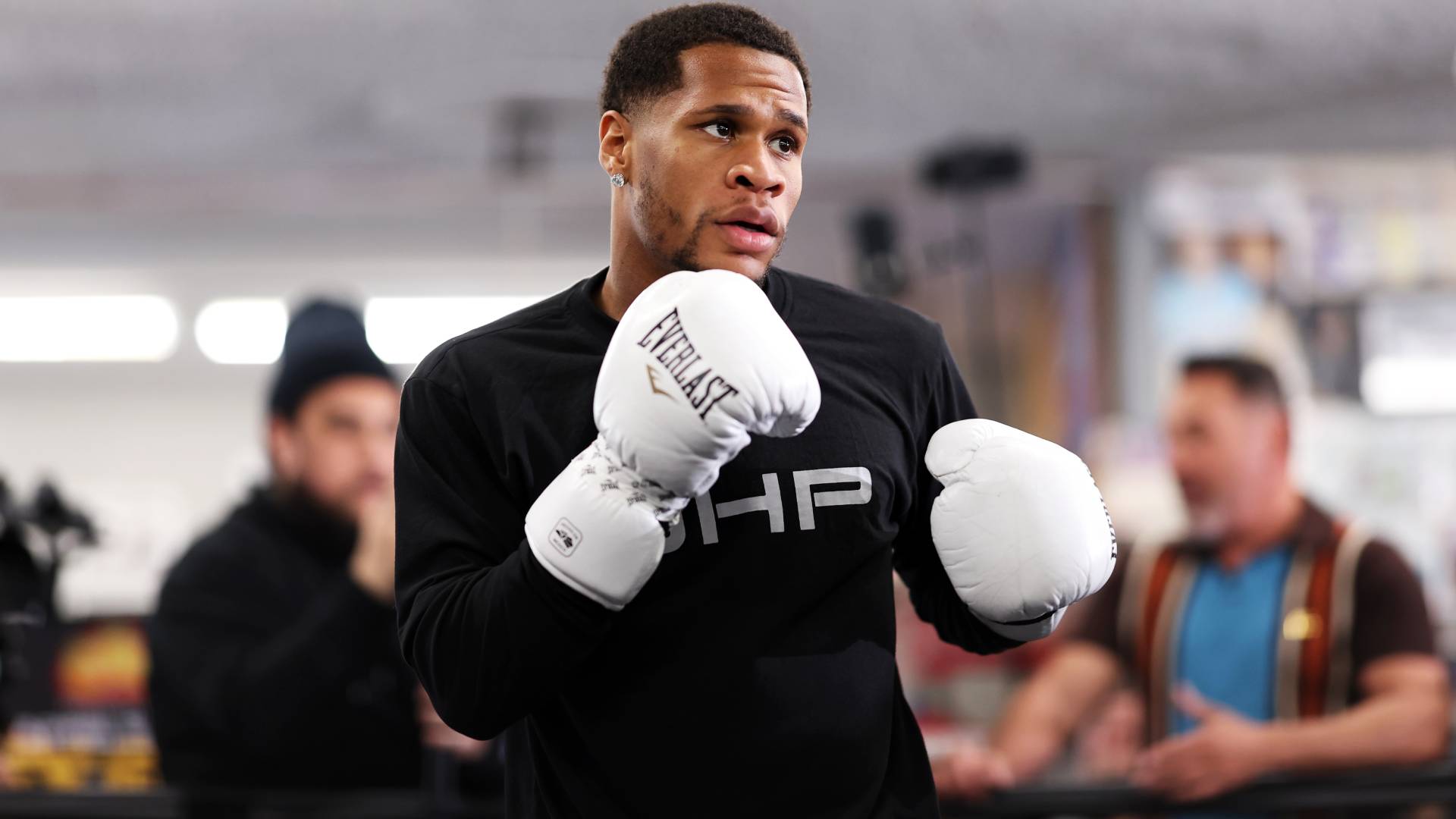
The official record is not ambiguous about the status of the first fight. In June 2024, the New York State Athletic Commission changed Garcia's victory over Haney to a no-contest following positive tests for ostarine, a prohibited performance-enhancing substance. Garcia received a one-year suspension and a financial penalty. He disputed intentional wrongdoing. The regulatory decision, however, stood, and the original majority-decision win no longer counts as an official result.
Boxing conversations frequently collapse several different questions into one. Was there a prohibited substance finding? Yes. Did the commission overturn the result and impose a suspension? Yes. Can spectators conclude from those facts exactly how much harder a particular left hook landed? No. Even when a substance has potential performance effects, estimating the cause of a specific punch requires evidence that a retrospective television clip or fighter's impression cannot provide. Haney can sincerely describe how he felt, without his personal experience becoming a laboratory measurement.
That distinction should not be mistaken for minimizing the anti-doping issue. A championship contest needs agreed rules because both sides deserve confidence in the conditions under which they compete. The integrity of drug testing protects fighters as well as results. It is perfectly reasonable for Haney's team to insist on transparent procedures before contemplating a second bout. What is unreasonable is to claim that a penalty alone gives either boxer a guaranteed answer in the ring.
The record-versus-memory split is especially sharp in a sport built around dramatic images. Garcia's counterpunching, Haney's attempts to recover and the confusion around the contest are remembered as lived moments. The commission amended the ledger, but fans can still study the footage to see where Haney was vulnerable. Conversely, a spectator who thinks Garcia looked superior on the night cannot use that impression to erase the subsequent regulatory finding. Both pieces of the story belong in an accurate account.
It also explains why an ordinary comeback victory would not necessarily quiet the conversation for Haney. His professional record may not carry the 2024 defeat, but the clips, criticism and reputation effects persist. Another win against a different opponent would demonstrate current form; beating Garcia in a cleanly administered rematch would address the exact rivalry that draws the debate. The lure is obvious, even if the sporting benefits and risks are far from symmetrical.
For Garcia, the calculus runs in the opposite direction. The disqualification is part of his career history, but he has continued competing and has new accomplishments to defend. He does not need to accept every opponent's description of 2024 to maintain interest in a major event. If a rematch is negotiated, the best way to reduce repetitive allegations is to make the testing protocol, contractual weight and relevant commission rules clear in advance, then let the new fight stand on its own evidence.
GOATIFY
GOATIFY Boxing
The official decision changed the record, but the rivalry still fuels fight-fan conversation.
Garcia's 2026 welterweight title changes the business

The rematch discussion is not occurring in a frozen 2024 landscape. On February 21, 2026, Garcia defeated Mario Barrios by unanimous decision to take the WBC welterweight title. That is more than a line on a record. It means Garcia now brings a recognized belt at 147 pounds into any high-profile negotiation, along with the commercial momentum of a major result. A hypothetical Haney fight would no longer be merely a repeat of a controversial junior-welterweight event.
The change of division matters tactically as much as commercially. In 2024, the weight controversy sat alongside the later positive test; Garcia failed to make the agreed super-lightweight limit. Any future bout requires a fresh agreement on weight, a transparent schedule and a realistic understanding of how each fighter performs at the contracted limit. It would be careless to assume their bodies, conditioning and defensive habits are identical years after the first meeting.
Garcia's supporters can point to the Barrios victory as evidence of championship-level form. Haney's supporters can counter that style matchups are not transferable: success against one welterweight does not predict what happens against a technically different opponent. Both arguments have limits. A title victory provides a recent performance reference; it does not erase the concerns from 2024 or prove Garcia will land the same counters. The strongest case for a rematch is that each man would have fresh questions to answer.
Belts also complicate who takes the greater risk. For a champion, every defense presents the possibility of losing status and future earning power. For a rival with an unresolved reputational dispute, the upside may be unusually attractive even if the matchup is uncomfortable. That imbalance can become a negotiation over purses, broadcast rights, testing arrangements, title sanctioning and whether an immediate rematch is worth delaying other career plans. None of these details should be treated as agreed unless the promoters and sanctioning bodies actually confirm them.
Publicly, Garcia has not presented the rivalry as a simple open invitation. During 2026 he said he would not fight Haney again without a change in the way Haney spoke about their first bout. The statement creates a personal precondition that may or may not translate into an enforceable negotiating term. Haney has offered a different narrative about 2024 and said he wants another meeting. Those positions are evidence of tension, not proof that the paperwork is being prepared.
The title makes all of this more interesting for fans who would otherwise dismiss another debate about the old fight. A championship storyline adds visible present-day stakes. It also raises the standard for responsible reporting: there is a difference between two fighters naming each other and a verified signed contract. As of this analysis, no confirmed rematch date or finalized bout terms are established by the reporting used here. The rivalry is live; the event is not yet a calendar entry.
The actual rematch test is tactical and contractual

Suppose the two sides eventually reach an agreement. What would Haney need to change? The answer begins with the left hook, but cannot end there. Simply promising to avoid one punch would leave too many openings for a fighter with Garcia's speed. Haney would need to vary the jab, refuse unnecessary exchanges at mid-range and exit behind a balanced guard rather than waiting in the pocket after scoring. His feet and eyes would need to agree about where the danger is coming from.
GOATIFY
GOATIFY Boxing
A welterweight championship adds new stakes for fans who follow every title fight.
Garcia, meanwhile, would have to prepare for an opponent who has spent years studying the most painful sequences of the first meeting. A repeat performance is not automatic. If Haney gives fewer predictable looks, Garcia must create his own angles, use body work and avoid becoming overdependent on a single counter. Championship rounds also demand patience when a rival declines to stand where the big shot is most effective. The fighter who adapts after the first three rounds may have more to say than the fighter who wins the opening exchange.
For Haney, composure under impact would be a storyline whether or not he invites it. The original fight became an argument about his chin, even though he did repeatedly get back up. A rematch would test his ability to absorb a hard moment without abandoning a plan. That does not mean a journalist can diagnose his confidence or infer private psychological problems. It means observable choices—how he resets his feet, whether he holds position intelligently and whether he protects himself after a jab—would deserve attention.
The second test happens long before a bell rings. A serious announcement should identify the weight class, number of rounds, title implications, commissioning jurisdiction and the parties responsible for drug testing. If enhanced testing is promised, fans should be able to learn the program's governing organization and basic timeline. Transparent procedures would serve both fighters, not simply appease one man's supporters. They would help ensure that the next result is argued about as boxing rather than as a procedural surprise.
The business details may be the hardest to resolve because the first event created strong but competing claims to leverage. Garcia can point to the in-ring performance and his present WBC belt; Haney can point to the overturned result, his own drawing power and the argument that a properly regulated rematch would be a corrective sporting event. Neither case automatically dictates the purse split. Negotiations have to account for current titles, promoters, network commitments and the appetite of a paying audience.
Boxing has a habit of selling rivalries as inevitable until the actual contracts fail to arrive. Fans are entitled to separate a provocative interview from a booked fight. If negotiations do produce an official announcement, the rivalry will be worth assessing on its own terms rather than treating 2024 as a sealed verdict. Until then, Haney's interview adds a meaningful chapter: he says he wants the man who hurt him, while Garcia has his own reasons not to accept Haney's description of their shared past.
Haney's latest comments are important because they separate his public explanation for 2024 from his willingness to share a ring with Garcia again. He says he understands the danger and wants the opportunity; Garcia's own position shows that mutual interest cannot be assumed. The commission's no-contest and suspension are established facts, but they do not provide a round-by-round forecast for a rematch.
A second fight could become an exceptional boxing event if both men are healthy, if the weight and testing arrangements are clear, and if the belts and broadcast details are confirmed rather than guessed. Until those pieces exist, the sensible position is to treat the rematch as a possibility, not a scheduled event. The lasting intrigue is simple: the official record says no contest, while the competitive argument is still wide open.
GOATIFY
GOATIFY Boxing
Explore GOATIFY Boxing shirts, hoodies, tanks, caps and stickers for fans of the sweet science.





















