

Houston's Four-Star Comets Logo Is Back — But $5.5M and the Draft Will Decide the Return
GOATIFYThe Houston Comets have their name, their colors and now a new emblem built around four stars. At an October 29 unveiling in Houston, the franchise showed off a slanted navy H crossed by a red basketball comet, setting the visual identity for its 2027 return to the WNBA. The four stars honor the four straight championships that made the original Comets the league's first dynasty.
But the important part of this homecoming is not confined to a logo. Houston is inheriting the relocated Connecticut Sun, a rebuilding roster, a valuable draft position and unusually large financial flexibility. Those ingredients offer a route toward relevance, not a shortcut to a championship. The question is whether the people running the revived Comets can turn an iconic name into a team worthy of wearing it.
Four stars, one rising H — the Comets make their first promise
The Comets' new identity makes its point before a player has even put on a uniform. The H tilts upward, a basketball cuts across its middle with a comet tail, and the familiar red, navy and silver palette returns. Inside the letter sit four four-pointed stars. They are not decorative filler: each stands for one championship from the franchise's uninterrupted run between 1997 and 2000. One star is white, a deliberate nod to Texas, while the other three are silver.
That symbolism matters because the new organization is trying to bridge two very different eras. The original team's primary mark was a script-style Comets logo with a basketball streaking through it; the new H draws more directly on a historic alternate design. It is an update rather than a replica. The team has also introduced a circular badge and wordmarks, giving the identity practical applications on apparel, courtside signage and, eventually, uniforms.
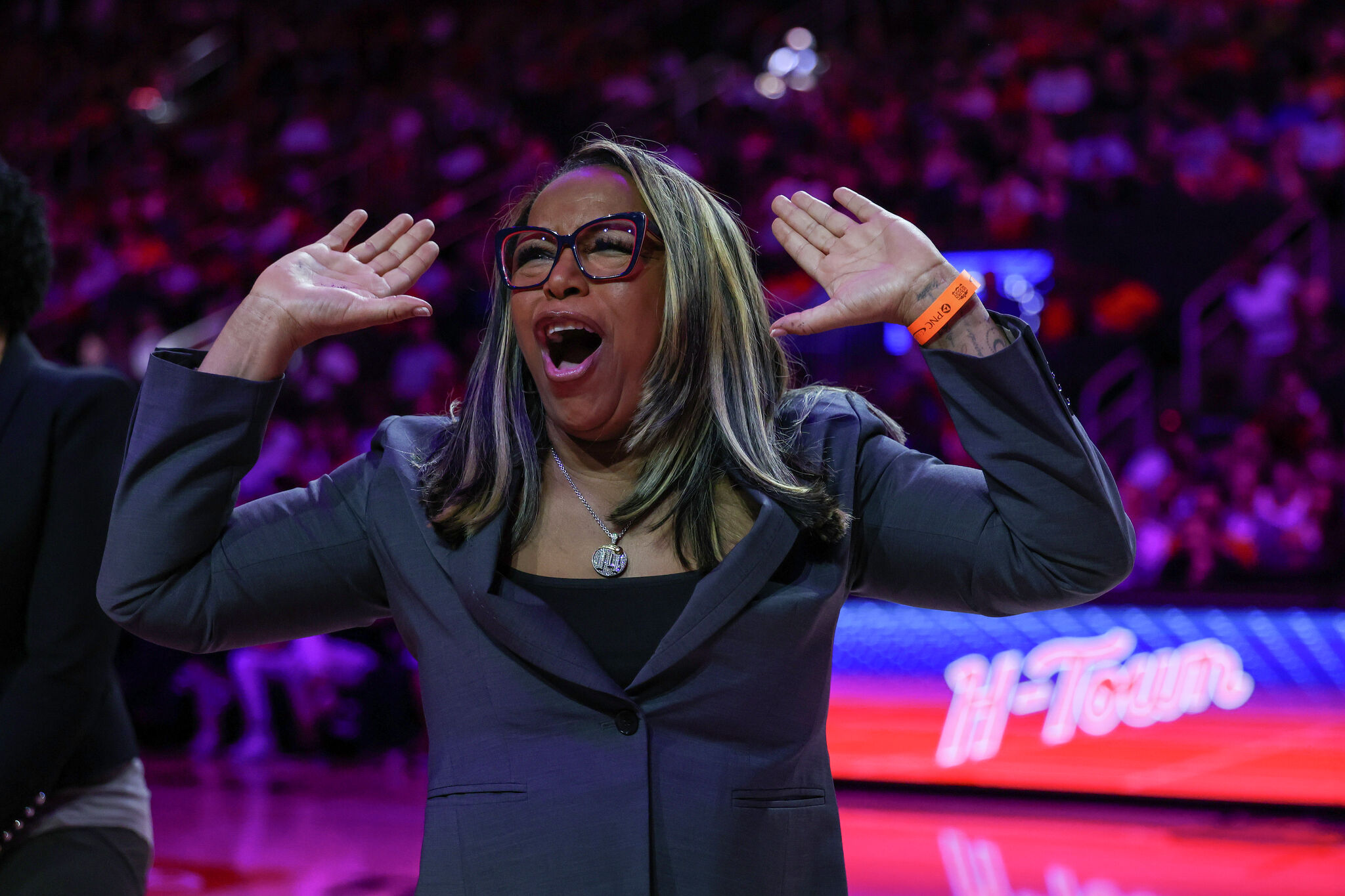
At the unveiling at POST Houston, the presence of championship-era figures made the connection unmistakable. Cynthia Cooper, Sheryl Swoopes, Tina Thompson and former coach Van Chancellor represent an era when Houston was not merely competitive but the standard everyone else chased. Their participation gave the launch an emotional center that a fresh set of graphics could never manufacture on its own. The four stars are earned history, even if the players who will next wear the name have not earned anything yet.
There are limits to what a brand reveal settles. The club has not yet unveiled its full on-court uniform set, and the return of the Comets name has faced a reported trademark dispute. Neither point should be confused with the confirmed launch of the new identity. For supporters, the immediate test is simpler: does the visual language feel like Houston without pretending that 2000 and 2027 are the same season? On that front, retaining the comet, the colors and the championship symbolism gives the franchise a credible starting point.

The original dynasty is an advantage — and an enormous burden
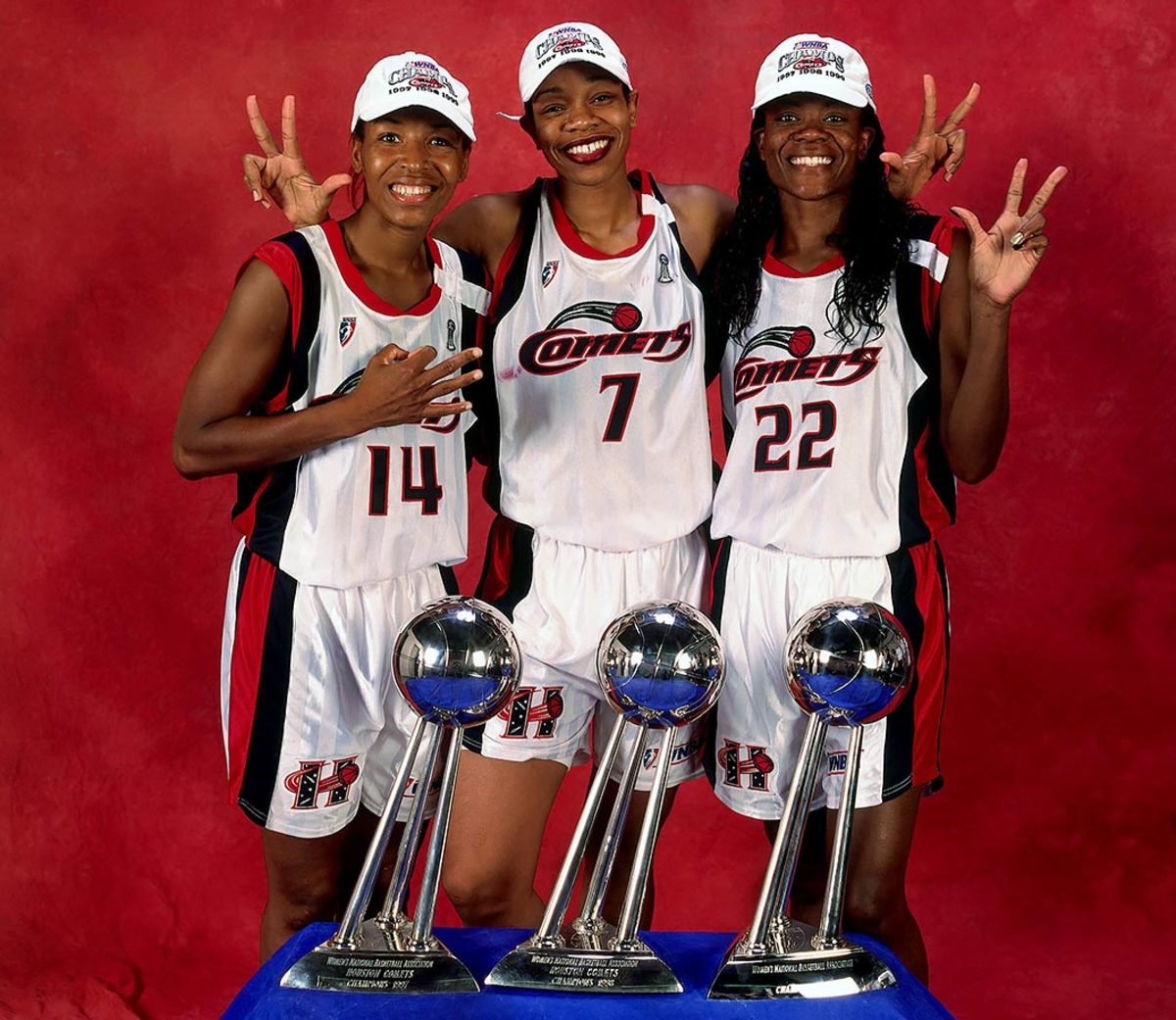
Houston's first WNBA team entered the league as one of its original eight franchises and promptly won the first four championships. Cooper, Swoopes and Thompson were not simply popular players attached to a recognizable badge; they formed the backbone of a genuine dynasty. The achievement remains exceptional because winning a single title requires talent, health and timing, while winning four in succession demands an organization that can repeatedly withstand everyone else's adjustments.
That success is the Comets' greatest marketing asset and the standard against which the revival will be judged. It is also a trap if nostalgia becomes a substitute for roster construction. The original franchise stopped operating after the 2008 season, leaving a nearly two-decade absence from the city's professional women's basketball calendar. A championship banner can welcome people back into an arena, but it cannot create an elite half-court offense or a reliable defensive rotation.
The distinction between a revived brand and a revived roster is especially important here. The 2027 Comets are not an expansion team starting from an empty player pool. They are the relocated Connecticut Sun, purchased by Rockets owner Tilman Fertitta in a reported $300 million deal. The relocation moves an existing WNBA organization, its contracts and much of its staff into a market with deep basketball history. It also means Connecticut loses a team that spent more than two decades building its own identity. Houston's celebration and that loss can both be real.
The Sun's recent competitive record explains why the new badge cannot carry the project by itself. Connecticut won only 22 of 88 games across the past two seasons, a stretch that reflects a deliberate rebuild and the difficulty of turning over a roster. Houston inherits that developmental work, including its imperfections. Fans should expect a more polished operation than a blank-slate startup, but not assume that a famous name erases two difficult years. The franchise's challenge is to honor a dynasty without forcing a young team to imitate it before it is ready.
The real headline: cap room, lottery odds and a chance to build
The most consequential numbers in the Comets' relaunch are not on the logo. Houston enters the offseason with more than $5.5 million in reported salary-cap space, a position that gives the front office room to pursue established talent while preserving flexibility. That figure is a snapshot rather than a promise that every dollar will remain available once the team makes moves. Still, it is unusual leverage for a club whose recent results have been poor.
Houston also holds a guaranteed top-three selection in the 2027 WNBA draft. The Comets share the best lottery odds with Toronto at 32.9 percent for the first pick, with the draw scheduled for November 15. That makes a top prospect such as USC's JuJu Watkins a legitimate subject of speculation, not a player Houston has acquired. Even a top-three floor is valuable: the franchise should have access to an impact prospect regardless of whether the lottery breaks its way.
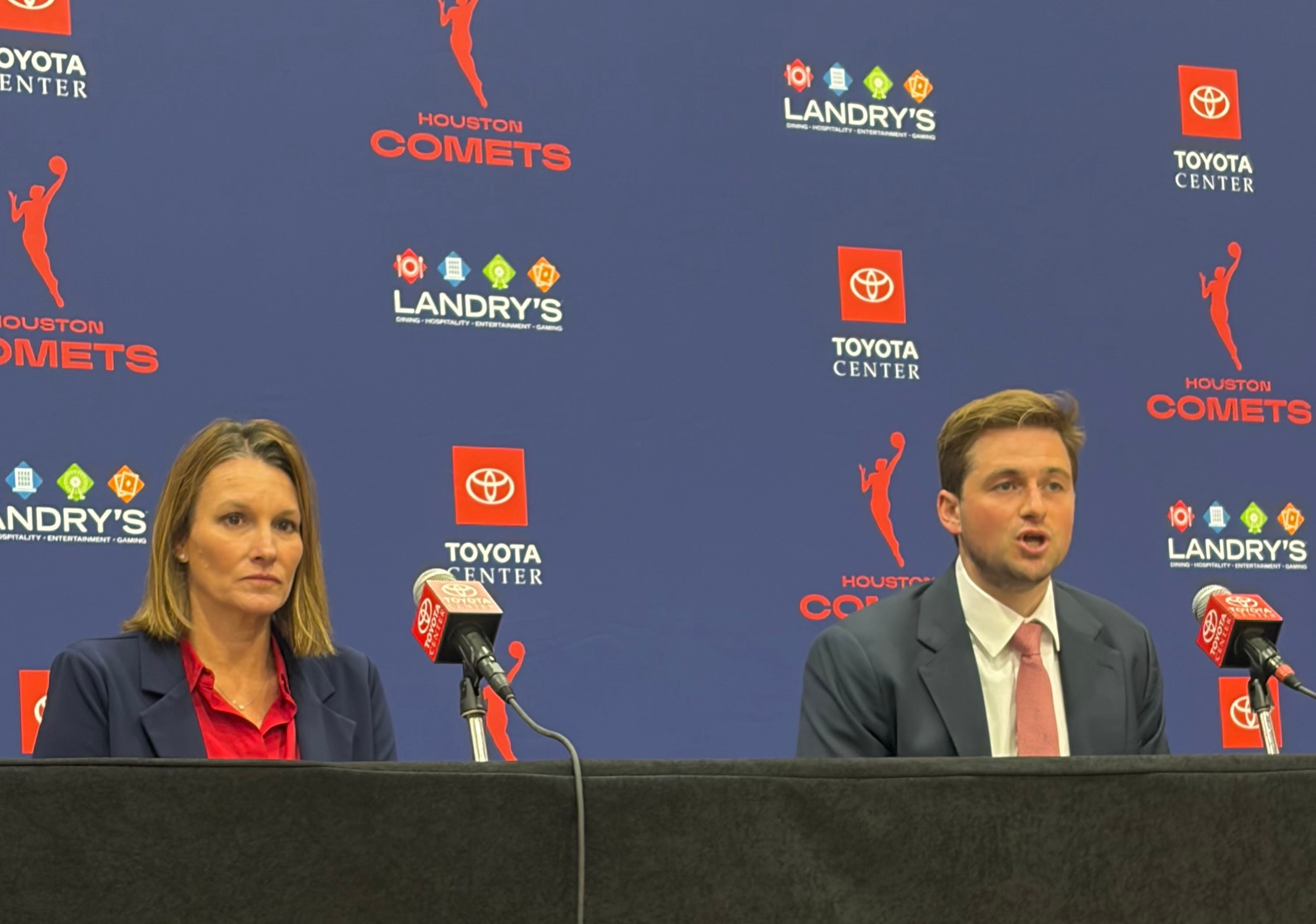
General manager Morgan Tuck and president of basketball operations Jennifer Rizzotti now face a classic rebuilding dilemma. Spend aggressively to give a young roster immediate credibility, or use the cap room selectively so the team can grow around its next draft cornerstone? There is no automatic correct answer. A veteran who can organize possessions and teach defensive habits may be worth more to a developing group than a splashy scorer whose timeline does not fit. Equally, sitting on flexibility forever would squander the advantage the Sun's difficult seasons helped create.
Brittney Griner adds another intriguing layer to the discussion. The Houston native led Connecticut in scoring during the past season but is a free agent, so any reunion with the relocated organization requires an actual agreement. The same distinction applies to every star linked with Houston by geography, marketing appeal or draft projection. A name on a wish list is not a roster spot. The clearest measure of this offseason will be whether Tuck and Rizzotti assemble complementary talent, rather than merely the most recognizable collection of names available.

Keeping Meziane gives Houston continuity, not a free pass
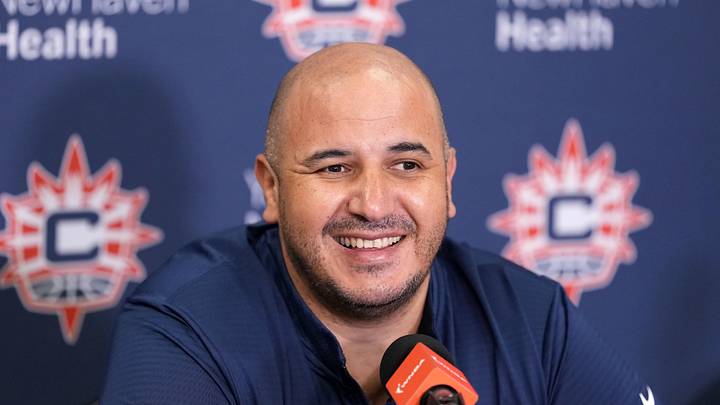
Houston is not changing everything when the franchise changes cities. Rachid Meziane will remain head coach after guiding Connecticut through the final two seasons before relocation. His 22–66 record across that stretch is impossible to dress up as success in the standings, but context matters. The Sun were dismantling and rebuilding their roster, so the front office is choosing continuity with a developmental coach rather than treating the move as an excuse to reset every basketball decision.
Meziane brings experience from French club basketball and international competition with Belgium, a background that can help him work with players at different stages of development. The relevant question is not whether that résumé guarantees wins in Houston; it does not. It is whether his methods produce visible improvement as the talent level rises. Better spacing, cleaner decisions against pressure and a defense that communicates consistently are useful early benchmarks, even before a young team becomes a playoff contender.
Rizzotti and Tuck are also relocating with the organization, preserving relationships and institutional knowledge. That can reduce the disruption of moving staff, systems and players across the country. It can also make accountability clearer. If the team improves, the existing leadership will deserve credit for work that began in Connecticut. If it stagnates after adding significant talent, the same continuity will make it harder to blame the entire problem on the transition.
There are practical milestones before anyone can judge a win-loss record. The Comets plan to play at Toyota Center, which is undergoing upgrades with the women's team in mind. The organization anticipates an opening home date during the first weekend of May 2027, although the official league schedule has not been released and is expected in December. Uniforms, roster decisions, the draft lottery and training camp will progressively turn the branding exercise into a basketball operation. By opening night, the central story should be what Houston has built, not just what it has brought back.
The Comets' new four-star emblem gets one thing exactly right: Houston's basketball history is too important to erase. But those stars belong to the teams of Cooper, Swoopes and Thompson. The next generation has to write its own story.
With cap flexibility, a top-three draft pick and a retained leadership group, the 2027 franchise has genuine tools to improve. Whether those tools produce a contender will depend on disciplined decisions over the coming months. The logo has made the introduction. Now Houston needs a roster that can carry the name.
Shop GOATIFY WNBA products from the WNBA-filtered basketball collection.



















