

Hunt Won the 1976 F1 Title by One Point — His Son Remembers What Mattered More
GOATIFYJames Hunt won the 1976 Formula 1 world championship by a single point. Fifty years later, his son Freddie is drawing attention to something the famous finishing margin cannot explain: the ability, empathy and force of personality behind one of racing's most recognisable champions. The anniversary falls on October 24, during the 2026 United States Grand Prix weekend, exactly half a century after Hunt's title-deciding drive at Fuji.
The familiar version of Hunt is a fast, fearless McLaren driver with a spectacular lifestyle and an intense rivalry with Ferrari's Niki Lauda. Freddie's new reflections give that story a more useful shape. They describe a racer who could adapt to an imperfect car, a rival who wanted Lauda back after a devastating crash, and a personality whose influence survived long after his final Grand Prix. The championship was close; the reasons people still remember it are broader.
Hunt's real superpower was making a difficult car work
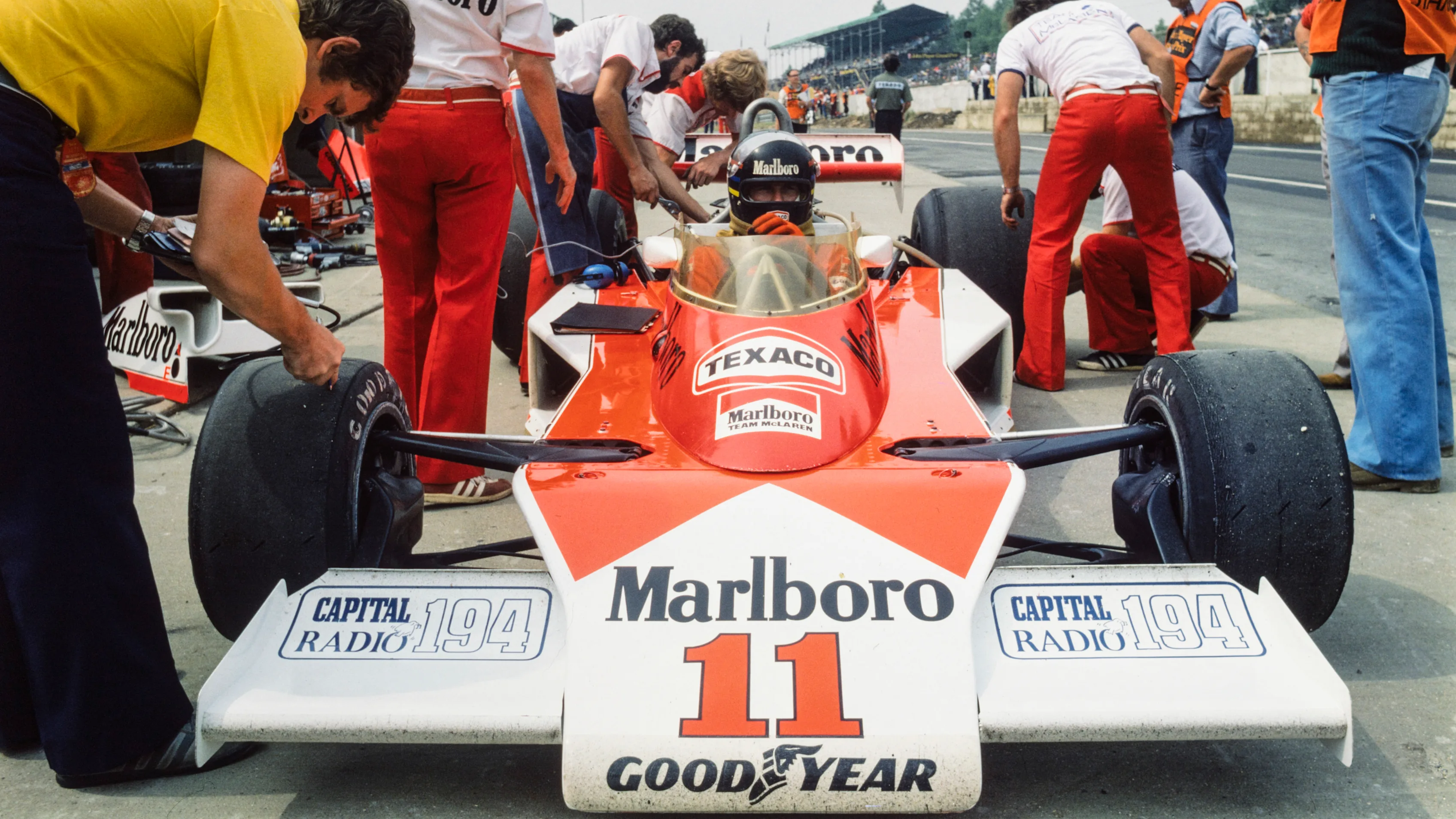
Hunt's reputation for living loudly has sometimes made his driving look like a secondary attraction. Freddie's recollections point in the opposite direction. His father's defining skill, he believes, was adapting to a car that did not behave as it should. A driver can be quick with a balanced machine; the more difficult talent is finding speed when the steering, grip or setup is working against the plan.
Freddie recalled the non-championship BRDC International Trophy at Silverstone, where Hunt kept racing after the gear-lever knob broke, leaving a metal spike pressing into his hand. The story is not evidence that pain makes a driver faster. It illustrates how little spare attention a driver could afford to give a problem once committed to a race. In an era with fewer electronic aids and much less data feedback, the person in the cockpit often had to improvise the solution.
The 1976 British Grand Prix offered a different test. After a first-lap incident, Hunt's McLaren was repaired quickly enough to continue, but the setup was far from ideal. Freddie described his father working around persistent understeer and adjusting his approach as the car changed through the race. That is an important distinction: adaptability was not a magic ability to ignore physics. It meant finding different braking points, steering inputs and corner approaches while the team had limited time to correct the underlying problem.
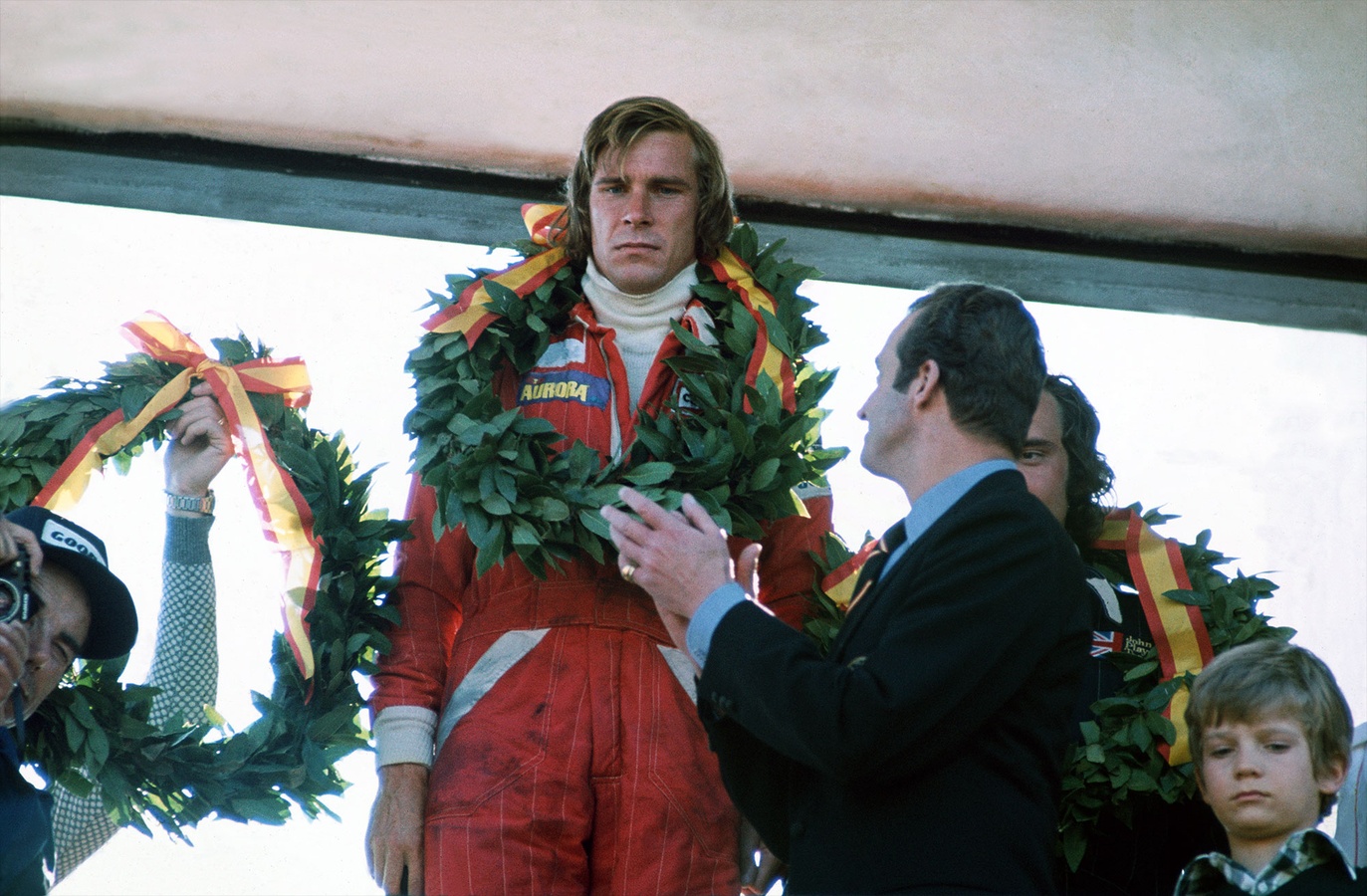
The broader 1976 campaign reinforces the point. Hunt's Spanish Grand Prix victory was initially lost to a technical disqualification and later reinstated, while mechanical problems and incidents made the title chase anything but straightforward. His six championship race victories were not simply a sequence of effortless Sundays in the fastest car. The season required speed, resilience and the capacity to recover from a result that appeared settled only to change again. Freddie's account is a reminder that Hunt's showmanship and his technical feel could exist in the same driver.
The Lauda rivalry was fierce because the friendship was real
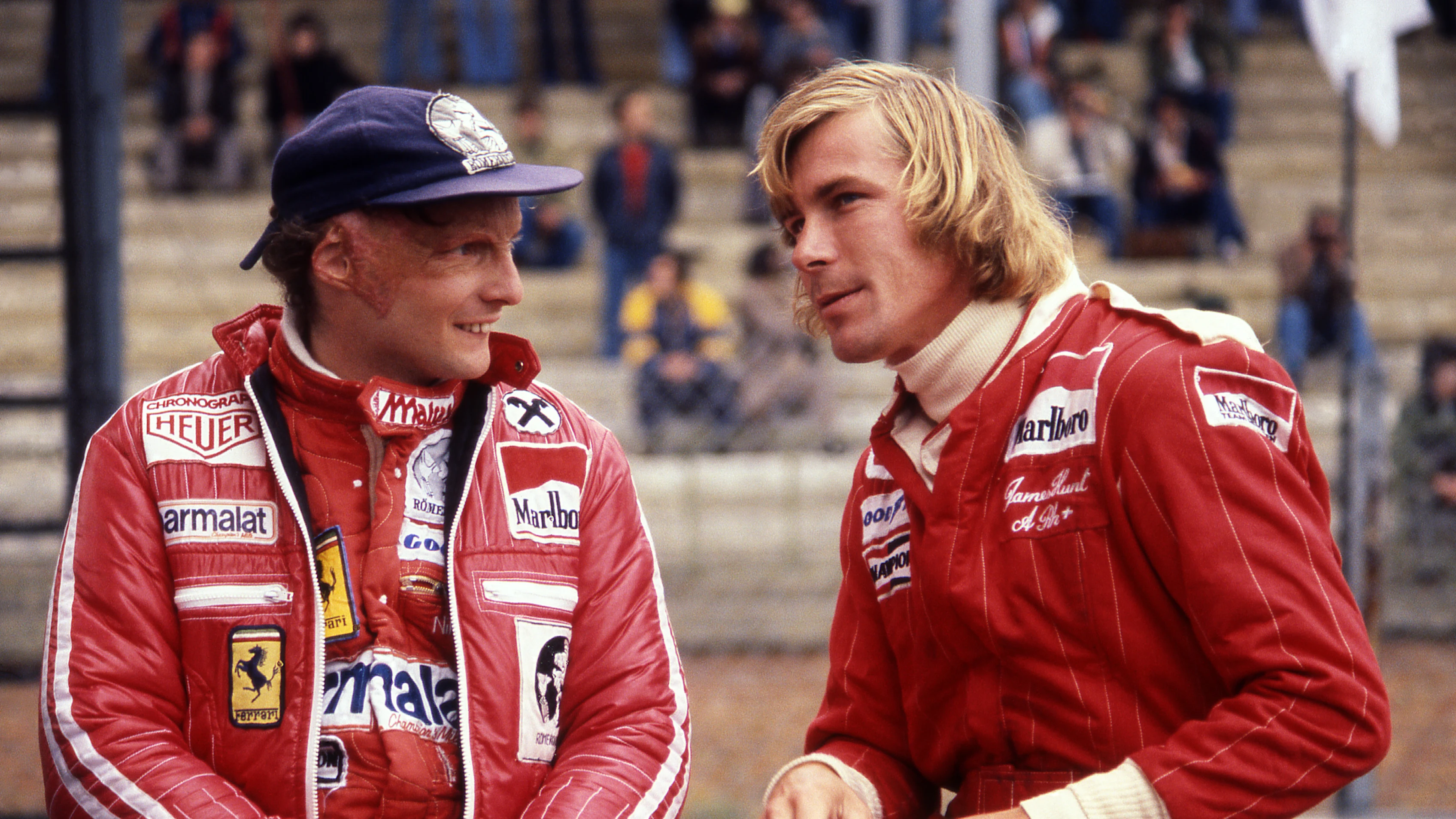
The Hunt-Lauda story is usually sold as a collision of opposites. Hunt was spontaneous and outspoken; Lauda was analytical, methodical and famously exacting. Those contrasts were real, but treating them as enemies misses the relationship that made their 1976 contest so compelling. The two men could fight fiercely for a championship while still caring what happened to the other away from the track.
Freddie described stories Lauda shared with him about their friendship, including an episode in which Hunt nearly missed a flight and another in which he reportedly stopped during a test after setting quick laps. Such anecdotes are part of the Hunt mythology, but the more revealing memories concern what happened after Lauda's crash at the Nürburgring. The Austrian suffered life-threatening injuries and severe burns; his recovery was far more important than any points table.
According to Freddie, Hunt contacted Lauda repeatedly while he was in hospital, encouraging him to recover and return to competition. That is not a contradiction. Hunt wanted to beat his rival on the circuit, not lose the rivalry because of an accident. Lauda returned at Monza just 42 days after the crash, despite the pain of wearing a helmet over healing injuries, and finished fourth. His comeback preserved the title fight and remains one of the sport's extraordinary acts of determination.
Neither man needed the other to be diminished for his own achievements to matter. Hunt's performances during Lauda's absence were genuine, just as Lauda's earlier advantage had been earned. Their relationship complicates the easy heroes-and-villains framing that dramatic retellings often invite. It also helps explain why the 2013 film Rush found such a powerful story in their season: beneath the contrasting personalities was a shared understanding of the risks and obligations of being a racing driver.
In today's Formula 1, a rivalry is often dissected through radio clips, social media and contract speculation. Hunt and Lauda offer a more enduring lesson. Respect is not the absence of competition; it is the recognition that the person in the other car is doing the same difficult job, with the same exposure to consequences when things go wrong.

One point at Fuji cannot measure fifty years of influence
The 1976 championship ended in conditions that made the difference between winning and losing unusually stark. Rain soaked Fuji Speedway in Japan. Lauda decided the visibility and danger were unacceptable and withdrew after two laps. Hunt stayed in the race, fought through a late puncture and finished third, collecting enough points to become world champion by one. The outcome is easy to describe numerically and much harder to reduce to a judgment about which man was braver.
Lauda's decision was shaped by the injuries he had suffered only weeks earlier, and the right to judge that risk belonged to him. Hunt, meanwhile, still had to bring the McLaren home in conditions that could punish the smallest mistake. Their choices were different responses to the same hazardous afternoon. Freddie says his father wished the championship could have been shared, a sentiment that recognizes how much both drivers had contributed to a season neither could have scripted.
The anniversary is particularly timely because it lands during another United States Grand Prix weekend. Modern F1 arrives in Austin with far greater safety systems, professional support and commercial reach than the paddock of 1976 could have imagined. That progress should be celebrated without turning the risks of the past into a romantic requirement for the present. Hunt's achievement belongs to its era; the lesson is not that racing needs to become dangerous again.
There is also more to Hunt's legacy than a single year. His directness and charisma helped draw people who were not previously interested in the mechanics of racing, while his later television commentary brought a driver's unsparing eye to the sport. His public image could be untidy, and admiration need not mean treating every choice as exemplary. What remains compelling is the combination of talent, candour and human connection that Freddie remembers.
One-point championships invite endless arguments about luck, race results and what might have happened without a particular incident. Those arguments are part of the sport's history, but they do not exhaust it. Hunt was a champion who could work around a damaged car, care deeply about a rival and make Formula 1 matter to an audience beyond its established fans. Half a century later, that is a richer legacy than the margin on the final standings sheet.

Freddie Hunt's memories do not ask fans to forget the flamboyant James Hunt. They ask them to notice the driver and friend beneath the legend. The 1976 title was decided by one point, but the lasting story includes Lauda's return, Hunt's adaptability and the mutual respect that survived their fiercest contest.
As Formula 1 marks the anniversary at Austin, the best tribute is not to replay the mythology without question. It is to remember that one of the sport's most cinematic seasons was lived by real people making difficult decisions in imperfect cars. That is why Hunt and Lauda still matter fifty years later.
















