

Miller Is No. 1 With the WBA. Yoka Could Still Derail His Title Shot.
GOATIFYJarrell Miller has the ranking that heavyweights spend years chasing. Now he has to protect it against a former Olympic champion who is trying to make his second professional career count. Miller will fight Tony Yoka at the Grand Arena inside the Accra International Conference Centre in Ghana on Sunday, December 20, in a main event confirmed on November 11. The show will stream on DAZN and arrives nine days after Tyson Fury and Anthony Joshua are scheduled to meet for the WBA super heavyweight belt in Cardiff.
That crowded championship picture is what gives the Ghana booking its edge. Miller is the WBA's No. 1 heavyweight contender, but that designation is not the same as having a contract for a title shot. Yoka, meanwhile, has just returned from a long spell of inactivity and wants to prove his Olympic pedigree can translate into meaningful wins over established professionals. Neither can treat Accra as a comfortable December payday. A convincing result would shape the discussion about both men's place in a busy heavyweight division heading into 2027.
The main event also has a wider purpose. Local Ghanaian fighters, an Olympic medallist and emerging British prospects will share the bill, making the night a test of whether an international promotion can help build a recurring showcase rather than simply stage a heavyweight attraction and move on.
Miller earned a ranking, not a guaranteed title shot

Miller enters the Yoka fight with momentum that looked distant at several stages of his career. In January he defeated Kingsley Ibeh by split decision. In April he followed it by outpointing the previously unbeaten Lenier Pero in a WBA eliminator. Those performances brought him to the top of the association's contender rankings and returned him to the conversation about the division's leading opportunities. The wins were not spectacular knockouts, but they supplied something Miller needed more than another headline: results against opposition with a credible reason to beat him.
A ranking can open negotiations without guaranteeing the outcome. Murat Gassiev has occupied the WBA heavyweight championship picture, while Fury and Joshua are due to contest the organisation's super title on December 11. That means Miller's next possible opponent depends on far more than the scorecards in Ghana. The champion's obligations, sanctioning decisions, available dates and the commercial pull of other challengers all matter. Promoters can talk about major nights in 2027, but this fight does not itself award Miller a contract with either titleholder.
The distinction is important because the heavyweight ladder has become congested. A fighter can be first in a particular sanctioning body's rankings while another prominent name secures the marquee opportunity. Miller has already lived through the frustration of an enormous event falling apart: a planned 2019 fight with Anthony Joshua was scrapped after failed drug tests. His subsequent route back has been uneven. The 2026 victories have reopened a path, but his position is still more vulnerable than the number beside his name might suggest.
Yoka presents a different kind of problem from the opponents who carried Miller back up the list. The Frenchman has an Olympic gold medal, a long reach and an amateur education built around controlling distance. Miller's preferred path is usually to make a fight physical, hold his ground, invest in the body and turn long exchanges into a contest of stamina and pressure. Those are stylistic tendencies, not promises of how December will unfold. Yoka could try to keep the jab moving and make Miller restart his attacks, but that approach demands disciplined footwork for the entire fight.
The American will be expected to force Yoka to defend and to make every retreat costly. Yet pressure works only when it cuts off a ring rather than following an opponent around it. If Miller lets the taller, mobile boxer dictate the range, his ranking will offer no protection when the judges are asked to separate the rounds. Conversely, if he steadily narrows the space and puts Yoka under sustained pressure, he can test whether the Frenchman's recent confidence has survived a genuine heavyweight examination.
For Miller, victory would be necessary rather than sufficient. A strong win improves his leverage with potential champions and broadcasters; a narrow win might keep his ranking intact without creating urgency for a title negotiation. Defeat would be much more damaging, because every other contender could cite it as evidence that the No. 1 slot needs revisiting. Accra is therefore a business decision as much as a sporting one: he is staking the credibility of his current status on an opponent whose own reputation needs rebuilding.
GOATIFY
GOATIFY Boxing
Miller's No. 1 WBA ranking puts the heavyweight spotlight on Accra—find GOATIFY boxing gear as the title race develops.


Yoka needs more than another comeback victory
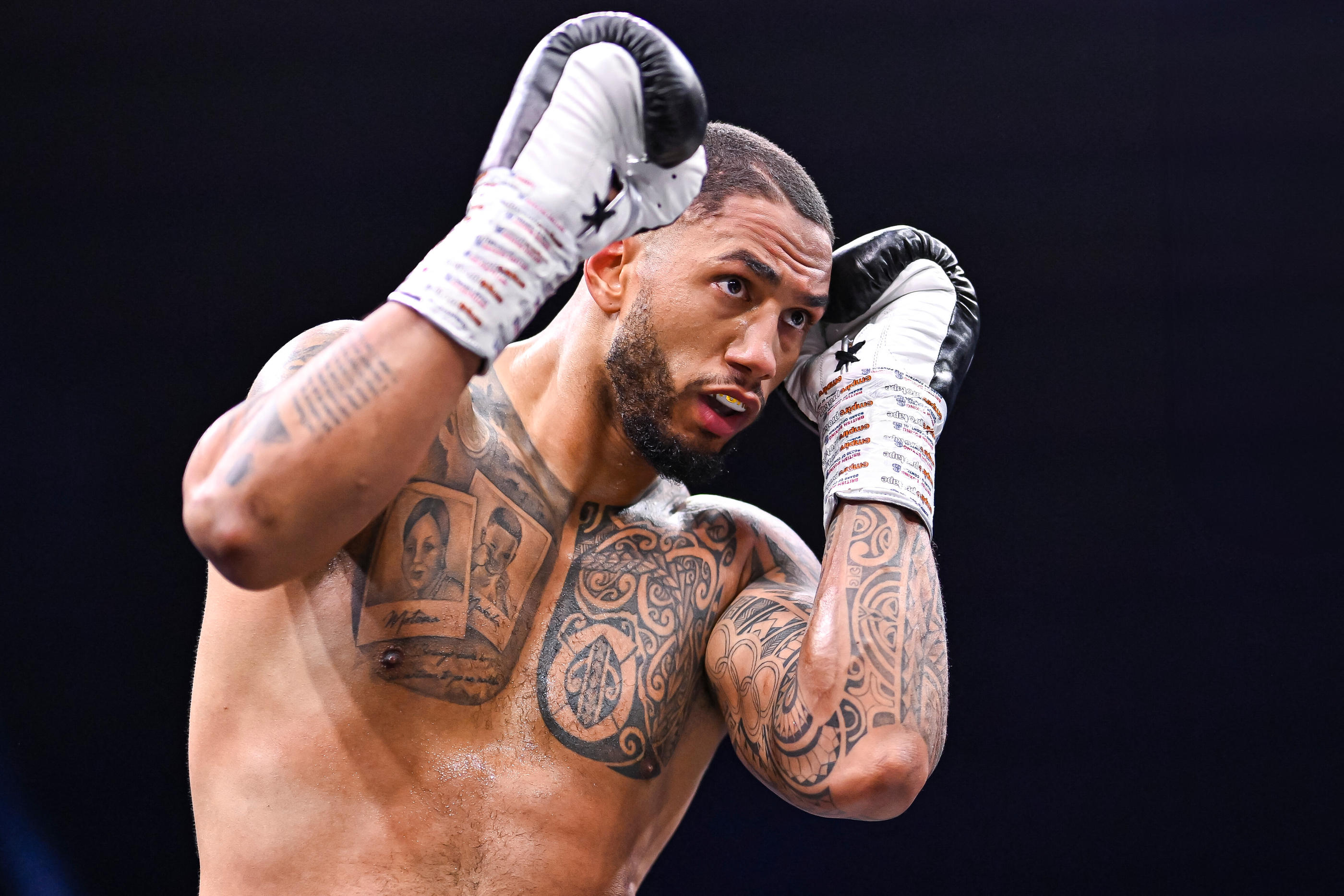
Ten years after winning Olympic super-heavyweight gold in Rio, Tony Yoka is still trying to turn that status into the professional breakthrough many once expected. The transition was never likely to be automatic. Professional heavyweights have more rounds in which to change the pace, use their size and expose habits that can be less costly in a shorter amateur contest. Yoka experienced that lesson particularly harshly during a run of three defeats, against Martin Bakole, Carlos Takam and Ryad Merhy, which interrupted the steady rise that had been imagined for him.
The recent run of victories has changed the mood without settling the central question. Yoka has won five consecutive professional fights since those setbacks, culminating in a six-round points decision against Kostiantyn Dovbyshchenko in Manchester on November 7. He took that assignment at short notice after nearly eleven months out of the ring. The decision mattered because it restored competitive rhythm; it did not prove that he was ready to outfight a WBA-leading contender. The standard of opposition he has faced during the recovery remains a legitimate part of the evaluation.
His 2026 schedule helps explain why the next booking is so significant. A planned meeting with Lawrence Okolie was cancelled following Okolie's failed drug test, while a proposed bout with Murat Gassiev collapsed when Yoka sustained a back problem. Another tune-up also failed to materialise. The Frenchman had already knocked out Patrick Korte in Nigeria in December 2025, but inactivity made it difficult to build on that win. A last-minute six-round appearance in November has now turned into a high-profile heavyweight main event just six weeks later.
There is no clean shortcut from an Olympic medal to a world-title challenge. Yoka has the tools to make an opponent pay for untidy approaches, but his earlier professional losses showed how quickly a fight can move away from the contest he wants. Miller is an awkward test precisely because he is not trying to prove he can box like an Olympic champion. He is experienced, physically imposing and content to win uncomfortable minutes. If Yoka is forced to fight with his back near the ropes, his timing and footwork will be examined far more seriously than they were against a short-notice November opponent.
For Yoka, the key is not merely landing the cleaner first punch. He must also prevent Miller from winning the exchanges that follow it. He needs enough movement to reset, enough presence to discourage a constant walk-down and enough patience to avoid turning the bout into a reckless trade of heavy shots. A crisp jab is valuable, but the real measure of his progress will be whether he can sustain a clear tactical plan when the rounds become harder. That is an informed matchup question rather than a claim about a result that has not happened.
The reward could be substantial. Beating the WBA's top-ranked contender would do more for Yoka's reputation than another low-profile comeback win, and it would make his name difficult to ignore in future negotiations. Losing would not erase his Olympic history or the work he has done to return, but it would reinforce doubts about how far that pedigree carries him at elite professional level. At 34, he needs meaningful competition more than a perfect-looking record. Miller represents both the danger and the opportunity of finally getting it.
GOATIFY
GOATIFY Boxing
Yoka's road from Olympic gold to a high-stakes comeback proves boxing careers rarely follow a straight line—browse GOATIFY fight-fan apparel.
Accra is more than a backdrop for the heavyweights
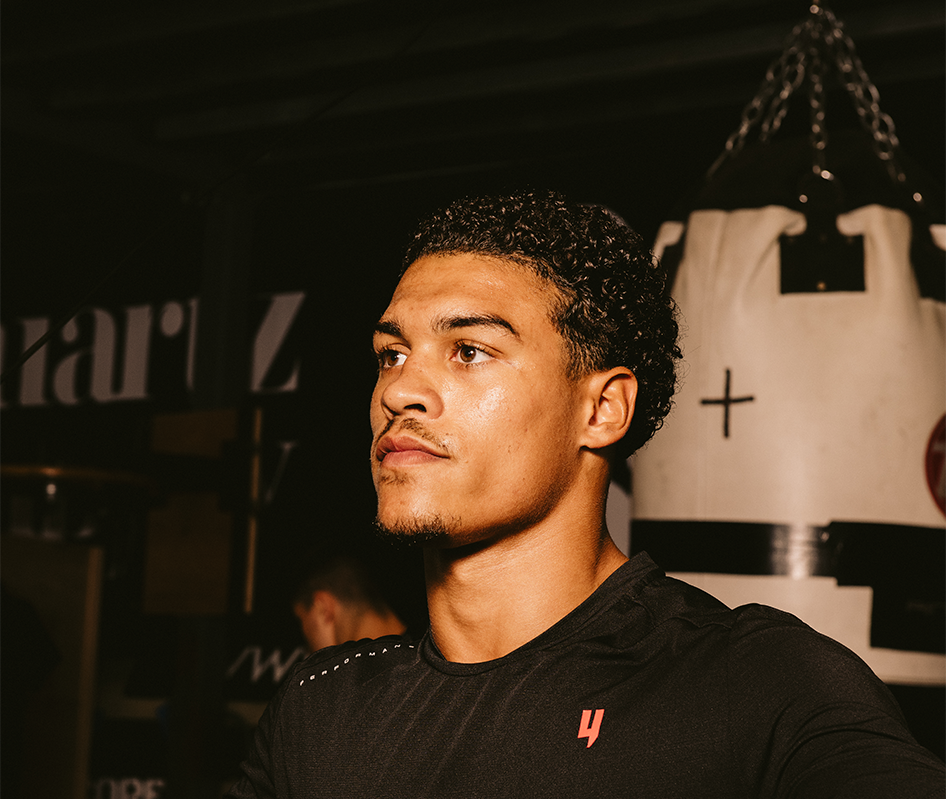
The December 20 card will take place at the Grand Arena in Accra, with Matchroom Boxing and Legacy Rise Sports promoting in association with BXG and Queensberry Promotions. The show is scheduled for worldwide DAZN coverage. Those details matter because Ghana is not merely a convenient location for an international heavyweight contest. The country has a deep boxing tradition, and the supporting fights give local and emerging fighters a platform alongside two recognisable names. A successful event would make that connection visible, rather than restricting attention to the imported main event.
One of the most compelling domestic matchups is a light-heavyweight bout between Jonathan Tetteh and Elvis Ahorgah. The announced records are 12-0 with 11 stoppages for Tetteh and 15-4 with 13 stoppages for Ahorgah. Those numbers point toward genuine knockout potential, although records alone cannot establish the quality of a fighter's opposition or predict how a matchup will unfold. For an Accra audience, the attraction is immediate: two Ghanaian fighters with substantial punching records competing on the same platform as an international heavyweight headliner.
Olympic bronze medallist Samuel Takyi brings a different kind of recognition. His medal at the Tokyo Games helped reconnect a new generation of Ghanaian fans with the country's Olympic boxing past. He is listed for the show as an unbeaten lightweight with nine stoppages in nine professional victories. Undefeated super-flyweight Theo Allotey is also on the announced bill, carrying a 15-0 record with 11 knockouts. The prospect of seeing established amateur achievement and unbeaten professional momentum side by side makes the home contingent a significant part of the appeal.
There is an international development story too. Liverpool super-welterweight Odel Kamara, 22, will take his next professional step after a third-round stoppage on his debut in Birmingham in October. Kamara has family ties to Ghana through his mother, giving his appearance a personal connection to the host country. Cruiserweight Divine Omojor is expected to return after winning his own professional debut inside the distance. Dutch lightweight Jursly Vargas, announced at 10-0 with nine knockouts, has also been booked to fight in Accra again after a stoppage there earlier in the year.
The combination of local talent, diaspora connections and prospects travelling from abroad is a more promising model than relying on a famous main event alone. Ghana has already produced world-class fighters across generations, including Azumah Nelson, Ike Quartey and D.K. Poison. The relevant question for the current organisers is whether they can turn that heritage into sustained opportunities for contemporary boxers. One televised night does not create a development system, but regular promotion, credible opponents and reliable exposure could help connect local fighters to bigger professional circuits.
For viewers following the heavyweight title race, the Accra event will arrive after the Fury-Joshua spectacle and alongside a busy December schedule. That places Miller and Yoka in a difficult but useful position: they will not be the year's only major heavyweight talking point, so the fight itself must supply its own reasons to matter. The organisers have not yet announced every opponent or the full ticket details, and there is no need to invent them. What is confirmed is an ambitious cross-promoted evening with enough substance below the main event to deserve attention in its own right.
GOATIFY
GOATIFY Boxing
Accra's fighters and international prospects have their own moment on the December 20 card—explore GOATIFY boxing designs for fans of the sport.
For all the excitement around heavyweight rankings, no belt will be handed to Miller simply for travelling to Ghana and winning. He must beat a fighter whose athletic background, reach and motivation create an authentic sporting test, then see how the WBA championship picture develops. Yoka has even more to gain in one night: an upset would reshape the story of his comeback and force the division to take him seriously again.
The most interesting outcome would be an event that succeeds on both levels. Miller against Yoka could settle an important question about two very different heavyweight careers, while the fighters beneath them make a case for future international cards in Ghana. On December 20, the main event will determine who moves forward. The rest of the bill may help determine whether Accra becomes a familiar stop on the boxing calendar.


















