

Haas Axed Ocon Early — Now Rafael Câmara Gets His F1 Debut at Home
GOATIFYHaas has confirmed that Esteban Ocon will not return to its Formula 1 race seat in 2026. That decision has handed 21-year-old Rafael Câmara a debut at the São Paulo Grand Prix, months before the Brazilian was scheduled to join the team full time. The timing is extraordinary: a team fighting for midfield points has chosen to change drivers just as the season enters its final stretch.
The official decision follows Ocon's removal during the Mexico City weekend, when reserve Ryo Hirakawa stepped in. Câmara's promotion is more than a routine substitution. It brings forward Haas's 2027 plans, creates a high-pressure home debut and leaves questions about the final rounds of this season.
Ocon's Haas exit is now immediate, not a 2027 handover
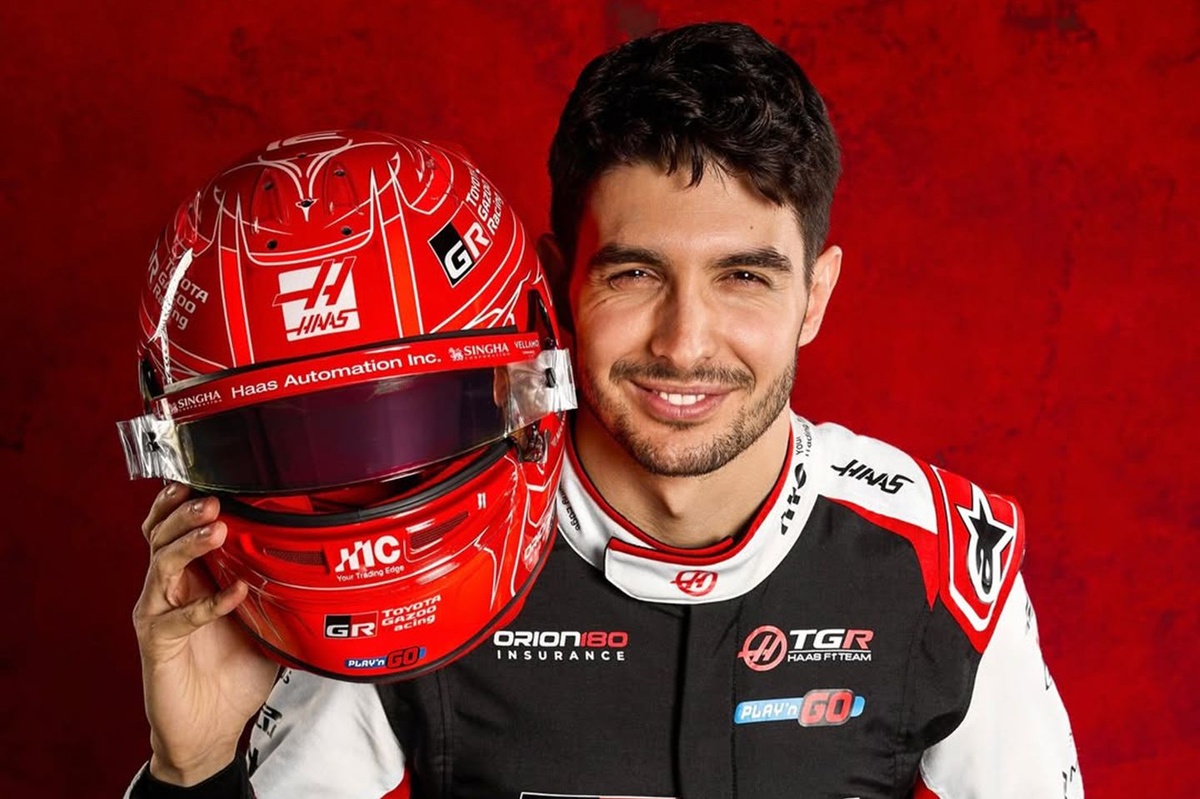
Haas has turned a planned end-of-season goodbye into an immediate break. Esteban Ocon will not race for the American team again in 2026, a decision that follows his removal from the cockpit during the Mexico City Grand Prix weekend. The move is unusually abrupt even in a paddock where driver changes can happen quickly. Ocon was already due to leave at the end of the season, but Haas has decided not to wait for the remaining four races.
The team has confirmed the outcome without providing a detailed account of the private discussions that led to it. Team principal Ayao Komatsu has framed the call as being in the team's interests. Ocon has acknowledged a disagreement while denying suggestions of physical violence. That distinction matters: the confirmed facts are the driver change, the breakdown in the working relationship and the early separation, not every allegation circulating around the Mexico weekend.
The sporting consequences are immediate. A team still fighting for constructors' points has elected to change one of its race drivers just before a demanding run of events. It also sends a clear message about how seriously Haas values alignment inside the garage. The team would rather absorb the disruption of a new driver than continue with a pairing it no longer believes is workable.
The choice also changes how the remaining races should be judged. A late-season replacement cannot be measured only against a veteran's established qualifying average: the engineers must account for limited preparation, unfamiliar procedures and the way an interrupted weekend reduces useful practice mileage. Haas needs a clean operational handover, not simply a different name on the timing screen. For Ocon, the lack of further starts removes opportunities to demonstrate form before the next contract conversation. Both consequences follow directly from the timing of the separation, regardless of what happened privately in Mexico.

Rafael Câmara gets the dream debut — and an unforgiving assignment
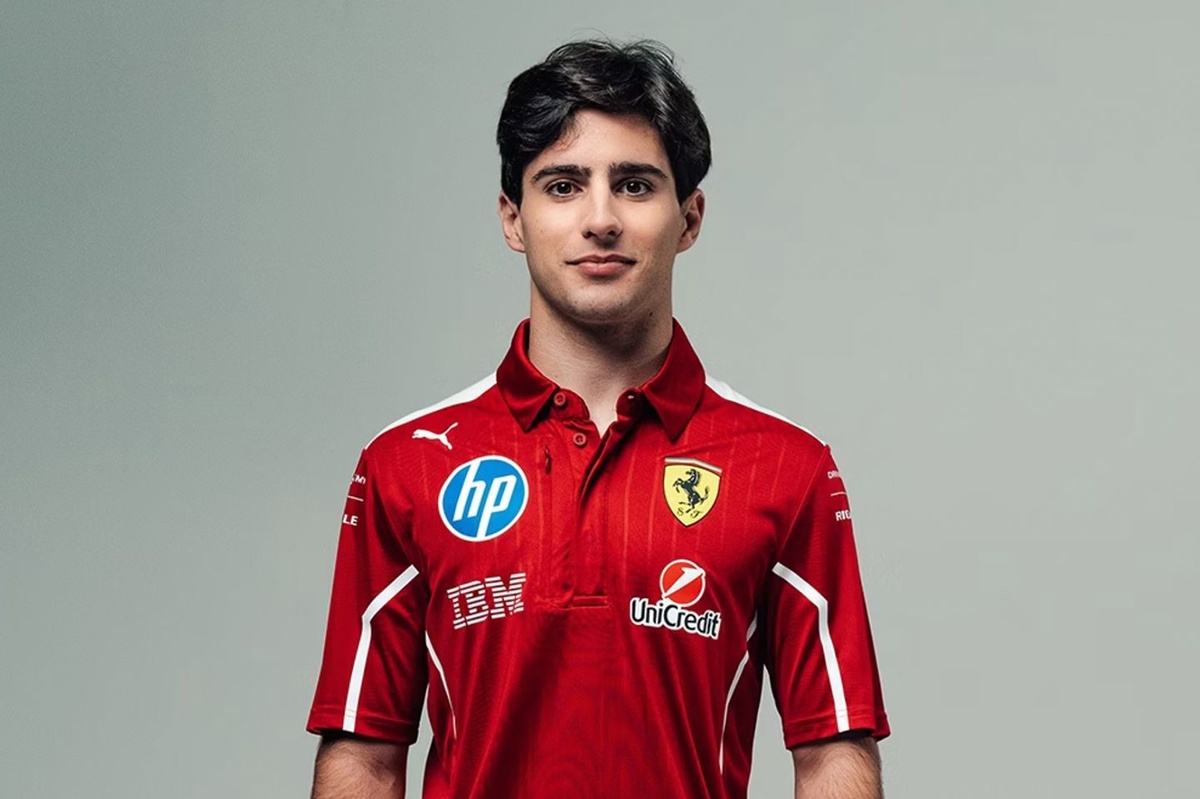
Rafael Câmara was supposed to spend the final months of 2026 preparing for his first full Formula 1 season. Instead, the 21-year-old Brazilian will make his Grand Prix debut at Interlagos, in front of a home crowd that has waited years for a new generation of local talent. Haas had already signed him for 2027. The Ocon decision has accelerated that timetable dramatically.
Câmara arrives with a compelling junior record. He leads the Formula 2 championship and is part of Ferrari's driver-development system. Haas had already evaluated him in an August test using previous-generation machinery at Portimão. That gives the team some evidence of his speed and adaptability, but a private test cannot recreate the pressure of a modern Grand Prix weekend, especially one staged at a circuit as changeable as Interlagos.
He will race alongside Oliver Bearman, another driver with Ferrari connections who has already established himself in the Haas environment. The comparison is both useful and potentially brutal. Bearman understands the team, its procedures and the way its current car responds across a race weekend. Câmara must learn those details while managing traffic, tyre preparation, qualifying pressure and the emotional noise of a home debut. A sensible weekend may be worth more than a spectacular but costly gamble.
Interlagos is a particularly demanding place to begin. Its short lap compresses the field, traffic can disrupt qualifying preparation and weather can transform the grip level between sessions. Câmara must learn where to deploy energy, how to protect the tyres over a stint and when to communicate changes in balance to his engineer. The crowd will understandably celebrate a Brazilian debut, but the most useful first-weekend indicators may be less spectacular than a points finish: consistent laps, clean procedures and progress across sessions. A sensible benchmark is whether he becomes more predictable and comfortable in the car, rather than whether he immediately matches Bearman's pace.

Why Haas could not simply keep its Mexico replacement

The simplest solution might have been to retain Ryo Hirakawa after his point-scoring appearance in Mexico. But the Japanese reserve has an existing World Endurance Championship commitment with Toyota, creating a calendar clash with São Paulo. Haas therefore faced a real operational problem rather than merely a choice between an established driver and a promising rookie.
Promoting Câmara offers several advantages at once. It fills the immediate vacancy, provides a useful head start on the 2027 programme and gives the Brazilian meaningful experience before he begins his first full campaign. It also avoids investing another race weekend in a driver who is not the team's confirmed long-term choice for that seat.
There are trade-offs. Câmara is competing for the Formula 2 title, and his schedule later in the season may complicate any plan to keep him in the car beyond Brazil. Haas has confirmed the São Paulo pairing; the remaining race-by-race arrangements should not be treated as settled until the team announces them. That uncertainty is important for anyone tempted to frame this as a straightforward four-race audition.
The calendar problem highlights how complicated reserve-driver planning has become. A driver can be technically available to a Formula 1 team yet committed elsewhere on a weekend when the team needs a substitute. That creates a choice between short-term familiarity and longer-term development. In Câmara's case, the 2027 contract makes the second option unusually attractive. But Haas still has to manage his Formula 2 obligations carefully; assuming that one home appearance automatically settles the rest of the season would ignore the practical constraints that prompted the original replacement question.
The bigger stakes: points, team culture and Brazil's new F1 generation
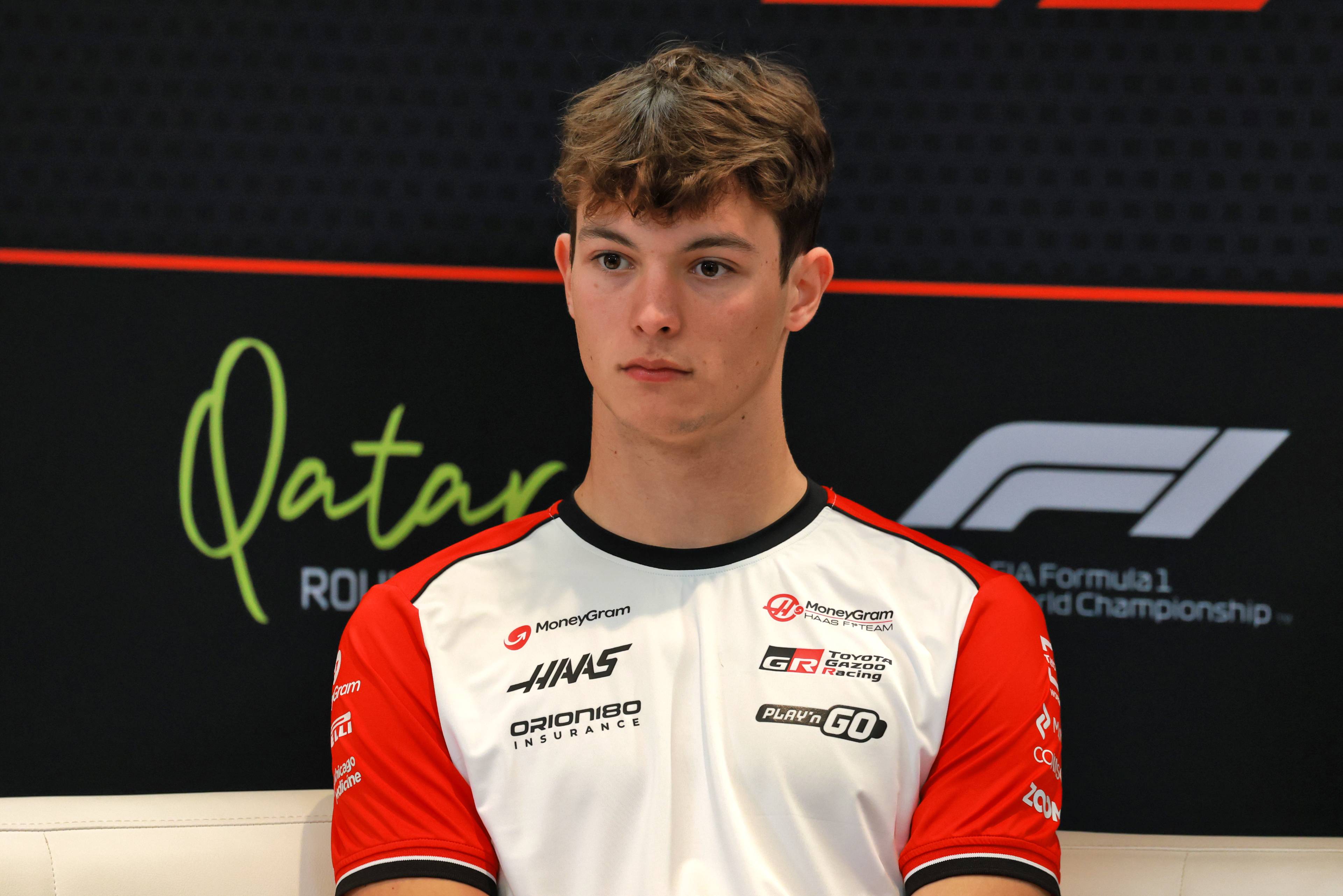
Haas is not making this change in a vacuum. The team is fighting in the midfield, where a single point can alter a constructors' position and the prize money attached to it. Bearman has supplied much of its 2026 points total. The second car needs to contribute without adding unnecessary damage or lost track time, and a rookie's learning curve creates obvious risk.
Yet there is a longer-term logic. If Câmara is the driver Haas wants for 2027, every competitive lap in the current car can shorten the adaptation period next year. Engineers can assess his feedback under real pressure; he can discover how the car behaves in dirty air and changing conditions; the garage can build working routines before the winter. None of that guarantees a strong result at Interlagos, but it makes the promotion more than a publicity exercise.
For Brazilian supporters, the timing is irresistible. Câmara joins compatriot Gabriel Bortoleto on the grid, restoring a two-driver Brazilian presence that has been absent for years. It also means his first Formula 1 start comes at a circuit closely associated with Brazil's racing heritage. The emotional storyline is powerful, but his first task is practical: finish sessions cleanly, learn quickly and give Haas the best chance of scoring.
Ocon's departure will continue to attract attention, especially while the team declines to air private details. The more revealing story may be what happens next. If Câmara handles the weekend with composure, Haas will have converted a disruptive split into a useful head start. If he struggles, the decision will underline how difficult it is to change drivers in the middle of a season. Either way, Interlagos has become one of the most intriguing midfield stories of the weekend.
The constructors' fight makes the experiment unusually expensive if it goes badly. Every lost practice run reduces the data available for setup, while a damaged car can compromise the other side of the garage through shared resources and rushed repairs. Conversely, a clean weekend gives Haas information it could never obtain from simulator work alone: how Câmara manages starts, tyre degradation, radio instructions and pressure from cars around him. Brazil's excitement is understandable, especially with Bortoleto already carrying national expectations, but the team will be looking for evidence of a driver it can build around in 2027 rather than a single headline result.
For Haas, the immediate goal is to make an awkward transition productive. For Câmara, Interlagos is an opportunity to learn the rhythms of a Formula 1 weekend before his first full campaign. And for Ocon, the abrupt ending raises difficult questions about where his career goes next. What happens on track this weekend will matter more than speculation about conversations behind closed doors.

















