

Mercedes Could Win the Title and Lose the Upgrade War — Austin Is the Real Test
GOATIFYMercedes is closing in on the two biggest prizes in Formula 1, yet its trip to Austin could reveal a problem that a championship trophy cannot hide. Kimi Antonelli leads the drivers' standings by 102 points, and the team still holds a commanding constructors' advantage. But the latest W17 development package has not produced the clean leap in performance Mercedes expected. Rivals have moved closer, and Red Bull has won the last two Grands Prix.
That makes the United States Grand Prix more than a potential coronation. It is an unusually important engineering test for a team trying to determine whether its current aerodynamic direction will still work in 2027. Mercedes spent months preparing a substantial upgrade for Malaysia, then had to compare old and new specifications in Singapore because the lap-time benefit was unclear. Austin's faster, more representative mix of corners and a full three-practice-session schedule should provide a better answer. The stakes are not whether Mercedes can finish 2026 on top, but whether it understands the car well enough to stay there.
Mercedes' big upgrade was supposed to restore its edge — instead it raised questions
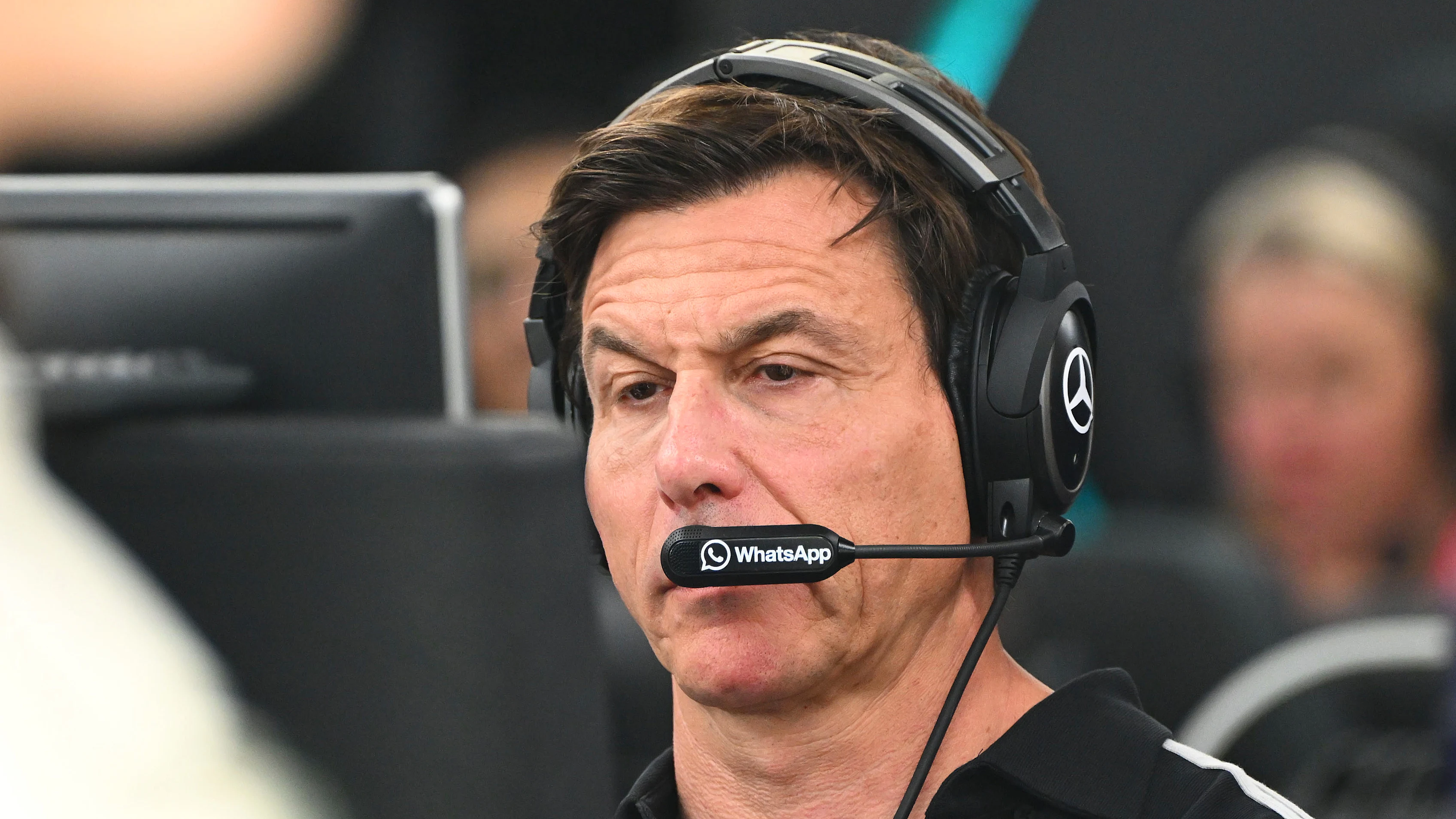
The early part of the 2026 season made Mercedes look almost untouchable. Its new-regulation car gave Antonelli and George Russell the platform to build a championship cushion while competitors searched for consistency. By the autumn, however, that advantage was no longer automatic. Ferrari had found speed, McLaren had enjoyed a strong midseason spell, and Red Bull was suddenly winning again with Max Verstappen.
Mercedes' response was a major W17 update introduced at the Malaysian round, covering aerodynamic elements including bodywork and the floor. The intention was straightforward: recover some of the performance margin that had disappeared as the other leading teams developed. Instead, the expected improvement proved difficult to find on the stopwatch. Antonelli still finished second in Malaysia, so the new car was hardly uncompetitive, but a podium alone cannot establish whether expensive new parts have improved the underlying package.
That distinction is fundamental to Formula 1 development. Engineers can measure additional downforce in a model or simulation, yet the driver needs a car that delivers usable grip across changing speeds, tyre temperatures and track conditions. A narrow operating window can erase theoretical gains. If the car becomes more sensitive to balance changes, the driver may lose time in one phase of the corner even while the aerodynamic numbers look better elsewhere.
Team principal Toto Wolff has acknowledged that the upgraded car became harder to drive and that the team had not yet extracted the performance it expected. The important part of his admission was not an assertion that the upgrade failed outright; Mercedes still believes there is useful performance in the design. It was the recognition that its direction needs more track evidence. Austin is the next opportunity to find out whether the problem is setup, circuit-specific behavior or a deeper design compromise.
Russell and Antonelli became Mercedes' most valuable comparison test
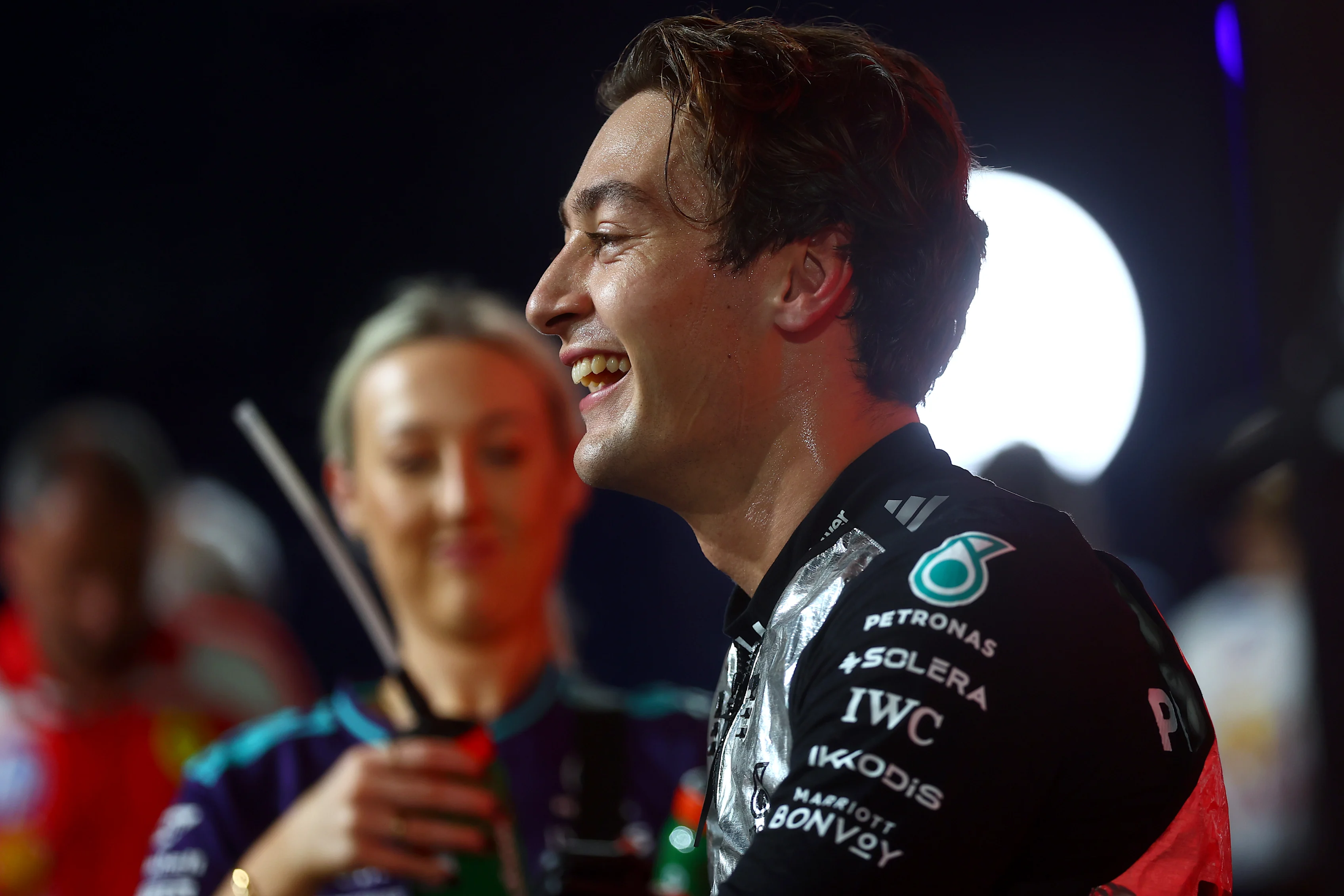
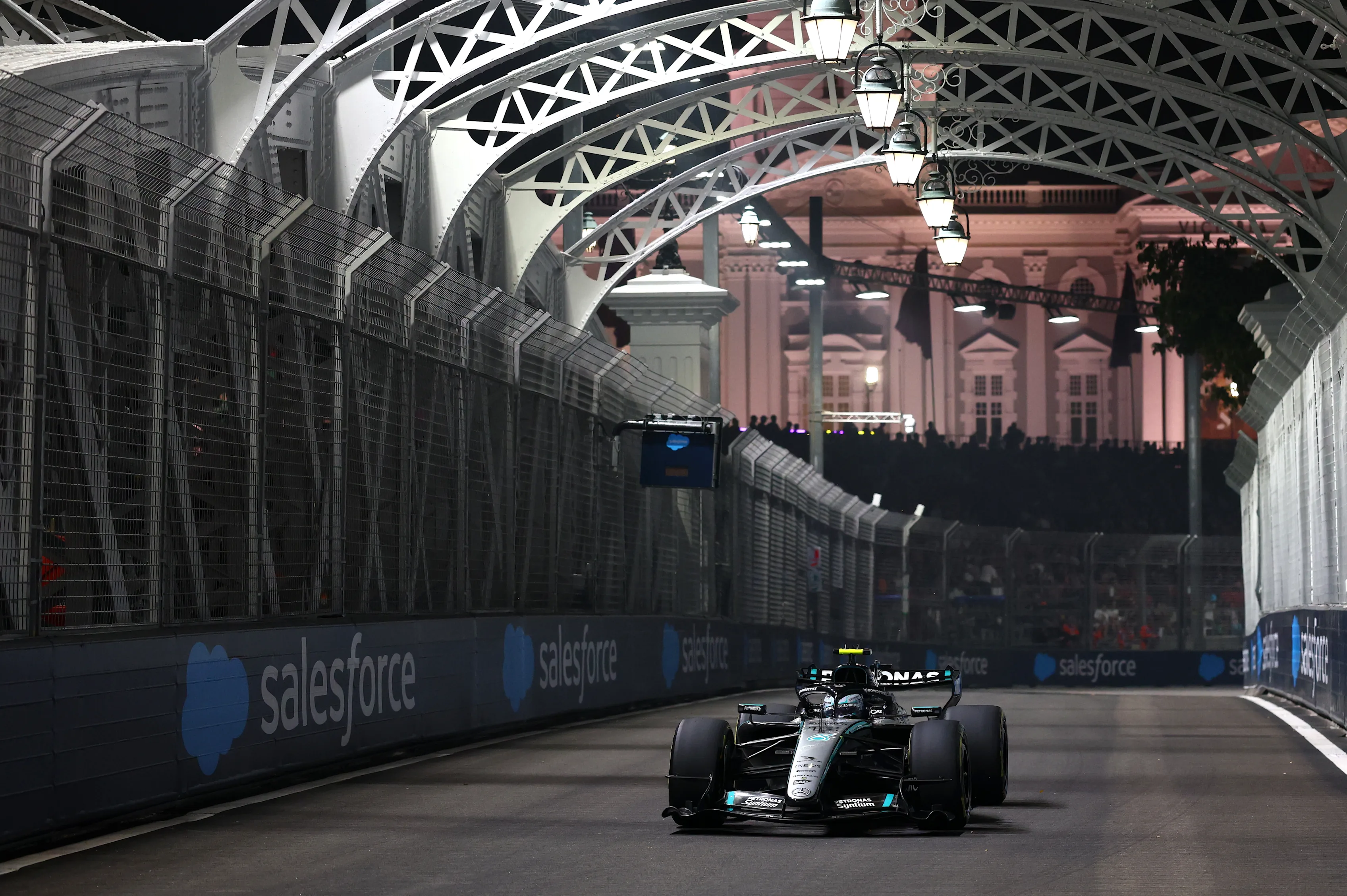
Mercedes took an unusual but revealing approach in Singapore. Russell returned to an older aerodynamic specification associated with his successful Baku weekend, while Antonelli continued with the newer Malaysia package and its accompanying front-wing work. Running two specifications at the same event sacrifices some operational simplicity, but it offers a direct comparison under broadly similar conditions.
There were reasons to be cautious about the result. Russell qualified second for the Singapore Sprint while Antonelli was seventh, yet a difference between teammates cannot automatically be assigned to a particular floor or wing. Drivers vary in style and confidence, traffic changes lap preparation, and a street circuit has its own grip and temperature quirks. Russell then crashed out of the Sprint lead, complicating his weekend further, and he faced a back-of-grid start for the Grand Prix because of an engine-component penalty.
Still, the exercise gave Mercedes useful clues. Russell's old-spec car looked stable and competitive in the early sessions, while Antonelli struggled to make the upgraded version behave consistently. The team could compare telemetry and driver feedback against its pre-event predictions instead of relying on a single car configuration. It also learned how difficult it can be to isolate the effect of several new components arriving together.
There is a commercial lesson here as well as an engineering one. Under the cost cap, a team cannot simply build and test every possible alternative until something works. Large upgrades concentrate resources and create a bigger downside if the package takes multiple weekends to understand. Smaller steps can reveal a problem sooner, but they also risk slower gains when competitors are making bold moves. Mercedes now needs to decide whether its late-season development strategy was merely hard to calibrate or whether the philosophy itself needs adjustment.

Austin gives the W17 a cleaner examination than Singapore could
Circuit of the Americas is useful because it asks several different questions of a Formula 1 car in one lap. The quick direction changes early in the lap reward aerodynamic stability and driver confidence. The long back straight exposes drag and power-unit efficiency. Heavy braking zones and slower corners demand predictable mechanical grip and tyre management. A package that performs across those demands is easier to trust than one that shines at only a narrow type of circuit.
Just as important, Austin is a conventional Grand Prix weekend rather than a Sprint event. Teams have three practice sessions before qualifying, giving Mercedes more time to experiment with setup, compare longer runs and separate genuine performance changes from fluctuations in track conditions. The team has not announced a completely new aerodynamic overhaul for Texas; the priority is to understand and optimise the recent upgrade, not to disguise uncertainty with another round of parts.
The difference between one fast lap and a useful race car will matter. A change that helps the W17 turn into high-speed corners may increase tyre stress over a stint. A setup that makes the front axle responsive might leave the rear unstable under acceleration. Mercedes will want a broad window in which both drivers can repeat strong laps, rather than a spectacular qualifying run that cannot be sustained on Sunday.
That is why the development story deserves attention even if Antonelli's title arithmetic dominates the headlines. A race win would be valuable, but so would a weekend that finally shows Mercedes which specification works and why. If the team can explain the stopwatch with confidence, the result becomes actionable information for the next car. If it cannot, the championship lead may conceal a development problem that follows the team into the winter.
Verstappen's revival makes the 2027 warning impossible to ignore
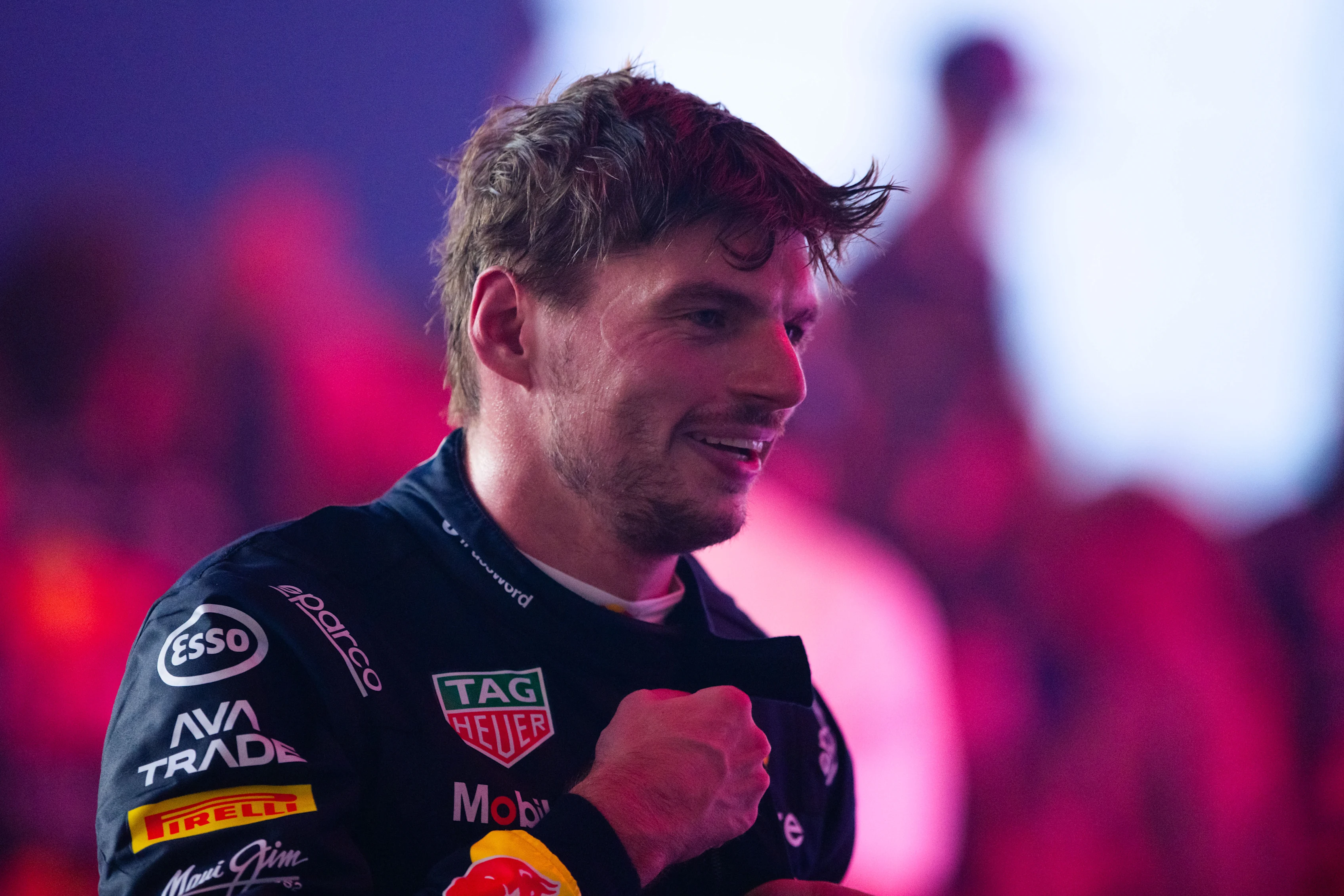
Mercedes is not trying to solve this puzzle in isolation. Verstappen won in Malaysia and Singapore on very different circuits, an indication that Red Bull's recent improvement is not limited to one favorable layout. Ferrari has also been developing its car aggressively, and McLaren has further updates planned during the Americas stretch. The battle at the front has shifted from early-season Mercedes control toward a much less predictable contest.
Those gains are relevant to next year because the current regulations are still relatively young. Teams are learning how to exploit the new generation of cars, and a development direction that looks dominant in March can be overtaken by October. The most valuable late-season upgrade is therefore not necessarily the one that produces the largest single-race gain. It may be the one that confirms the team understands which design ideas will scale into 2027.
For Verstappen, the immediate championship picture is a long shot: he sits 119 points behind Antonelli entering Austin. For Mercedes, however, his recent wins are a clear signal that rivals can now beat the W17 on merit. Russell has acknowledged the level of Red Bull's recent pace, and Wolff has warned that a new season could look very different from this one. That is not an argument that Mercedes' achievements are diminished; it is a reminder that an early points lead and the fastest car at the end of the season are separate measures.
Fans should watch the performance trend as closely as the podium order. Can Mercedes produce competitive long-run pace without an extreme setup? Do both drivers describe a more predictable car? Is the team consistently quick through COTA's fast corners, rather than only on the straights? And can it respond when Ferrari, McLaren or Red Bull improves during the weekend? Those answers will say more about the team's 2027 outlook than any single celebratory photograph.

Antonelli could become Formula 1's youngest world champion in Austin, although he needs victory plus unfavorable results for Russell and Hamilton to settle the title this weekend. The odds of that exact combination are slim, and the championship can wait. Mercedes' engineering questions cannot be postponed so easily.
Austin should show whether the W17's difficult Malaysia update contains performance waiting to be unlocked or whether the team needs to rethink how it develops the next car. Mercedes has done enough to put itself in position for a remarkable 2026 double. The harder question now is whether it can turn a championship-winning season into a sustainable advantage. At COTA, the lap times and driver feedback may be more revealing than the trophy math.

















