

Mets Met Skubal First. The $325M Question Comes Next.
GOATIFYA meeting is not a signing. That distinction matters especially when the meeting involves Tarik Skubal, a two-time Cy Young Award winner who may be about to reset what Major League Baseball pays an elite starting pitcher. The New York Mets met with Skubal and his representatives in California on Monday, November 16, according to reporting that surfaced Tuesday. The first assessment was favorable. No confirmed contract offer, agreement or commitment accompanied it.
That is still an important development for a Mets club trying to recover from a 74-88 season and two consecutive years outside the postseason. This is no longer theoretical interest expressed at the General Managers Meetings: New York has put decision-makers in the same room as the premier available pitcher. The question is whether owner Steve Cohen and president of baseball operations David Stearns will turn that contact into a record-sized commitment, and whether doing so would actually solve the club's problems rather than merely produce the winter's biggest headline.
The competition is serious. The Dodgers, Padres and Blue Jays are among a reported six-team field, with two other clubs not publicly identified. Skubal can evaluate the situation from an unusually strong position, while the Mets must balance a transformational opportunity against contract length, medical risk and the rest of a roster that still needs work. Here is what the meeting changes, and what it emphatically does not.
The Mets Got Their Meeting. Nobody Has Won the Auction.
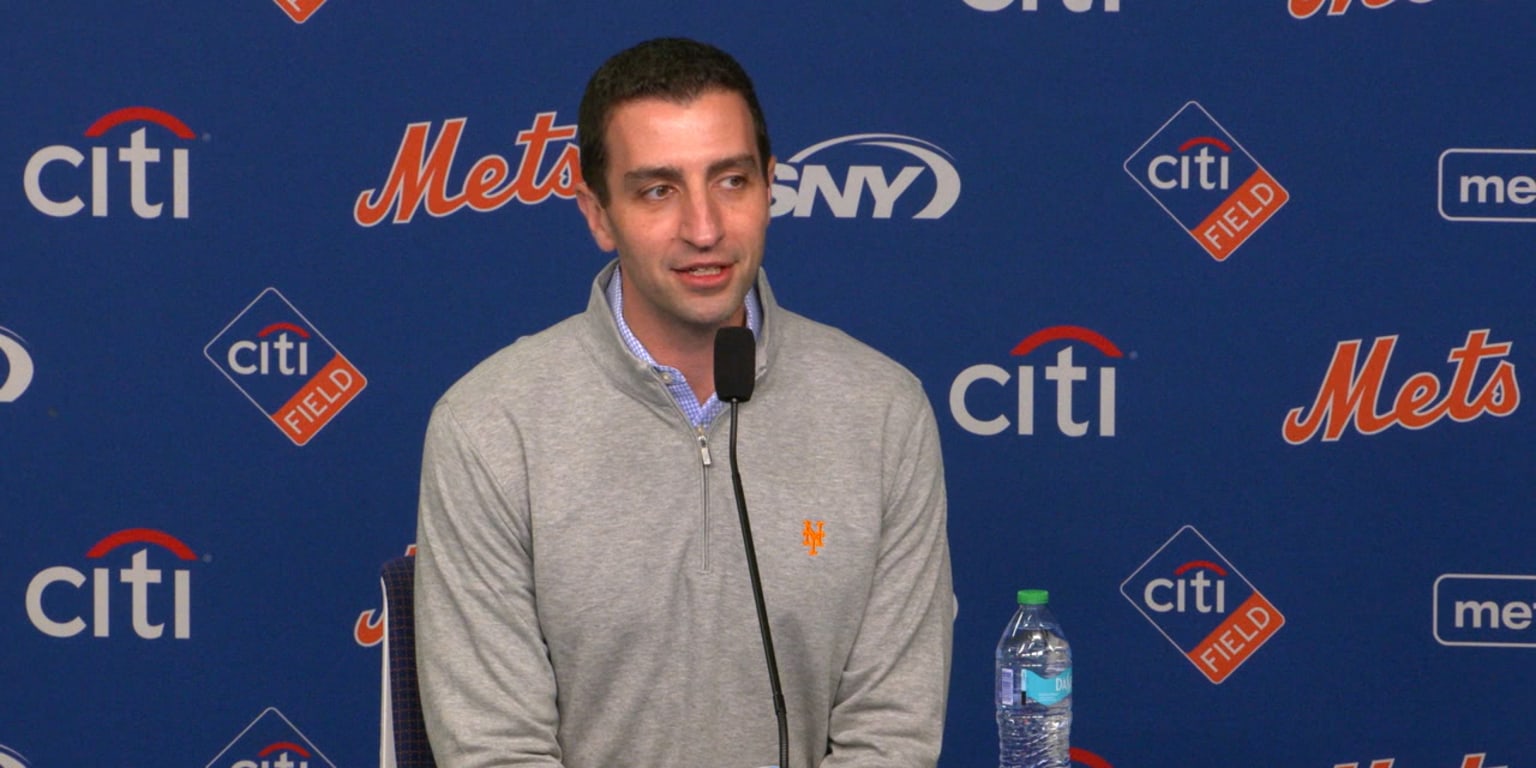
Tuesday's development was a real escalation, not a ceremonial photo opportunity. Skubal and New York officials met in California on Monday after the Mets had arranged an in-person presentation during the offseason's first wave of negotiations. Reporting characterized the session as having gone well. That is as far as the confirmed public evidence goes: no specific proposal, dollar figure, contract term or agreement has been disclosed.
It is tempting to turn the sequence into a leaderboard. The Mets met first, the Mets have an exceptionally wealthy owner, therefore the Mets must be out in front. Free agency rarely works so neatly. Agents and players meet clubs to compare money, the environment around the player, competitive windows and personal preferences. A useful discussion can strengthen a team's standing without settling any of those questions. Equally, a bidder can walk into the final round later and offer terms that make an earlier conversation irrelevant.
The reported list of serious participants contains six teams. Four are identifiable: the Mets, Dodgers, Padres and Blue Jays. Two remain unnamed. Dodgers general manager Brandon Gomes has publicly acknowledged that Los Angeles intended to meet the pitcher. That matters because the Dodgers are not a distant admirer assessing a video reel. They acquired Skubal from Detroit during the 2026 season, saw him work inside their own pitching program and can make a case based on firsthand experience. The existing relationship could matter, but it does not by itself determine his next destination.
New York's argument is different. The Mets can present a front-of-rotation vacancy, the chance to become the staff's clear reference point and the financial resources to compete on both length and annual value. They can point to a willingness to make enormous investments when the right talent comes onto the market. They must also be prepared for tougher questions about how a club that finished last in its division intends to get back into October.
GOATIFY
GOATIFY Baseball
The six-team Skubal chase has started, but no contract is signed. Explore GOATIFY baseball gear for the offseason story still taking shape.

Gold Baseball GOAT Sticker
A gold baseball GOAT decal for your bottle, laptop or game-day gear.
Shop Now ↗


White Baseball GOAT Sweatshirt
Rep baseball’s greatest with a white GOAT graphic sweatshirt.
Shop Now ↗

White Baseball GOAT Sticker
A white baseball GOAT decal for your bottle, laptop or game-day gear.
Shop Now ↗There is a timing dimension. Reporting has suggested Skubal hopes to finish his decision ahead of a possible labor stoppage associated with the December 1 expiration of the current collective bargaining agreement. A desired deadline is not a signed commitment; negotiations can slip, and neither a lockout nor a final signing date should be treated as inevitable. The practical effect is that clubs may have a narrower window than a typical winter to arrange medical reviews, settle structure and obtain internal approval.
The next meaningful confirmation is not whether another meeting is described as productive. It is whether a team puts an actual proposal on the table, whether Skubal chooses to narrow the field and, eventually, whether an agreement is announced. Everything else is signal without a scoreboard.
A 74-Win Mets Team Needs More Than a Famous Left Arm
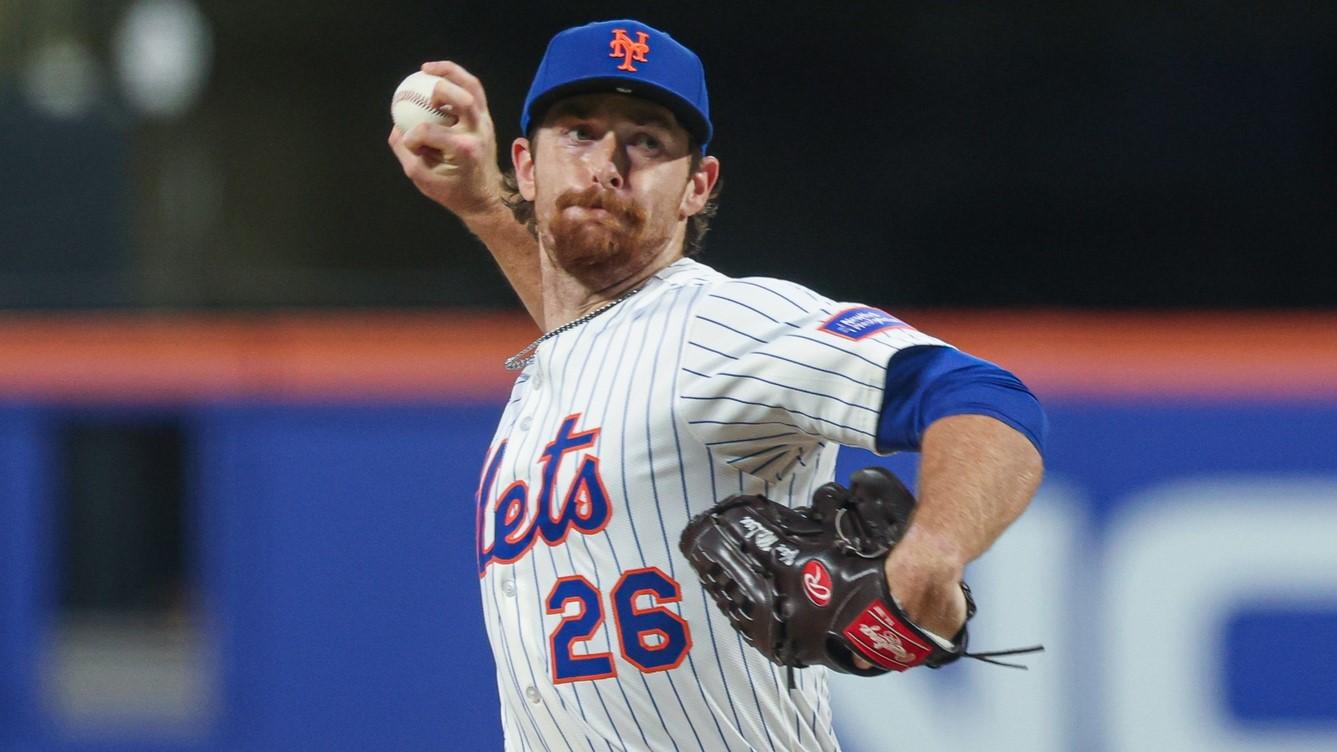
Skubal's appeal becomes clearest when the Mets' present rotation is described accurately. This is not an empty staff that needs five starters. New York has a genuinely interesting group of younger pitchers, led by Nolan McLean and including Christian Scott, Zac Thornton and Jonah Tong. Veteran options Sean Manaea and Kodai Senga remain in the picture, and Tylor Megill could also be part of the competition after missing 2026. There is talent and there are choices. What the Mets lack is the kind of established ace whose expected performance fundamentally changes the top of a playoff rotation.
That distinction should guide the argument for a huge contract. A club does not acquire Skubal because it cannot find anyone to pitch on a Tuesday in May. It acquires him to make a potential postseason series look radically different. Instead of asking an emerging pitcher to oppose another contender's best arm every time, New York could assign its proven ace to that burden while allowing younger teammates to develop in more natural roles. It is a high-end quality upgrade rather than a simple innings purchase.
David Stearns has already said the Mets will add to their pitching staff. In discussing the offseason, he has pushed against the idea that he is philosophically unwilling to negotiate lengthy contracts with pitchers, while emphasizing that individual cases must be evaluated on their merits. His track record since joining New York does have a clear benchmark: the three-year, $75 million deal for Manaea is his largest free-agent pitching contract with the club. Skubal would require a completely different kind of commitment.
The urgency follows a difficult 2026. The Mets finished 74-88 and last in the National League East. Some young players gave the organization reasons to believe the final portion of the season was more encouraging than the opening months. That does not erase the standings, nor does it make a single addition the cure for all those losses. First-base production, defense, bullpen performance and the ability to sustain offense throughout the year remain relevant. If all the winter's attention and money go to one name, those questions become harder rather than easier.
There is also a roster-building benefit to patience. The Mets do not need to force McLean or Scott into minor roles simply because a star arrives. A strong rotation should create competition, redundancy and recovery options. Injuries are predictable as a category even when the affected individual is not. Keeping talented starters can be more valuable than rushing to exchange them for short-term upgrades elsewhere. Skubal would strengthen the organization most if New York used him as the central piece of a deeper staff, not as an expensive substitute for depth.
The case for signing him therefore starts with a very simple proposition: the ceiling matters. But a healthy 2027 rotation also requires enough quality beneath the ceiling to survive a six-month season. The Mets have to build both.
GOATIFY
GOATIFY Baseball
The Mets are rebuilding a rotation around young arms. Get ready for next season with GOATIFY baseball tees, hats and fan gear.

White Baseball GOAT Dad Hat
A white baseball GOAT design for ballpark days and everyday fan style.
Shop Now ↗


Gold Baseball GOAT Sweatshirt
Rep baseball’s greatest with a gold GOAT graphic sweatshirt.
Shop Now ↗
The Price Could Rewrite Pitcher History. So Could the Risk.
The financial discussion will begin at the top of the sport's existing scale. Yoshinobu Yamamoto's 12-year, $325 million deal established the record total guarantee for a pitcher. Max Scherzer and Justin Verlander have each reached an annual average of approximately $43.33 million on major free-agent contracts. Reports suggest Skubal could challenge both marks. That does not mean either record must fall: a greater yearly figure over a shorter term would create a different distribution of risk than a massive total guarantee spread across a decade.
For a player of this caliber, the price is not driven only by a conventional projection of his next season. Teams bid for a limited chance to acquire a true difference-maker without trading elite prospects, and competing bidders can pull the number above the comfortable estimate of any single front office. With several serious suitors, Skubal's camp can negotiate on years, annual salary, opt-outs, no-trade protection, bonuses and the distribution of payments. The eventual headline number may obscure terms that matter as much to the player and the team.
Skubal's recent production is a compelling answer to the question of why demand is so intense. The two-time Cy Young winner posted a 2.72 ERA in 26 starts split between Detroit and Los Angeles in 2026 after an August trade. He allowed only three runs across two postseason starts. His combination of swing-and-miss ability, command and left-handed look gives him a profile that can be useful against almost any lineup. These are not vague reputation points; they are reasons organizations can argue he offers a real competitive advantage.
The counterweight is not an allegation that he cannot stay healthy. It is an obligation to acknowledge the actual record. Skubal missed 44 days in 2026 following a procedure to remove loose bodies from his throwing elbow. He has a longer history of arm interventions, including earlier elbow surgery. He is approaching his age-30 season, which means a very long contract would cover not only prime performance but also years in which pitchers can lose velocity, struggle with availability or need different workloads. No public report establishes that a fresh injury is imminent. No responsible analysis should pretend the risk is zero, either.
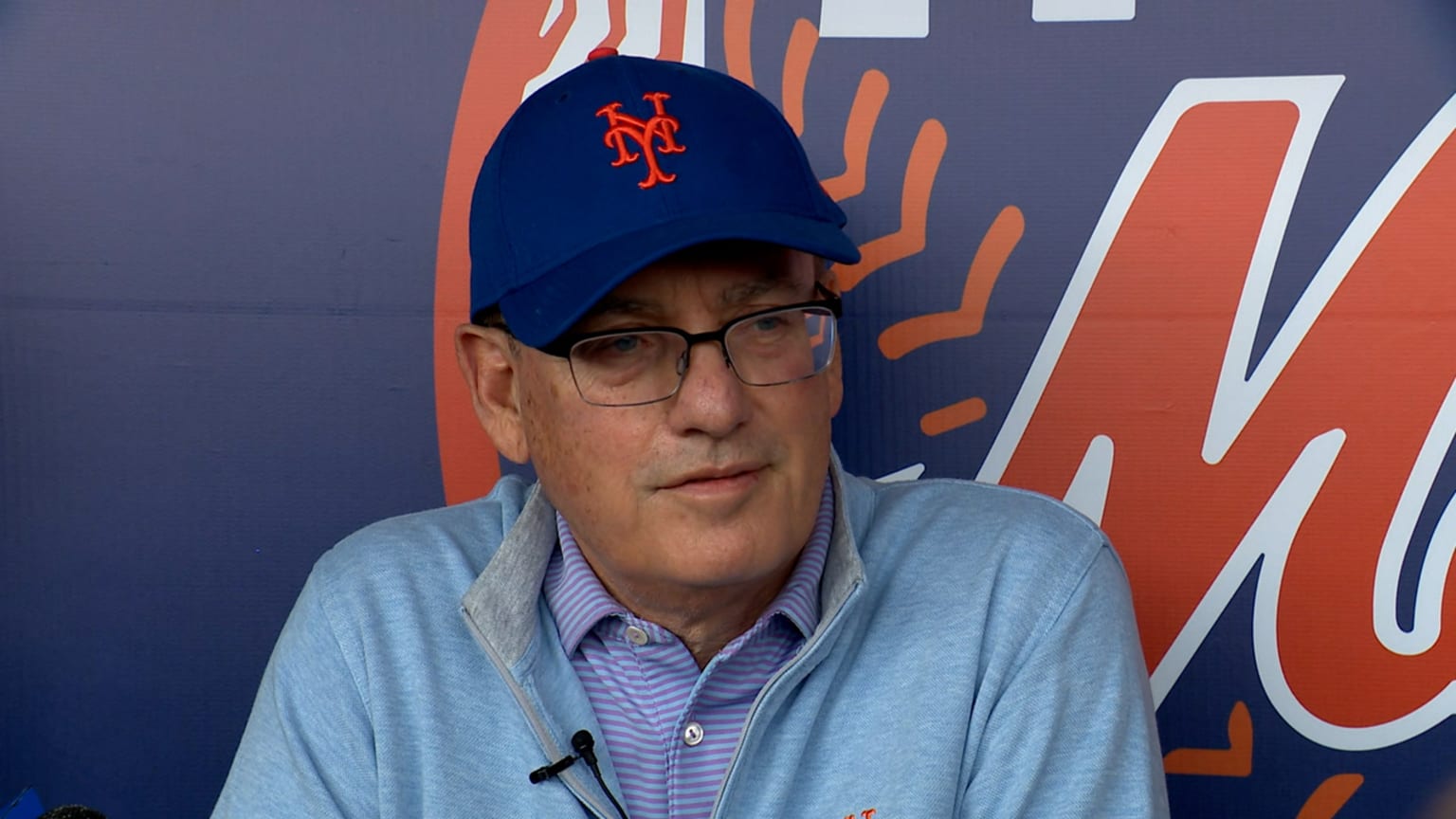
The Mets' ownership has already demonstrated the capacity to authorize a blockbuster, most memorably Juan Soto's 15-year, $765 million agreement. But affordability is not identical to value. A commitment of several hundred million dollars to one pitcher would reduce the margin for mistakes elsewhere, and looming collective-bargaining uncertainty complicates the future cost of a top-heavy payroll. The relevant question is not whether Steve Cohen can afford the signing. It is whether New York can build a winning organization around it for the full life of the contract.
There are ways a contract can share some of that uncertainty: duration, opt-out timing and payment structure can change incentives without changing the headline. Ultimately, though, one side will have to be comfortable with paying for seasons it cannot predict. That is the true price of bidding for baseball's most coveted free agent.
The Dodgers Know Skubal. The Mets Have to Sell Something Different.

New York can tell Skubal that he would be the clear centerpiece of a rotation with emerging talent. Los Angeles can tell him what it already knows about him. The Dodgers traded for Skubal in August and put him into a pitching group built to pursue championships immediately. Familiar coaches, medical staff, teammates and a well-established winning environment are legitimate advantages in any recruitment. None is automatic proof that he intends to return, but the Mets cannot simply assume the Dodgers will disappear if New York offers an impressive figure.
GOATIFY
GOATIFY Baseball
Would you make a record offer for an ace? Show your baseball allegiance with GOATIFY shirts, hoodies and stickers.

Gold Baseball GOAT Dad Hat
A gold baseball GOAT design for ballpark days and everyday fan style.
Shop Now ↗

White Baseball GOAT Sticker
A white baseball GOAT decal for your bottle, laptop or game-day gear.
Shop Now ↗The Padres and Blue Jays widen the competition for reasons that are more complicated than a simple comparison of payrolls. Each can argue for a competitive path and a particular baseball environment. Two unidentified teams add uncertainty that should keep anyone from treating the public four-team list as a closed auction. The ability of a club to offer years of security, an appealing market, a strong defensive group and a route to October may matter differently to Skubal than it does to an outside observer.
That is why the Mets' recruitment should not be summarized as money versus winning. They need to sell both. Cohen's record spending shows that ownership is willing to fund stars, while the presence of Juan Soto gives the club a genuine position-player pillar. New York can also show a younger rotation that could grow alongside an established ace. But a last-place finish creates skepticism that cannot be answered with a slide deck. It must be addressed with a credible plan for the rest of the lineup, run prevention and a winning environment.
The opportunity cost is particularly important. If New York devotes an enormous guarantee to Skubal, its other moves will be evaluated against that commitment. If he chooses another club, Stearns cannot afford to spend weeks complaining about the lost sweepstakes. The team would still need rotation innings and upside, perhaps through more modest free-agent deals or trades. Potential alternatives have been discussed across the market, but their prices and availability will change as the leading ace negotiations move forward. The best offseason should not require one specific signing to be worthwhile.
New York's next useful steps are ordinary but decisive: understand Skubal's priorities, determine whether the medical review supports the proposed commitment, establish a real financial range, and decide which secondary roster needs can still be met afterward. The Mets should also prepare their alternative pitching routes now instead of treating them as consolation prizes once every other club knows they lost the main target. Negotiations can accelerate quickly when bidders believe they are nearing the final round.
For fans, the noise will be constant. Every meeting might become a rumor, every quoted executive a clue and every speculative contract a supposed offer. The reliable checkpoints are fewer: a publicly substantiated bid, a narrowing of the field, an agreement and the player's eventual destination. Until one of those arrives, the Mets are an active contender in a highly competitive market, not a team that has already bought its ace.
The Mets have accomplished the easy part of a difficult pursuit: they got into the room with the player everyone wants. The reported positive meeting is a signal of serious participation, not proof that New York is favored or that a record contract is already in motion. The baseball attraction is obvious. A healthy Skubal would give an emerging rotation a proven front-line anchor and change the way opponents prepare for a series.
The hard question is how much future uncertainty a franchise should buy to achieve that immediate upgrade. Stearns and Cohen must price the performance, medical history and competing offers together, while also protecting enough flexibility to fix the other weaknesses of a 74-win team. Until an actual offer or signing is confirmed, this remains a high-stakes negotiation, not a completed Mets triumph.
GOATIFY
GOATIFY Baseball
Shop GOATIFY baseball and MLB-inspired apparel, hats and stickers for the coming season.


White Baseball GOAT Dad Hat
A white baseball GOAT design for ballpark days and everyday fan style.
Shop Now ↗White Baseball GOAT Sweatshirt
Rep baseball’s greatest with a white GOAT graphic sweatshirt.
Shop Now ↗


















